
No products in the cart.
THE ART OF ARRIVAL
Hallway Lighting That Gives Every Arrival Meaning
Hallway lighting shapes the first impression of an interior, guiding movement while revealing the character of the architecture. From a sculptural pendant in a double-height entrance to discreet wall illumination along a narrow passage, the right arrangement gives transitional spaces a distinct identity. Studio Black Canvas brings an art-led perspective to lighting, where expressive form, considered placement and the relationship between light and shadow help create a more intentional welcome.
Design consultation available
Sculptural lighting collections
Pan-India delivery
Considered forms and finishes
THE HALLWAY EDIT
Hallway Light Fixtures With Architectural Presence
Explore lighting forms that complement the dimensions and character of your interior. Before selecting a fixture, consider its overall scale, mounting position, light distribution and the clearance required for comfortable movement.
15 in stock
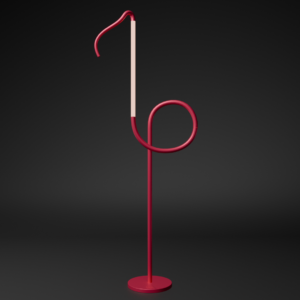
50 in stock
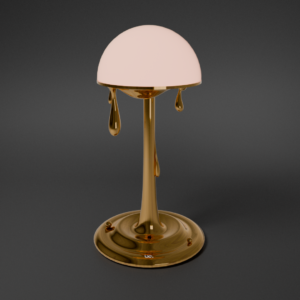
119 in stock
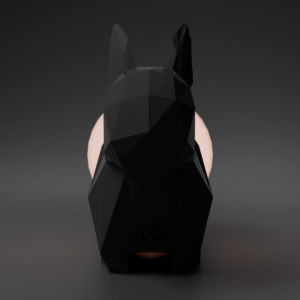
15 in stock
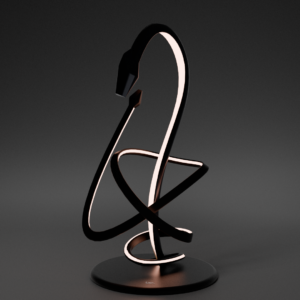
LIGHT, MOVEMENT AND PROPORTION
Hallway Lighting That Does More Than Brighten a Passage
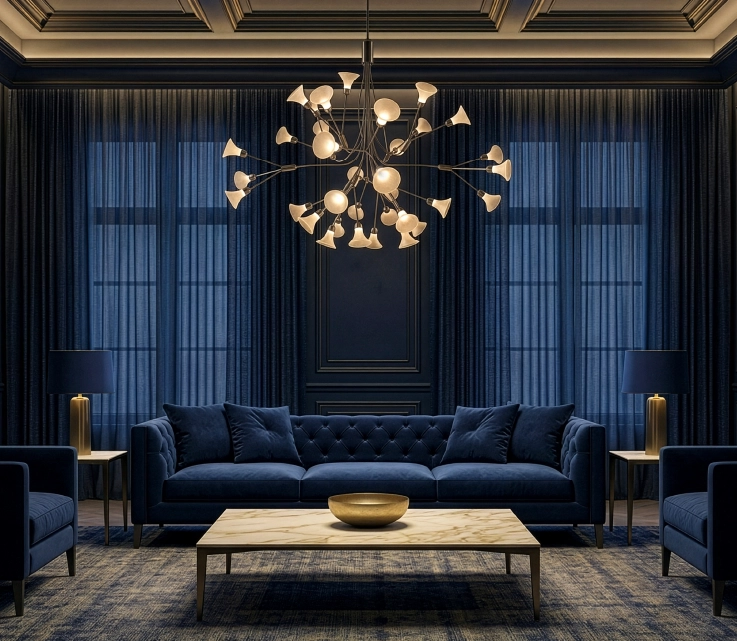
Hallways connect the different experiences of a home. They carry people between rooms, frame views towards adjoining spaces and often provide the first glimpse of the interior’s materials and design language. Poorly positioned light can leave corners indistinct, create glare on reflective finishes or make an otherwise generous passage feel visually compressed.
A considered lighting plan responds to the route people take through the space. General illumination supports safe movement, while selected accent sources can draw attention to artwork, textured walls or architectural details. Decorative fixtures add character when their dimensions and placement work with the surrounding proportions.
The objective is not to make every part of the hallway equally bright. It is to establish a comfortable visual sequence in which circulation remains clear and significant design details receive appropriate emphasis.
THE LIGHTING PLAN
Hallway Lighting Ideas for Every Type of Space
Hallway Pendant Lights for Entrance Spaces
A pendant can give an entrance a clear point of focus without requiring additional furniture or decoration. In a foyer with sufficient ceiling height, a sculptural pendant introduces vertical interest and creates a visual connection between the entrance and the rest of the home. Check the fixture’s overall dimensions, suspension length, door clearance and sightlines before installation.
Wall Lighting for Long Corridors
Wall-mounted fixtures can establish a measured rhythm along a corridor, particularly where ceiling fittings alone create uneven illumination. Position and spacing should respond to the wall length, ceiling height and the light distribution of each fitting. Where artwork or wall finishes are present, check that the light enhances them without causing distracting glare.
Ceiling Lighting for Everyday Visibility
Ceiling-mounted fittings provide general illumination across the circulation route. Recessed or discreet surface-mounted options can suit restrained interiors, while a more expressive fitting may be appropriate where the ceiling is a defining feature. The choice depends on ceiling construction, layout, required light output and the desired visual effect.
Modern Hallway Pendant Light for a Design-Led Entrance
A modern hallway pendant light can act as a sculptural element even when the surrounding architecture is deliberately minimal. Consider how its silhouette looks from the entrance, from adjoining rooms and from below. A fixture should complement the height and width of the space rather than obstruct movement or dominate a modest hallway.
Accent Lighting for Artwork and Architectural Details
Directional lighting can bring attention to paintings, niches, textured walls or selected objects. Beam angle, aiming direction and distance from the surface affect the result. Test the position where possible to avoid reflected glare, distracting shadows or uneven patches of light.
THE HALLWAY EDIT
Find a Hallway Lighting Style That Suits Your Interior



MATERIAL, COLOUR AND LIGHT
Materials That Shape the Hallway Atmosphere
Glass and Diffused Illumination
Clear glass can reveal the light source and create sharper highlights, while diffused glass can soften its appearance.
Metal Finishes and Reflective Surfaces
Brushed or matte finishes can provide a restrained appearance, while polished metal introduces stronger reflections.
Stone, Timber and Textured Walls
Directional light can emphasise texture, but a close or poorly aimed source may exaggerate surface irregularities.
Colour Temperature and Colour Rendering
Warm-white light can create a welcoming impression, while neutral-white light may suit interiors where a cleaner visual appearance is preferred.
Dimming and Lighting Controls
Dimming can help a hallway adapt from brighter everyday use to a softer evening atmosphere. Confirm that the light source, driver and dimmer are compatible.
Natural Pigments
Pigments don’t ask permission they shift the mood anyway. Warmth sneaks in, settles down, and before you notice, the space feels familiar… like it’s been yours longer than it has.
Light doesn’t stay the same. It adapts slowed, sharpened, softened, or deepened by whatever it moves through.
LIGHT THROUGH THE DAY
Hallway Lighting Designed Around Everyday Movement
A hallway is used repeatedly, often without much conscious attention. It needs to support movement at different times of day while remaining visually connected to the surrounding rooms. Layered lighting can help achieve this without making the passage feel overlit.
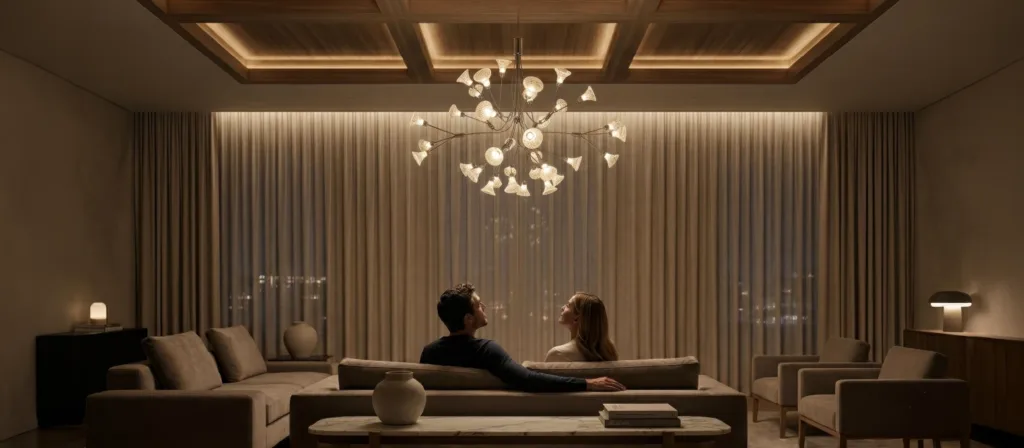
The Main Entrance
The entrance sets the tone for the interior. A considered combination of general illumination and a suitable decorative fixture can establish a clear focal point while keeping the doorway, storage and circulation areas easy to navigate.
Evening and Night-Time Movement
Softer lighting can create a quieter atmosphere after dark. Where low-level or sensor-operated lighting is used, ensure it provides sufficient visibility for safe movement, particularly near stairs, changes in floor level and door thresholds.
Narrow Hallways
In a compact corridor, fixture size and placement matter as much as brightness. Wall-mounted or ceiling-mounted options may preserve floor space, while diffused illumination can help limit harsh shadows. Avoid fittings that intrude into the circulation route.
Double-Height Foyers and Grand Entrances
A taller entrance can accommodate a larger pendant or sculptural installation, provided its scale is balanced against the architecture. Consider views from the upper landing, the main door and adjoining rooms, as well as access for cleaning and maintenance.
DESIGN IN PRACTICE
Hallway Lighting That Respects the Architecture
The Rhythm floor lamp has quietly taken over our living room. Earlier the corner felt empty, now it feels like the natural place to sit after dinner. The light is soft enough for late-night reading but warm enough for evening chai with friends. It doesn’t scream for attention, yet everyone who visits ends up asking about it. Somehow the room feels calmer when that lamp is on.
Rohit S.Mumbai · Rhythm Floor Lamp
We placed the Melted table lamp on our console table, and suddenly the whole entryway felt different. Instead of harsh ceiling lights, you walk into this warm glow that feels welcoming after a long day in Bangalore traffic. The brass finish also reflects the light beautifully. It’s one of those pieces you switch on instinctively every evening.
Ananya K.Bangalore · Melted Table Lamp
The Hop night lamp started as a fun addition to our bedroom but quickly became a favourite. The glow is gentle enough for winding down after work, yet bright enough when you’re looking for a book at midnight. My kids call it the “night rabbit lamp,” and honestly it has made bedtime routines far more peaceful.
Meera P.Pune · Hop Night Lamp
THE FINISHING TOUCH
Buy Online Hallway Lighting With a
Considered Design Approach
Choosing hallway lighting involves more than finding a fixture with the right finish. Ceiling height, corridor dimensions, mounting position, light distribution and the character of the surrounding interior all influence the final selection.
Questions
Frequently Asked Questions
1. How do I choose the right hallway lighting?
Start with the hallway’s dimensions, ceiling height and the route people take through it. Plan general illumination first, then add suitable pendant, wall or accent lighting where needed. Consider glare, finish reflections, fixture clearance and the lighting in adjoining rooms.
2. What hallway light fixtures work best in a narrow corridor?
Compact ceiling lights or suitably positioned wall fixtures can work well where floor and wall space are limited. The best option depends on corridor width, ceiling height, mounting restrictions and the light distribution of the fitting. Avoid fixtures that obstruct movement or create harsh glare.
3. Is a pendant suitable for a hallway?
A pendant can work well in an entrance or foyer with sufficient ceiling height and clearance. Check its overall size, suspension length, door movement and sightlines before installation. In a low or narrow corridor, a more compact ceiling fitting may be more appropriate.
4. What colour temperature is best for hallway lighting?
Warm-white light often creates a welcoming atmosphere, while neutral-white light can suit more contemporary interiors. The choice should complement the wall colours, flooring, daylight and adjacent rooms. Consistency between visible light sources helps prevent the hallway from feeling visually disconnected.
5. Can I buy online hallway lighting from Studio Black Canvas?
You can explore Studio Black Canvas’s online collections to review available designs. Before purchasing, check each product’s dimensions, mounting requirements, light output, finish, installation instructions and compatibility with your space. For a project-specific recommendation, contact the studio through its consultation page.
6. How can I make a dark hallway feel brighter?
Combine suitable general lighting with carefully positioned wall or accent lights to reduce dark areas. Lighter wall finishes and well-controlled illumination can help the corridor feel more open. Consider reflective surfaces carefully, as excessive reflection may introduce glare rather than improve visual comfort.
7. How high should a hallway pendant light hang?
The appropriate hanging height depends on ceiling height, pendant dimensions, the circulation route and nearby doors or stairs. The fitting should provide comfortable clearance without obstructing movement or sightlines. For double-height entrances, consider how the pendant looks from both ground level and upper floors.
8. Can hallway lighting be controlled with sensors or dimmers?
Yes, where the selected fixtures and control equipment support the intended setup. Motion sensors can be useful in frequently used corridors, while compatible dimmers allow brightness to change throughout the day. Check electrical compatibility and ensure reduced light levels still provide safe visibility.
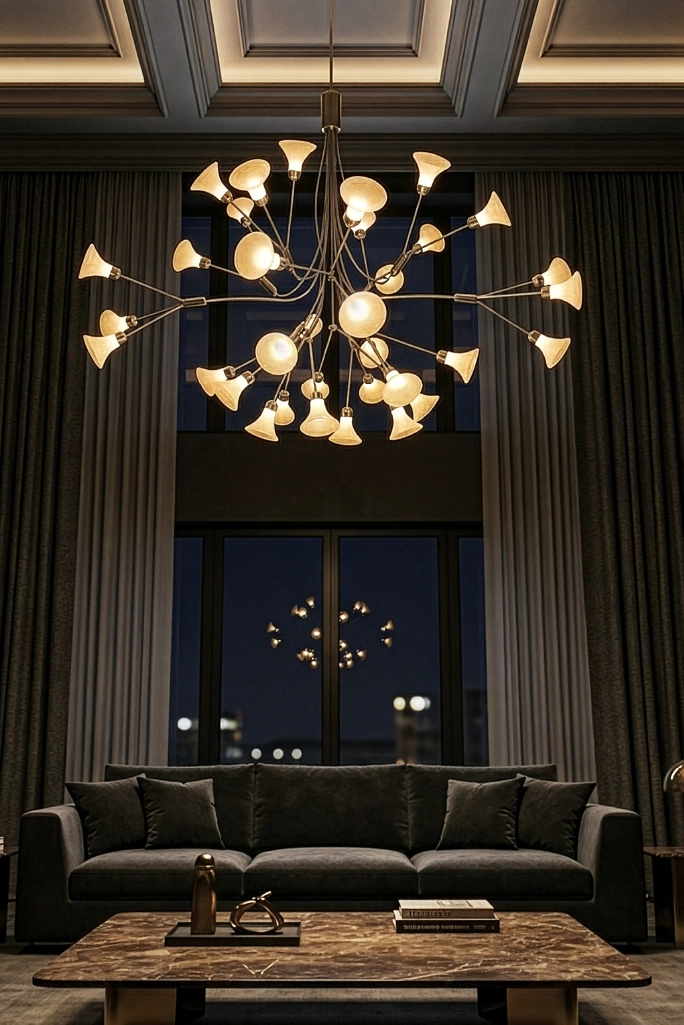
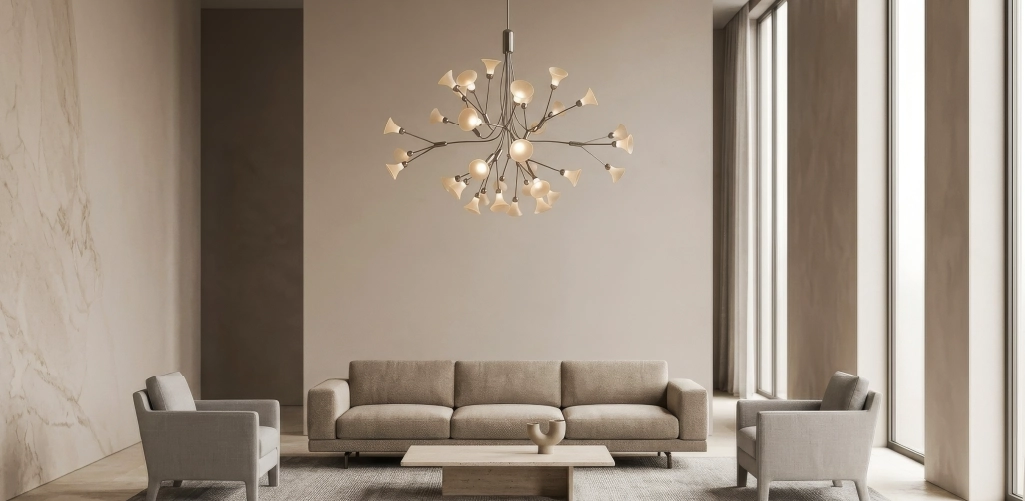
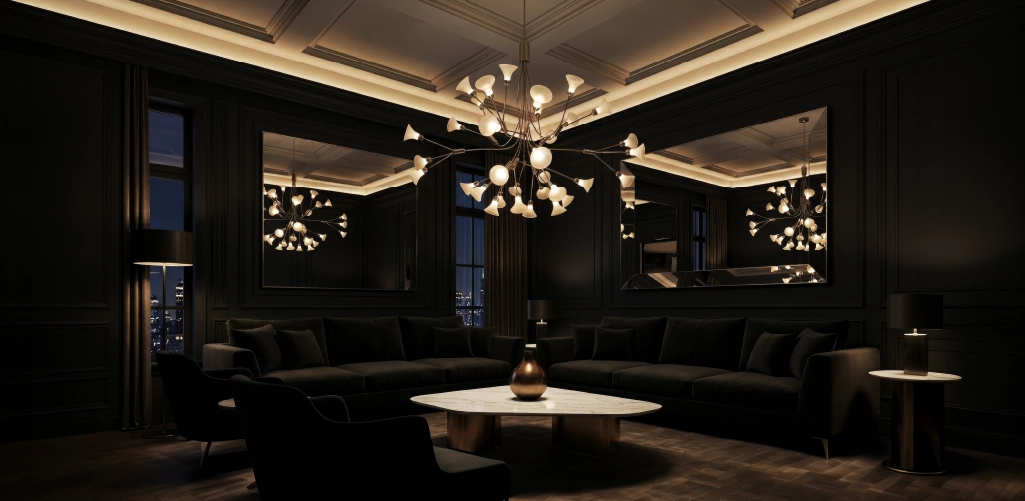
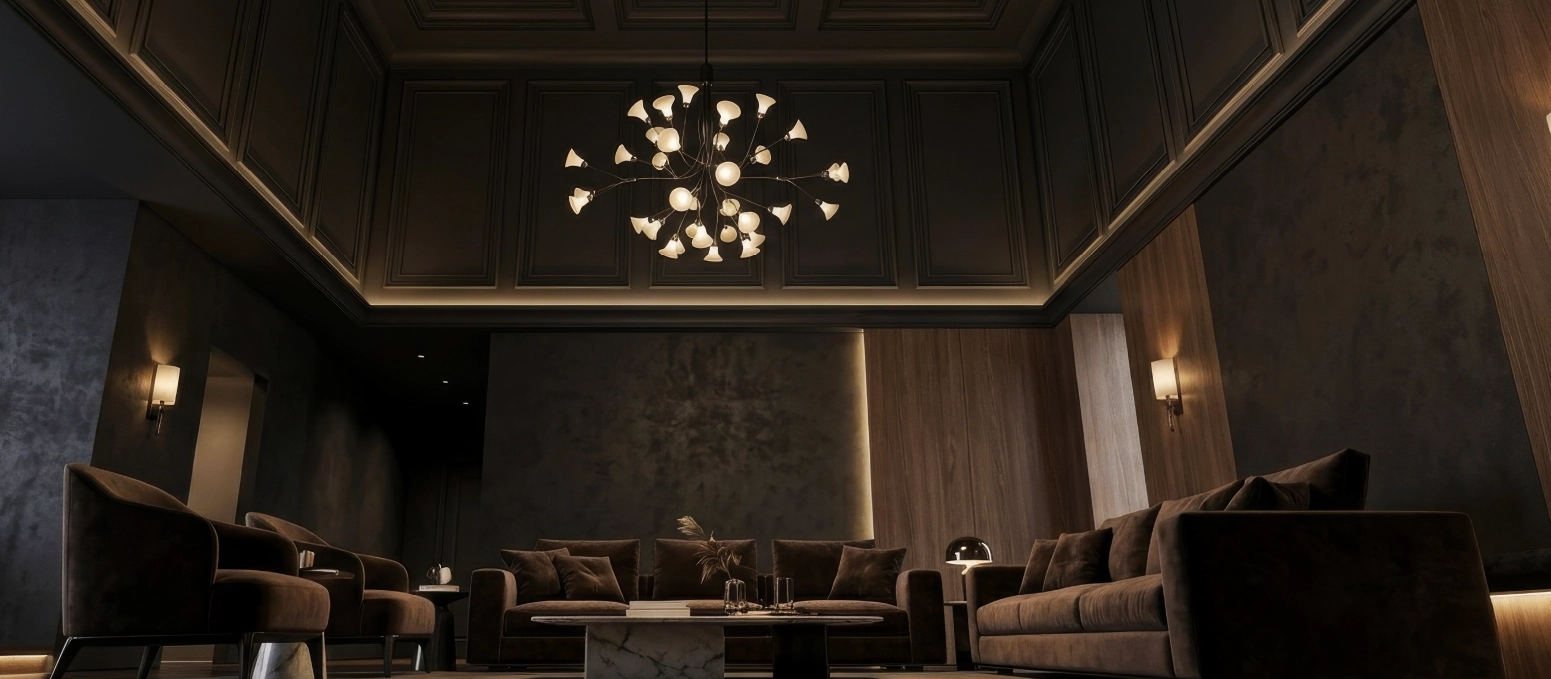
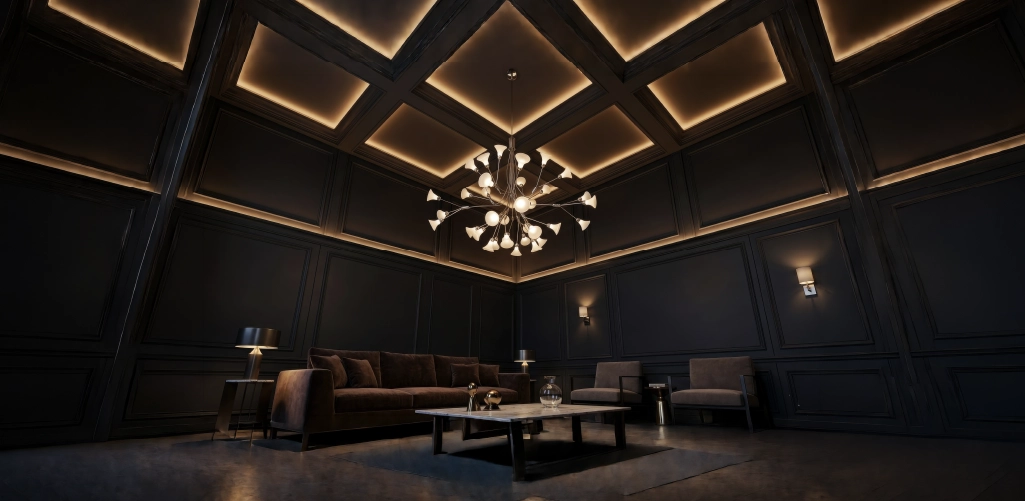
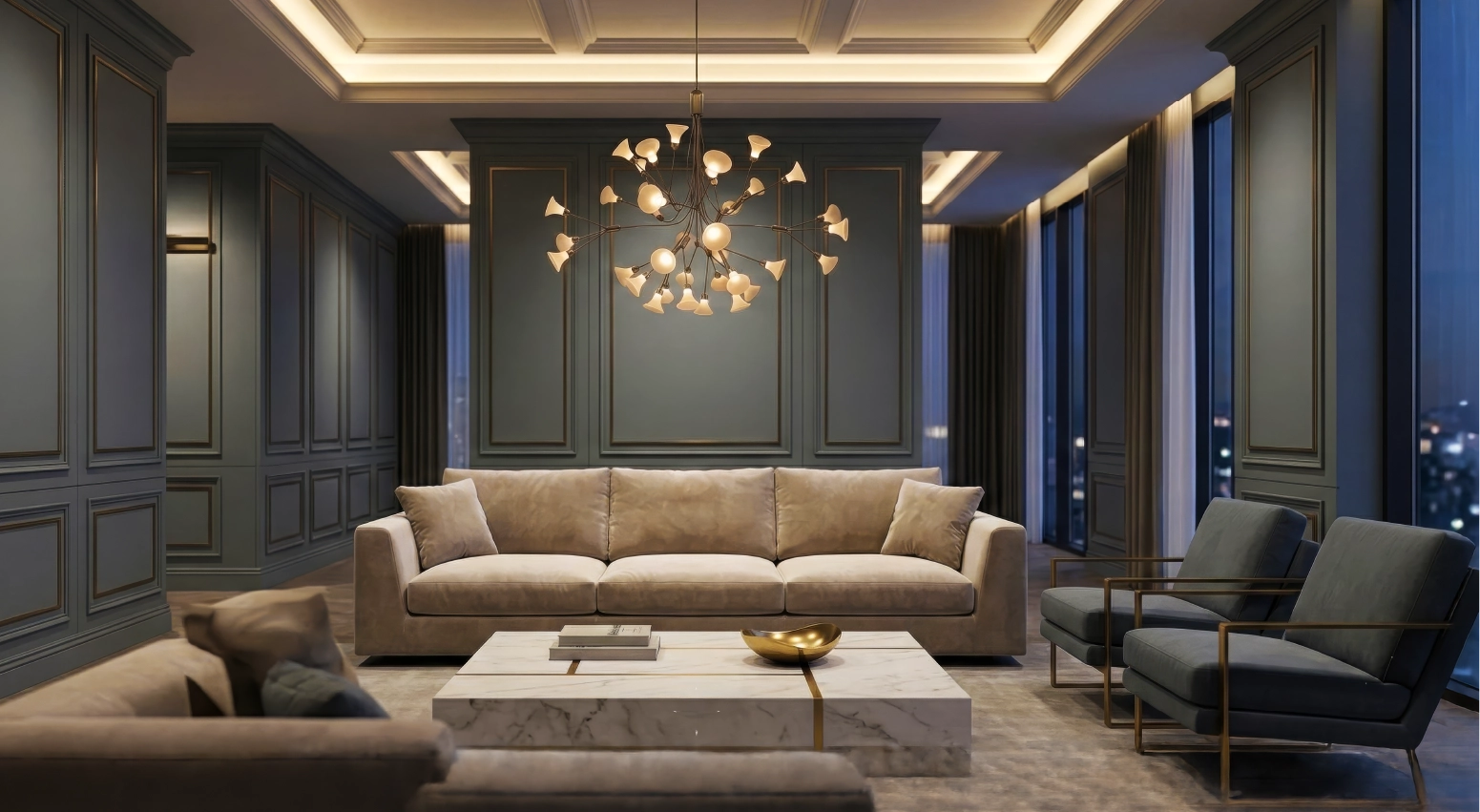
Light quietly reorganises a room without asking permission. Corners that once felt empty begin to pull people in, while pathways feel clearer and more natural. The space stops feeling accidental and starts feeling intentional, as if everything has found its place without anything needing to be moved or changed at all.
Glass softens the atmosphere, while metal introduces contrast and clarity. Every surface reacts differently, shaping how light spreads and settles. What you experience is not just brightness, but a shift in mood, where textures and materials quietly influence how the space feels from one moment to the next.
Good lighting does more than illuminate, it changes how time unfolds indoors. One corner invites conversation, another slows everything down. Even complex layouts begin to feel easier. Over time, the effect becomes subtle and familiar, shaping everyday moments without drawing attention to itself or asking to be noticed.