
No products in the cart.
 By
Black Canvas Studio
By
Black Canvas Studio
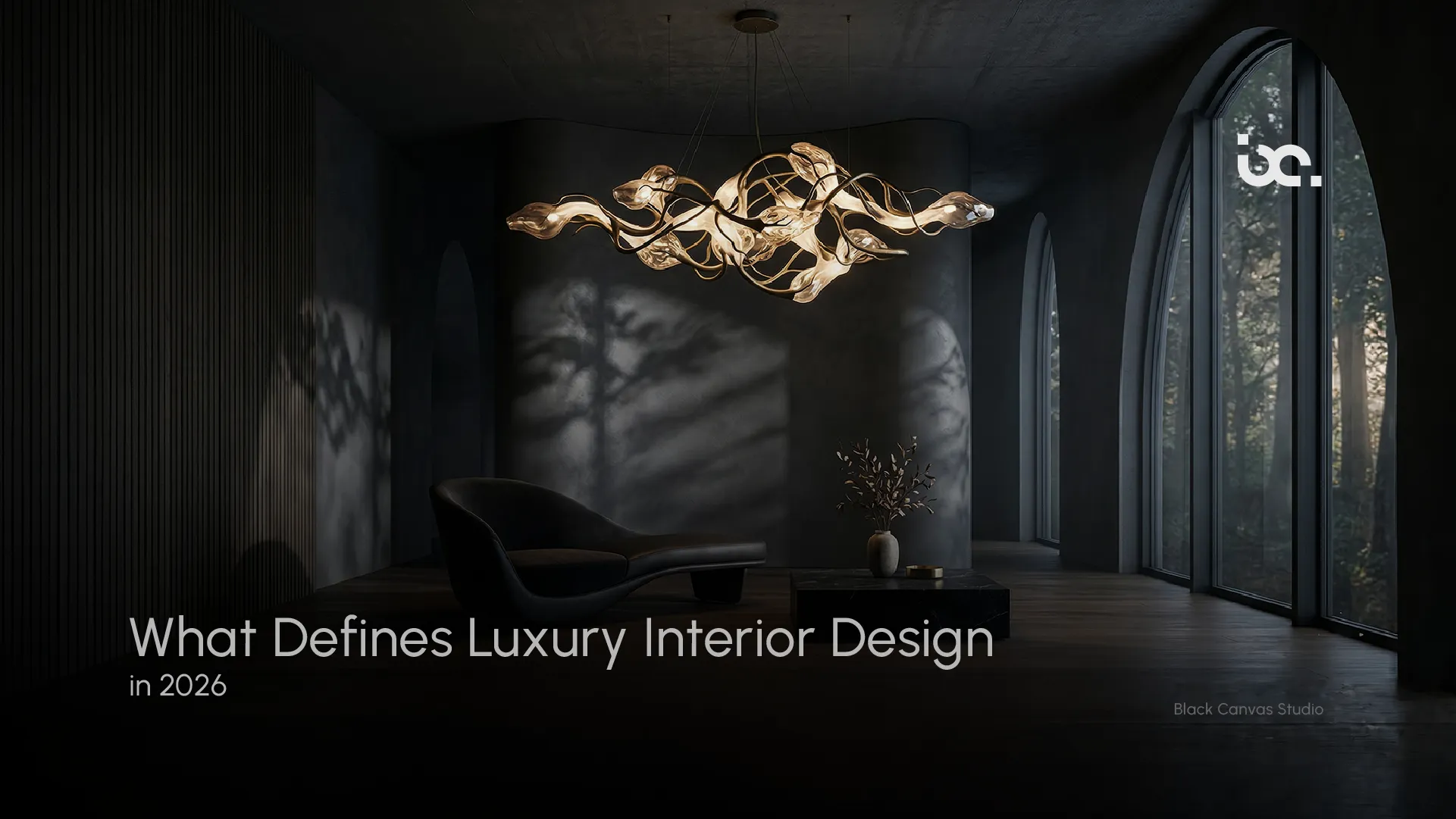
Luxury used to be simple. Marble floors, crystal chandeliers, gold accents, and rooms so pristine you were afraid to sit down. For decades, luxury interior design was associated with grandeur, opulence, and an almost theatrical display of wealth.
But in 2026, luxury has undergone a quiet transformation. It is no longer defined by excess. Instead, it is defined by intentional design, meaningful materials, sculptural lighting, and immersive living experiences.
Today’s luxury homes are not just visually stunning — they are emotionally intelligent spaces. They tell stories, evoke calm, celebrate craftsmanship, and connect people with nature.
The world’s most sophisticated homeowners now want something deeper than décor. They want thoughtful spaces that elevate everyday life.
This is where design studios like Blackcanvas Studio, India’s first biomimicry-driven design studio, are redefining how luxury homes are imagined. Inspired by patterns and intelligence found in nature, their design philosophy blends architecture, sculptural lighting, organic forms, and sensory experiences to create spaces that feel both modern and timeless.
So what exactly defines modern luxury interior design in 2026?
Let’s explore.
At its core, luxury interior design is the art of creating spaces that feel exceptional, personal, and deeply refined.
Luxury is no longer about how expensive something looks. It is about how a space feels when you live inside it.
A well-designed luxury home today achieves several things simultaneously:
• It reflects the personality of its owner
• It uses materials that age beautifully over time
• It integrates art, architecture, and lighting seamlessly
• It prioritizes comfort, wellness, and emotional connection
In simple terms, luxury design is where beauty, craftsmanship, and lifestyle meet.
For instance, a modern luxury living room might include:
Instead of filling a room with decorative items, designers focus on fewer elements — but each with greater impact.
This philosophy aligns perfectly with the approach of Blackcanvas Studio, where interiors are often inspired by natural geometries, biological structures, and biomimicry-based design thinking.
The result is luxury that feels alive, calm, and quietly powerful.
Luxury design in 2026 is shaped by global shifts in lifestyle, sustainability, wellness, and design innovation. Several luxury interior design trends are emerging as defining characteristics of high-end homes.
Let’s explore the most important ones.
Minimalism once meant stark white spaces with almost no decoration. But today’s version is softer, warmer, and more human.
Designers now call this “warm minimalism” — a style where clean spaces are balanced with layered textures, curated objects, and subtle personality.
This is also where the idea of “gentle clutter” enters luxury design.
Instead of removing everything, designers carefully curate items that feel meaningful — books, art pieces, sculptures, ceramics, and handcrafted objects.
The goal is not emptiness. The goal is intentional storytelling.
Luxury homes now feel lived-in, layered, and sophisticated rather than sterile.
Materiality is one of the strongest defining elements of luxury home interior design today.
Homeowners increasingly prefer materials that feel authentic and tactile. These include:
• Natural stone
• Lime plaster
• Raw wood
• Clay finishes
• Handcrafted ceramics
• Bronze and patinated metals
These materials age beautifully and develop character over time.
In biomimicry-based design studios like Blackcanvas Studio, materials are often selected not just for beauty but for their relationship with nature.
Surfaces may mimic geological patterns, tree bark textures, or flowing water formations — subtly bringing the intelligence of natural systems into the interior environment.
Mass-produced luxury is slowly losing its appeal.
Instead, modern luxury homes are embracing bespoke craftsmanship.
Custom furniture, hand-carved woodwork, sculpted stone surfaces, and artistic lighting installations are becoming central elements of modern homes.
Handcrafted details add something no factory product can replicate — soul.
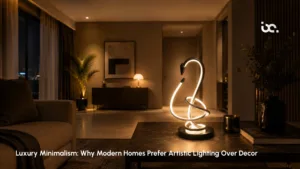
In many luxury residences, even lighting fixtures are commissioned pieces from Sculptural Luxury Lighting Collectionshttps://studioblackcanvas.com/collections/, designed as functional art installations rather than simple illumination sources.
This emphasis on craft creates interiors that feel rare, personal, and timeless.
Sharp lines are giving way to soft, flowing geometries.
Curves are appearing everywhere in modern luxury interior design:
• Curved sofas
• Arched doorways
• Organic staircases
• Rounded furniture
• Fluid architectural walls
These forms make interiors feel calmer and more inviting.
Interestingly, curved shapes are also deeply rooted in biomimicry design principles, where natural structures rarely rely on rigid straight lines.
Studios like Blackcanvas Studio use these organic forms to create spaces that feel fluid, harmonious, and deeply natural.
Luxury design is no longer purely decorative.
Every space in a luxury home now serves a specific purpose within the homeowner’s lifestyle.
Examples include:
• Meditation rooms
• Reading nooks
• Wellness corners
• Home galleries for art collections
• Quiet reflection spaces
Even lighting is designed to support different moods and activities throughout the day.
This philosophy transforms interior design into lifestyle architecture.
Bright white interiors are gradually being replaced by deeper, richer color palettes.
Some of the most popular tones in luxury interior design trends for 2026 include:
• Terracotta
• Olive green
• Deep charcoal
• Burnt sienna
• Sandstone beige
• Moss green
These colors evoke earth, landscape, and nature.
They also create a calming environment that contrasts beautifully with metallic accents and sculptural lighting.
For a while, minimalism removed ornamentation completely.
But luxury design is now embracing ornament again — in subtle and artistic ways.
Examples include:
• Textured plaster wall art
• Hand-carved wood panels
• Sculptural lighting installations
• Decorative architectural reliefs
Instead of excessive decoration, the ornamentation becomes a focal artistic moment within the space.
In many luxury homes, lighting itself becomes ornament through Sculptural Luxury Lighting Collections that act as statement pieces.
Luxury interiors are not created through random decisions. They emerge from a carefully structured design process.
High-end design studios invest significant time in understanding:
• The homeowner’s lifestyle
• Emotional preferences
• Daily habits
• Cultural influences
• Personal art collections
The process typically includes:
At Blackcanvas Studio, the design journey often begins with biomimicry research, exploring how nature solves spatial and structural challenges.
Designers might study the geometry of leaves, shells, or water formations to inspire spatial flow, lighting patterns, and textures.
This approach results in interiors that feel organic, intelligent, and timeless.
Perhaps the most important shift in luxury home interior design is the move toward lifestyle-centered spaces.
Today’s luxury homeowners want environments that support:
• Wellness
• Creativity
• Relaxation
• Connection with nature
• Meaningful experiences
A luxury home might include:
• Skylights that follow the sun’s movement
• Sculptural lighting inspired by natural forms
• Indoor plants integrated into architecture
• Textures that encourage sensory engagement
In such spaces, design becomes an extension of the homeowner’s identity and lifestyle.
This philosophy aligns strongly with the biomimicry-driven design thinking practiced by Blackcanvas Studio.
Several global factors have influenced the evolution of luxury interior design trends.
People now view their homes as places for mental and emotional restoration.
Homeowners increasingly value natural materials, durable design, and thoughtful consumption.
Homes now function as workspaces, retreat spaces, and social environments simultaneously.
People prefer unique, handcrafted environments over generic luxury.
These changes have pushed designers toward more thoughtful, experiential design philosophies.
The role of an interior designer has evolved dramatically.
Today’s luxury designer is part:
• Architect
• Artist
• Psychologist
• Lifestyle strategist
• Material researcher
They must understand light, spatial psychology, cultural aesthetics, and environmental design.
Studios like Blackcanvas Studio go even further by incorporating biomimicry thinking, studying nature’s systems to inspire design solutions.
The result is interiors that are not just visually impressive but also emotionally and environmentally intelligent.
In 2026, luxury designers are not just decorating homes.
They are designing experiences.
Luxury interior design in 2026 is no longer about showing wealth. It is about creating meaningful environments that elevate everyday life.
From warm minimalism and natural materials to sculptural lighting and biomimicry-inspired spaces, luxury homes are becoming more thoughtful, artistic, and personal than ever before.
Design studios like Blackcanvas Studio are leading this evolution in India by combining nature-inspired intelligence, sculptural lighting design, and refined craftsmanship.
The future of luxury interiors lies not in excess, but in intention, beauty, and connection with nature.
Because true luxury is not what you display.
It is what you experience every single day inside your home.
A home appears luxurious when it combines high-quality materials, thoughtful lighting, balanced proportions, and curated design elements. Luxury is often achieved through custom craftsmanship, layered textures, and cohesive design rather than excessive decoration.
The 70/30 rule suggests that 70% of a room should follow a dominant design style, while the remaining 30% introduces contrast through different textures, materials, or styles. This balance prevents interiors from feeling monotonous.
The golden rule of interior design is balance and harmony. Every element — furniture, lighting, colors, and textures — should work together to create a cohesive and comfortable environment.
The seven foundational principles include:
These principles help designers create visually pleasing and functional spaces.
Some of the most influential luxury interior design trends for 2026 include:
• Warm minimalism
• Sculptural furniture and lighting
• Earth-toned color palettes
• Natural and tactile materials
• Biomimicry-inspired interiors
• Custom craftsmanship
• Lifestyle-centered design
These trends reflect a growing preference for authentic, sustainable, and emotionally engaging spaces.
Experience radiant guidance tailored to your unique vision.