No products in the cart.


In today’s world of rapid manufacturing and instant availability, homes are often filled with decor pieces that look identical across cities, countries, and even continents. Walk into multiple modern homes and you may notice the same lamps, the same shelves, the same décor items—perfectly manufactured but lacking individuality. As homeowners begin to seek deeper meaning in the spaces they inhabit, a new movement is quietly transforming interior design: conscious decor.
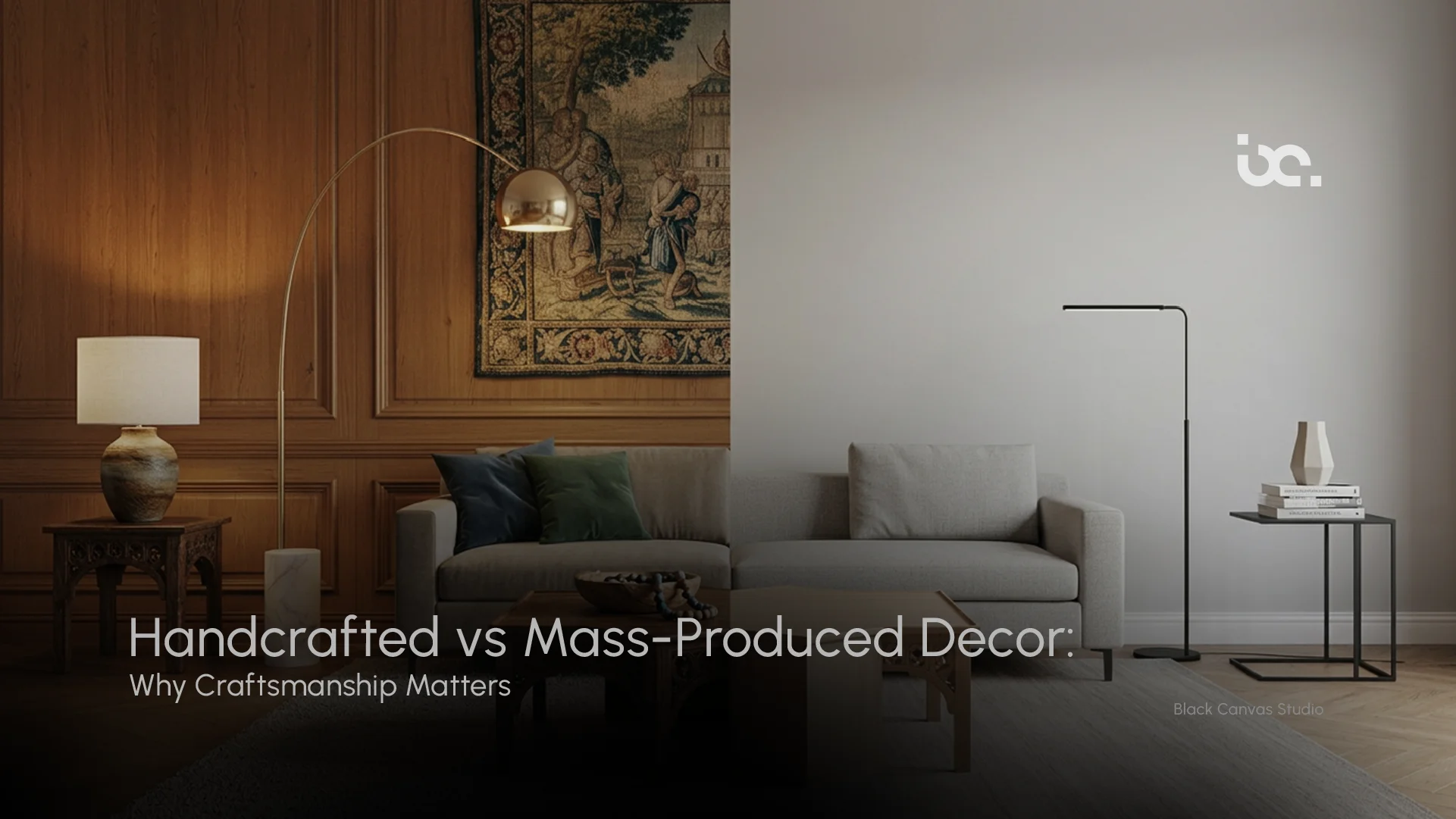
This growing shift toward thoughtful design has brought the conversation of Handcrafted vs Mass-Produced Decor to the forefront of luxury interiors. People are no longer looking for decor that simply fills a space. Instead, they want pieces that tell a story, embody craftsmanship, and reflect personality.
This is where handcrafted decor stands apart. Crafted by skilled artisans, every piece carries human touch, attention to detail, and artistic interpretation that cannot be replicated by machines. From sculptural lighting to unique furniture forms, handcrafted pieces elevate interiors into experiences rather than mere arrangements of objects.
India, with its rich heritage of craftsmanship, is witnessing a renaissance in luxury handcrafted decor. At the forefront of this movement is Blackcanvas Studio—India’s first biomimicry design studio—where nature-inspired artistry merges with craftsmanship to create extraordinary interior pieces. Their creations, especially sculptural lighting and luxury designer floor lamps, redefine how art, nature, and functionality coexist in modern spaces.
Understanding the difference between handcrafted and mass-produced decor is therefore not just about aesthetics—it is about value, sustainability, heritage, and timeless design.
Handcrafted decor refers to interior pieces created by artisans using traditional skills, artistic interpretation, and meticulous manual techniques. Unlike machine-produced products, handcrafted pieces involve human creativity, patience, and expertise at every stage of production.
When we talk about handcrafted home decor, we are referring to objects that have been shaped, sculpted, carved, welded, or assembled by skilled hands rather than automated manufacturing systems.
These pieces often include:
What makes handmade home decor particularly valuable is the level of detail and intention behind its creation. Every curve, joint, and texture reflects the artisan’s personal approach and craftsmanship.
In luxury interiors, handcrafted decor is often considered the highest form of design expression. Designers and homeowners seek pieces that feel unique and artistic rather than purely functional.
At Blackcanvas Studio, this philosophy is taken even further. Their creations draw inspiration from nature through biomimicry—translating organic forms such as leaves, branches, and natural patterns into sculptural decor pieces. The result is artisan home decor that feels alive, fluid, and deeply connected to the natural world.
Mass-produced decor refers to products manufactured at scale using automated machinery and standardized production processes. These items are designed for efficiency, affordability, and large-scale distribution.
The main goal of mass production is consistency. Each item produced in a factory is identical to the next, ensuring uniform quality and faster production cycles.
Common examples of mass-produced decor include:
Mass-produced decor plays an important role in the interior design industry by making design accessible and affordable to a wider audience. However, because these pieces are created using industrial processes, they often lack the individuality and craftsmanship associated with handcrafted work.
When comparing Handcrafted vs Mass-Produced Decor, the difference lies not only in how the object is made but also in the story it tells. Mass-produced pieces serve functionality and convenience, while handcrafted pieces embody artistry and expression.
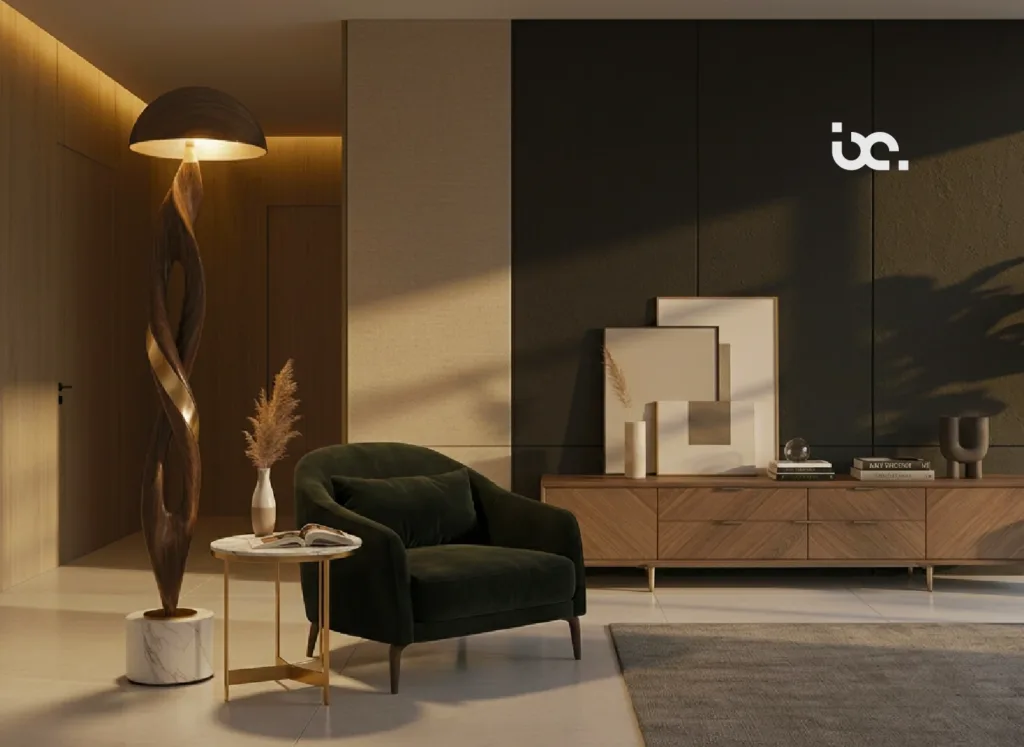
One of the most striking differences between handcrafted and factory-made decor is uniqueness.
Every piece of handcrafted interior decor is inherently one-of-a-kind. Even when artisans create similar designs, subtle variations in texture, shape, and finishing ensure that no two pieces are exactly the same.
This uniqueness is especially valued in luxury interiors where homeowners seek individuality. A sculptural lighting piece or luxury designer floor lamp becomes a signature element within a room rather than just another accessory.
Mass-produced items, on the other hand, are designed to be identical. While this consistency ensures uniformity, it also means thousands of homes may have the exact same decor.
Craftsmanship often translates into superior durability.
Handcrafted pieces are typically made with high-quality materials and assembled with careful attention to structural integrity. Artisans take time to refine every detail, ensuring the product is both beautiful and long-lasting.
For example, handcrafted lighting pieces often involve intricate metalwork, custom finishes, and individually assembled components. This level of care enhances longevity.
Mass-produced items prioritize speed and cost efficiency, which sometimes results in lighter materials or simplified construction methods. While these pieces can still be functional, they may not match the longevity of handcrafted work.
3. Emotional and Cultural Value
Handcrafted decor carries emotional and cultural depth.
Each handcrafted object represents the artisan’s skill, creativity, and heritage. Many craft traditions are passed down through generations, preserving techniques that have existed for centuries.
Owning artisan home decor means bringing a piece of human artistry into your home. The object becomes more than decor—it becomes a story.
Mass-produced items, by contrast, are rarely associated with cultural narratives or individual artistry.
In the modern design world, sustainability has become a crucial factor.
Handcrafted decor often aligns naturally with sustainable practices. Many artisans work with locally sourced materials, produce in smaller batches, and create pieces meant to last for decades rather than years.
Studios like Blackcanvas Studio take sustainability even further by embracing biomimicry—drawing inspiration from natural systems and forms to create responsible design solutions.
Mass production, while efficient, can sometimes contribute to higher resource consumption and shorter product life cycles.
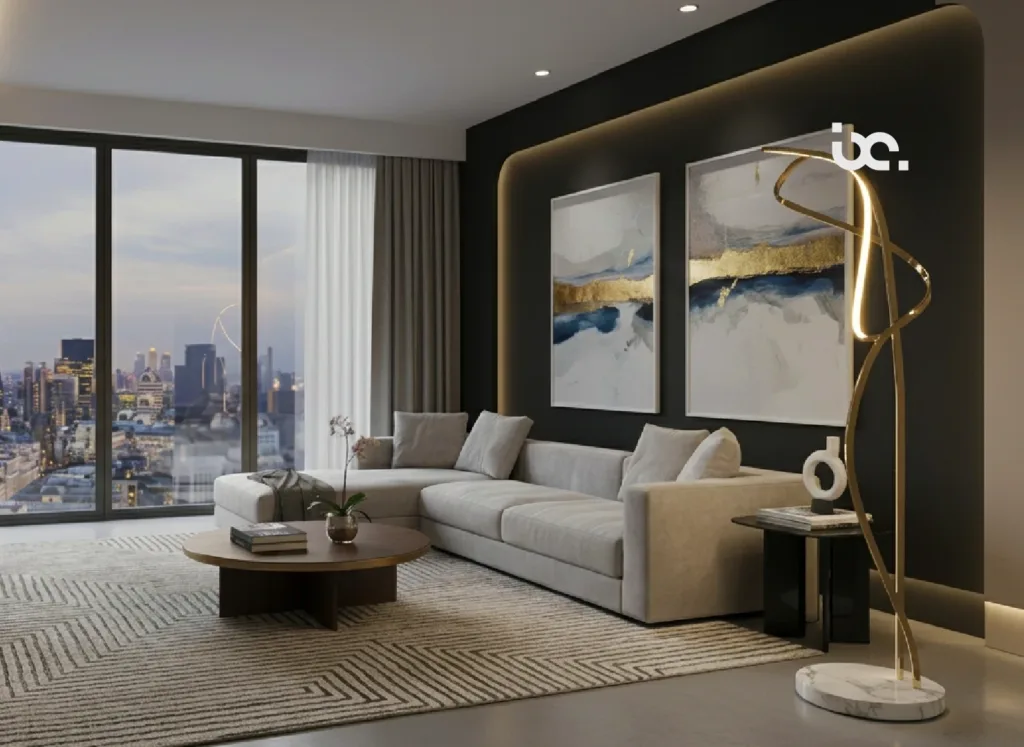
A home should reflect the personality of the people living in it. Handcrafted pieces introduce character, texture, and visual intrigue into interiors.
A sculptural designer floor lamp, for example, can function as both a lighting element and an artistic centerpiece.
These pieces transform spaces from ordinary environments into curated living experiences.
When you choose handcrafted decor, you directly support skilled artisans and craft traditions.
Across India, many craftspeople continue to practice techniques that have been refined over generations. By investing in handcrafted pieces, homeowners help preserve these valuable cultural skills.
Studios like Blackcanvas Studio collaborate with talented artisans to translate complex biomimicry-inspired concepts into tangible works of art.
Luxury interiors are often built around timeless pieces rather than disposable decor.
Handcrafted items tend to age gracefully, gaining character over time rather than losing value.
A carefully crafted lighting installation or luxury designer floor lamp can remain a centerpiece in a home for decades.
Choosing handcrafted decor is often an ethical design decision.
Small-scale production typically reduces environmental impact while supporting local craftsmanship and fair labor practices.
In an era where sustainability is becoming central to design philosophy, handcrafted decor represents a thoughtful and responsible approach to interior styling.
With the increasing popularity of handcrafted aesthetics, some mass-produced products attempt to imitate handcrafted styles. Identifying authentic craftsmanship requires attention to certain details.
Look for subtle variations in texture and finishing, which indicate manual work. Genuine handcrafted pieces rarely have perfectly identical surfaces.
Materials are another important clue. Authentic handcrafted home decor typically uses high-quality natural materials such as solid wood, metal, stone, or artisan glass.
Design complexity can also reveal craftsmanship. Intricate sculptural forms—such as those seen in nature-inspired lighting installations—often require manual fabrication techniques that machines cannot easily replicate.
Finally, authentic handcrafted decor is usually associated with design studios or artisans who openly share their creative process.
Modern interiors thrive when minimalism meets artistic expression. Handcrafted pieces offer the perfect opportunity to introduce statement elements without overwhelming the space.
One of the most effective ways to incorporate handcrafted interior decor is through sculptural lighting. Lighting pieces naturally attract attention and influence the mood of a room.
A thoughtfully designed designer floor lamp can serve as a focal point in living rooms, reading corners, or lounge spaces.
Another approach is to combine handcrafted decor with minimalist furniture. This contrast highlights the artistry of the handcrafted piece while maintaining a clean and modern aesthetic.
Nature-inspired decor is also becoming increasingly popular. Biomimicry-based design—where objects mimic organic forms found in nature—creates visually dynamic interiors that feel harmonious and calming.
Blackcanvas Studio specializes in such designs, crafting lighting sculptures that echo natural structures like flowing branches, organic curves, and fluid geometries.
When Mass-Produced Decor Still Makes Sense
While handcrafted decor offers significant advantages, mass-produced decor still plays a valuable role in interior design.
For everyday functional items, such as storage containers, small accessories, or frequently replaced objects, mass-produced products can be practical and cost-effective.
Large-scale projects may also incorporate mass-produced elements for efficiency while reserving handcrafted pieces for focal points.
Many luxury designers follow this balanced approach—combining handcrafted statement pieces with simpler functional items.
The key lies in understanding where craftsmanship can make the greatest impact.
The debate surrounding Handcrafted vs Mass-Produced Decor ultimately comes down to how we define value in our living spaces.
Mass production offers convenience and affordability, making design accessible to millions. However, handcrafted decor provides something far deeper—individuality, artistry, cultural richness, and sustainability.
In luxury interiors, handcrafted pieces elevate a home beyond functionality. They transform rooms into curated environments filled with meaning and visual intrigue.
Design studios like Blackcanvas Studio are redefining handcrafted decor in India by combining artisan craftsmanship with biomimicry-inspired innovation. Their sculptural lighting pieces and luxury designer floor lamps demonstrate how handcrafted design can merge art, nature, and engineering into extraordinary objects.
As homeowners increasingly seek authenticity and conscious design choices, handcrafted decor is no longer a niche preference—it is becoming the future of meaningful interiors.
Handcrafted decor is considered valuable because it involves skilled craftsmanship, high-quality materials, and individual artistic expression. Each piece carries uniqueness and cultural significance that mass-produced items often lack.
The primary difference lies in the production process. Handcrafted decor is made by artisans using manual techniques, while mass-produced decor is manufactured in factories using automated machinery for large-scale distribution.
Both handmade and handcrafted decor involve human skill, but handcrafted pieces often include more refined techniques and detailed craftsmanship, making them particularly desirable in luxury interiors.
Choosing handcrafted home decor allows you to own unique pieces, support artisans, invest in long-lasting design, and contribute to sustainable production practices.
Absolutely. Many contemporary designers incorporate handcrafted pieces as focal elements within minimalist spaces. Sculptural lighting, artistic furniture, and artisan home decor can beautifully complement modern interiors while adding warmth and individuality.