
No products in the cart.
THE RITUAL OF LIGHT
Bathroom Lighting That Brings Clarity to Every Detail
Bathroom lighting shapes how the first moments of the morning begin and how the day comes to a quieter close. From the clarity required at a mirror to the softer illumination that complements a freestanding bath, the right arrangement balances function with atmosphere. Studio Black Canvas approaches lighting as an integral part of interior design, where form, material and illumination work together to give private spaces a considered identity.
Design consultation available
Distinctive sculptural collections
Pan-India delivery
Considered materials and finishes
THE BATHROOM EDIT
Bathroom Light Fixtures With Refined Character
A bathroom brings together reflective surfaces, tactile finishes and carefully considered proportions. Lighting should complement these elements without creating harsh reflections or uncomfortable brightness. A sculptural pendant outside a wet area, a suitable wall fixture beside a mirror or an architectural ceiling light can each contribute to the room’s overall composition.
15 in stock
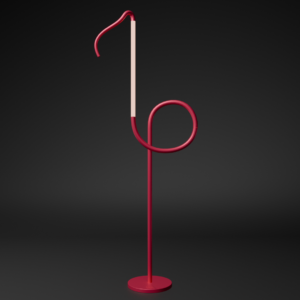
50 in stock
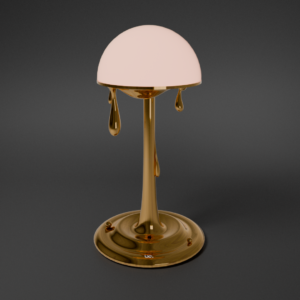
119 in stock
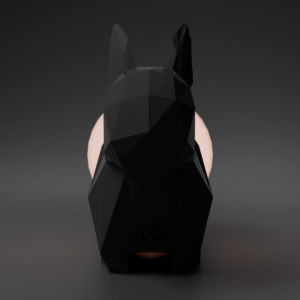
15 in stock
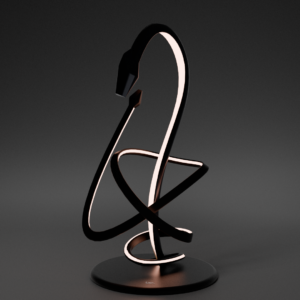
LIGHT, REFLECTION AND FORM
Bathroom Lighting That Works Beyond Appearance
Bathrooms present a distinct lighting challenge. Mirrors can multiply reflections, glossy tiles can produce distracting highlights, and poorly positioned fixtures can cast shadows across the face. A visually striking fitting is only successful when its placement and light output also suit the task.
Start with the activities that take place in the room. Shaving, skincare and applying makeup benefit from balanced illumination around the face. General lighting supports movement and everyday use, while softer supplementary lighting can make a bath or dressing area feel less clinical.
Material selection matters just as much. Polished stone, chrome and clear glass reflect light differently from brushed metal, textured tile and matte surfaces. The lighting plan should respond to these differences rather than treating every finish in the same way.
Moisture protection is essential. Fixtures installed near showers, baths or other wet areas must have suitable ingress protection and comply with applicable electrical requirements. The appropriate rating and installation method depend on the location, local regulations and manufacturer guidance.
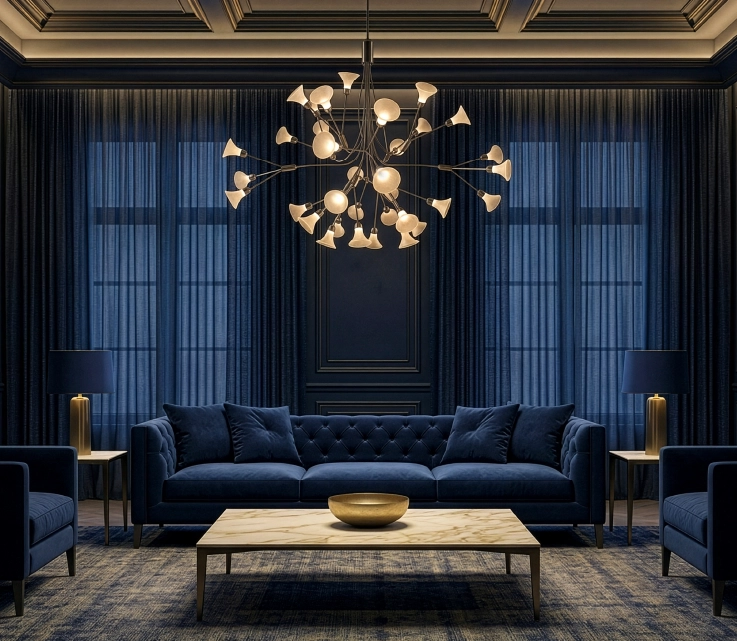
THE LIGHTING PLAN
Bathroom Lights Selected for Every Zone
Vanity Lighting for Everyday Precision
Lighting around a vanity should illuminate the face evenly and minimise strong shadows. Where the layout allows, suitably rated fixtures positioned on both sides of a mirror can help balance facial illumination. A well-designed vertical light integrated with the mirror may also work, provided the source is diffused and does not create uncomfortable glare.
Ceiling Lighting for General Visibility
Ceiling-mounted lights provide overall illumination across the bathroom. Recessed fittings can suit restrained interiors, while surface-mounted fixtures may work where ceiling construction limits recessing. Select products with appropriate moisture ratings for their exact installation positions.
Mirror Lighting for Balanced Reflections
Integrated mirror lighting can create a clean visual line and reduce dependence on a single overhead source. Look for suitable diffusion, adequate illumination and colour rendering that helps skin tones appear natural. Check the mirror’s dimensions, the light output and the manufacturer’s bathroom-use specifications.
Shower and Bath Area Lighting
Lighting near a shower or bath needs particular attention to electrical safety. The permitted fixture type and required ingress protection depend on the installation zone and applicable regulations. Choose products specifically approved for the location and have the installation assessed by a qualified electrician.
Modern Bathroom Light Fixtures for Contemporary Interiors
Modern bathroom light fixtures can introduce sculptural form, discreet geometry or material contrast. The choice should relate to the tapware, mirror, cabinetry and architectural finishes. Design should never override suitability for humid conditions, cleaning requirements or electrical safety
THE BATHROOM EDIT
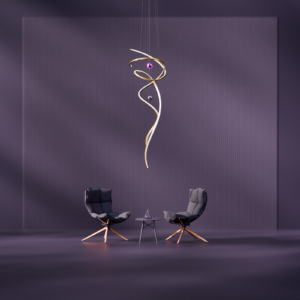
Find a Lighting Style That Complements Your Space


MATERIAL, MOISTURE AND LIGHT
Materials That Define the Bathroom Atmosphere
Glass and Diffused Illumination
Clear glass can reveal the lamp and create visible highlights, while frosted or diffusing materials can soften the appearance of the light source.
Metal Finishes and Reflective Surfaces
Brushed metal can provide a restrained finish, while polished chrome, brass-toned finishes and other reflective surfaces introduce stronger highlights.
Stone, Tile and Surface Texture
Marble, porcelain, textured tile and matte finishes each respond differently to illumination. Grazing light can emphasise surface texture, while a poorly positioned source may exaggerate imperfections or create unwanted reflections.
Colour Temperature and Colour Rendering
Warm-white light can create a relaxed atmosphere, while neutral-white light may suit bathrooms where clearer visual definition is preferred. The choice depends on the materials, daylight, personal preference and tasks performed in the space.
Dimming and Lighting Controls
Dimming can make a bathroom more adaptable, providing stronger illumination for grooming and a softer setting for relaxation. Confirm compatibility between the light source, driver, dimmer and control system.
Moisture Ratings and Electrical Safety
Not every decorative light is suitable for a bathroom. Check the manufacturer's specified ingress protection rating, permitted installation location and any restrictions relating to direct water exposure.
Bathroom lighting interacts constantly with water, reflective finishes and changing levels of humidity.
LIGHT THROUGH THE DAY
A Bathroom Designed Around Daily Rituals
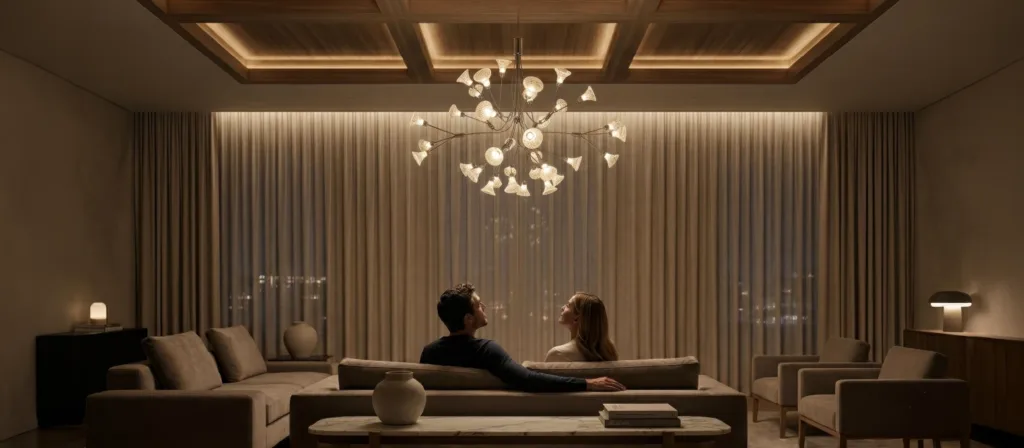
A bathroom has several roles throughout the day. Morning routines require clear visibility, while evening bathing may benefit from a more subdued atmosphere. A layered lighting plan allows the space to respond to both without sacrificing practical use.
The Morning Routine
Prioritise balanced illumination around the mirror and vanity. Avoid relying entirely on a single ceiling light, which may cast shadows across the face. Consider colour rendering and glare control when selecting the light source.
The Evening Wind-Down
Dimmable ambient lighting can create a quieter setting for an evening bath or personal care routine. Ensure that lower light levels still provide sufficient visibility for safe movement around wet floors and changes in floor level.
Compact Bathrooms
Smaller bathrooms benefit from deliberate placement rather than simply adding more fittings. Well-positioned mirror lighting, a suitable general light source and carefully controlled reflections can help the space feel visually balanced.
Luxury Bathrooms and Dressing Suites
Larger bathrooms may combine a vanity, bath, shower and dressing area. Separate lighting controls can help each zone serve its purpose, while consistent colour appearance and coordinated finishes maintain visual continuity throughout the room.
DESIGN IN PRACTICE
Lighting That Respects the Architecture
The Rhythm floor lamp has quietly taken over our living room. Earlier the corner felt empty, now it feels like the natural place to sit after dinner. The light is soft enough for late-night reading but warm enough for evening chai with friends. It doesn’t scream for attention, yet everyone who visits ends up asking about it. Somehow the room feels calmer when that lamp is on.
Rohit S.Mumbai · Rhythm Floor Lamp
We placed the Melted table lamp on our console table, and suddenly the whole entryway felt different. Instead of harsh ceiling lights, you walk into this warm glow that feels welcoming after a long day in Bangalore traffic. The brass finish also reflects the light beautifully. It’s one of those pieces you switch on instinctively every evening.
Ananya K.Bangalore · Melted Table Lamp
The Hop night lamp started as a fun addition to our bedroom but quickly became a favourite. The glow is gentle enough for winding down after work, yet bright enough when you’re looking for a book at midnight. My kids call it the “night rabbit lamp,” and honestly it has made bedtime routines far more peaceful.
Meera P.Pune · Hop Night Lamp
THE FINISHING TOUCH
Buy Bathroom Lights With a
Considered Design Approach
Choosing bathroom lighting requires more than matching a finish to the tapware. Mirror placement, ceiling height, surface reflections, moisture exposure and the room’s intended use all influence the right solution.
Questions
Frequently Asked Questions
1. How do I choose the right bathroom lighting?
Begin with the room layout and the activities performed in each area. Plan balanced mirror lighting, suitable general illumination and supplementary lighting where needed. Then check glare, colour rendering, dimming compatibility and the moisture rating required for each installation position.
2. What bathroom light fixtures work best around a mirror?
Fixtures positioned on either side of a mirror can provide balanced facial illumination when correctly selected and installed. Integrated mirror lighting can also work well. Choose diffused light where possible and verify that the fixtures are rated for the bathroom location.
3. What colour temperature is suitable for bathroom lighting?
Warm-white light can create a relaxed atmosphere, while neutral-white light may help provide clearer visual definition. The choice depends on personal preference, finishes, daylight and grooming requirements. Check colour rendering alongside colour temperature.
4. What IP rating should bathroom lights have?
The required ingress protection rating depends on the fixture’s location, exposure to water and applicable electrical regulations. There is no single rating suitable for every bathroom position. Check the manufacturer’s instructions and have a qualified electrician confirm the appropriate specification.
5. Can I buy bathroom lights online?
Yes, but check more than the appearance and price. Review the dimensions, light output, colour temperature, dimming compatibility, moisture rating, installation instructions and warranty terms. For Studio Black Canvas products, confirm bathroom suitability with the studio before purchasing.
6. Are LED lights suitable for bathroom lighting?
LED lights can be suitable for bathroom lighting when selected for the intended installation area. Consider brightness, colour temperature, colour rendering, energy consumption and dimming compatibility. Always verify the fixture’s moisture protection rating before installing it in a bathroom.
7. How can I make a small bathroom look brighter?
Use a balanced combination of general lighting and well-positioned mirror lighting to reduce dark areas. Light-coloured surfaces and diffused illumination can help create a more open appearance. Choose fixtures that suit the room’s dimensions without creating excessive glare.
8. Can decorative lighting be used in a bathroom?
Decorative lighting can add character and complement the bathroom’s materials, finishes and overall design. However, appearance should not take priority over safety. Check the fixture’s suitability for its intended location, moisture protection rating and installation requirements before use.
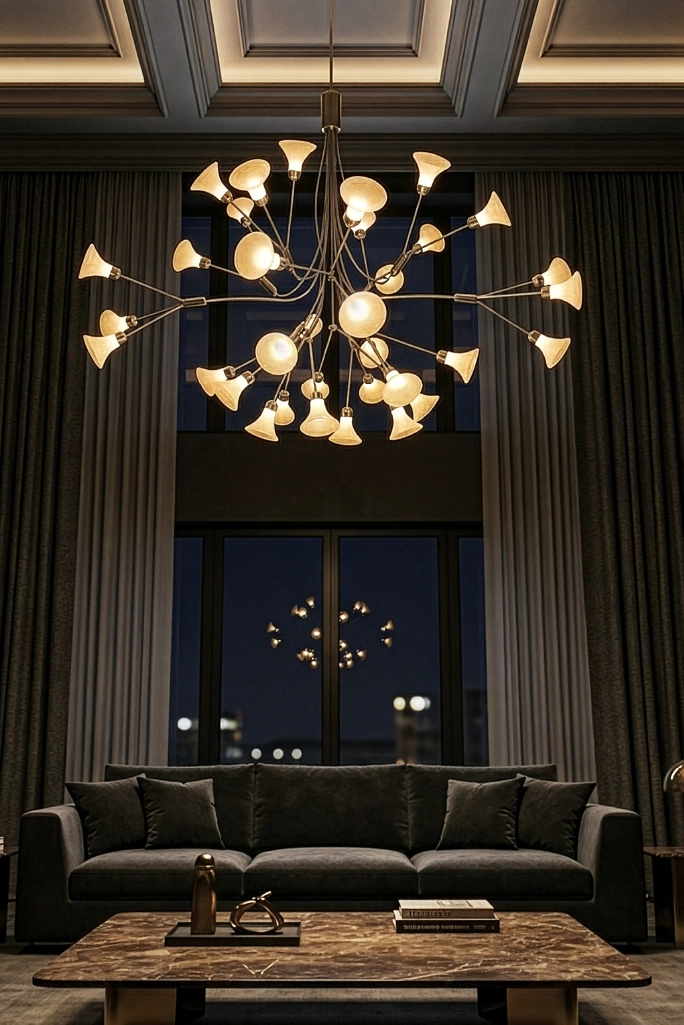
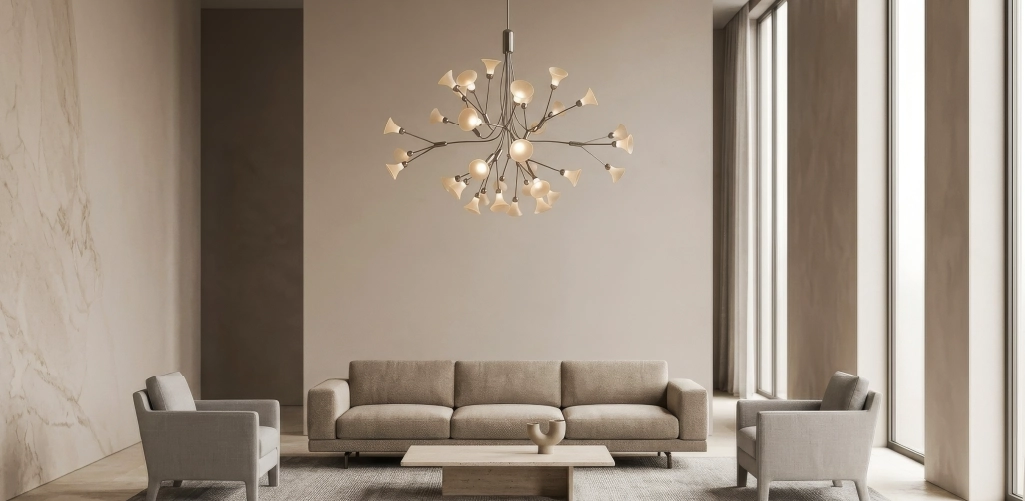
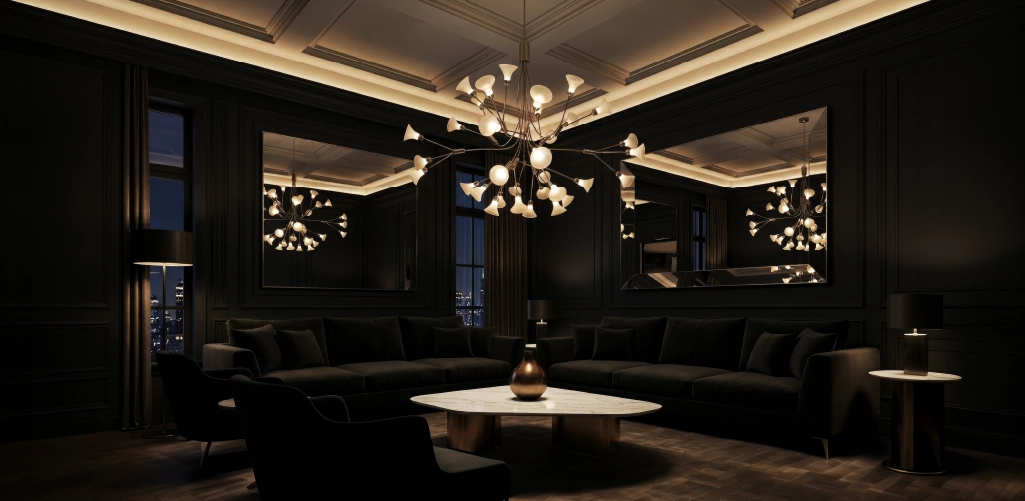
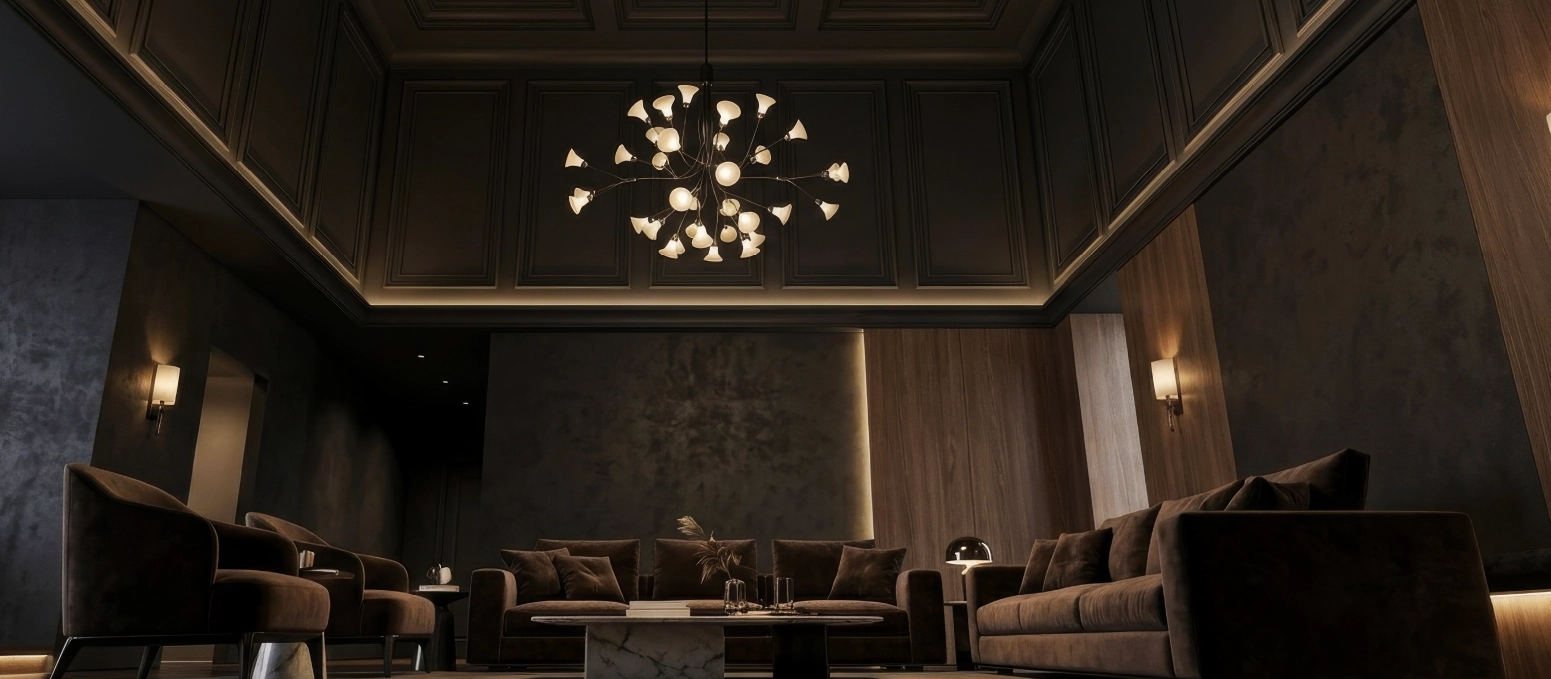
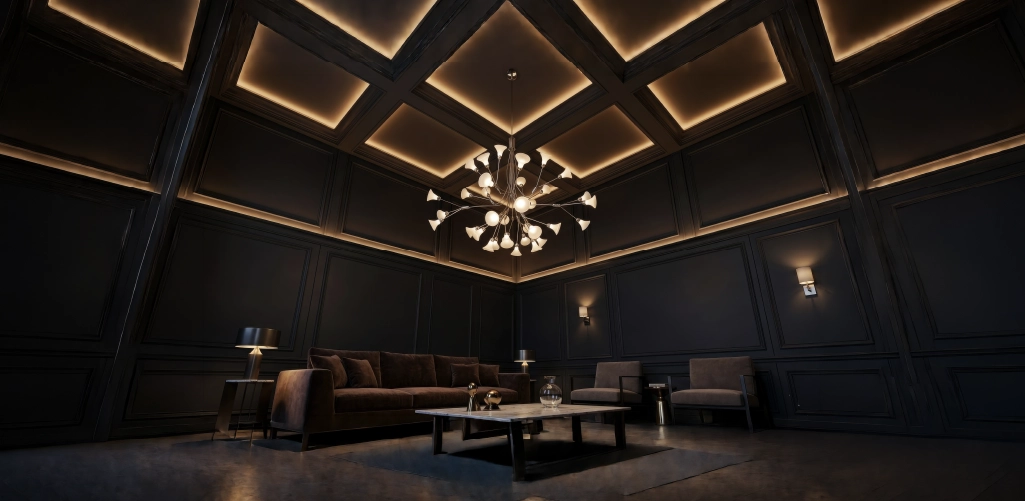
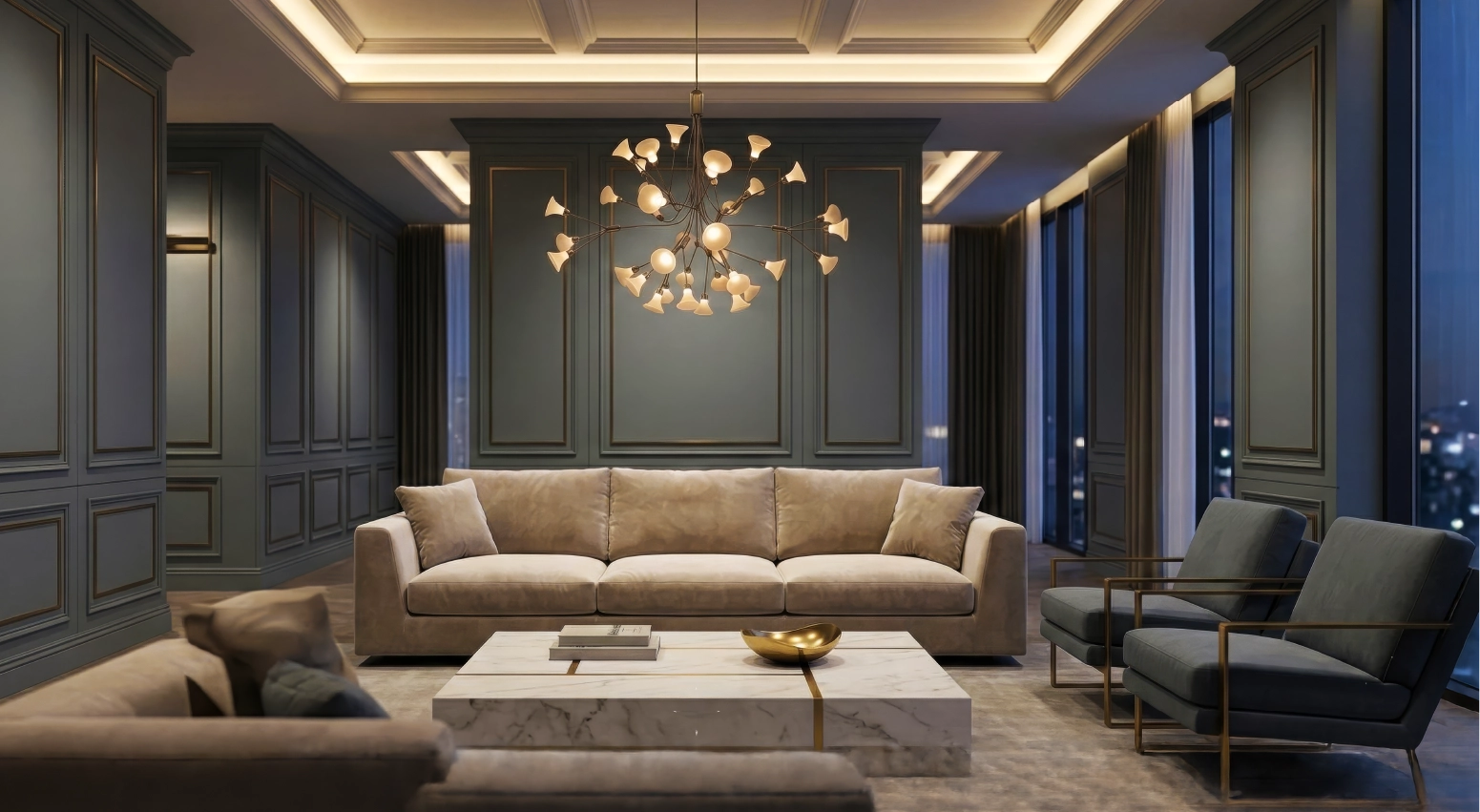
Bathroom lighting quietly transforms the way a space feels and functions. Shadows soften, mirrors become more practical, and overlooked corners find a renewed sense of purpose. The room begins to feel more considered and welcoming, where every detail contributes to a calm, balanced atmosphere without overwhelming the overall design.
Glass diffuses light with softness, while metal adds definition and contrast. Different finishes influence how illumination reflects across tiles, mirrors and bathroom surfaces. The result goes beyond brightness, creating a subtle interplay of materials and light that shapes the mood of the space throughout the day.
Thoughtfully planned bathroom lighting brings comfort to everyday routines. Gentle illumination can create a relaxing atmosphere in the evening, while well-positioned mirror lighting supports morning grooming. When each fixture complements the architecture and serves a clear purpose, the bathroom feels more harmonious, functional and refined.