
No products in the cart.
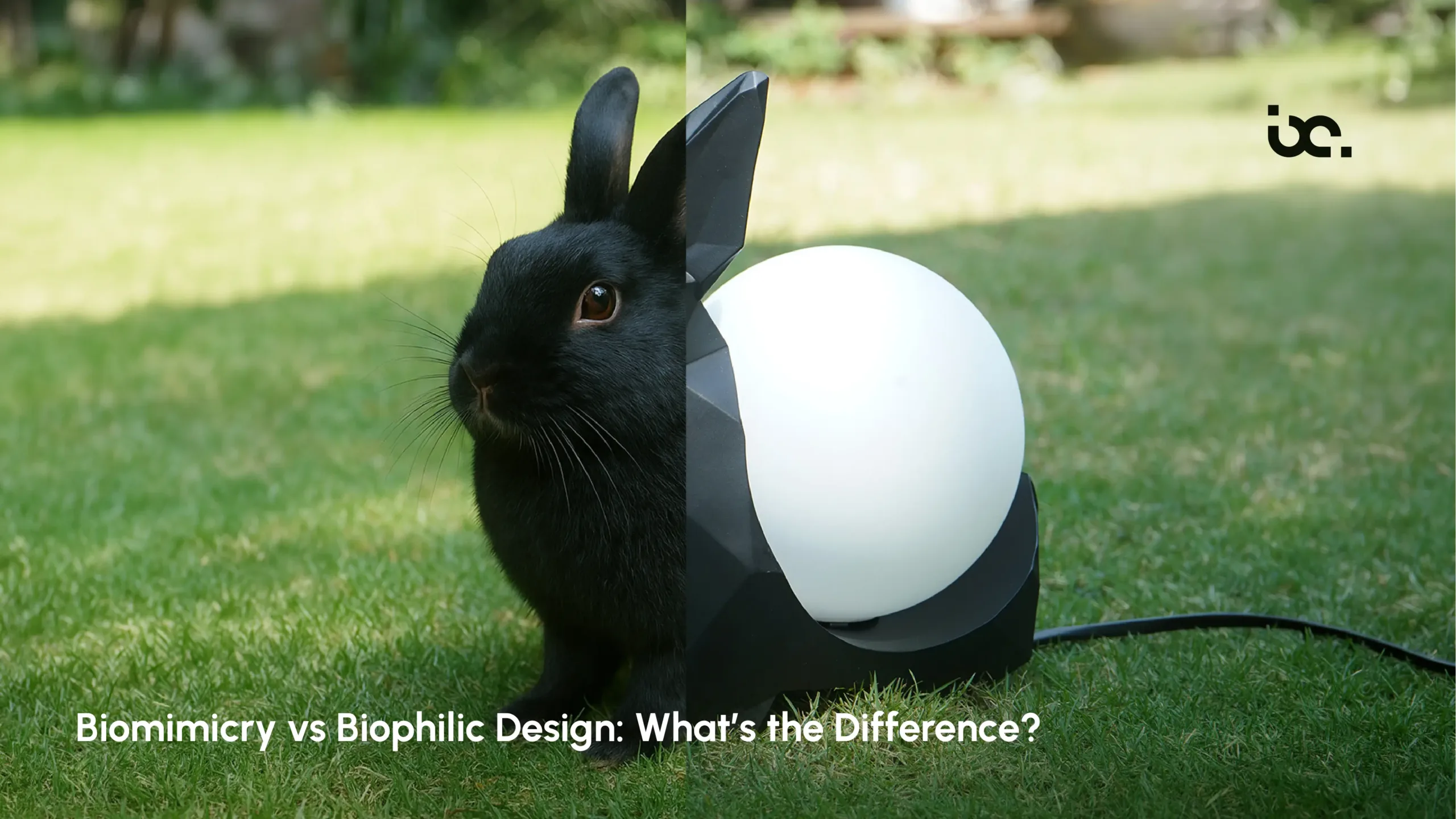
Biomimicry vs Biophilic Design: What’s the Difference?

Understanding Biophilic Design
Biomimicry vs Biophilic Design is rooted in the concept of biophilia, a term popularized by biologist Edward O. Wilson. The theory suggests that humans possess an innate tendency to connect with nature and other living systems.
In practical terms, biophilic design aims to strengthen this connection by incorporating natural elements into built environments.
Common examples include:
- Indoor plants and green walls
- Natural daylight
- Water features
- Organic textures and materials
- Nature-inspired colors
- Views of landscapes
- Natural ventilation
The goal is simple yet profound: create spaces that improve wellbeing, reduce stress, and enhance productivity by reconnecting people with the natural world.
Many luxury hotels, wellness retreats, corporate offices, and residences now integrate biophilic design principles to provide occupants with a sense of calm and restoration.
Imagine entering a penthouse where sunlight floods through expansive windows, natural stone surfaces echo the textures of a mountain landscape, and carefully curated greenery softens every corner. The experience feels deeply comforting because it mirrors environments humans have evolved within for thousands of years.
Biophilic design enhances emotional wellbeing by making nature visible, tangible, and experiential.
What Is Biomimicry?
While biophilic design asks, “How can we bring nature into a space?”, biomimicry asks a very different question:
“How would nature solve this problem?”
Biomimicry is a design methodology that studies nature’s strategies, systems, and processes to create innovative solutions for human challenges.
Rather than copying nature’s appearance, biomimicry learns from nature’s functionality.
For example:
- Lotus leaves inspired self-cleaning surfaces.
- Termite mounds inspired passive cooling systems.
- Spider silk inspired high-strength materials.
- Honeycomb structures inspired lightweight architectural frameworks.
In the context of biomimicry in interior design, designers observe how ecosystems regulate temperature, optimize resources, adapt to changing conditions, and create resilience. These biological strategies then inform the design process.
A biomimetic interior may not necessarily contain visible greenery. Yet it could perform more efficiently, consume less energy, regulate comfort naturally, and adapt intelligently to human needs.
This distinction is critical when discussing Biomimicry vs Biophilic Design.
One focuses on emotional connection with nature.
The other focuses on learning from nature’s genius.
The Core Difference Between Biomimicry and Biophilic Design
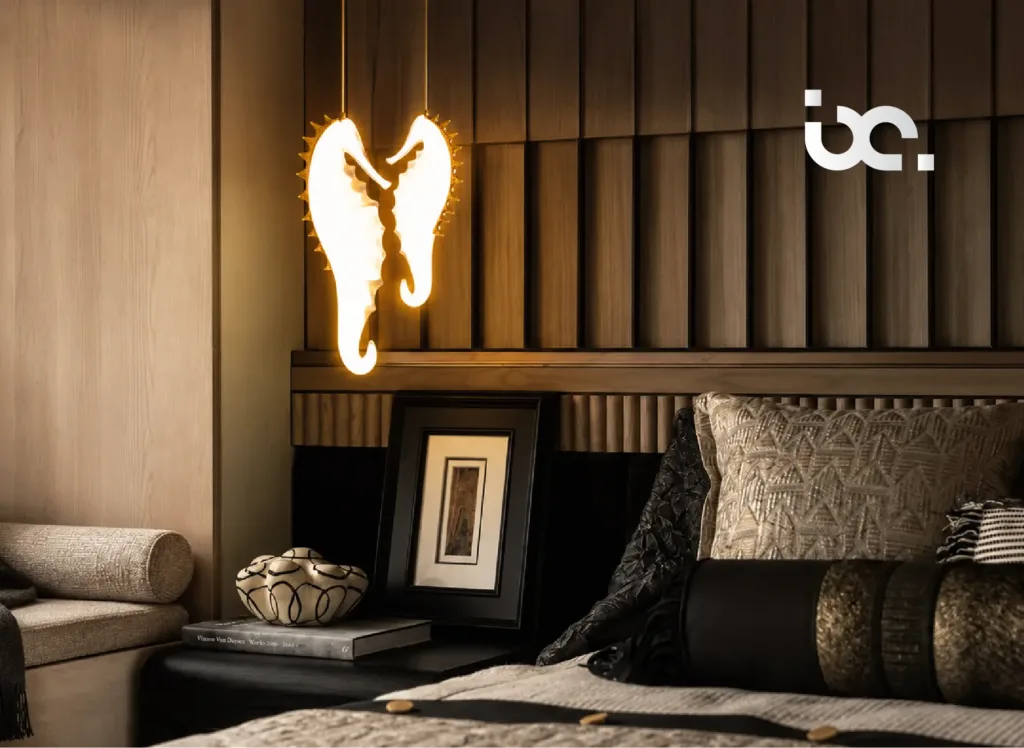
Biophilic Design Creates a Connection
Biophilic design aims to nurture the psychological and physiological relationship between humans and nature.
Its success is often measured by:
- Occupant wellbeing
- Reduced stress
- Enhanced productivity
- Improved mood
- Better cognitive performance
Nature is introduced into the space to create a positive human experience.
Biomimicry Creates Solutions
Biomimicry focuses on solving design challenges through nature-inspired strategies.
Its success is often measured by:
- Resource efficiency
- Sustainability
- Adaptability
- Performance optimization
- Environmental impact reduction
Nature becomes a mentor rather than a decorative element.
This is the central distinction in the discussion of Biomimicry vs Biophilic Design.
How Nature Is Used Differently
In Biophilic Design
Nature is present.
Examples include:
- Living plants
- Natural light
- Water elements
- Organic materials
- Landscape views
The emphasis is on sensory experience.
In Biomimicry
Nature is studied.
Examples include:
- Ventilation systems inspired by termite colonies
- Acoustic solutions inspired by forest ecosystems
- Structural forms inspired by bones
- Surface technologies inspired by lotus leaves
The emphasis is on functionality.
This distinction makes Biomimicry vs Biophilic Design one of the most fascinating discussions in contemporary design practice.
Why Biophilic Design Became Popular
The modern built environment often separates people from nature.
Urban living has led to:
- Increased screen exposure
- Reduced outdoor experiences
- Artificial lighting dependency
- Stress-heavy lifestyles
As a result, designers began incorporating biophilic design principles to improve occupant wellbeing.
Research consistently suggests that exposure to natural elements can:
- Lower blood pressure
- Reduce anxiety
- Improve concentration
- Support mental health
- Increase workplace productivity
This explains why biophilic design has become a hallmark of luxury hospitality and premium residential design.
The appeal is immediate and intuitive.
People feel better when they are surrounded by nature.
Why Biomimicry Represents the Future
While biophilic design addresses human wellbeing, biomimicry addresses a much larger challenge.
How can we create buildings and interiors that function as efficiently as natural ecosystems?
Nature has spent approximately 3.8 billion years refining solutions through evolution.
Every organism alive today represents a successful design strategy.
Biomimicry allows designers to access this immense repository of knowledge.
For instance, natural ecosystems:
- Operate without waste
- Use energy efficiently
- Adapt continuously
- Maintain balance
- Regenerate resources
By studying these systems, designers can create environments that perform better while consuming fewer resources.
This is why biomimicry in interior design is increasingly recognized as one of the most promising approaches within sustainable interior design.
Biomimicry vs Biophilic Design in Interior Spaces
Residential Interiors
A biophilic home may feature: Indoor gardens Skylights Natural materials Organic forms A biomimetic home may incorporate: Passive cooling systems Adaptive shading strategies Resource-efficient layouts Climate-responsive materials One creates a connection to nature. The other learns from nature’s intelligence.
Workplace Design
Biophilic offices often include: Green walls Nature-inspired artwork Daylight optimization Indoor plants Biomimetic workplaces may use: Ventilation systems inspired by natural airflow Acoustic solutions inspired by forest ecosystems Spatial layouts modeled after biological networks
The Role of Sustainability
The conversation around sustainable interior design often overlaps with both biomimicry and biophilic design.
However, sustainability outcomes differ.
Biophilic design can contribute to sustainability through:
- Natural lighting
- Improved indoor air quality
- Reduced artificial resource dependency
Biomimicry pushes sustainability further by fundamentally rethinking how systems operate.
Instead of minimizing harm, biomimicry seeks to create regenerative solutions.
Nature does not produce waste.
Nature recycles resources continuously.
Nature operates through collaboration rather than extraction.
These lessons can transform the future of design.
The Rise of Biomimetic Architecture
The architectural world is increasingly embracing biomimetic architecture as environmental challenges become more urgent.
Around the globe, designers are studying:
- Desert organisms for cooling solutions
- Forest ecosystems for resource management
- Coral structures for resilient construction
- Bird wings for aerodynamic innovations
These principles are influencing both buildings and interiors.
Luxury spaces are no longer judged solely by aesthetics.
Today, performance, sustainability, adaptability, and environmental intelligence have become equally important.
This is where Biomimicry vs Biophilic Design becomes especially relevant.
While biophilic environments may look natural, biomimetic environments are designed to behave more like nature itself.
Can Biomimicry and Biophilic Design Work Together?
Absolutely.
In fact, the most advanced projects often combine both approaches.
Imagine a residence that includes:
- Abundant natural daylight
- Indoor greenery
- Natural materials
- Adaptive climate systems inspired by termite mounds
- Water management inspired by forest ecosystems
The result is an environment that not only feels connected to nature but also functions according to nature’s principles.
This represents the next evolution of luxury design.
Rather than choosing between Biomimicry vs Biophilic Design, designers can leverage the strengths of both methodologies.
Biophilic design enhances human experience.
Biomimicry enhances system performance.
Together, they create truly transformative environments.
Why BlackCanvas Studio Champions Biomimicry
As India’s first dedicated biomimicry-focused design studio, BlackCanvas Studio believes that the future of design lies beyond aesthetics.
The studio’s philosophy recognizes that nature is not merely a source of visual inspiration it is the most accomplished designer on Earth.
Every ecosystem demonstrates:
- Efficiency
- Adaptability
- Resilience
- Sustainability
- Regeneration
By studying these principles, BlackCanvas Studio creates sophisticated environments that merge luxury with intelligence.
The studio’s approach to biomimicry in interior design explores how biological systems can inspire innovative spatial solutions while maintaining exceptional elegance and refinement.
Rather than simply creating nature inspired interiors, BlackCanvas Studio seeks to create interiors that think, adapt, and perform like natural systems.
This distinction defines the future of design innovation.
Which Approach Is Right for Your Project?
The answer depends on your goals. If your priority is:
Wellness
Emotional comfort
Natural aesthetics
Human connection
Biophilic design may provide the ideal framework. If your priority is:
Innovation
Performance
Resource efficiency
Regenerative thinking
Biomimicry may offer greater long-term value.
For truly exceptional spaces, combining both approaches often delivers the most powerful outcome.
The future of luxury design is no longer about choosing between beauty and sustainability.
It is about creating environments that embody both.
That is precisely why the conversation around Biomimicry vs Biophilic Design has become one of the most important discussions shaping contemporary architecture and interior design.
Conclusion
The distinction between Biomimicry vs Biophilic Design is subtle yet significant. While biophilic design strengthens our emotional and sensory connection with nature, biomimicry studies nature’s systems to solve complex design challenges.
One invites nature into our spaces.
The other invites nature’s wisdom into our thinking.
As environmental responsibility becomes increasingly central to modern design, both approaches offer valuable pathways toward healthier and more sustainable environments. However, biomimicry presents an especially exciting frontier because it encourages designers to move beyond imitation and embrace innovation inspired by billions of years of evolutionary intelligence.
At BlackCanvas Studio, this philosophy guides every project. By blending elegance, sustainability, and biological intelligence, the studio is redefining what luxury design can achieve. The future of design is not simply green. It is regenerative, adaptive, and deeply informed by the brilliance of the natural world.
FAQs
1. What is the main difference between Biomimicry and Biophilic Design?
The primary difference is that biophilic design focuses on connecting people with nature through natural elements, while biomimicry studies nature’s systems and processes to develop innovative design solutions.
2. Is biomimicry more sustainable than biophilic design?
Both can support sustainability, but biomimicry often goes further by creating systems inspired by natural ecosystems that improve efficiency, adaptability, and resource management.
3. How is biomimicry used in interior design?
Biomimicry in interior design involves studying natural processes and applying them to challenges such as ventilation, lighting, material selection, spatial planning, and thermal comfort.
4. What are the key biophilic design principles?
Major biophilic design principles include natural light, vegetation, water features, organic materials, natural ventilation, and visual connections to landscapes and ecosystems.
5. Can a project combine biomimicry and biophilic design?
Yes. Many leading designers integrate both approaches to create nature inspired interiors that not only look and feel connected to nature but also function according to nature’s highly efficient systems.