
No products in the cart.
THE ART OF DINING
Dining Room Lighting That Sets the Scene
Dining room lighting does more than illuminate a table. It influences how food is presented, how faces are seen, and how a room feels when guests settle in for the evening. At Studio Black Canvas, sculptural forms and considered illumination bring a distinctive design perspective to dining spaces, from intimate residential settings to expansive hospitality interiors.
Free design consultation
Limited edition pieces
Pan-India delivery
Premium materials & finishes
THE DINING EDIT
Dining Room Light Fixtures With Sculptural Presence
A dining table establishes the room’s centre. The light above it gives that centre definition. From expressive pendants to sculptural chandeliers, the right fixture can complement the table’s proportions, reinforce the interior’s material palette and create a more considered dining experience.
15 in stock
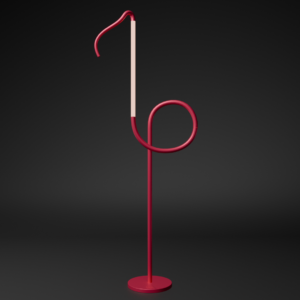
50 in stock
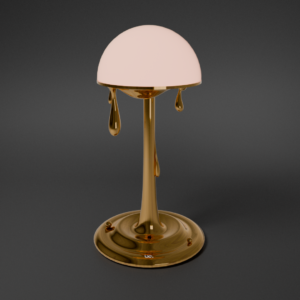
119 in stock
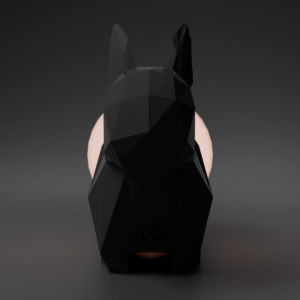
15 in stock
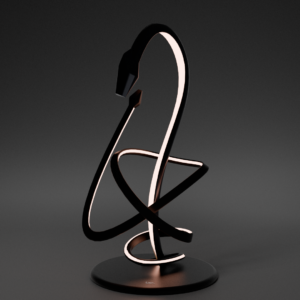
BEYOND THE TABLE
The Right Dining Room Lighting Changes the Experience
A beautifully furnished dining room can still feel unfinished when the lighting is poorly considered. A fixture that is too small may disappear above a generous table; one that is oversized may compete with the architecture. Light that is excessively bright or directly visible can distract from the meal rather than enhance it.
A more thoughtful approach begins with the way the room is used. Family dinners, formal entertaining, everyday breakfasts and restaurant service have different lighting requirements.
Layered illumination helps accommodate those differences. General lighting provides overall visibility, focused light serves the table, and carefully positioned accent lighting can draw attention to artwork, textured walls or architectural details.
THE LIGHTING COMPOSITION
Dining Lights Selected Around the Space
Dining Lights Selected Around the Space
Pendant lighting creates a clear visual relationship between the table and the ceiling. A single pendant can suit a compact dining area, while a linear fitting or a carefully composed group may work better above a long table. The fixture should relate to the table’s dimensions and leave enough clearance for comfortable sightlines.
Chandeliers for Formal Dining Rooms
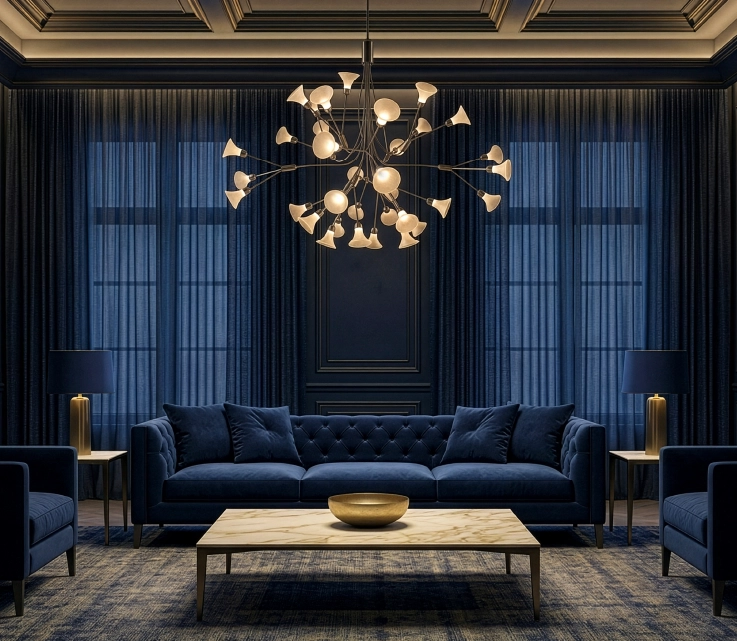
Chandeliers can introduce architectural presence into a formal dining room, particularly where ceiling height and surrounding furniture allow their form to breathe. Consider the fixture from seated and standing viewpoints, and ensure that its scale complements rather than overwhelms the table.
Wall Lights for Ambient Support
Wall-mounted fixtures can soften the perimeter of a dining room and reduce dependence on a single overhead source. They are particularly useful when highlighting artwork, adding light to alcoves or creating a more balanced evening atmosphere. Their position should prevent direct glare and unwanted reflections.
Recessed Lighting for General Illumination
Recessed downlights provide unobtrusive ambient or task illumination when properly positioned. They should complement the decorative fixture rather than form a competing grid of bright points directly above diners. Beam angle, spacing, ceiling height and dimming all affect the result.
Modern Dining Room Light Fixtures for Contemporary Interiors
Contemporary dining rooms can benefit from fixtures with restrained geometry, organic silhouettes or distinctive material contrasts. Choose a design that responds to the table, chairs, ceiling and surrounding finishes. A sculptural fixture is most effective when it has enough visual space to be appreciated.
THE DINING ROOM EDIT
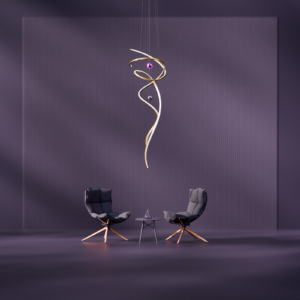
Find the Form That Fits Your Dining Space


MATERIAL, FORM AND LIGHT
Materials That Shape the Dining Atmosphere
Glass and Light Transmission
Clear, frosted and textured glass produce different visual effects. Transparent glass may reveal the light source, while diffusing glass can soften its appearance. The result depends on the glass treatment, fixture construction and source used.
Metal and Reflected Light
Metal finishes introduce definition and contrast. Polished surfaces can produce brighter reflections, while brushed or matte finishes tend to appear more restrained. Consider how the finish relates to cutlery, table bases, hardware and other reflective elements in the room.
Stone and Tactile Surfaces
Stone brings visual weight and natural variation to a dining interior. When paired with lighting, its veining and texture may become more noticeable. Position light sources carefully to avoid reflections or shadows that detract from the intended finish.
Organic Forms and Sculptural Silhouettes
Nature-inspired design can give a dining space a distinctive visual identity. Curves, branching shapes and asymmetrical compositions introduce movement, particularly in interiors with simple architectural lines. The fixture’s scale and suspension should remain appropriate to the table and ceiling.
Colour Temperature and Colour Rendering
Warm-white light is often chosen for intimate dining settings, but the appropriate specification depends on the room’s finishes, daylight, desired mood and the light source. Colour-rendering performance also matters: a high-quality source helps food, fabrics and skin tones appear closer to their intended colours.
Dimming and Lighting Control
Dimming can make a dining room more adaptable, shifting from brighter everyday illumination to a quieter setting for entertaining. Confirm that the lamp, driver, dimmer and control system are compatible; not every LED fixture supports every dimming method.
A dining fixture is experienced in two ways: as an object and through the light it produces.
LIGHT THROUGH THE DAY
A Dining Room Designed for More Than Dinner
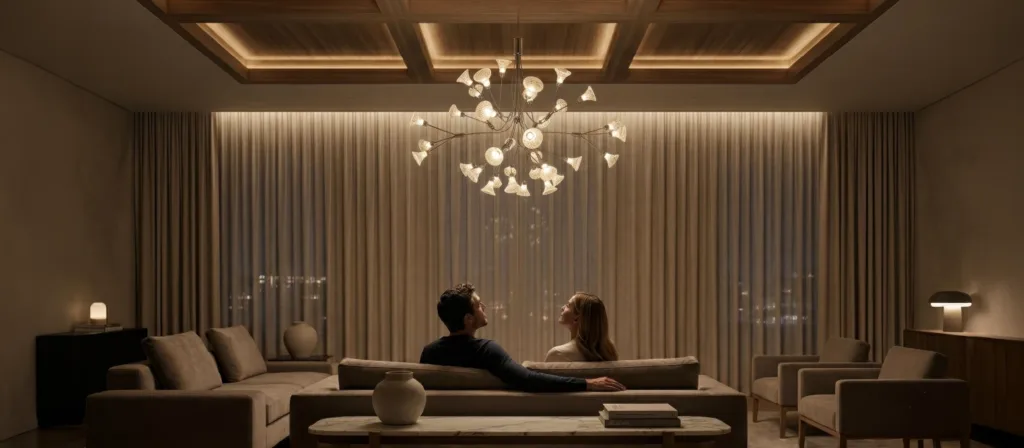
Dining rooms change character throughout the day. Morning daylight may dominate breakfast, while evening meals depend more heavily on artificial illumination. A considered lighting plan responds to those changes without requiring the room to be redesigned for every occasion.
The Everyday Table
For daily use, prioritise clear visibility across the table and nearby circulation routes. Supplementary lighting can help balance daylight and reduce harsh contrasts, especially in open-plan layouts.
The Evening Setting
Lower, controlled ambient light can make a dining area feel more intimate. A dimmable decorative fixture can provide a focal point, while secondary lighting maintains enough visibility for serving and conversation.
Open-Plan Dining Areas
Where dining and living spaces share a room, lighting can define each zone without physical partitions. A pendant above the table establishes a visual boundary, while compatible lighting elsewhere maintains continuity across the larger space.
Dining Rooms for Entertaining
For formal dinners and gatherings, consider how light reaches faces, food, artwork and table settings. Avoid exposed bright sources within seated sightlines, and check for glare on glassware, polished tabletops and glossy wall finishes.
DESIGN IN PRACTICE
Lighting That Belongs to the Interior
The Rhythm floor lamp has quietly taken over our living room. Earlier the corner felt empty, now it feels like the natural place to sit after dinner. The light is soft enough for late-night reading but warm enough for evening chai with friends. It doesn’t scream for attention, yet everyone who visits ends up asking about it. Somehow the room feels calmer when that lamp is on.
Rohit S.Mumbai · Rhythm Floor Lamp
We placed the Melted table lamp on our console table, and suddenly the whole entryway felt different. Instead of harsh ceiling lights, you walk into this warm glow that feels welcoming after a long day in Bangalore traffic. The brass finish also reflects the light beautifully. It’s one of those pieces you switch on instinctively every evening.
Ananya K.Bangalore · Melted Table Lamp
The Hop night lamp started as a fun addition to our bedroom but quickly became a favourite. The glow is gentle enough for winding down after work, yet bright enough when you’re looking for a book at midnight. My kids call it the “night rabbit lamp,” and honestly it has made bedtime routines far more peaceful.
Meera P.Pune · Hop Night Lamp
THE FINISHING TOUCH
Buy Dining Room Lighting With a
Clear Design Direction
Choosing dining room lighting begins with understanding the table, the ceiling, the surrounding materials and the atmosphere the space needs to support. A statement fixture may establish the room’s identity, while well-planned supporting light makes the setting comfortable to use.
Questions
Frequently Asked Questions
1. How do I choose the right dining room lighting?
Start with the dining table’s dimensions, ceiling height and how the room is used. Compare pendant lights and chandeliers by their scale, light distribution and appearance from seated viewpoints. Consider dimming, colour temperature and the existing finishes.
2. What type of dining room light fixtures works best above a table?
Pendant lights, linear suspended fixtures and chandeliers can all work well. A long table may suit a linear fixture or balanced arrangement, while a round table may work with a centrally positioned pendant. Check fixture dimensions and installation requirements.
3. What colour temperature is suitable for dining room lighting?
Warm-white light is often suitable for relaxed dining. The right choice depends on the materials, daylight, desired appearance of food and light source. Consider colour rendering alongside colour temperature when selecting the final specification.
4. How high should a dining pendant hang above the table?
A common starting point is approximately 75–90 cm above the tabletop, measured to the bottom of the fixture. Adjust for fixture size, ceiling height, light distribution and seated sightlines, and follow the manufacturer’s installation guidance.
5. Can modern dining room light fixtures be used in restaurants or hospitality spaces?
Yes, provided the fixtures suit the environment and meet electrical, installation and maintenance requirements. Hospitality projects should also consider glare, cleaning, operating hours, dimming controls and the required illumination levels.
6. Are dimmable dining room lights worth choosing?
Dimmable lighting allows the dining area to adapt to different occasions, from everyday meals to evening entertaining. Check that the fixture, LED driver and dimmer are compatible before installation.
7. How do I prevent glare from dining room lights?
Position fixtures to avoid exposing diners to bright light sources within their normal sightlines. Consider diffuser design, suspension height and reflections from polished tables, glassware and glossy finishes. Test the arrangement from seated positions.
8. How can I coordinate dining room lighting with my interior design?
Consider the table shape, furniture proportions, ceiling height and existing materials before choosing a fixture. Sculptural pendants can create a focal point, while restrained designs can complement detailed interiors. Coordinate finishes and light output with the overall design scheme.
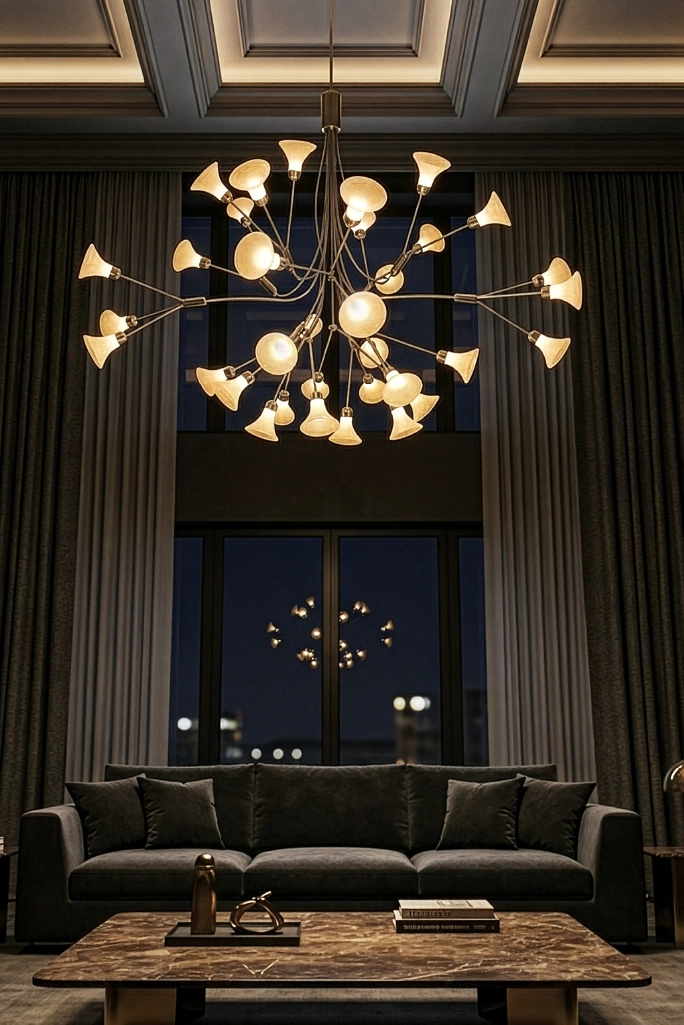
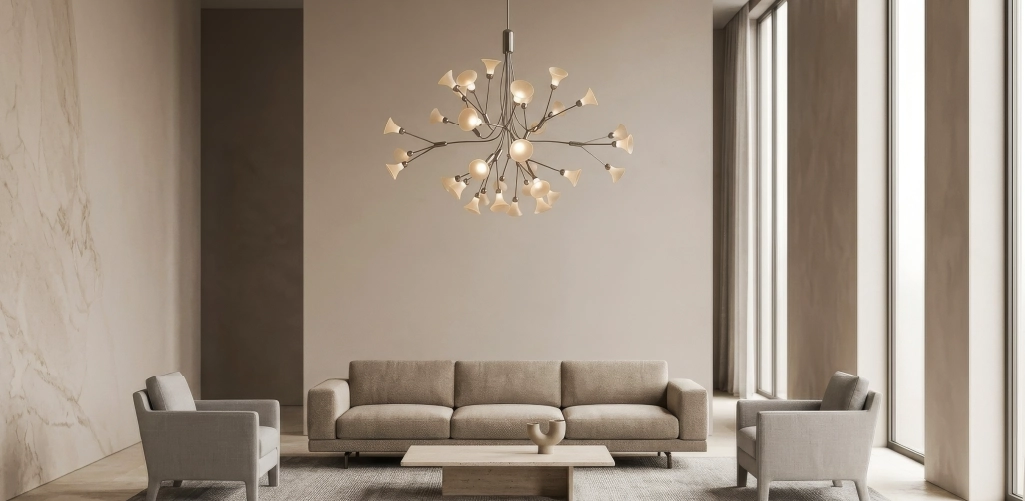
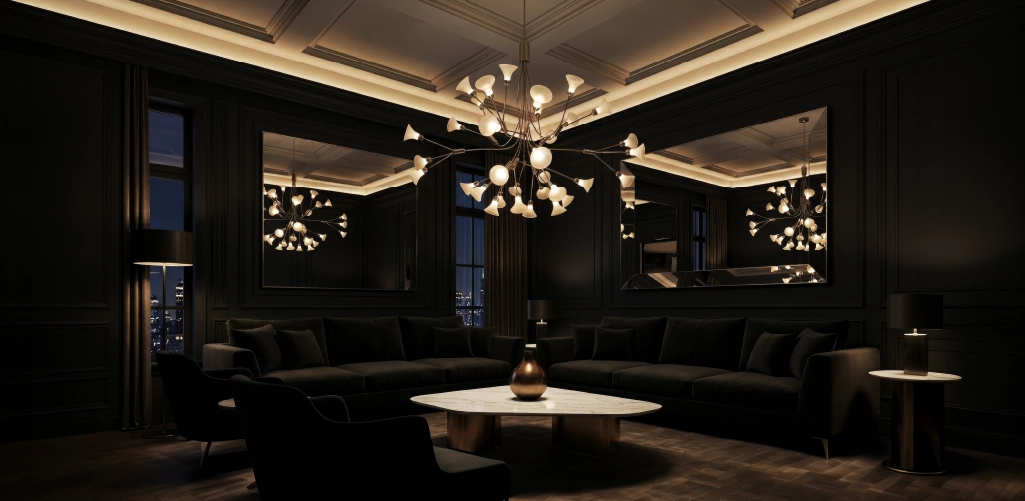
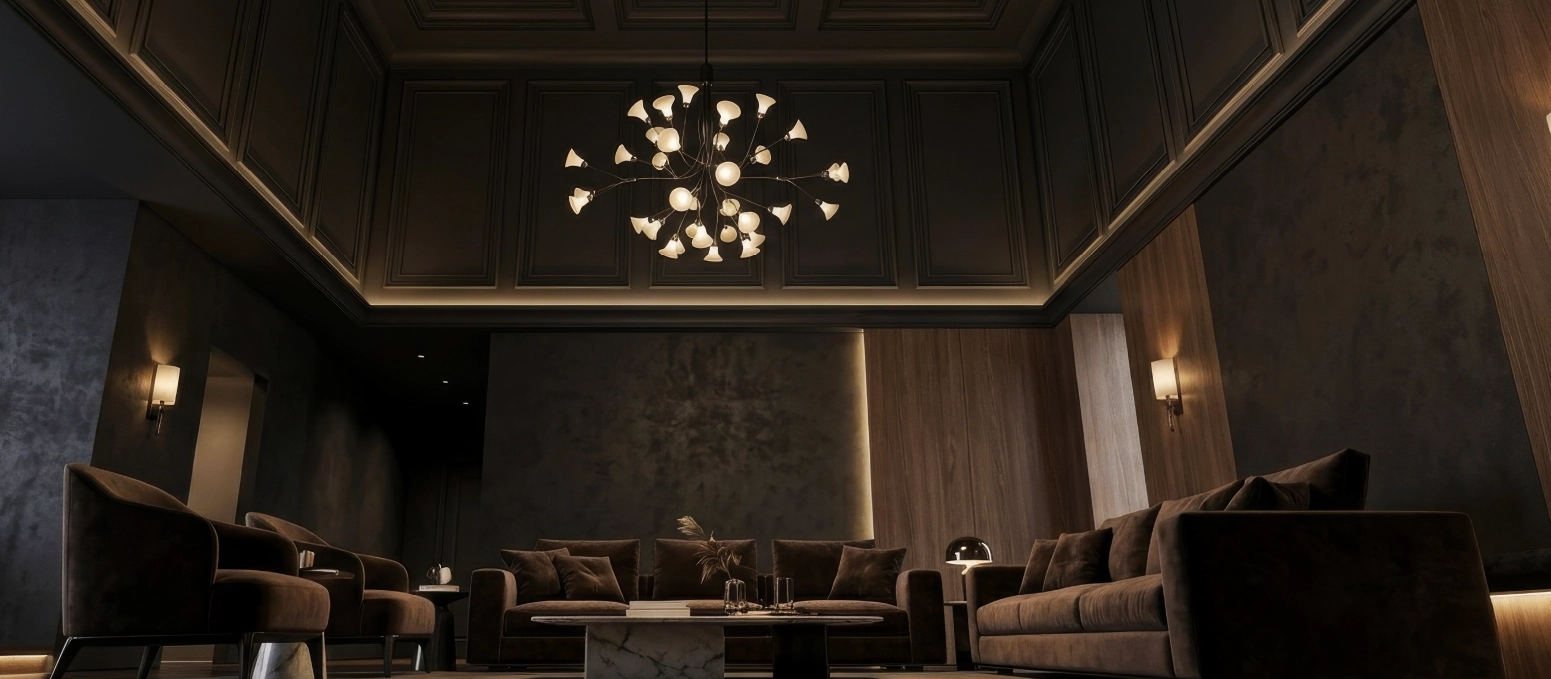
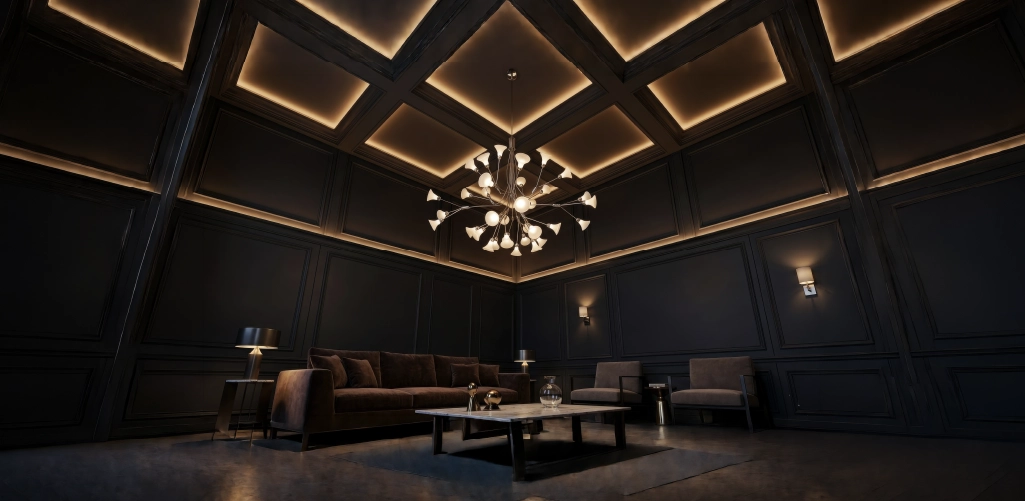
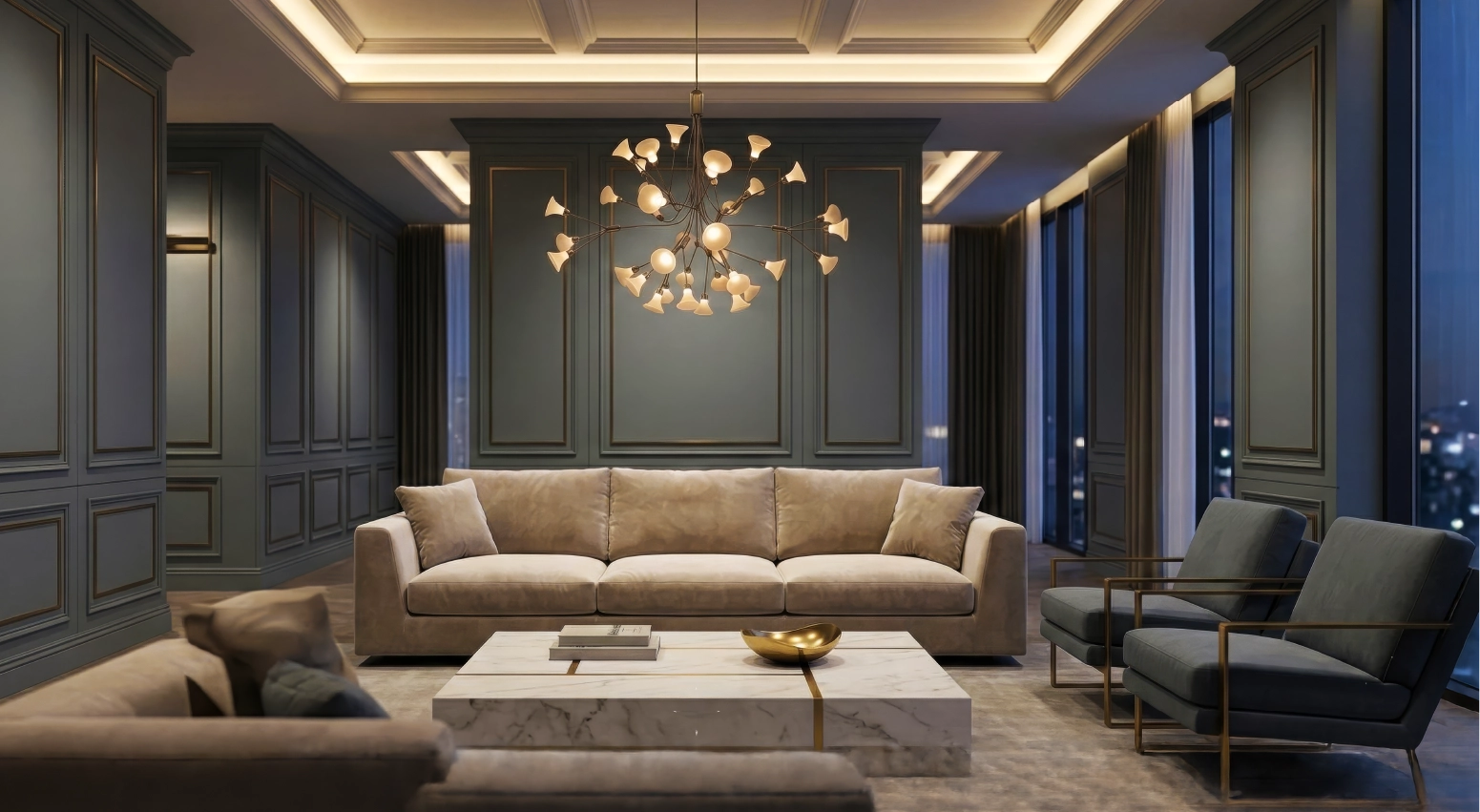
Dining room lighting shapes how a space welcomes people around the table. A carefully positioned pendant creates a natural focal point, while balanced illumination brings clarity to table settings and makes the room feel considered. Every element works together to create a dining space designed for everyday meals and memorable gatherings.
Glass softens the appearance of light, while metal introduces definition and contrast. Sculptural forms interact with dining tables, furniture and architectural finishes, creating visual interest without overwhelming the interior. The result is a setting where materials, proportions and illumination work in harmony.
Thoughtfully planned lighting adapts to the rhythm of dining. Brighter illumination supports everyday meals, while dimmable fixtures can create a more intimate atmosphere for evening gatherings. From contemporary homes to refined hospitality interiors, the right dining room lighting brings character, comfort and a distinct sense of occasion.