
No products in the cart.
Luxury Hospitality Lighting Trends Every Designer Should Know in 2026

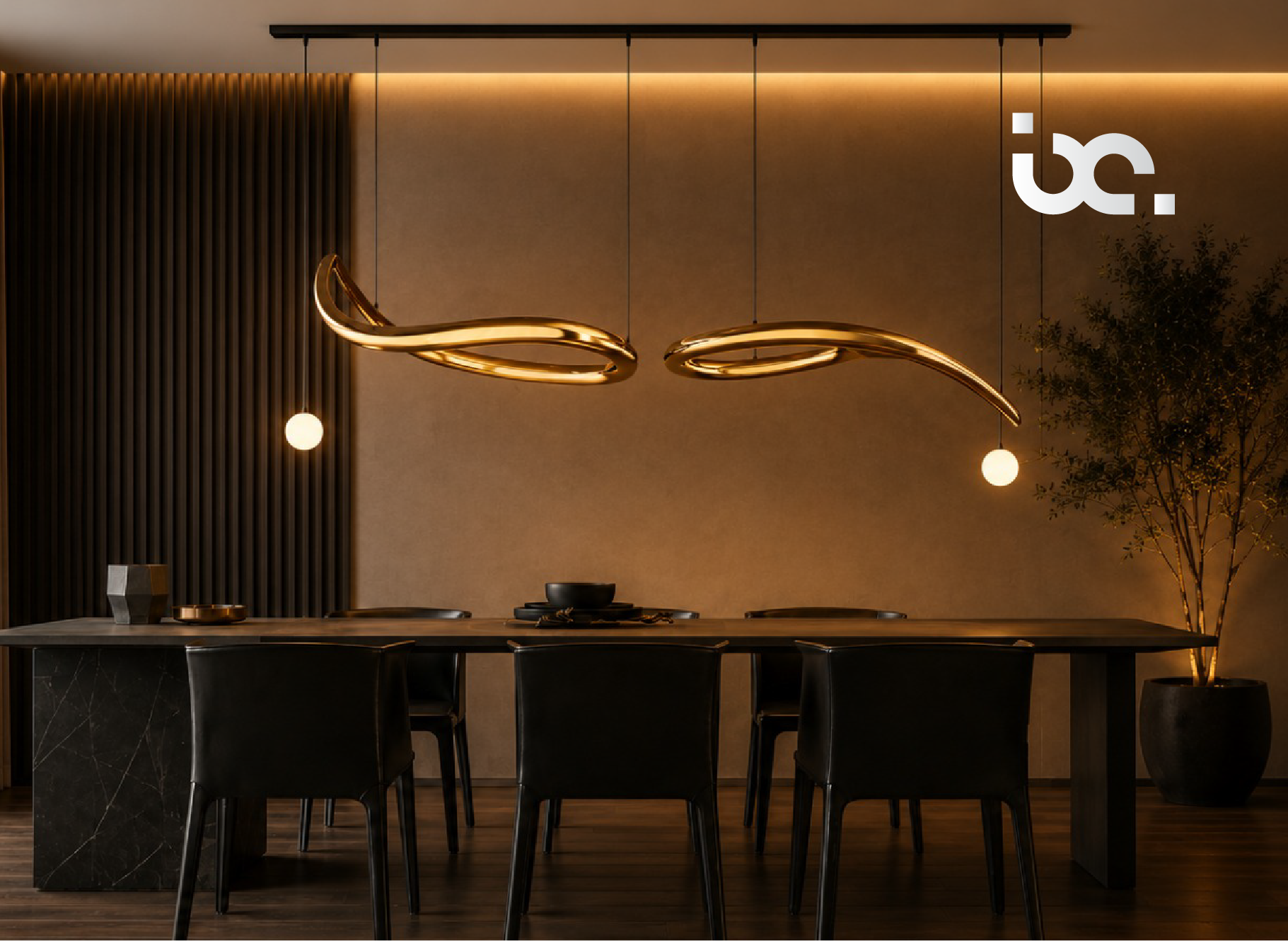
In 2026, luxury hospitality lighting is expected to embrace innovation while remaining deeply connected to timeless aesthetics.
In luxury hospitality, memorable experiences begin long before guests reach their rooms. The first impression is often created by the atmosphere of a grand lobby, the warmth of a lounge, or the inviting glow of a thoughtfully illuminated restaurant.
While architecture and interior decor establish the visual identity of a space, lighting shapes the emotions that guests associate with it. It quietly influences comfort, elegance, and the perception of quality.
As hospitality spaces continue to evolve, hospitality lighting design is becoming more sophisticated than ever. Designers are no longer selecting fixtures solely for illumination. They are creating layered environments that enhance guest well-being, celebrate architectural details, and reinforce brand identity.
From sculptural statement pieces to adaptive lighting technologies, the latest trends reflect a careful balance between beauty, functionality, and sustainability. Understanding these emerging directions enables designers to create environments that remain elegant, welcoming, and unforgettable.
Why Lighting Is Central to Luxury Hospitality
Luxury hospitality is built on experiences rather than transactions. Guests rarely remember the exact wattage of a chandelier or the technical specifications of a pendant light. What they remember is how a space made them feel. Lighting influences mood, comfort, relaxation, and even the perceived value of a property. A thoughtfully illuminated lobby communicates sophistication. A softly lit guest suite encourages rest. A carefully balanced restaurant creates intimacy without sacrificing visibility. This emotional connection explains why hospitality lighting design has become one of the defining elements of premium hospitality interiors.
Hospitality Lighting Is Becoming More Human-Centric
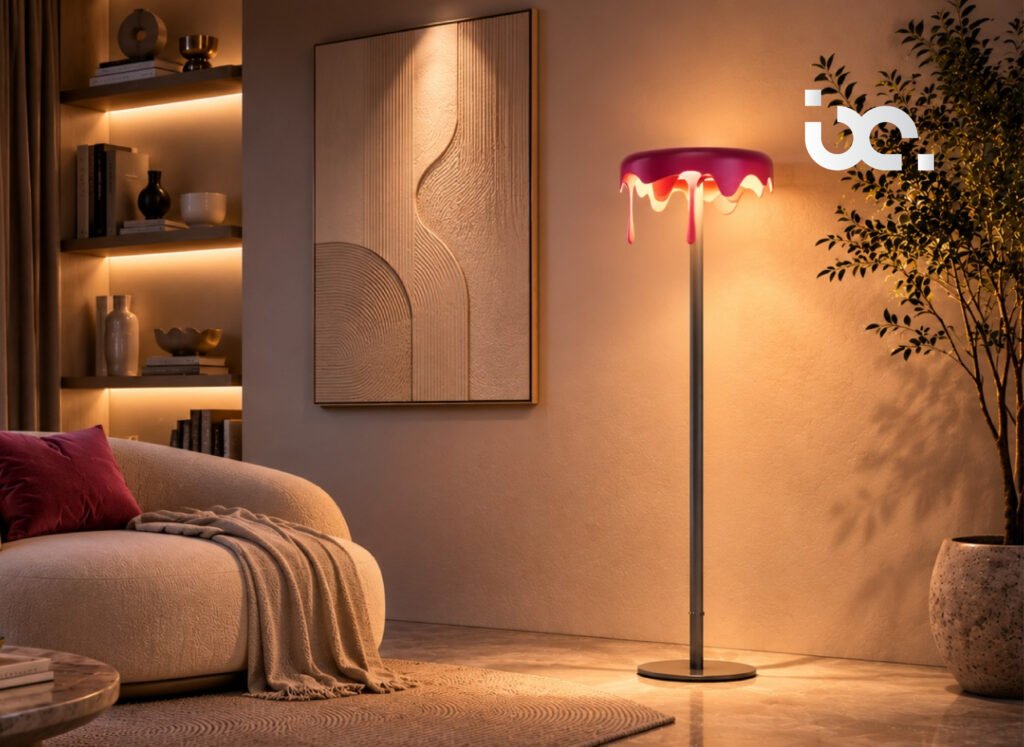
One of the strongest trends shaping luxury hospitality is the focus on human comfort. Designers increasingly recognize that lighting should adapt to people rather than expecting people to adapt to lighting.
Circadian-inspired illumination
Lighting systems now support natural daily rhythms by adjusting brightness and color temperature throughout the day. Morning environments feel fresh and energizing. Evening spaces become warmer and more relaxing.
Guest personalization
Luxury hotels are increasingly offering guests control over room lighting through intuitive digital interfaces. Simple adjustments allow individuals to create atmospheres suited for reading, working, relaxing, or sleeping. Comfort is becoming as important as aesthetics.
Sculptural Lighting Continues to Define Luxury Interiors
Lighting fixtures are no longer viewed as purely functional objects. They have become artistic centerpieces that contribute to the architectural identity of a property. Large-scale chandeliers, organic pendant installations, and geometric compositions continue to dominate luxury interiors.
Statement installations
Grand entrance spaces increasingly feature dramatic lighting designed to establish a memorable visual identity. These installations often become signature design elements shared across social media and promotional materials.
Artistic craftsmanship
Handcrafted materials, refined finishes, and sculptural forms elevate lighting beyond illumination. The fixture itself becomes an expression of design excellence.
Layered Ambient Lighting Creates Depth
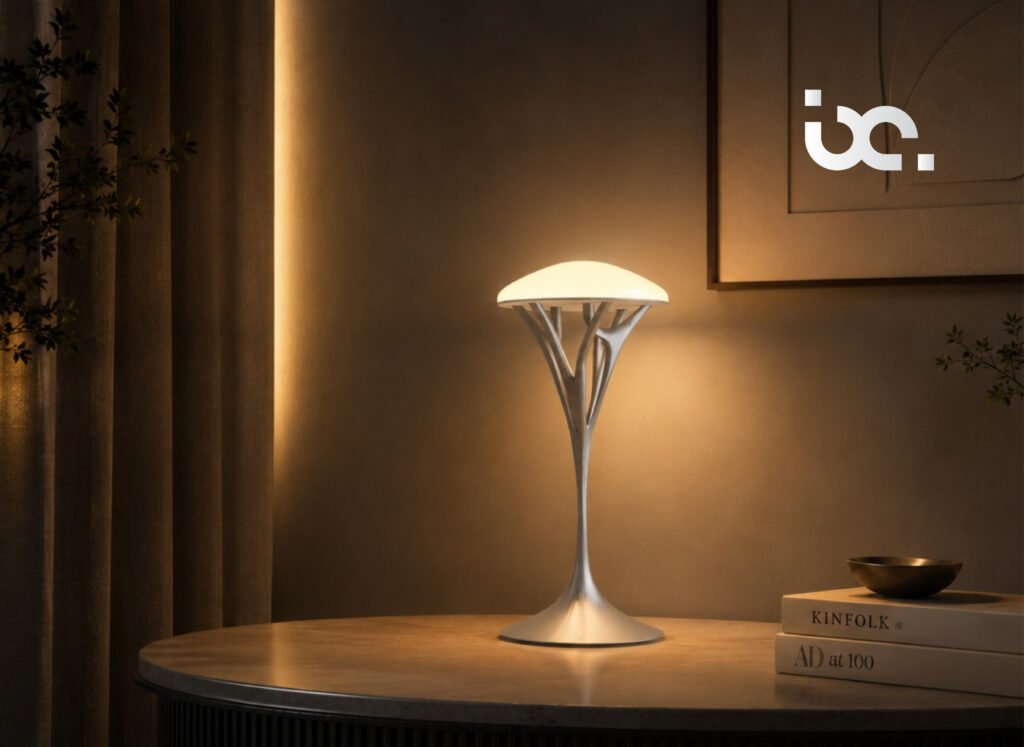
Exceptional hospitality environments rarely rely on one lighting source. Instead, designers combine multiple lighting layers to create richness and flexibility. Thoughtfully planned ambient lighting establishes the foundation of every luxury interior.
Ceiling illumination
Indirect lighting creates comfortable overall brightness without harsh glare.
Accent lighting
Focused illumination highlights artwork, architectural details, and decorative features.
Decorative lighting
Pendant lights, wall sconces, and table lamps contribute both function and visual interest.
This layered approach produces spaces that feel warm, sophisticated, and visually balanced.
Hotel Lighting Trends Focus on Wellness
Among the leading hotel lighting trends in 2026 is the growing relationship between wellness and design.
Luxury hospitality increasingly emphasizes guest health, relaxation, and emotional well-being.
Lighting plays an essential role in achieving these objectives.
Reduced glare
Soft, evenly distributed lighting improves visual comfort throughout guest spaces.
Natural materials
Lighting fixtures incorporating stone, wood, glass, and textured metals create calming visual environments.
Relaxing guest rooms
Warm lighting temperatures support restful evenings while minimizing visual fatigue.
Designers increasingly understand that luxury is experienced through comfort rather than excessive brightness.
Sustainable Commercial Lighting Takes Center Stage
Environmental responsibility continues influencing hospitality design decisions.
Modern commercial lighting solutions now prioritize energy efficiency without compromising elegance.
LED innovation
Advanced LED technology delivers exceptional illumination while reducing energy consumption and maintenance requirements.
Intelligent controls
Motion sensors and automated scheduling improve operational efficiency in both public and private spaces.
Long-lasting fixtures
Durable lighting systems reduce replacement frequency while supporting sustainability objectives.
Luxury and environmental responsibility increasingly complement rather than compete with one another.
Lighting That Strengthens Guest Experience Design
Excellent lighting quietly supports every stage of the guest journey.
Thoughtful guest experience design considers how visitors move through each environment from arrival to departure.
Welcoming entrances
Warm lighting establishes an immediate sense of hospitality.
Comfortable lounges
Balanced illumination encourages conversation while maintaining visual comfort.
Elegant dining
Layered lighting enhances both food presentation and intimate social interaction.
Relaxing guest suites
Adjustable lighting allows guests to personalize their environment according to individual preferences.
When lighting aligns naturally with guest expectations, comfort becomes almost effortless.
Technology Enhances Luxury Without Dominating It
Smart technology continues evolving within hospitality lighting. However, successful luxury design avoids allowing technology to become visually intrusive. Instead, innovation remains discreet.
Automated scene control
Different lighting environments support breakfast service, evening cocktails, conferences, and special events.
Mobile integration
Some luxury properties allow guests to control room lighting through mobile applications.
Invisible technology
Controls become simpler while lighting experiences become more sophisticated. Technology works best when guests notice the atmosphere rather than the system creating it.
Bespoke Lighting Is Defining Brand Identity
Luxury hospitality increasingly values exclusivity. Many premium hotels now commission custom lighting installations designed specifically for their properties. These bespoke creations reinforce architectural identity while distinguishing one property from another. Rather than selecting standard catalog products, designers collaborate with lighting manufacturers to create original installations that reflect the hotel’s personality. Unique lighting contributes significantly to memorable guest experiences and brand recognition.
Material and Finish Trends for 2026
Materials continue shaping how lighting contributes to sophisticated interiors. Current preferences include:
Brushed brass
Warm metallic finishes remain popular for their timeless elegance.
Smoked glass
Soft transparency creates visual depth while diffusing illumination beautifully.
Natural stone accents
Stone introduces texture and understated luxury.
Hand-finished metals
Subtle craftsmanship reinforces authenticity and exclusivity. The emphasis remains on refined materials that age gracefully rather than following temporary design fashions.
Designing Spaces That Remain Timeless
While trends naturally evolve, exceptional hospitality design avoids becoming overly dependent on short-lived aesthetics.
Successful designers balance innovation with enduring principles.
They prioritize:
- Comfortable illumination
- Architectural harmony
- High-quality materials
- Flexible lighting layers
- Elegant craftsmanship
- Guest well-being
These timeless qualities continue to define the world’s most respected luxury hospitality environments regardless of changing trends.
Conclusion
As luxury hospitality continues evolving, hospitality lighting design is becoming increasingly centered on experience, emotion, and refined craftsmanship.
The leading hotel lighting trends of 2026 demonstrate that successful lighting extends far beyond visibility. It enhances wellness, celebrates architecture, supports sustainability, and strengthens brand identity.
From sculptural installations that elevate luxury interiors to carefully layered ambient lighting and intelligent commercial lighting systems, every element contributes to memorable guest experience design. Designers who embrace these principles are creating spaces that feel welcoming, sophisticated, and timeless.
In the end, exceptional hospitality lighting is not about drawing attention to itself. It is about making every guest feel effortlessly comfortable while surrounding them with an atmosphere of quiet elegance. That is the true hallmark of luxury, and it will continue to define hospitality design well beyond 2026.
FAQs
1. Why is hospitality lighting design important in luxury hotels?
It shapes guest experiences, enhances architectural features, creates welcoming atmospheres, and reinforces the property’s overall brand identity.
2. What are the biggest hotel lighting trends for 2026?
Key trends include human-centric lighting, sculptural fixtures, layered illumination, sustainable LED systems, wellness-focused design, and personalized lighting controls.
3. How does ambient lighting improve luxury interiors?
Ambient lighting creates comfortable overall illumination while adding warmth, depth, and visual balance throughout hospitality spaces.
4. Why is commercial lighting important in hospitality projects?
Commercial lighting improves energy efficiency, operational performance, guest comfort, and the long-term functionality of hotels and hospitality environments.
5. How does lighting influence guest experience design?
Lighting affects mood, relaxation, navigation, comfort, and the emotional impression guests develop throughout their stay, making it one of the most influential aspects of hospitality design.