No products in the cart.


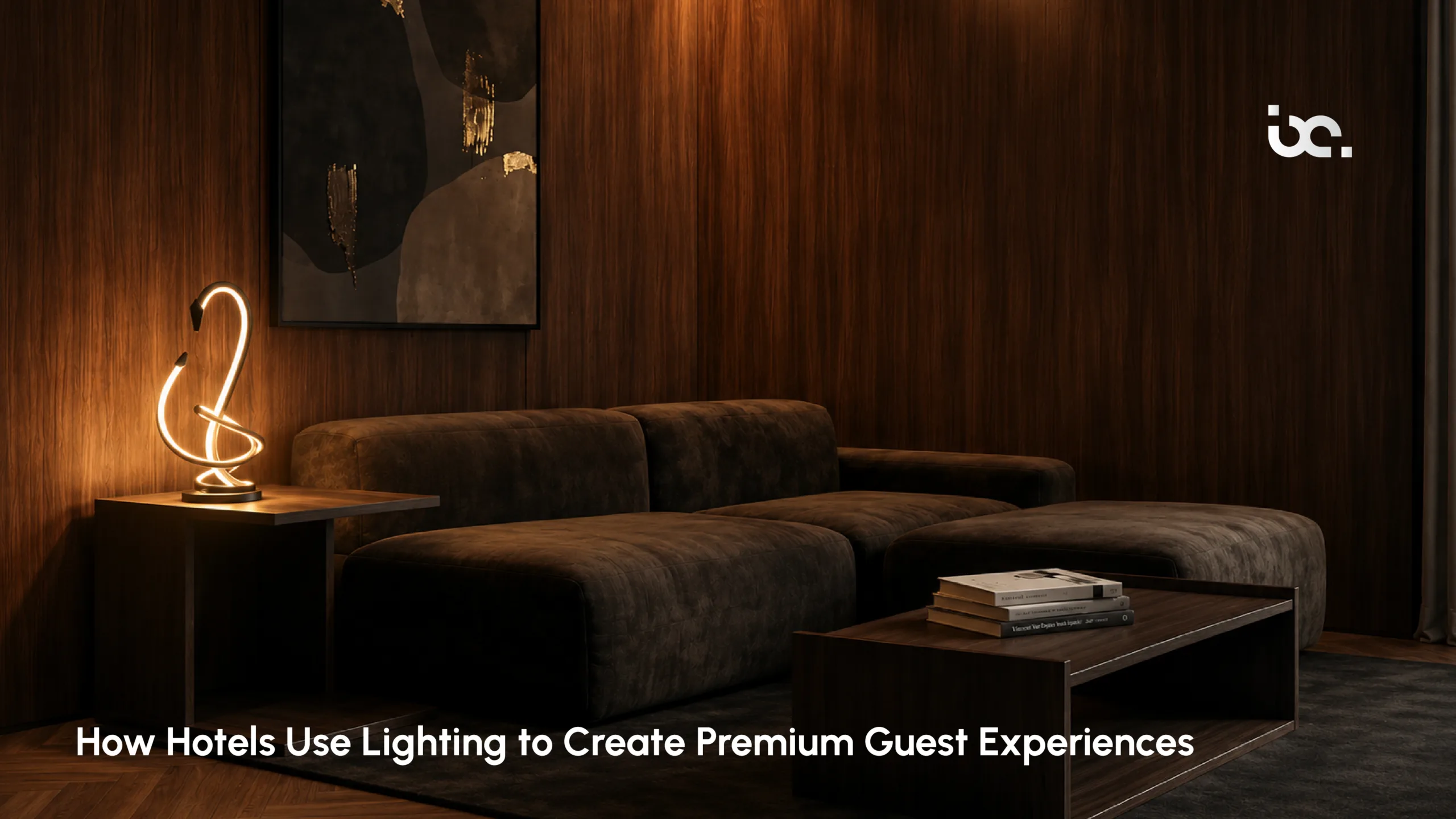
Luxury is rarely announced the moment a guest steps into a hotel. Instead, it reveals itself gradually through carefully considered details. The softness of the lobby, the welcoming glow along a corridor, the warm illumination of a restaurant, or the calming atmosphere inside a suite all work together to create an emotional impression long before the first interaction with hotel staff.
Among these details, lighting remains one of the most influential yet often overlooked elements. It shapes perception, guides movement, enhances architecture, and quietly influences how guests feel throughout their stay. A thoughtfully illuminated space does far more than improve visibility. It creates atmosphere, communicates brand identity, and transforms ordinary spaces into memorable experiences.
This is why hotel lighting design has become a defining feature of modern hospitality. Luxury hotels around the world now approach lighting as an integral part of guest experience rather than a purely functional requirement.
From grand entrances to intimate guestrooms, every lighting decision contributes to comfort, elegance, and lasting impressions. Understanding how this process works reveals why exceptional hospitality begins long before room service arrives.
Guests may remember comfortable beds and excellent cuisine, but they also remember how a place made them feel.
Lighting influences those emotions almost immediately.
Soft illumination encourages relaxation.
Balanced brightness creates comfort.
Thoughtfully highlighted architectural features communicate refinement.
Collectively, these elements strengthen both guest satisfaction and brand perception.
This explains why hospitality lighting design receives significant attention during hotel planning and renovation projects.
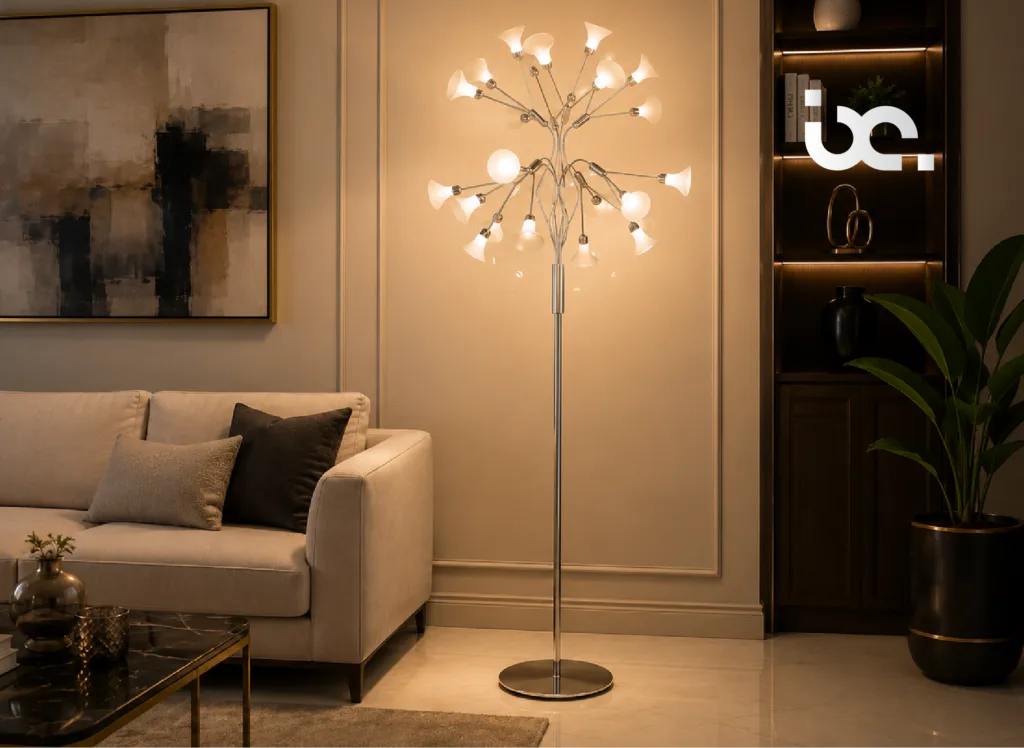
Lighting affects more than appearance.
It also shapes mood, behaviour, and perception.
Warm lighting often creates feelings of relaxation and welcome.
Cooler lighting may encourage alertness in workspaces or conference facilities.
Luxury hotels carefully adjust lighting according to the purpose of each space.
Guests may never consciously notice these transitions, yet they experience them throughout their stay.
Lighting also functions as subtle wayfinding.
Guests instinctively follow illuminated pathways, entrances, reception desks, and circulation areas without requiring excessive signage.
Well-designed lighting quietly leads rather than instructs.
Exceptional lighting rarely calls attention to itself.
Instead, it allows architecture, interiors, and hospitality to become the focus.
First impressions influence expectations.
The arrival experience therefore deserves exceptional attention.
Exterior lighting establishes character before guests even enter the building.
Elegant façades, illuminated landscapes, and carefully lit entrances communicate confidence and sophistication.
Inside, reception areas continue this experience through balanced illumination that feels welcoming rather than overwhelming.
Every luxury hotel possesses its own personality.
Lighting helps express that identity.
Some properties embrace contemporary minimalism.
Others celebrate timeless grandeur.
Thoughtful hotel lighting design reinforces these visual narratives throughout the property.
Luxury Begins Before Check-In
Guests often form lasting impressions within the first few moments of arrival.
Lighting quietly shapes those impressions.
Every public area serves a different purpose.
Lighting adapts accordingly.
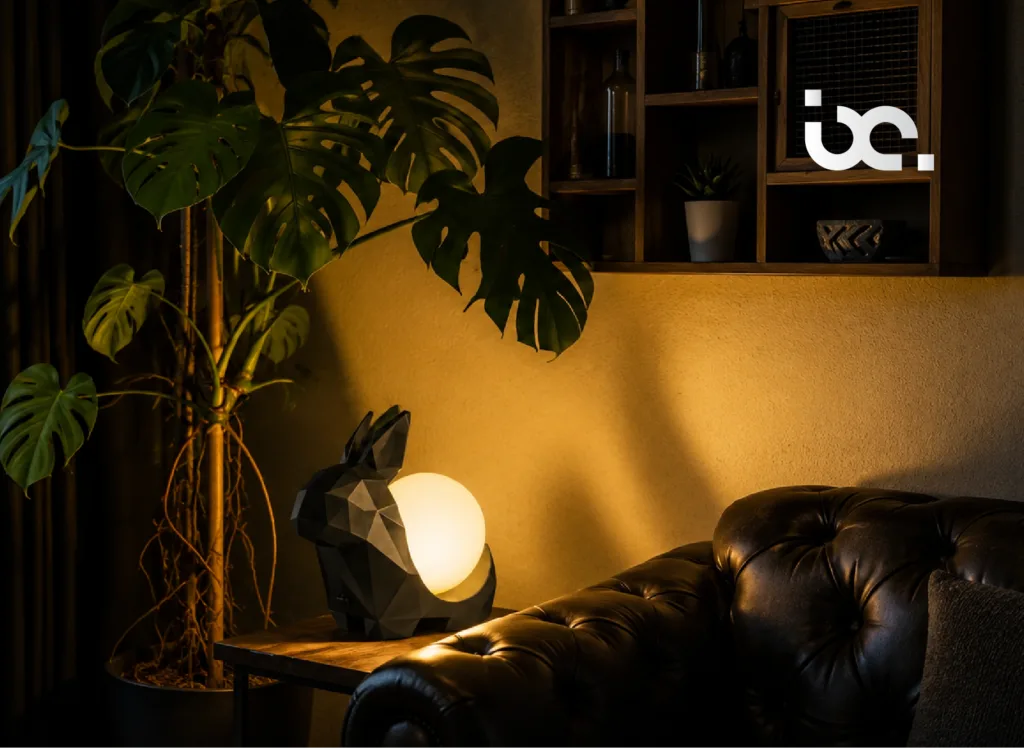
The lobby functions as both a social environment and a transition space. Lighting typically balances architectural emphasis with comfortable ambient illumination. Decorative chandeliers, sculptural pendants, and concealed lighting often work together to create depth and visual interest.
Dining experiences depend heavily on atmosphere. Warm lighting enhances comfort while subtly improving the presentation of food and interior finishes. Lounges frequently feature layered illumination that encourages conversation and relaxation.
Whether guests enjoy afternoon tea or evening cocktails, lighting quietly enhances the overall experience.
Among all lighting layers, ambient illumination forms the foundation.
Ambient lighting in hotels provides overall illumination that allows guests to move comfortably throughout a space without visual strain.
Unlike decorative fixtures alone, ambient lighting establishes the room’s primary atmosphere.
Luxury interiors rarely rely on excessive brightness.
Instead, designers carefully balance illumination to create comfort while highlighting important architectural features.
This layered approach avoids harsh contrasts and produces visually harmonious environments.
Guests often describe a room as peaceful without identifying lighting as the reason.
Thoughtful design creates that impression naturally.
Private accommodation requires greater flexibility than public spaces.
Guestrooms accommodate numerous activities throughout the day.
Lighting therefore serves multiple purposes, including:
Layered lighting allows guests to adjust the environment according to their preferences.
Decorative bedside lamps, concealed ceiling lighting, illuminated wardrobes, and subtle bathroom lighting contribute to both functionality and luxury.
Modern systems increasingly offer dimming controls that enhance personalization.
When guests feel completely comfortable without thinking about why, successful lighting design has achieved its purpose.
Luxury architecture deserves thoughtful presentation.
This is where architectural lighting solutions play an essential role.
Lighting draws attention to:
Rather than overwhelming these elements, carefully directed illumination celebrates their craftsmanship.
Strategic lighting introduces layers throughout interior spaces.
Depth, shadow, and contrast make environments feel richer and more sophisticated.
Flat lighting rarely creates memorable interiors.
Beautiful materials deserve beautiful illumination.
Without appropriate lighting, even exceptional architecture loses much of its visual impact.
Successful luxury hotel interiors rarely rely upon a single lighting source.
Instead, designers combine multiple layers.
These often include: Ambient lighting Accent lighting Decorative lighting Task lighting Architectural lighting Each layer contributes differently while supporting the overall atmosphere.
Luxury hotels maintain a consistent visual language across guestrooms, restaurants, spas, meeting spaces, and public areas. Lighting becomes an invisible thread connecting every guest experience.
Luxury rarely depends upon excess. It depends upon harmony. Thoughtfully layered lighting achieves precisely that.
Today’s hospitality industry increasingly recognises that memorable stays depend on emotional connection rather than decoration alone.
Exceptional hospitality is built through thoughtful attention to detail, and hotel lighting design remains one of its most influential elements.
From welcoming entrances and refined public spaces to luxurious guestrooms and carefully illuminated architectural features, lighting shapes how guests experience every moment of their stay.
Through sophisticated hospitality lighting design, carefully planned ambient lighting in hotels, elegant architectural lighting solutions, and beautifully composed luxury hotel interiors, designers create environments that balance comfort, functionality, and timeless elegance. These lighting strategies enhance every aspect of guest experience design, transforming ordinary spaces into memorable destinations.
As luxury hospitality continues to evolve, lighting will remain far more than a practical necessity. It will continue serving as one of the quietest yet most powerful expressions of exceptional design, proving that true luxury is often experienced not through what is immediately seen, but through how a space makes people feel.
Hotel lighting design creates atmosphere, enhances comfort, highlights architecture, and contributes significantly to the overall guest experience.
Hospitality lighting design involves planning lighting systems that improve functionality, aesthetics, guest comfort, and brand identity across hotels and hospitality spaces.
Ambient lighting provides comfortable overall illumination while establishing a welcoming and relaxing atmosphere throughout the property.
Architectural lighting highlights structural features, artwork, textures, and design details, adding depth and visual sophistication to interior spaces.
Lighting shapes mood, supports different activities, improves navigation, enhances comfort, and helps create memorable experiences that encourage guests to return.
Experience radiant guidance tailored to your unique vision.