No products in the cart.

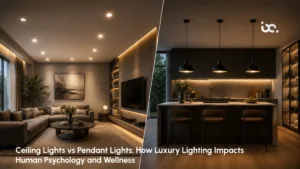
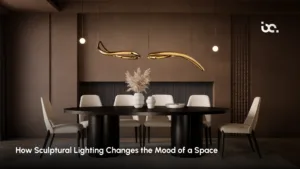
Light affects the human body far beyond vision. It influences hormones, sleep cycles, emotional states, productivity, and even memory.
Neuroscientists and environmental psychologists have long studied the profound connection between illumination and mental wellbeing, giving rise to the evolving field known as the psychology of lighting.
The human brain constantly interprets lighting conditions as signals. Warm, dim lighting often communicates safety, intimacy, and relaxation. Cooler and brighter tones stimulate alertness and concentration. Natural daylight improves serotonin production and regulates circadian rhythms, helping people feel emotionally balanced throughout the day.
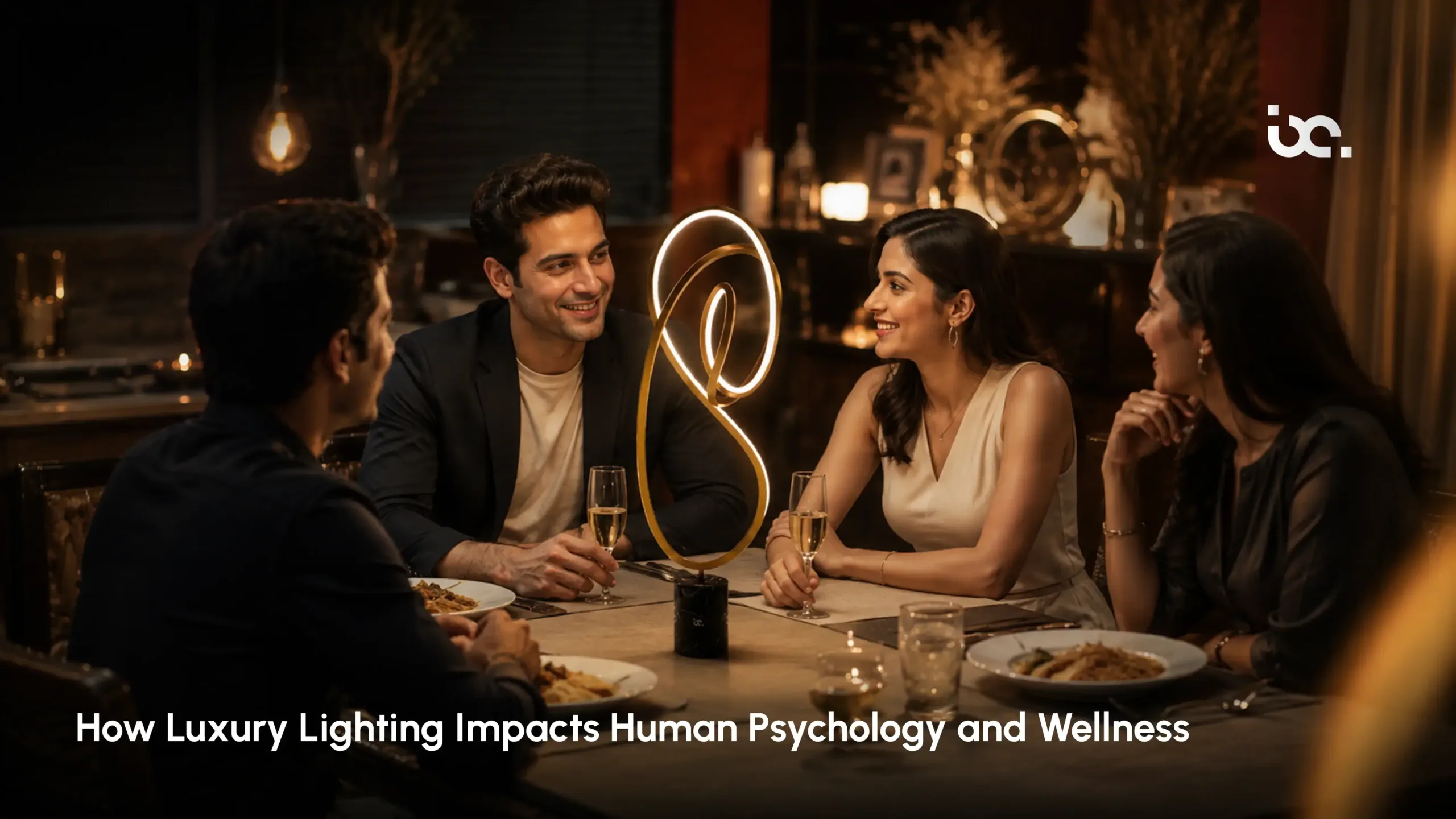
Luxury spaces understand this instinctively. A premium hotel lobby feels calming because its lighting gently layers brightness and shadow. A fine dining restaurant feels intimate because the light flatters skin tones and softens visual noise. A wellness spa feels restorative because illumination mimics the tranquility of natural environments.
In other words, luxury lighting is not about brightness. It is about emotional choreography.
This growing awareness around luxury lighting and wellness is reshaping the future of architecture and interior design, especially in homes where emotional wellbeing has become a central priority.
For thousands of years, humans evolved under natural light conditions. Sunrise energized the body. Sunset prepared it for rest. Shadows, reflections, moonlight, and seasonal changes all contributed to our biological rhythms.
Modern interiors, however, often disconnect people from these natural experiences. Constant artificial brightness, blue-heavy screens, and poorly planned illumination create sensory fatigue. This disconnect is one of the reasons anxiety, sleep disruption, and mental exhaustion are becoming increasingly common in urban environments.
This is where biomimicry-led design changes the narrative.
At BlackCanvas Studio, lighting strategies are deeply inspired by natural ecosystems and organic rhythms. Instead of forcing artificial perfection, the studio designs spaces that emulate the fluidity of daylight, the softness of ambient shadows, and the layered calmness found in nature.
This philosophy aligns closely with modern wellness lighting design, where the objective is not only visual beauty but physiological comfort.
Nature rarely produces harsh uniform lighting. Forests filter sunlight. Water reflects moving patterns. Clouds soften intensity. Biomimicry translates these experiences into interiors that feel emotionally grounding and sensorially balanced.
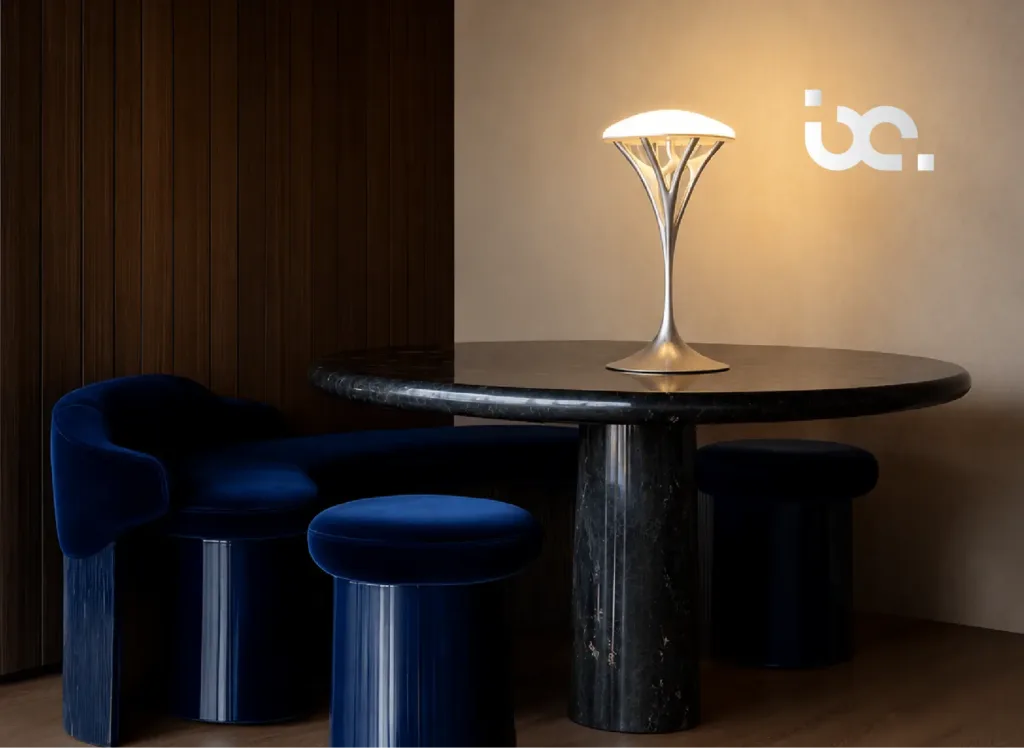
The true magic of premium interiors often lies in what cannot immediately be seen. Luxury is emotional before it becomes visual. This is why the psychology of lighting plays such a crucial role in high-end spaces.
Warm lighting tones, typically between 2700K and 3000K, create feelings of comfort and intimacy. They encourage relaxation, slower breathing, and emotional ease. This is why luxury residences, boutique hotels, and wellness retreats often prioritize warmer ambient illumination.
Spaces designed with warm layered lighting feel less clinical and more human.
Static lighting can make spaces feel emotionally lifeless. Dynamic lighting that shifts throughout the day supports natural circadian rhythms and enhances cognitive engagement.
Morning illumination may feel crisp and energizing, while evening lighting becomes softer and restorative. This adaptive approach is becoming central to modern human centric lighting systems.
Interestingly, luxury lighting is not about eliminating shadows. Controlled shadows actually create visual comfort by adding softness, mystery, and depth.
Nature itself operates through gradients, not uniform brightness. Luxury interiors inspired by biomimicry embrace this principle beautifully.
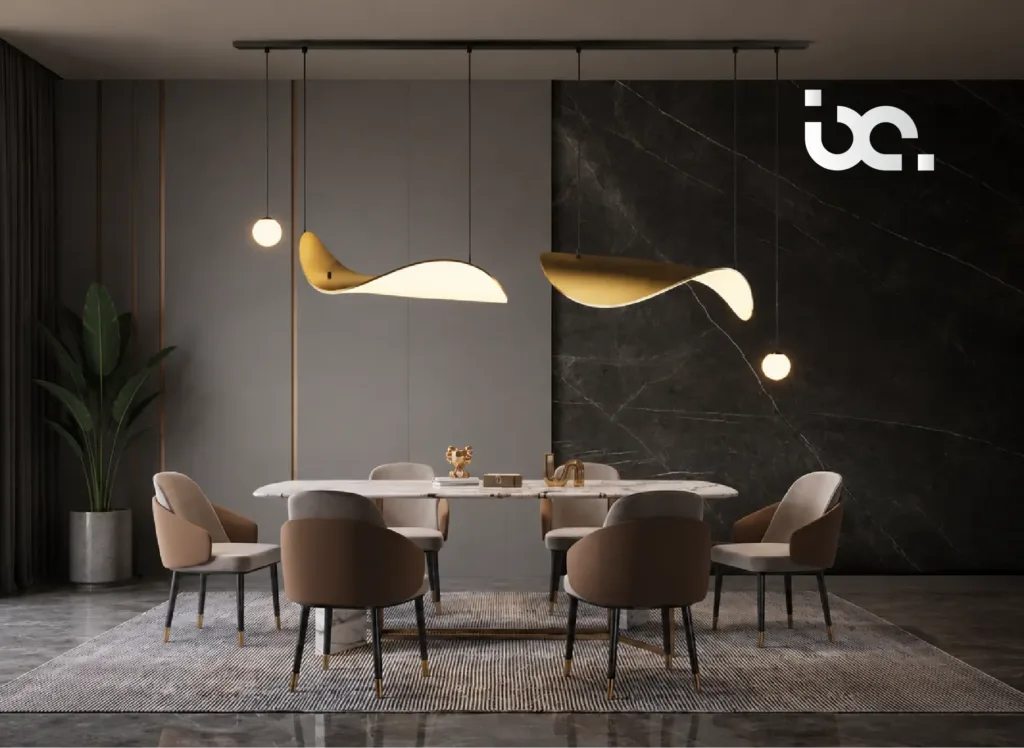
Homes today are expected to do far more than shelter people. They now function as workplaces, wellness sanctuaries, social hubs, and emotional retreats. As a result, luxury lighting and wellness have become essential components of modern residential architecture.
A well-designed lighting environment can significantly influence daily life.
Exposure to harsh white lighting late at night suppresses melatonin production, making it harder for the body to rest. Softer evening illumination supports healthier sleep cycles and deeper relaxation.
Thoughtful ambient lighting reduces visual strain and sensory overload. It creates environments that feel emotionally quieter and more restorative.
Natural-inspired daylight simulation improves focus and cognitive clarity during working hours, especially in home offices and creative studios.
Lighting influences mood more subtly than most people realize. Layered illumination creates emotional flexibility within a space, allowing it to feel energizing during the day and calming at night.
This growing focus on wellness lighting design is reshaping luxury homes into emotionally intelligent environments.
One of the defining characteristics of premium spaces is emotional adaptability. The same room should feel different depending on the time of day, occasion, or emotional need. This is where mood lighting in interiors becomes incredibly important.
Mood lighting is not simply decorative. It is experiential.
Imagine a living room transitioning from bright daytime elegance to intimate evening warmth with subtle dimming and layered accents. Or a spa-inspired bathroom where soft indirect lighting mimics candlelight and water reflections.
Luxury lighting creates emotional narratives within spaces.
High-end interiors rarely rely on a single light source. Instead, they combine:
This layered approach creates richness, dimension, and sensory comfort.
Lighting becomes even more powerful when interacting with natural materials like stone, wood, linen, water features, and textured surfaces.
Biomimicry-based studios like BlackCanvas Studio understand how light behaves organically across textures, producing interiors that feel alive rather than artificially staged.
The result is immersive luxury interior lighting that evokes emotion rather than simply illuminating objects.
The rise of human centric lighting represents one of the most important evolutions in contemporary design. Unlike traditional lighting systems focused purely on brightness, human-centric approaches prioritize biological and emotional wellbeing.
These systems adapt lighting intensity, color temperature, and timing to support human circadian rhythms.
Morning lighting can energize the body with cooler tones. Evening lighting transitions into warmer hues that encourage relaxation and sleep readiness.
This approach has been shown to positively influence:
Luxury homes, wellness resorts, premium offices, and hospitality spaces are increasingly integrating these systems as part of holistic design strategies.
At BlackCanvas Studio, the philosophy of biomimicry naturally complements human centric lighting because both prioritize harmony between human biology and environmental design.
Nature has always been humanity’s original wellness architect. Biomimicry simply translates those timeless principles into contemporary luxury spaces.
True luxury today is no longer defined only by expensive materials or visual extravagance. Modern luxury is increasingly about how spaces make people feel.
Does the environment reduce anxiety?
Does it create emotional calm?
Does it improve sleep and wellbeing?
Does it feel restorative after a stressful day?
These questions are redefining interior design.
This shift explains why luxury lighting and wellness are becoming central themes in elite architecture and hospitality design worldwide.
People are no longer investing only in beautiful spaces.
They are investing in emotional experiences.
Lighting sits at the center of that transformation because it directly influences human perception, emotion, and physiological response.
Biomimicry is not about copying nature aesthetically. It is about understanding how natural systems function and applying those principles intelligently within design.
Natural light is never static.
It breathes.
It changes.
It responds.
This philosophy deeply influences the lighting narratives created by BlackCanvas Studio.
Rather than creating aggressively artificial environments, the studio designs spaces that feel emotionally organic. Lighting transitions become smoother. Reflections feel softer. Spatial rhythms mimic natural calmness.
This connection between biomimicry and wellness lighting design creates interiors that support emotional resilience in increasingly chaotic urban lifestyles.
In many ways, luxury lighting is evolving from a technical feature into a wellness practice.
The pandemic permanently changed how people perceive their homes. Interiors are now expected to support mental health, emotional comfort, productivity, and sensory wellbeing.
As a result, homeowners are paying greater attention to luxury interior lighting because they understand its long-term impact on quality of life.
A thoughtfully illuminated home can:
The future of interior design is no longer purely visual. It is emotional, biological, and deeply human. As people seek healthier lifestyles and more meaningful living environments, the relationship between luxury lighting and wellness will continue to shape the next generation of architecture and interiors.
Lighting is no longer just an accessory.
It is atmosphere.
It is psychology.
It is wellbeing.
From circadian-friendly systems to biomimicry-inspired illumination, modern luxury spaces are learning to work with human biology instead of against it. The most memorable interiors today are not simply seen — they are felt.
At BlackCanvas Studio, India’s first biomimicry design studio, this philosophy is brought to life through spaces inspired by nature’s intelligence, emotional harmony, and sensory wellness. By combining biomimicry with sophisticated lighting strategies, the studio creates environments that nurture both beauty and human wellbeing.
Because true luxury is not about excess.
It is about how beautifully a space understands the people living inside it.
Luxury lighting and wellness refers to lighting strategies designed to enhance emotional comfort, mental wellbeing, sleep quality, and overall sensory experience while maintaining premium aesthetic appeal.
The psychology of lighting explains how different lighting conditions influence emotions, productivity, stress levels, and relaxation. Warm lighting creates calmness, while cooler lighting improves alertness and focus.
Human centric lighting is a lighting approach that adapts brightness and color temperature according to human circadian rhythms to support sleep, wellness, and emotional balance.
Mood lighting in interiors helps create emotional flexibility within spaces. It can make environments feel calming, intimate, luxurious, energizing, or restorative depending on the lighting layers and tones used.
Biomimicry-inspired studios like BlackCanvas Studio use natural lighting principles found in forests, water reflections, and daylight rhythms to create emotionally balanced and restorative environments through wellness lighting design.
Experience radiant guidance tailored to your unique vision.