
No products in the cart.
 By
payal
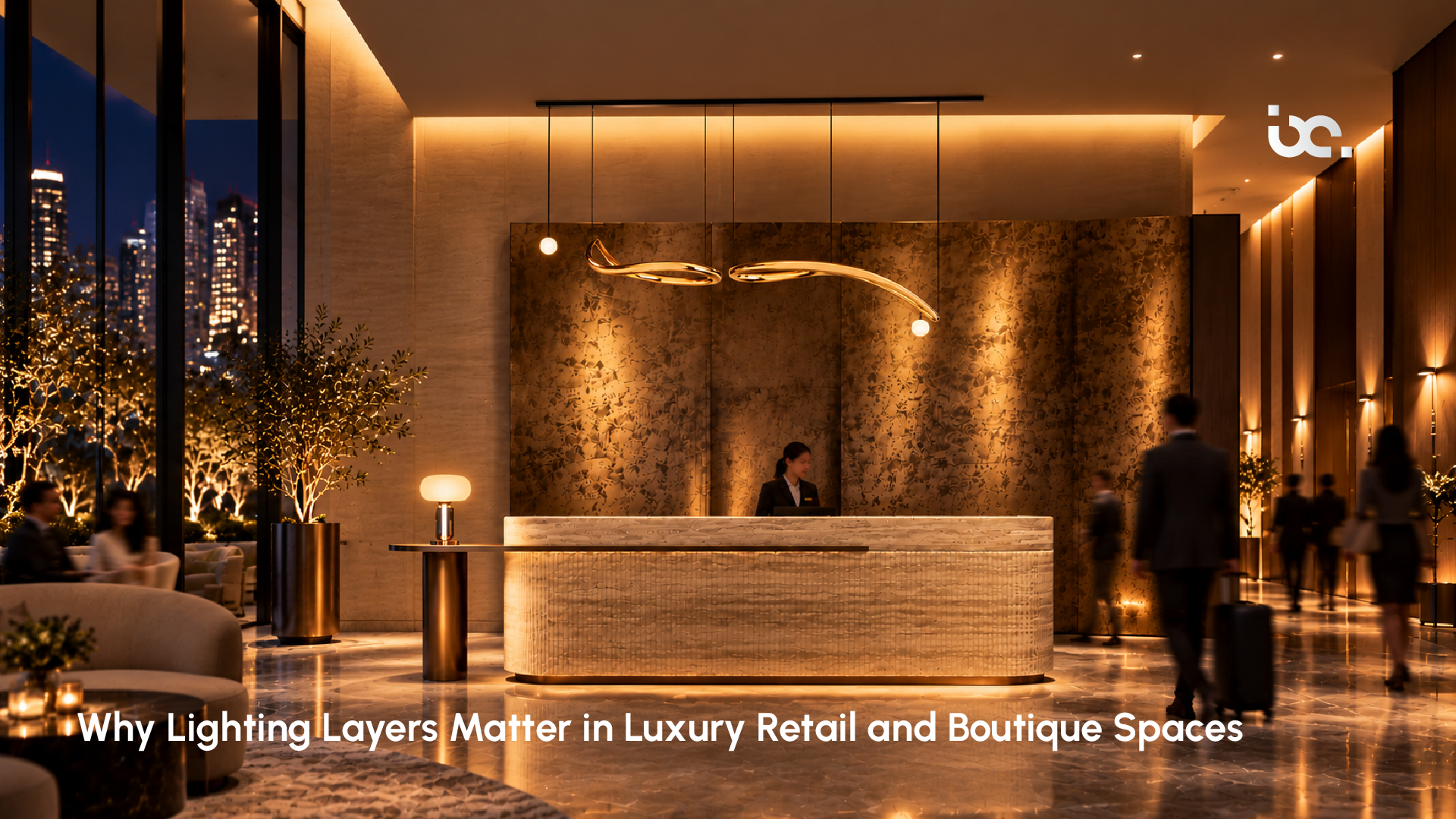
In luxury retail, every detail contributes to the experience a customer takes away. The texture of a wall, the finish of a display, the arrangement of merchandise, and the quality of the light work together to create an atmosphere that feels distinctive. Before a customer touches a product or speaks with a sales associate, the lighting has already begun shaping their perception of the space.
Retail lighting design is therefore much more than a practical consideration. It is an essential part of the visual identity of a boutique, luxury showroom, or premium retail environment. Thoughtfully designed illumination can reveal the beauty of materials, draw attention to selected products, and create a sense of intimacy that encourages customers to explore at their own pace.
For luxury retailers, the objective is not simply to make everything brighter. It is to create a carefully balanced environment in which light, architecture, merchandise, and atmosphere feel naturally connected. When executed with precision, lighting becomes an understated expression of quality, elevating the shopping experience without competing with the products themselves.
A successful retail environment communicates its identity through visual details. Lighting helps establish that identity by influencing how customers perceive colour, texture, proportion, and space.
A jewellery boutique may require precise accent lighting to bring out the brilliance of gemstones, while a fashion store may benefit from softer ambient illumination combined with carefully positioned lights on garments and mannequins.
A furniture showroom, meanwhile, needs lighting that reveals material finishes and helps customers imagine how individual pieces might appear in their own homes.
Effective retail lighting design considers these differences from the beginning. Rather than applying a uniform solution throughout the store, designers create layers of light that serve specific purposes.
These typically include:
The relationship between these layers matters as much as the fixtures themselves. A considered balance creates visual depth, guides attention, and gives the interior a sense of refinement.
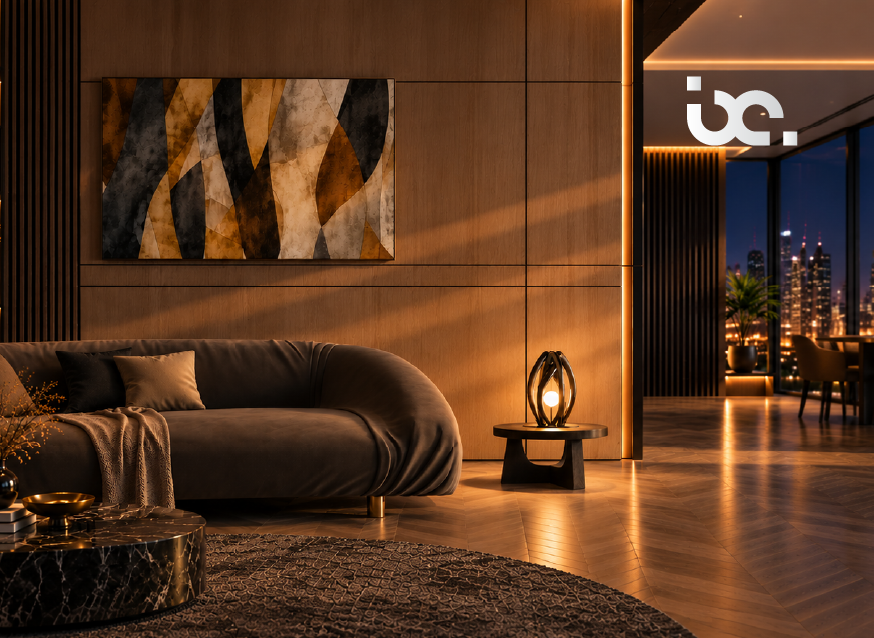
Boutique lighting often relies on subtle contrasts rather than uniform brightness. Smaller luxury spaces, in particular, benefit from illumination that creates intimate focal points while preserving a sense of openness.
A beautifully lit boutique allows customers to discover the merchandise gradually. A softly illuminated entrance may lead towards a brighter central display, while a warmer pool of light draws attention to a handcrafted accessory or a carefully styled collection.
The result feels deliberate rather than theatrical.
The entrance establishes the first visual connection between a retailer and its customers. Lighting around the doorway, signage, window displays, and initial merchandise arrangement can communicate the store’s character before visitors step inside.
For a premium boutique, this may involve concealed architectural lighting, discreet spotlights, or a sculptural fixture that complements the interior without overwhelming it.
The intention is to create a welcoming transition from the surrounding environment into the store. Excessive brightness or dramatic effects can feel disconnected from a brand whose identity depends on understated elegance.
Luxury products often distinguish themselves through details that deserve close attention. Fine stitching, polished metal, natural stone, textured leather, and delicate glass surfaces respond differently to light.
Carefully selected lighting angles can reveal these qualities while controlling distracting reflections and harsh shadows. High-quality light sources with suitable colour rendering can also help products appear closer to their intended colours.
In this setting, boutique lighting becomes an extension of the product presentation itself. It allows craftsmanship to speak through the materials rather than relying on excessive visual decoration.
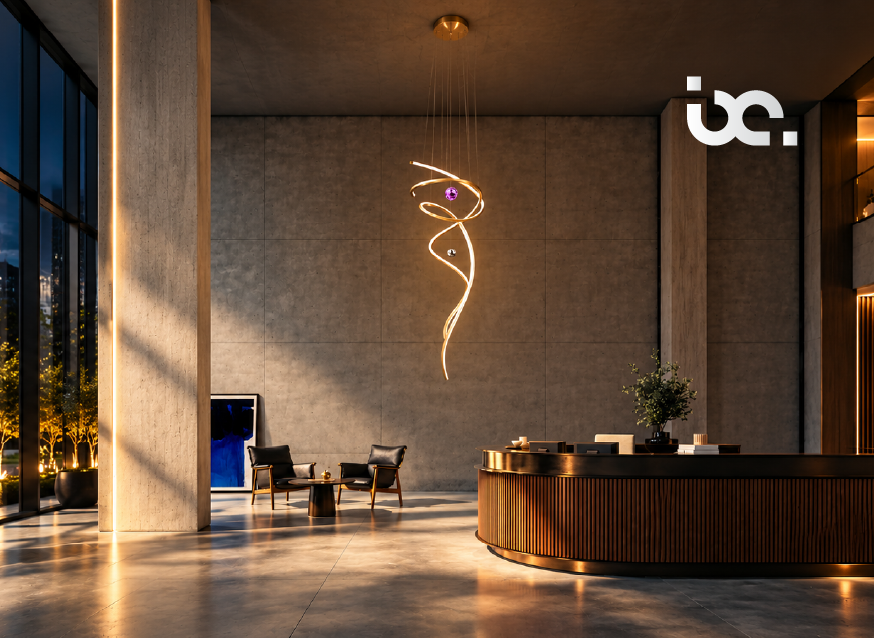
Luxury retail interiors require a lighting approach that respects the architecture as much as the merchandise. Stone surfaces, timber panels, brushed metal, fabrics, and glass each interact with illumination in different ways.
A layered scheme helps these elements coexist without creating a flat or visually crowded environment.
Ambient illumination provides the foundation for the entire space. It should offer sufficient visibility for comfortable movement while reflecting the atmosphere the brand wants to establish.
A luxury fashion boutique may use soft, evenly distributed illumination to create a calm setting. A contemporary accessories showroom might introduce stronger contrasts to give the interior a more architectural character.
Colour temperature also influences perception. Warmer light can create a welcoming, intimate mood, while neutral white light may suit spaces where accurate material and colour assessment is particularly important. The appropriate choice depends on the merchandise, finishes, and overall design concept.
Accent lighting gives certain objects greater visual prominence. By illuminating selected displays more strongly than their surroundings, designers can establish a natural sequence of attention.
This is particularly useful in stores where merchandise changes regularly. Adjustable spotlights and flexible track systems can accommodate new collections without requiring a complete redesign of the lighting installation.
The key is restraint. When every product receives the same intensity of emphasis, nothing feels especially important. Selective illumination allows individual pieces to stand out while preserving visual balance.
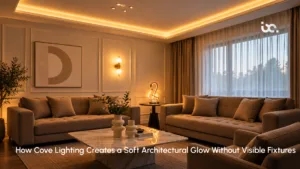
Architectural lighting integrates illumination into the structure of the interior. Cove lighting, concealed linear fixtures, illuminated shelving, and carefully positioned wall washers can reveal architectural forms without making the light source itself the main attraction.
These techniques are particularly effective in luxury environments because they create a polished appearance with minimal visual clutter.
When architectural and accent lighting are planned together, the interior feels cohesive. The architecture provides the visual framework, while the merchandise becomes the natural focus.
Product display lighting is one of the most influential elements of a retail lighting scheme. Its purpose is to make merchandise visible, attractive, and easy to examine while preserving the authenticity of its colours and materials.
Different products require different approaches. Jewellery may need tightly controlled beams and careful glare management. Clothing benefits from illumination that reveals fabric texture and colour.
Cosmetics require a balance that helps customers evaluate shades accurately, while furniture displays may need broader light distribution to communicate shape and finish.
Several considerations are particularly important.
Colour rendering describes how accurately a light source reveals colours compared with a reference source. In retail, poor colour rendering can change the perceived appearance of fabrics, cosmetics, leather, and other products.
Selecting suitable light sources helps maintain consistency between the display environment and the product itself. This is especially important when customers make purchasing decisions based on subtle colour differences.
The direction and spread of a beam influence how a product appears. Narrow beams can create focused highlights, while wider distributions illuminate larger surfaces more evenly.
Incorrect positioning may produce glare, distracting shadows, or reflections on glass and polished finishes. For this reason, lighting should be evaluated from the customer’s actual viewing positions, not only from the ceiling plan.
Retail displays rarely remain static. Seasonal collections, new product launches, and visual merchandising updates require lighting that can adapt.
Adjustable fixtures and well-planned control systems make it easier to reposition emphasis as merchandise changes. This flexibility helps retailers maintain a consistent presentation without unnecessary alterations to the wider interior.
Commercial illumination must meet practical requirements while supporting the desired customer experience. Retailers need sufficient visibility, reliable operation, manageable energy consumption, and lighting that remains comfortable throughout opening hours.
In luxury settings, technical performance should feel almost invisible. Customers should experience the atmosphere without becoming distracted by glare, uneven brightness, exposed cabling, or poorly integrated fixtures.
LED lighting is widely used because it offers energy efficiency, a long service life, and flexibility in colour temperature and beam distribution. However, the quality of the result depends on selecting suitable products and designing the installation carefully.
Important considerations include:
Controls can also support different lighting scenes for opening hours, evening trading, special events, or seasonal presentations. Any adjustments should preserve product visibility and customer comfort.
A considered commercial illumination strategy ensures that aesthetic ambitions remain practical over the long term.
Retail ambience is shaped by the relationship between illumination, material finishes, spatial proportions, sound, and the movement of people through the store. Lighting cannot create a successful experience on its own, but it can strengthen every other design decision.
A warm, softly lit consultation area may encourage customers to spend time discussing a purchase. A brighter display zone can make important merchandise easier to examine. A carefully illuminated passage may guide visitors naturally towards another collection.
The transition between these areas should feel intentional. Sudden changes in brightness can be uncomfortable, while excessive uniformity can make the interior appear flat.
Designers can also use light to establish rhythm. Repeated pools of illumination along a display wall, subtle highlights on architectural details, or a gradual shift in brightness can give the customer journey a sense of movement.
The most successful retail ambience feels effortless because the lighting supports the experience without demanding constant attention.
Standard lighting fixtures can meet many functional requirements, but some retail concepts benefit from a more tailored approach. Bespoke lighting allows designers to develop fixtures that reflect a brand’s visual identity, architectural proportions, and material palette.
A custom pendant above a central display, an integrated illuminated shelf, or a sculptural wall fitting can become part of the store’s design language. Such elements are particularly valuable when the retailer wants a distinctive environment that cannot be reproduced simply by selecting familiar fixtures.
However, bespoke design should begin with a clear purpose. Custom lighting must still provide suitable illumination, allow for installation and maintenance, and meet relevant electrical and safety requirements.
When these considerations are addressed early, bespoke fixtures can unite technical performance with a more individual expression of luxury.
Even expensive fixtures cannot compensate for an unbalanced lighting plan. A few common mistakes can reduce the effectiveness of an otherwise carefully designed interior.
A lighting plan developed alongside the architecture and visual merchandising strategy can help prevent these problems before installation begins.
Retail lighting design is an essential part of creating a refined and memorable luxury shopping environment. Through a thoughtful combination of ambient illumination, precise product highlights, architectural lighting, and carefully chosen decorative fixtures, retailers can communicate their identity while presenting merchandise at its best.
Boutique lighting introduces intimacy, luxury retail interiors benefit from visual depth, and effective product display lighting allows craftsmanship and material quality to remain at the centre of attention. At the same time, commercial illumination must meet practical expectations for energy efficiency, reliability, flexibility, and visual comfort.
The strongest results emerge when lighting is considered from the earliest stages of the design process. Every fixture, beam angle, colour temperature, and illuminated surface should contribute to a clear purpose.
When these details come together with care, lighting becomes more than a technical necessity. It becomes a quiet expression of the brand, shaping an experience that feels welcoming, distinctive, and enduring.
Retail lighting design is the planned use of illumination to improve product visibility, support customer movement, establish atmosphere, and complement a store’s architecture and brand identity.
Lighting helps reveal materials, highlight merchandise, establish visual hierarchy, and create an atmosphere that reflects the retailer’s positioning. It can make the shopping experience feel more comfortable and considered.
Ambient lighting provides general illumination throughout the store, while product display lighting directs attention towards specific merchandise, shelves, mannequins, or showcase areas.
There is no single ideal colour temperature for every store. Warmer light can create intimacy, while neutral white light may support more accurate product assessment. The choice should reflect the merchandise, finishes, and desired atmosphere.
Well-planned boutique lighting guides attention, reveals product details, reduces uncomfortable glare, and creates distinct areas for browsing, discovery, and consultation.


Experience radiant guidance tailored to your unique vision.