No products in the cart.



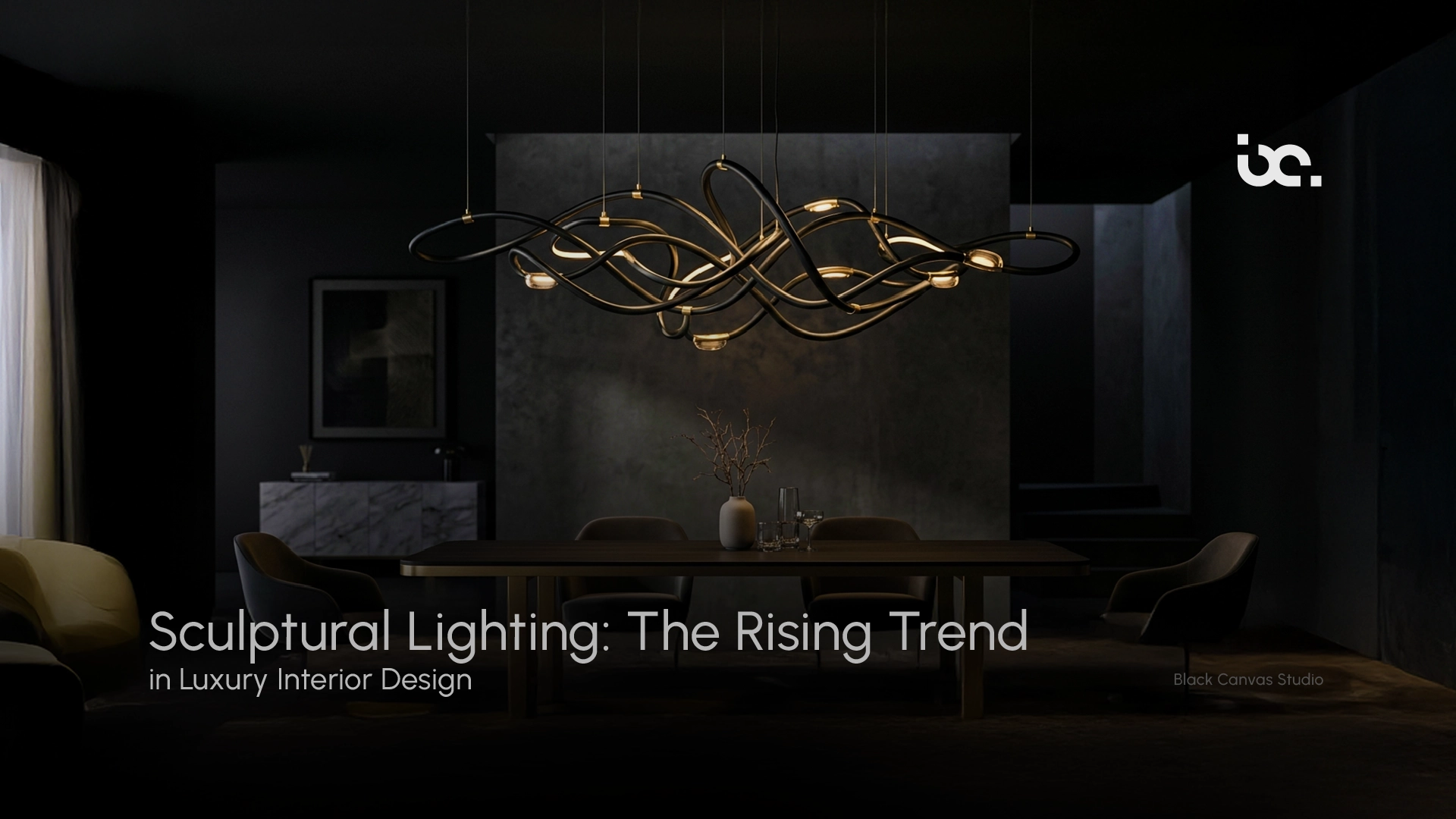
Luxury interior design has evolved dramatically over the past decade. Homes are no longer simply decorated spaces; they are curated experiences where architecture, art, and functionality coexist in harmony. Among the many elements shaping this new era of interiors, Sculptural Lighting has emerged as one of the most captivating trends. These lighting pieces are not just sources of illumination—they are artistic statements that redefine how we experience space.
Traditional lighting fixtures often prioritize utility. They brighten rooms, guide visibility, and enhance ambience. Sculptural lighting, however, goes far beyond that. It merges art, architecture, and illumination to create dramatic focal points that transform interiors into living galleries. A chandelier can become a floating sculpture. A pendant lamp can resemble a piece of modern art suspended in mid-air.
In luxury homes, design studios and architects are increasingly exploring sculptural lighting design to create immersive environments where light behaves like an art medium. From fluid organic shapes to geometric installations, these lighting pieces add depth, drama, and personality to interiors.
In India, where design innovation is rapidly evolving, studios are exploring new philosophies to push boundaries. One such pioneering approach is Biomimicry in Interior Design, where natural forms inspire design elements that feel organic and timeless. At the forefront of this movement is Blackcanvas Studio, India’s first biomimicry design studio, which reimagines lighting as sculptural expressions inspired by nature’s intelligence.
Through thoughtfully crafted artistic lighting fixtures, spaces gain a sense of elegance and narrative. Sculptural lighting doesn’t just brighten a room—it elevates the entire spatial experience.
At its core, Sculptural Lighting refers to lighting fixtures designed as artistic forms rather than conventional lamps. These pieces are conceived as sculptures first and lighting solutions second. Their shapes, materials, and composition contribute to the overall aesthetic of the space while also performing the essential function of illumination.
Unlike standard home decoration lightings, sculptural lighting pieces often have intricate structures, unusual geometries, and carefully curated materials such as metal, glass, marble, or hand-crafted composites. Their designs may resemble flowing ribbons, abstract art forms, organic plant structures, or architectural constructs.
The defining feature of sculptural lighting is that it becomes a centerpiece within the room. Rather than blending into the background, it draws attention and sparks conversation. Guests entering a space may notice the chandelier before the furniture, or admire a pendant lamp the way they would admire a gallery sculpture.
In modern Luxury Interior Design, lighting has become one of the most powerful design tools. Sculptural lighting allows designers to shape mood, highlight architectural features, and introduce artistic personality into a space.
Design studios that specialize in high-end interiors often combine lighting with nature-inspired design philosophies. By studying natural structures—such as the branching of trees, the symmetry of flowers, or the fluidity of water—designers can create luxury sculptural lighting that feels both contemporary and timeless.
Interior design trends are shifting toward experiential spaces. Homeowners no longer want rooms that simply look good in photographs—they want environments that evoke emotion, atmosphere, and individuality. Sculptural lighting fits perfectly into this philosophy.
One major reason for its popularity is the growing appreciation for statement design pieces. Instead of filling a space with multiple decorative items, designers often introduce one striking element that defines the room. Sculptural lighting fulfills this role beautifully.
Another reason lies in the evolution of Luxury Interior Design, where minimalism and art-driven aesthetics dominate. Many modern luxury homes feature neutral palettes, clean architectural lines, and curated décor. In such environments, a sculptural light fixture becomes the artistic highlight.
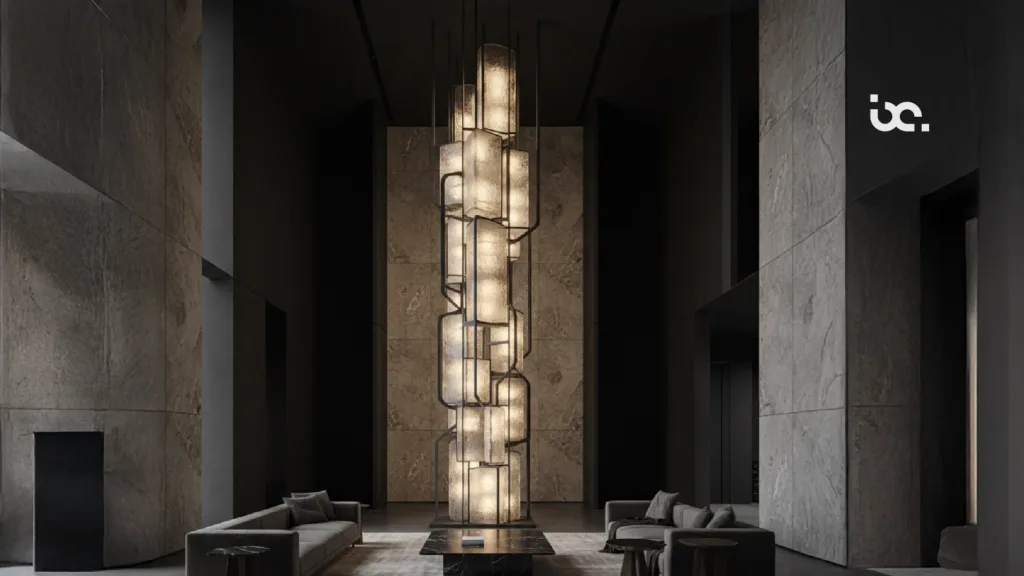
The influence of nature-driven design also plays a crucial role. The concept of Biomimicry in Interior Design encourages designers to borrow ideas from natural systems. This approach results in lighting forms that resemble petals, flowing vines, coral formations, or even celestial patterns.
Such organic inspiration adds softness and fluidity to contemporary interiors, balancing the often rigid geometry of modern architecture.
Studios like Blackcanvas Studio explore these ideas deeply, crafting lighting concepts that combine art, nature, and engineering. By studying how natural systems evolve and function, designers create lighting that feels alive, dynamic, and deeply connected to the environment.
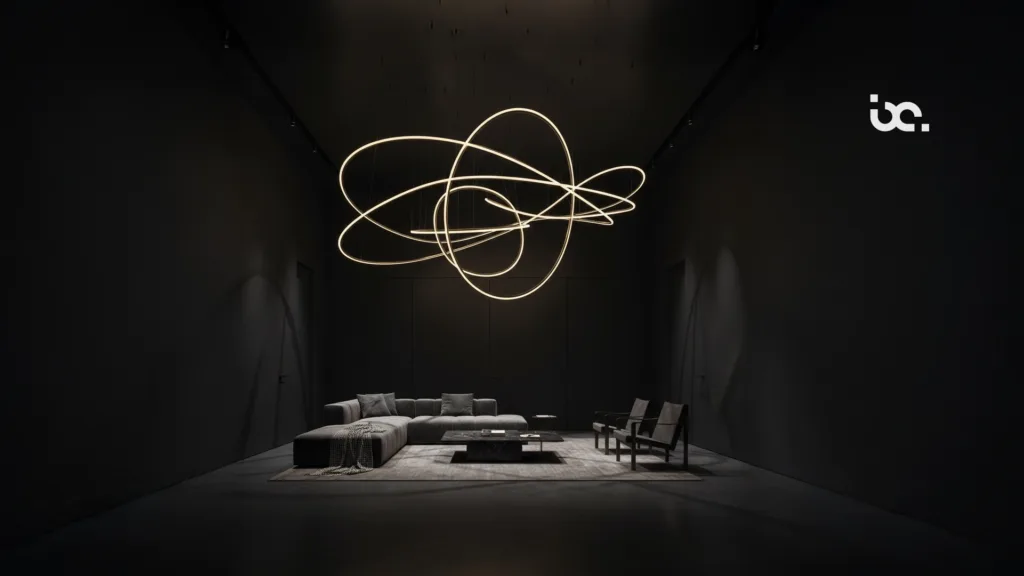
The most remarkable quality of Sculptural Lighting is its ability to merge practicality with artistry. A lighting fixture no longer exists solely to illuminate a room—it becomes a sculptural object that contributes to the visual identity of the space.
In luxury homes, this fusion of art and function creates a refined atmosphere where every element serves both aesthetic and practical purposes. Instead of separate art installations and lighting systems, sculptural fixtures elegantly combine both.
Few design elements create immediate visual impact the way luxury sculptural lighting does. Whether it is a dramatic chandelier cascading down a double-height ceiling or a minimal pendant glowing softly above a dining table, sculptural lighting commands attention.
These fixtures often become conversation starters, leaving a lasting impression on guests and visitors.
Good interior lighting is never about a single light source. Designers typically create layers of illumination—ambient lighting, task lighting, and accent lighting—to achieve the perfect balance.
Sculptural lighting integrates seamlessly into these layered systems. A chandelier may provide ambient light while also acting as an artistic centerpiece, while smaller sculptural fixtures may highlight specific zones within the room.
By combining beauty with function, sculptural lighting design enhances both aesthetics and practicality.
One of the greatest strengths of sculptural lighting is its versatility. It can complement a wide range of design styles—from ultra-modern penthouses to elegant classical homes.
For instance, organic sculptural lights inspired by nature work beautifully in biophilic spaces, while geometric installations suit contemporary minimalist interiors.
Because of this adaptability, designers often incorporate sculptural lighting across diverse projects, making it one of the most flexible forms of home decoration lightings.
The entryway is the first impression of any home. A striking sculptural chandelier or pendant light can instantly establish the tone of the interior.
Double-height foyers especially benefit from dramatic lighting installations that draw the eye upward and highlight architectural volume.
Dining areas are perfect for sculptural lighting because the table naturally creates a focal point within the room. A sculptural pendant suspended above the table enhances the dining experience while adding elegance and visual interest.
Many designers choose elongated fixtures or clustered pendants that complement the shape of the dining table.
Living rooms often feature layered lighting to create a balanced ambience. Sculptural floor lamps, artistic chandeliers, or statement pendant lights can serve as focal elements within the space.
These artistic lighting fixtures can also highlight seating areas, coffee tables, or architectural features.
Bedrooms benefit from softer, more intimate lighting. Sculptural bedside lamps or delicate hanging pendants introduce subtle luxury without overwhelming the room.
Organic forms inspired by nature work particularly well in bedrooms, creating a calming and serene atmosphere.
Modern workspaces—especially in luxury homes—are increasingly designed with creativity in mind. Sculptural lighting in offices or studios can inspire productivity while maintaining an elegant aesthetic.
A carefully chosen fixture adds personality while ensuring sufficient illumination for focused work.
One of the most popular directions in sculptural lighting design is the use of organic shapes inspired by nature. These fixtures may resemble flowing leaves, coral structures, or branching forms.
Organic lighting aligns closely with Biomimicry in Interior Design, which emphasizes the beauty and efficiency of natural systems.
Geometric lighting installations are ideal for contemporary interiors. They feature clean lines, symmetrical patterns, and architectural forms.
Hexagonal structures, angular metal frames, and suspended geometric clusters are increasingly popular in modern homes.
Minimalism remains a powerful trend in Luxury Interior Design. Sculptural lights with simple forms and understated elegance can create dramatic effects without overwhelming the space.
A single glowing ring or a slender metal arc can transform a room with quiet sophistication.
Modern lighting designers are experimenting with unexpected material combinations—glass and stone, metal and fabric, or marble and LED technology.
These combinations add depth, texture, and uniqueness to luxury sculptural lighting pieces.
Studios like Blackcanvas Studio often experiment with innovative materials and nature-inspired forms to create lighting installations that feel both futuristic and organic.
Conclusion
Sculptural lighting represents a fascinating intersection of art, architecture, and technology. As interiors continue to evolve into immersive environments, lighting will play an increasingly significant role in shaping spatial experiences.
Today’s homeowners and designers are seeking more than just functional illumination—they want artistic expression within their living spaces. Sculptural lighting fulfills this desire by transforming light fixtures into striking visual elements that enhance the character of a room.
Through thoughtful sculptural lighting design, interiors gain depth, drama, and individuality. Whether inspired by geometric precision or the fluid elegance of nature, these lighting pieces redefine how we perceive light within architectural spaces.
Pioneering studios like Blackcanvas Studio are pushing the boundaries of design by blending Biomimicry in Interior Design with artistic innovation. By studying natural forms and translating them into sculptural lighting concepts, they create interiors that feel sophisticated, timeless, and deeply connected to nature.
In the world of Luxury Interior Design, sculptural lighting is more than a trend—it is a design philosophy that celebrates creativity, craftsmanship, and the beauty of illuminated art.
Sculptural lighting refers to lighting fixtures designed as artistic forms rather than simple lamps. These fixtures function as both illumination sources and decorative sculptures, enhancing the visual appeal of interior spaces.
Sculptural lighting is popular because it adds character and elegance to interiors. It acts as a focal point within the room while providing functional illumination, making it ideal for modern luxury homes.
Sculptural lighting works best in areas where it can become a visual highlight. Common placements include entryways, dining areas, living rooms, bedrooms, and home offices.
Yes, sculptural lighting can work beautifully in small spaces when chosen carefully. Minimalist or compact fixtures can add elegance without overwhelming the room.
Choosing the right sculptural lighting fixture depends on the room size, interior style, and lighting requirements. Designers often select fixtures that complement the architecture and enhance the overall ambience of the space.