
No products in the cart.
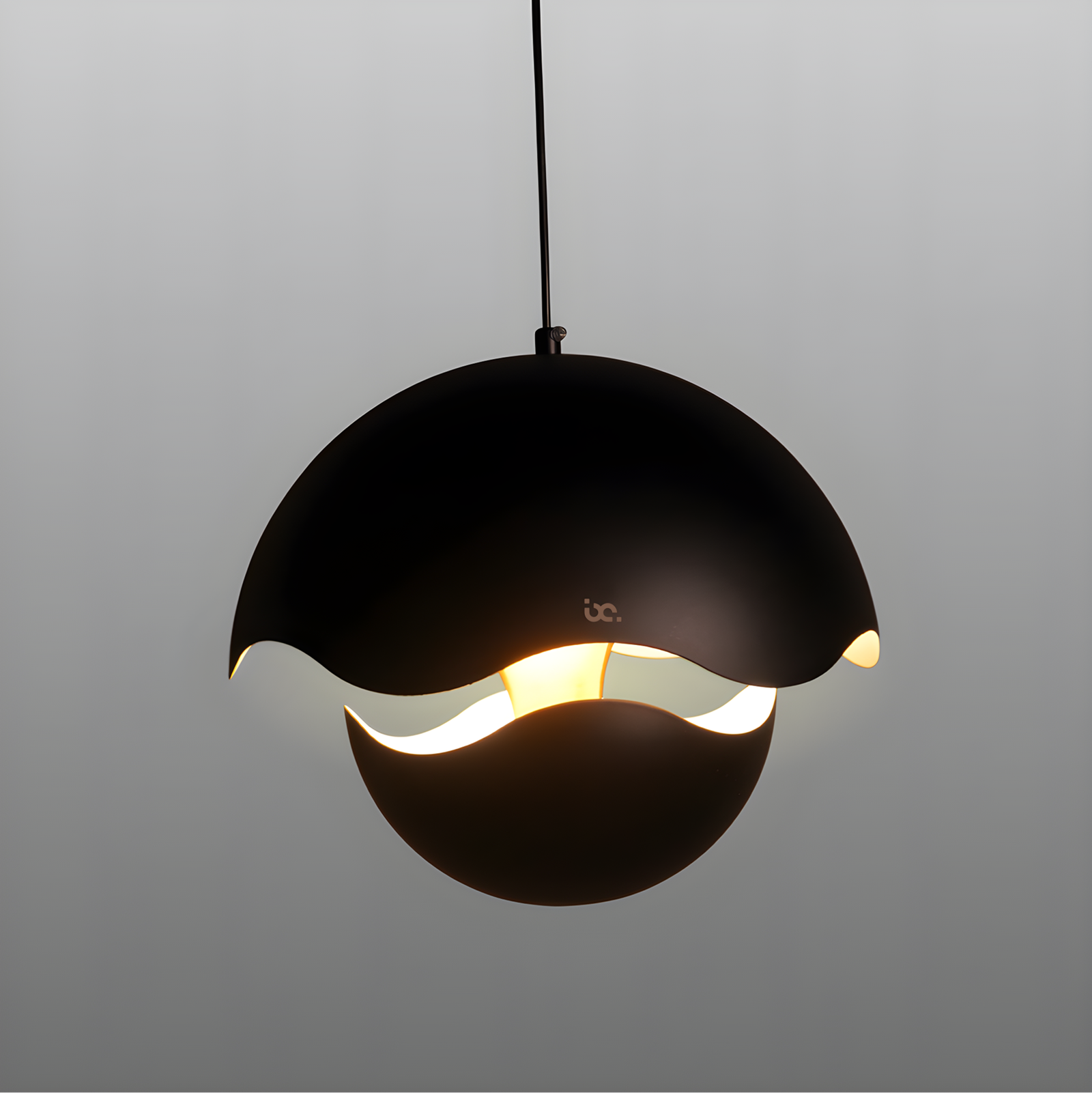
What is a Table Lamp?: Home Interior Explored
In the world of interior design, there are objects that illuminate—and then there are objects that elevate. A Table Lamp is one such piece, a small yet powerful element that shapes mood, defines ambience, and brings depth to a room. Beyond its functional brilliance, a table lamp is a statement of taste, artistry, and lifestyle—especially in modern homes where lighting has become a form of personal expression.
Among the new wave of luxury lighting creators, Blackcanvas Studio stands apart as India’s pioneering biomimicry-inspired design studio. Known for sculptural experiments, nature-inspired silhouettes, and the now iconic Melted Table Lamp, the studio reimagines the traditional table lamp as a living, breathing piece of art.
This article dives deep into everything you need to know about table lamps—from types to styles to how to choose the perfect one for your home. Whether you’re curating a luxury interior or simply adding a gentle glow to your nightstand, this guide explores the table lamp in all its elegance.
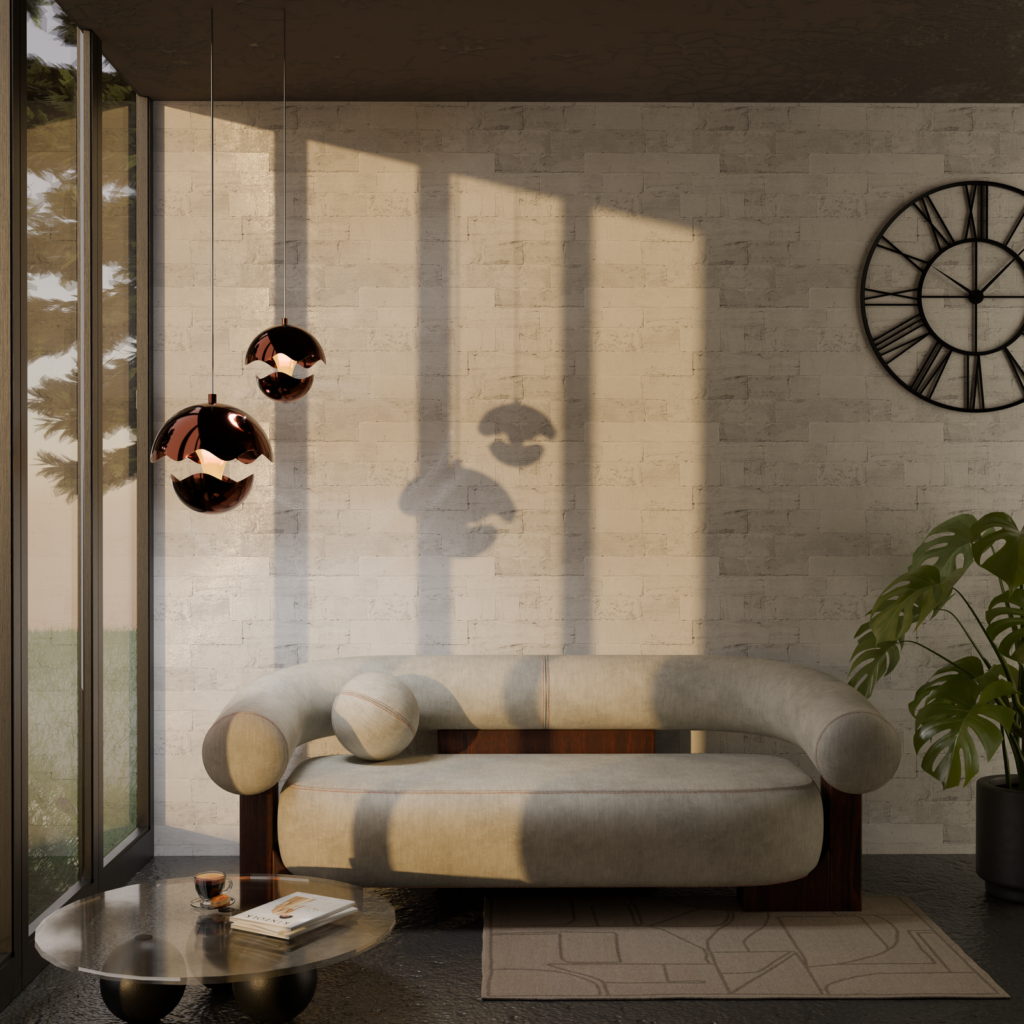
What Is a Table Lamp?
A Table Lamp is a portable lighting fixture designed to be placed on furniture surfaces such as tables, desks, sideboards, or nightstands. Unlike ceiling lights or wall fixtures, table lamps offer localized illumination—providing both practical lighting and decorative flair.
Table lamps typically consist of:
- A base
- A column or body
- A shade or sculptural light diffuser
- A bulb or integrated LED
- A switch or touch-responsive control
The beauty of a table lamp is its versatility. It can be ambient, task-oriented, atmospheric, or purely decorative. In today’s interiors, designers use table lamps to bring softness to a space, create layers of light, and add artistic character.
In luxury interiors, table lamps transcend utility—they become collectible artworks, conversation starters, and expressions of refined taste.
What Are the Features of Table Lamps and Their Functions?
A table lamp may appear simple, but it is thoughtfully engineered to blend aesthetics with performance. Key features include:
1. Light Direction
A table lamp can direct light:
- Downward for reading
- Upward for ambience
- Diffused for a soft glow
- Multi-directional for sculptural or designer lamps
2. Light Intensity
Many modern table lamps come with:
- Dimmers
- Adjustable arms
- Integrated LEDs
- Smart controls
These allow you to tailor the light to the moment—bright for work, warm for relaxation.
3. Shade Styles
Shades influence light distribution. They may be:
- Fabric for softness
- Glass for elegance
- Metal for precision
- Resin or bio-materials for artistic effect
Biomimicry-inspired studios like Blackcanvas often experiment with organic curves and nature-driven light diffusion.
4. Materials
A table lamp can be crafted from metal, marble, ceramic, stone, wood, resin, or unconventional materials like plant composites or bio-polymers.
5. Functional Enhancements
Some modern table lamps include:
- USB charging ports
- Wireless charging pads
- Smart automation
- Rotating heads
- Touch controls
The fusion of function and design defines the modern luxury table lamp.
Types of Table Lamps
The world of table lamps is beautifully diverse. Here are the most popular categories and what makes them unique:
1. Bedside Table Lamps
Bedside table lamps are designed to offer warmth and practicality. Their light is soft, soothing, and ideal for:
- Nighttime reading
- Relaxation
- Setting a serene bedroom ambience
They often have warm color temperatures (2700–3000K) and diffused shades.
2. Desk Lamps
A desk lamp prioritizes task-oriented lighting. It is ideal for:
- Studying
- Workspaces
- Home offices
- Craft or hobby tables
These lamps usually feature:
- Adjustable arms
- Focused beams
- Bright, neutral light
3. Accent / Decorative Lamps
Accent lamps are created primarily for beauty. They add character, charm, and visual interest to:
- Living rooms
- Entryways
- Sideboards
- Luxury lounges
They often feature sculptural bodies, artistic materials, and soft ambient illumination.
4. Sculptural / Designer Lamps
These lamps are works of art—where creativity takes center stage. A Sculptural or Designer Table Lamp can include:
- Organic silhouettes
- Biomimicry-inspired structures
- Unconventional textures
- Experimental materials
The Melted Table Lamp, for example, is a trendsetting piece where form appears fluid and molten, turning light into a poetic sculpture.
5. Modern Minimalist Lamps
Minimalist table lamps embody simplicity and clean lines. They often feature:
- Neutral tones
- Soft geometry
- Integrated LED elements
- Slim, unobtrusive profiles
Perfect for contemporary interiors and people who love serene, clutter-free design.
6. Traditional / Classic Lamps
These lamps feature timeless details such as:
- Fabric drum shades
- Ornate bases
- Brass finishes
- Carved wooden bodies
They evoke nostalgia and elegance and are ideal for heritage homes or classically styled spaces.
Importance of Table Lamps
Table lamps are far more than decorative accessories. They play a vital role in interior architecture.
1. They Create Atmosphere
Lamps soften the harshness of overhead lighting and create a warm, inviting glow.
2. They Add Depth and Dimension
Layered lighting is essential for luxury interiors. Table lamps add a lower, intimate layer of illumination.
3. They Express Personality
From minimalist to sculptural, your lamp says something about your style.
4. They Highlight Decor
Accent lamps can draw attention to artwork, textures, and architectural details.
5. They Improve Comfort
Reading, working, or relaxing—table lamps adapt to your needs.
How Are Table Lamps Used?
A Table Lamp has countless uses in a home:
1. Reading & Work
Placed beside a sofa or bed, it provides focused illumination.
2. Creating Mood Lighting
Soft lighting enhances ambience in living rooms, lounges, and bedrooms.
3. Decorative Impact
Sculptural lamps act as artistic highlights in luxury interiors.
4. Functional Illumination
Desk lamps assist with productivity in workspaces.
5. Space Accenting
Lamps bring life to dull corners or unused surfaces.
6. Visual Balance
Pairs of table lamps can beautifully frame a sofa, console, or bed.
What Are the Advantages of Using a Table Lamp?
1. Portability
Easily move your lamp to wherever it is needed.
2. Versatility
Works in bedrooms, living rooms, offices, entryways, and dining spaces.
3. Aesthetic Appeal
Adds elegance, personality, and artistic charm.
4. Functional Lighting
Great for reading, working, or ambience.
5. Energy Efficiency
Many modern lamps use LEDs for long-lasting, low-energy illumination.
6. Artistic Expression
Designer lamps—especially biomimicry-inspired ones—blur the line between lighting and sculpture.
How to Choose the Right Table Lamp
Selecting a table lamp is an art. Here’s how to choose the perfect piece for your home:
1. Match the Lamp’s Height to the Setting
A general rule:
- Bedside lamp: base to shade should be around eye level when sitting
- Desk lamp: adjustable for task lighting
- Accent lamp: varied heights for visual interest
2. Consider the Purpose
- Reading → focused beam
- Atmosphere → warm diffuse lighting
- Decor → sculptural body or artistic form
3. Choose the Right Style
Do you prefer:
- Modern minimalism?
- Classical elegance?
- Artistic sculptural forms?
- Bold, experimental biomimicry pieces?
The style dictates its interaction with your space.
4. Select the Right Material
Marble, metal, resin, ceramic, or biomimetic materials each bring distinct texture and identity.
5. Understand Light Temperature
- Warm (2700–3000K): bedrooms & lounges
- Neutral (3500–4000K): living rooms
- Cool (5000K+): workspaces
6. Pay Attention to Shade Design
Fabric diffuses. Metal directs. Glass glows. Sculptural shades create drama.
7. Check Proportions
A lamp should complement, not overwhelm, the table or console it sits on.
8. Choose Designer Lamps for Luxury Interiors
A designer lamp—especially one with organic biomimicry elements—can transform an ordinary room into an extraordinary one.
Conclusion
A Table Lamp is far more than a utility; it is an essential part of interior storytelling. It shapes ambience, enhances comfort, and acts as a visual anchor in any room. From classic silhouettes to modern minimalist creations, from task lamps to breathtaking sculptural designs, table lamps continue to evolve, reflecting the ever-changing world of design.
Studios like Blackcanvas Studio have redefined the very definition of a table lamp—turning illumination into art and merging nature’s genius with human craftsmanship. In luxury interiors, a lamp is not just a source of light—it is an expression of refinement, individuality, and artistic sophistication.
Whether you choose a Melted Table Lamp that looks like a radiant piece of molten art or a calming bedside lamp that gently ends your day, the right table lamp will illuminate more than just your home—it will illuminate your lifestyle.
FAQs
1. Are table lamps only for bedrooms?
No. Table lamps are used in living rooms, studies, hallways, dining rooms, entryways, and lounges. They add both function and style to any area.
2. How bright should a table lamp be?
For reading or tasks, choose 450–800 lumens. For ambience, 200–400 lumens is ideal. Many modern lamps come with dimmers for flexibility.
3. What are table lamps made of?
They can be made from metal, wood, ceramic, marble, glass, resin, or innovative materials like bio-polymers and nature-inspired composites.
4. What color light is best for living rooms?
Warm or neutral white (2700–3500K) creates a cozy and relaxing atmosphere suitable for social areas.
5. Why invest in a designer table lamp?
Designer lamps offer craftsmanship, unique forms, and artistic value. They elevate interiors, last longer, and often become timeless statement pieces.
Add comment