No products in the cart.

So, which option is the right fit for your home? The answer depends on your space, lighting needs, and personal style.
When it comes to transforming a room, lighting is more than just a practical necessity it’s a design statement. Whether you’re renovating your home or refreshing a single room, choosing between pendant lights and sculptural lighting can significantly influence the overall look and feel of your interiors.
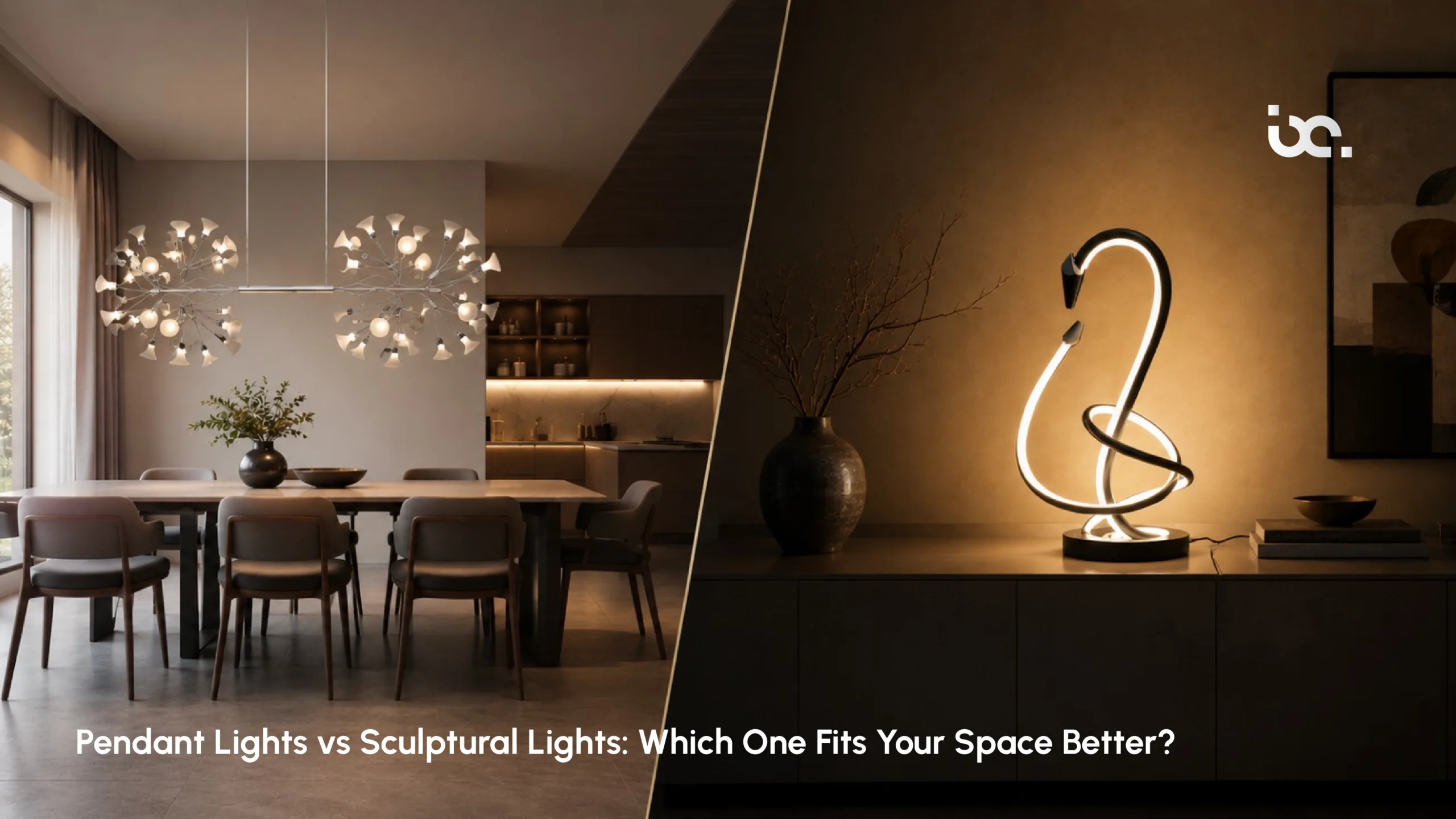
While pendant lights have long been a favorite for their functionality and versatility, sculptural lighting are redefining modern home lighting by blending art with illumination. They don’t simply brighten a space; they become an integral part of the décor, creating a bold visual impact.
In this guide, we’ll compare pendant lights and sculptural lighting , explore their unique advantages, and help you determine which one best complements your interior while enhancing your luxury decor.
Pendant lighting refers to ceiling-mounted light fixtures suspended by a cord, rod, or chain. They are one of the most versatile lighting solutions available, combining functionality with elegant design.
Available in countless styles, materials, and finishes, pendant lights suit everything from minimalist apartments to luxurious contemporary homes. Their ability to provide targeted lighting while enhancing aesthetics makes them a staple in designer lighting collections.
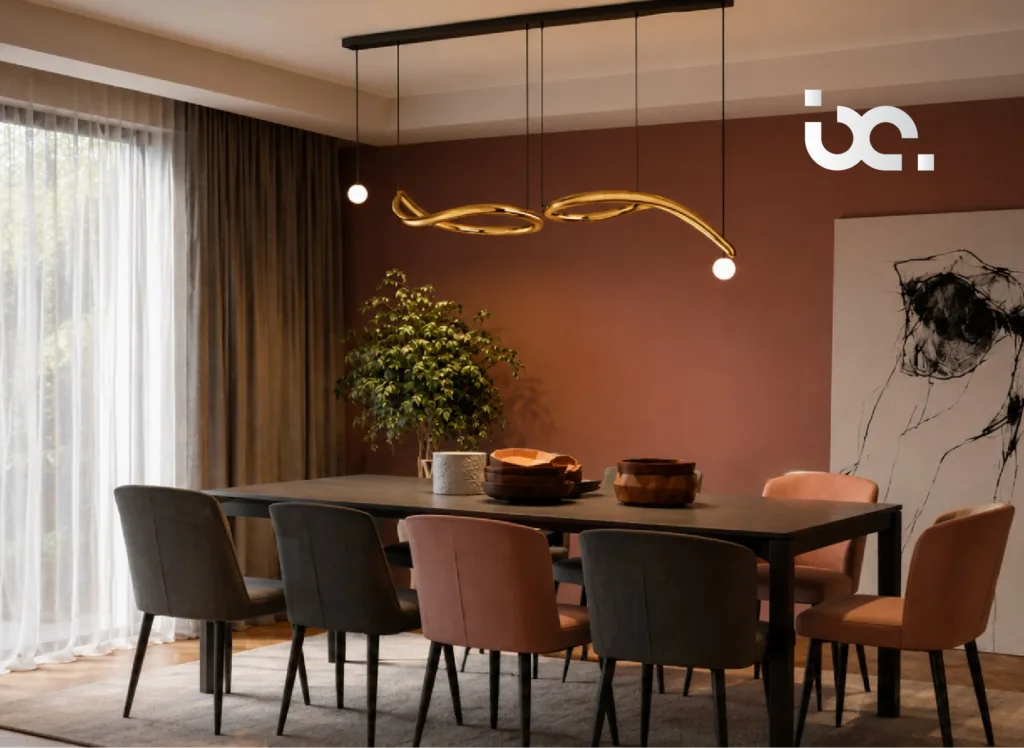
Pendant lights offer several advantages that make them a popular choice for homeowners and interior designers alike.
Pendant lights provide direct illumination for cooking and meal preparation while adding symmetry and sophistication to the kitchen.
A stylish pendant fixture positioned above the dining table creates a welcoming atmosphere and serves as an attractive focal point.
Replacing bedside table lamps with hanging pendant lights creates a clean, modern aesthetic while freeing up valuable surface space.
Pendant lights offers focused brightness that improves productivity without overwhelming the workspace.
Unlike traditional lighting fixtures, sculptural lighting combine illumination with artistic expression. They are designed to stand out, becoming decorative centerpieces rather than simply blending into the background.
Featuring bold shapes, flowing curves, geometric forms, and premium finishes, sculptural lighting instantly elevate a room and create a luxurious ambience.
Their unique ability to function as both artwork and lighting has made them increasingly popular in modern home lighting and luxury decor projects.
Features of Sculptural lighting:
Today’s homeowners are placing greater emphasis on personalization and unique interior styling. As a result, designer lighting has become an essential part of contemporary homes.
Rather than viewing lighting as a necessity, many people now see it as an opportunity to showcase creativity. Sculptural lighting perfectly meet this demand by serving as elegant statement fixtures that enhance both aesthetics and ambience.
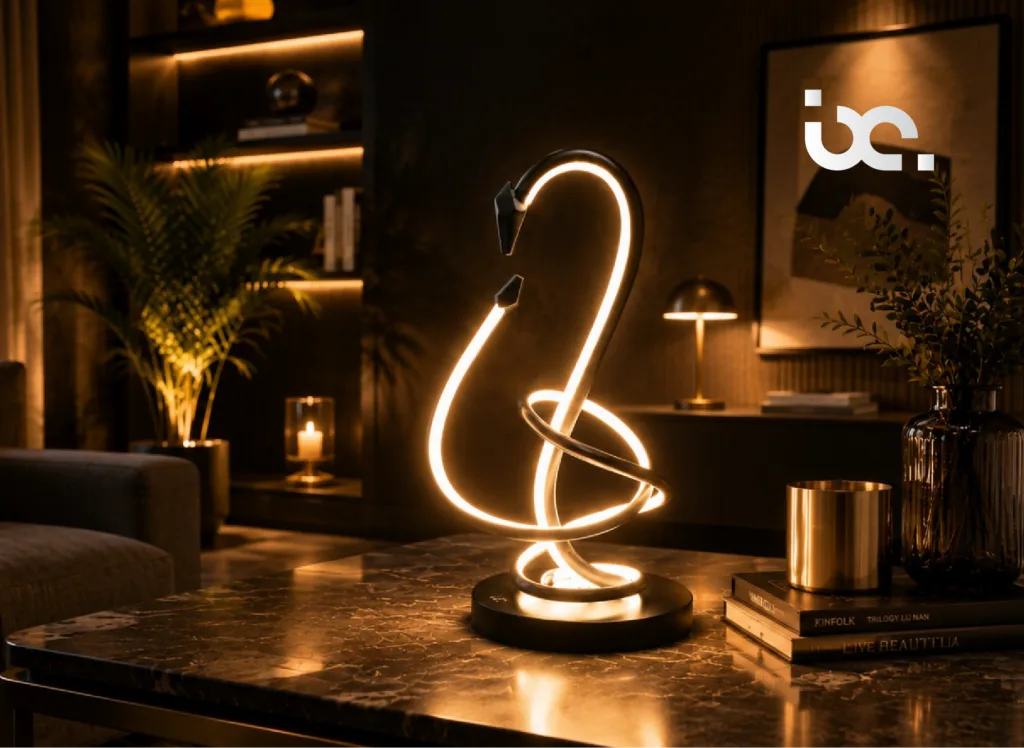
Large sculptural fixtures create an impressive focal point while enhancing the room's overall atmosphere.
Grand entrances become even more dramatic with striking sculptural lighting installations.
Vertical sculptural fixtures highlight architectural details and add depth to otherwise simple spaces.
An artistic lighting fixture above the dining table transforms everyday meals into elegant dining experiences.
Although both belong to the designer lighting category, they serve different purposes.
Purpose
Pendant lights complement existing interiors without dominating the room.
On the other hand, sculptural lightings immediately capture attention, making them ideal for homeowners who want lighting to become part of their overall interior design.
The best lighting choice depends on how you use your space and the atmosphere you want to create. While pendant lights is ideal for practical illumination, sculptural lightings are perfect for adding character and elegance to your interiors.
Absolutely.
Combining these two lighting styles creates a balanced interior that is both functional and visually appealing. This layered approach is widely used in modern home lighting because it provides the right amount of illumination while adding depth and personality.
For example, pendant lights can brighten your kitchen island or dining table, while sculptural lightings elevate your living room or foyer with artistic flair. When used thoughtfully, both lighting styles complement each other rather than compete for attention.
Selecting the wrong lighting fixture can affect both the appearance and functionality of your home. Avoid these common mistakes when choosing between pendant lights and sculptural lightings.
Large fixtures can overwhelm compact spaces. Always select a light that complements the room’s dimensions.
Pendant lights requires proper hanging height for comfortable illumination, while sculptural lightings often need additional vertical space to showcase their design.
Beautiful lighting should also meet your practical needs. Balance aesthetics with the amount of illumination required for the space.
Since sculptural lightings naturally attract attention, avoid surrounding them with too many decorative accessories.
Relying on a single light source can create uneven illumination. Combine ambient, task, and accent lighting for the best results.
Creating an elegant interior isn’t only about selecting beautiful lighting it’s about integrating it with the rest of your décor.
Coordinate metal finishes with furniture, cabinet handles, and decorative accents for a cohesive look.
Allow statement fixtures enough visual space so they remain the focal point.
Choose fixtures that are proportional to your room and furniture.
Warm white lighting creates a welcoming ambience and beautifully highlights premium finishes.
Combine pendant lights, wall sconces, floor lamps, and sculptural lightings to create depth and visual interest.
Choosing between pendant lights and sculptural lightings ultimately comes down to your design goals, lighting requirements, and personal style.
If your priority is practical illumination with timeless elegance, pendant lights is an excellent investment. However, if you want your lighting to become an artistic focal point that enhances modern home lighting and luxury decor, sculptural lightings are the ideal choice.
The best interiors often combine both styles, using pendant lights for functionality and sculptural lightings as bold statement fixtures that elevate the overall aesthetic. With the right balance, you can create a home that is beautifully illuminated, highly functional, and effortlessly sophisticated.
Sculptural lightings are artistic lighting fixtures that combine illumination with decorative design. They serve as statement pieces while enhancing the ambience of a room.
Pendant lights is primarily designed for functional, focused illumination, whereas sculptural lightings emphasize artistic design and visual impact while also providing light.
Sculptural lightings are best suited for living rooms, grand entryways, staircases, dining rooms, and other areas where they can become the focal point.
Yes. Pendant lighting works well in kitchens, dining areas, bedrooms, home offices, and even entryways when selected in the appropriate size and style.
Absolutely. Combining both styles creates layered lighting that improves functionality while adding elegance and depth to your interiors.
Experience radiant guidance tailored to your unique vision.