No products in the cart.

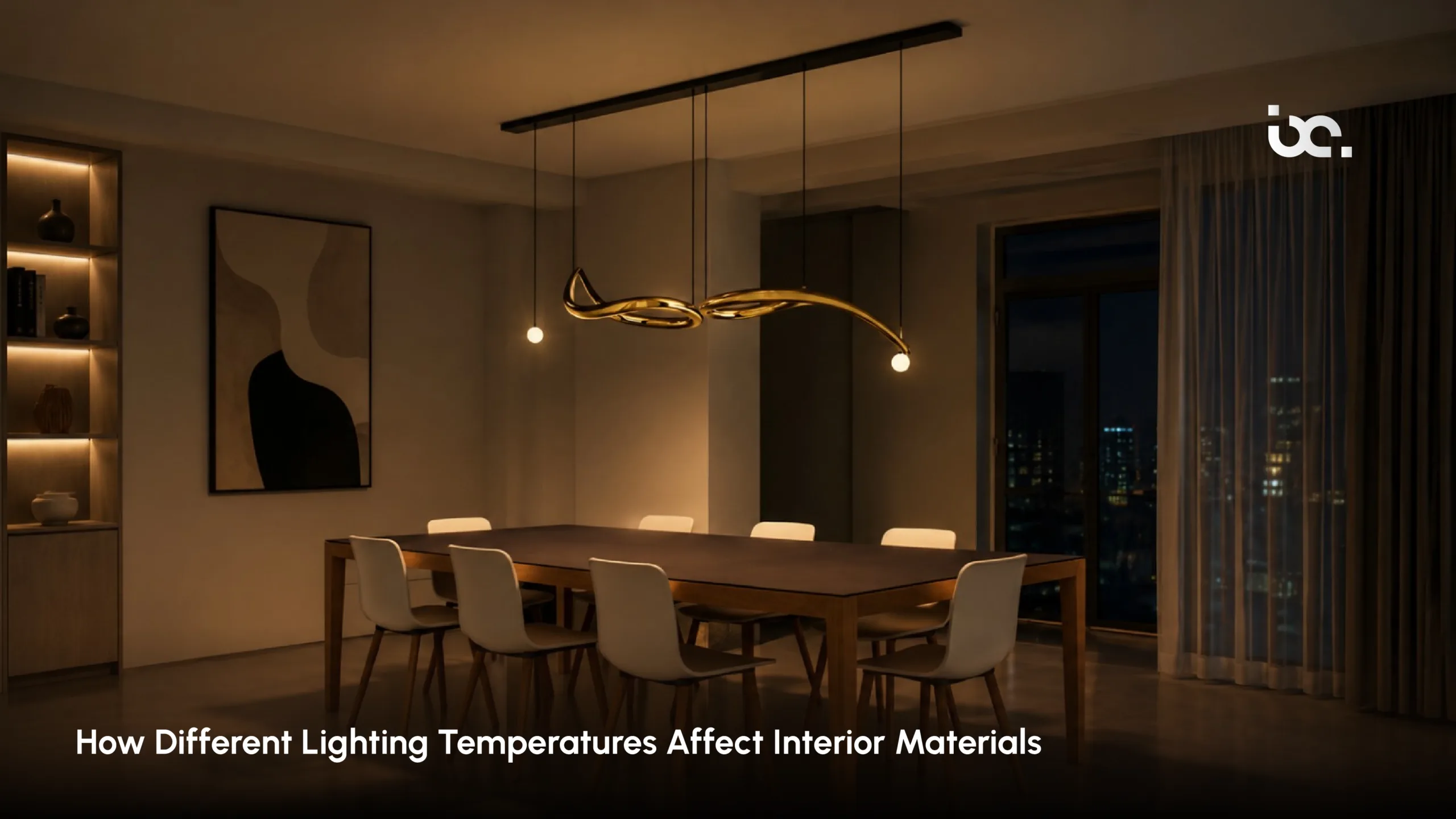
Luxury interiors are rarely defined by furniture or architecture alone. Their true character emerges through the careful interaction of materials, textures, and light.
A beautifully crafted marble surface, rich wooden flooring, or handcrafted metal finish can appear dramatically different depending on how it is illuminated. This subtle yet powerful relationship is often shaped by one essential design element: lighting colour temperature.
While homeowners frequently focus on selecting elegant fixtures, the colour of the light itself plays an equally important role. It influences how colours are perceived, how textures are experienced, and how comfortable a space feels throughout the day.
Choosing the right lighting colour temperature is therefore not simply a technical decision, it is an artistic one. Whether creating a welcoming living room, a refined dining area, or a contemporary workspace, understanding how light interacts with interior materials allows designers to create spaces that feel balanced, sophisticated, and timeless.
In this blog, we’ll explore how different lighting temperatures affect material finishes, compare warm white lighting and cool white lighting, and share practical insights for creating exceptional interior ambience.
Lighting colour temperature refers to the visual warmth or coolness of artificial light. It is measured in Kelvin (K), with lower values producing warmer tones and higher values creating cooler, brighter illumination.
Rather than changing the actual colour of furniture or finishes, lighting colour temperature changes how those materials are perceived by the human eye.
Generally:
Each temperature creates a distinct atmosphere and interacts differently with surrounding materials.
Selecting the appropriate temperature is one of the most influential decisions in luxury lighting design.
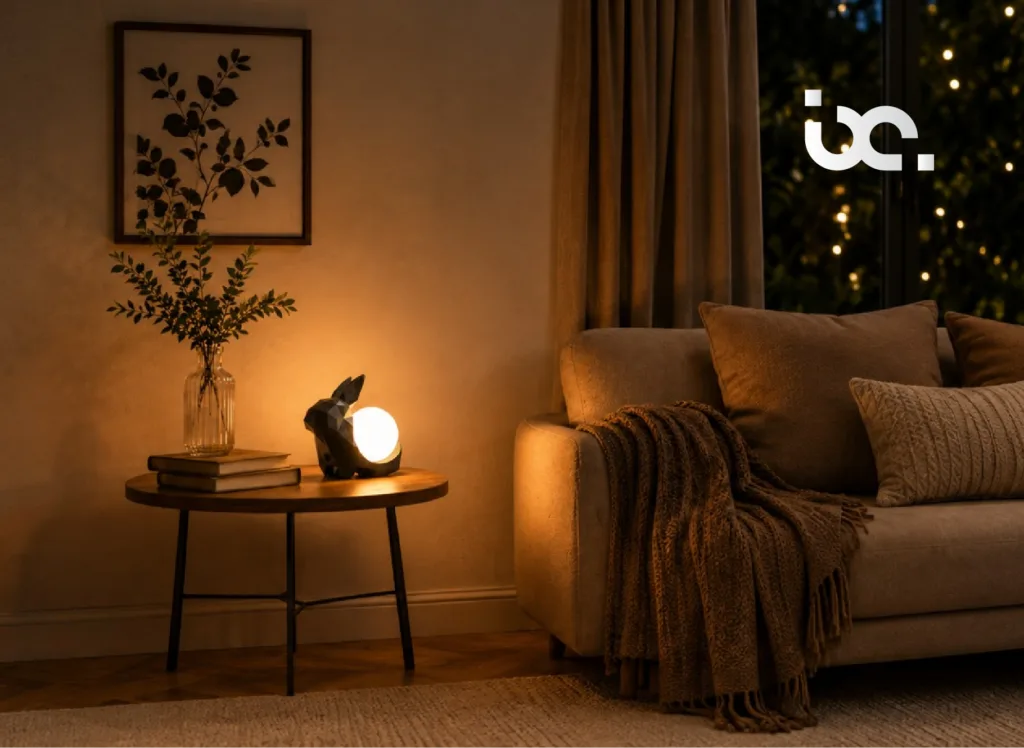
Warm white lighting has long been associated with refined residential interiors because of its inviting and sophisticated character. Its gentle golden tones soften surfaces while creating an atmosphere of comfort and relaxation. This makes it particularly suitable for:
Warm lighting enhances the richness of timber, emphasising natural grain patterns and bringing depth to wooden flooring, cabinetry, and furniture.
Cream-coloured marbles and natural stones appear softer and more luxurious under warmer illumination.
Metallic surfaces develop greater warmth and elegance, highlighting handcrafted details without excessive glare.
Velvet, linen, leather, and woven fabrics appear richer and more tactile, contributing to an inviting interior ambience.
Warm white lighting encourages spaces that feel intimate, timeless, and effortlessly elegant.
While warm lighting creates softness, cool white lighting introduces clarity, precision, and a contemporary aesthetic.
Used thoughtfully, it enhances clean architectural lines and emphasises modern material finishes.
It performs particularly well with:
Cool illumination highlights natural veining while preserving the crisp appearance of polished stone.
Transparent and reflective surfaces appear brighter and more defined under cooler lighting.
Modern metallic finishes gain a sleek, refined appearance with enhanced visual sharpness.
Cool white lighting reinforces simplicity by emphasising clean geometry and uncluttered spaces.
However, excessive use of cool lighting in residential settings may reduce warmth, making carefully balanced applications especially important.
The most memorable interiors are those where lighting feels inseparable from the materials surrounding it.
Rather than overpowering stone, wood, glass, or metal, thoughtfully selected illumination allows each finish to reveal its natural beauty.
This harmony between light and material is what transforms beautifully designed rooms into truly luxurious living environments.
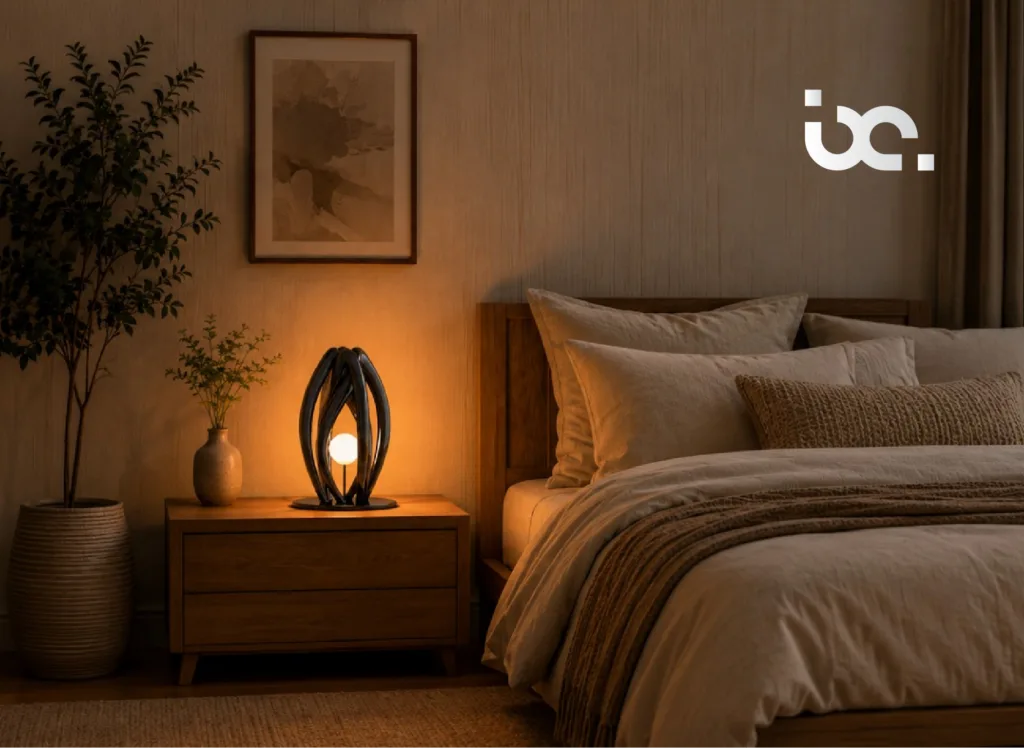
No single lighting temperature suits every room. Luxury interiors are carefully layered, with each space serving a different purpose and evoking a distinct mood. Selecting the appropriate lighting colour temperature allows materials, furnishings, and architecture to perform at their best while enhancing the overall experience of the home.
Living spaces benefit from warm white lighting, which creates an inviting atmosphere for conversation, relaxation, and entertaining. Soft illumination enhances timber furniture, natural stone, and upholstered seating while introducing a sense of comfort.
Dining rooms often become the setting for memorable gatherings. Warm lighting enriches the appearance of wood, ceramics, glassware, and table settings, making meals feel more intimate and refined.
Kitchens require greater visual clarity without sacrificing elegance. A balanced combination of neutral and cool white lighting works well for food preparation while maintaining harmony with marble countertops, metallic finishes, and cabinetry.
Bathrooms with marble, glass, and polished fittings often benefit from cooler illumination around mirrors for clarity, balanced with warmer ambient lighting to preserve a spa-like atmosphere.
Workspaces generally perform better with cool white lighting, which supports concentration while highlighting clean architectural details and modern material finishes.
By adjusting lighting according to function, homeowners create interiors that feel both practical and beautifully composed.
Luxury lighting extends beyond choosing beautiful fixtures. The way light interacts with architecture and finishes determines whether a room feels ordinary or extraordinary. These lighting design tips help create refined and balanced interiors.
Combine ambient, task, and accent lighting to add depth and flexibility throughout a room.
Direct light toward textured stone, timber, artwork, and architectural details to reveal their craftsmanship without overwhelming the space.
Highly polished finishes reflect more light, while matte surfaces absorb it. Understanding this balance helps avoid excessive glare.
Although different rooms may require different temperatures, transitions between spaces should remain visually comfortable and cohesive.
The most elegant interiors never feel harsh. Lighting should enhance daily living while supporting relaxation, conversation, and wellbeing.
When thoughtfully designed, lighting becomes almost invisible, not because it lacks presence, but because it feels perfectly integrated with its surroundings.
Beautiful interiors are remembered not simply because of the furniture they contain, but because of how they make people feel.
Lighting plays a central role in shaping that emotional response. It softens architectural lines, enriches natural materials, creates visual depth, and transforms ordinary evenings into memorable experiences.
Whether illuminating handcrafted timber, sculptural stone, or elegant metallic finishes, the right lighting colour temperature allows every material to express its full character while contributing to a sophisticated interior ambience.
Exceptional interior design is often defined by subtle decisions rather than dramatic gestures. Among these, the selection of lighting colour temperature remains one of the most influential yet frequently overlooked choices.
While materials such as marble, timber, glass, and metal possess inherent beauty, it is light that reveals their true character.
Warm white lighting introduces softness, intimacy, and timeless elegance, while cool white lighting highlights precision, clarity, and contemporary sophistication. Understanding how each interacts with different material finishes enables homeowners and designers to create interiors that feel balanced, refined, and deeply considered.
Ultimately, luxury is not simply about selecting premium materials, it is about allowing those materials to be experienced in their finest light.
By thoughtfully applying lighting design tips and considering the relationship between illumination and interior ambience, every residence can achieve a timeless elegance that endures well beyond changing design trends.
Lighting colour temperature refers to the warmth or coolness of light, measured in Kelvin (K), which affects how colours, textures, and materials appear within an interior.
Warm white lighting creates a soft, inviting atmosphere, while cool white lighting provides brighter, crisper illumination suited to modern and task-oriented spaces.
Natural wood, brass, bronze, warm-toned marble, leather, velvet, and textured fabrics generally appear richer and more inviting under warm white lighting.
Yes. When used thoughtfully, cool white lighting enhances glass, chrome, stainless steel, white marble, and contemporary architectural details while maintaining a refined aesthetic.
Different lighting temperatures influence how colours, textures, reflections, and surface details are perceived, changing the overall appearance of interior materials.
Experience radiant guidance tailored to your unique vision.