No products in the cart.

A luxurious home is not defined by furniture, finishes, or architecture alone. Light is what allows every chosen detail to reveal its character.
In villas and weekend homes, thoughtful lighting can transform a quiet corner into an intimate retreat, make architectural forms appear more sculptural, and create an atmosphere that feels polished without becoming excessive.
A successful villa lighting design is therefore less about adding more fixtures and more about understanding how light should move through a space. From welcoming entrances and serene bedrooms to landscaped gardens and expansive terraces, every area deserves its own lighting language.
Before selecting fixtures, study the architecture. The proportions of a villa, ceiling heights, wall textures, columns, arches, staircases, and large windows all influence how light should be introduced.
Architectural illumination can highlight these features with restraint. Recessed fixtures can wash textured walls softly, concealed linear lights can trace ceiling details, and narrow beams can draw attention to a dramatic façade. The intention should be to reveal the architecture rather than compete with it.
For luxury residences, subtle contrast is often more sophisticated than uniform brightness. A layered combination of light and shadow gives rooms depth and allows architectural features to remain visually interesting throughout the evening.
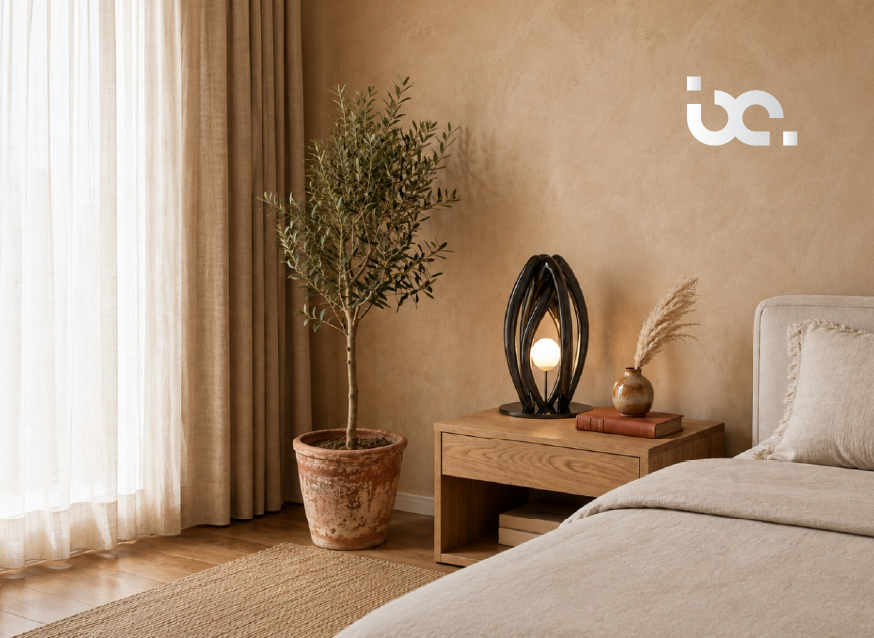
The most elegant interiors rarely depend on a single source of illumination. Instead, they combine several layers that work together.
Using these layers gives homeowners greater control over the mood. A bright setting may be suitable for entertaining, while softer illumination can create a calm, intimate environment later in the evening.
Colour temperature has a powerful influence on the character of a space. Warm white lighting generally complements natural stone, timber, brass, textured fabrics, and other premium materials beautifully. It creates a welcoming quality without making the interior feel overly yellow.
Consistency is equally important. Different colour temperatures placed too close together can make an otherwise refined interior feel visually disconnected. Select a considered palette and maintain it across connected spaces, while allowing functional areas to have slightly different requirements when necessary.
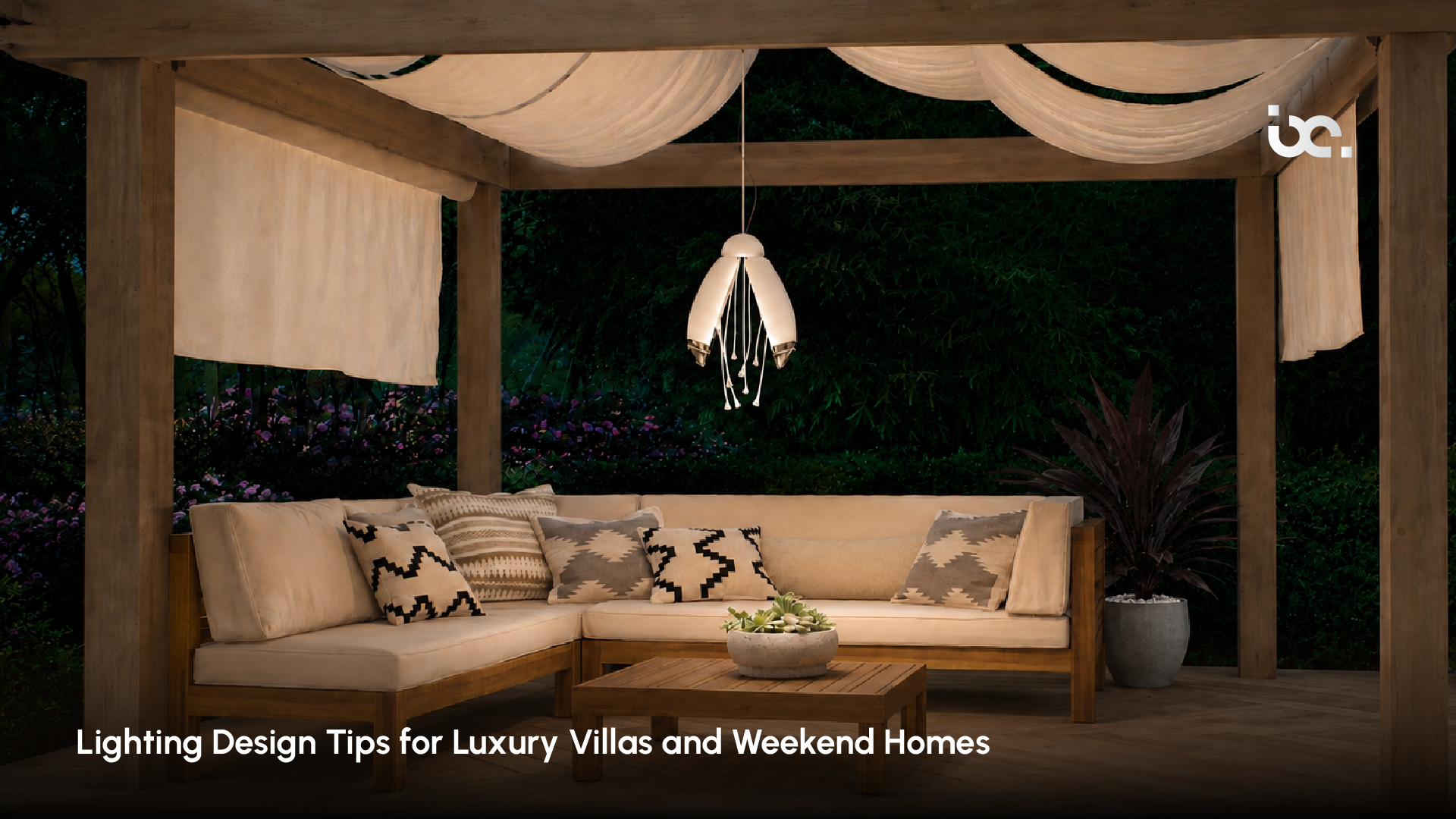
Outdoor spaces are an extension of the home, particularly in weekend villas where gardens, courtyards, balconies, and terraces are central to relaxation.
Good outdoor lighting should reveal the landscape without making it look artificially bright. Landscape lighting can be used to gently illuminate trees, pathways, water features, planters, steps, and textured boundary walls.
Consider techniques such as:
The goal is to create visual depth. Darker areas are valuable because they allow illuminated elements to feel more dramatic and natural.
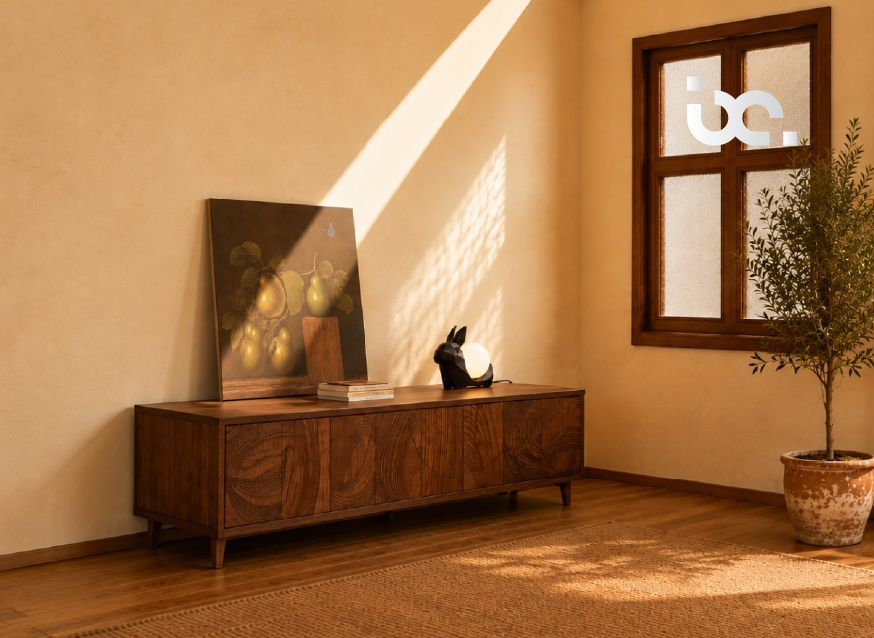
The entrance establishes the first impression of a villa. It should feel welcoming, composed, and distinctly connected to the architecture.
Instead of flooding the façade with light, highlight selected elements such as the main doorway, columns, stonework, landscaping, or a sculptural feature. A concealed source can often produce a more luxurious result than a prominent fixture.
Driveways and pathways should also be illuminated thoughtfully. The lighting needs to provide comfortable visibility while preserving the calm character of the property.
Decorative lighting can become an important design statement, particularly in double-height living rooms, dining areas, stairwells, and bedrooms. A sculptural pendant or elegant chandelier can act almost like jewellery within the room.
However, decorative fixtures should not be asked to perform every lighting function. Pair them with concealed or recessed sources so the fixture remains a visual highlight rather than the sole source of illumination.
For a refined look, consider scale carefully. An oversized chandelier can enhance a generous volume, while a delicate pendant may suit a more intimate setting. The fixture should feel proportionate to both the room and the architecture around it.
A weekend home may serve several purposes during a single evening: quiet reading, family dinners, entertaining guests, or outdoor gatherings. Lighting should adapt accordingly.
Dimmers and intelligent controls allow homeowners to shift between different moods without changing the physical installation. Separate controls for ambient, task, accent, and outdoor lighting make the system more versatile.
Scenes can also simplify everyday use. A relaxed evening setting might lower general illumination while highlighting artwork and landscape features. An entertaining scene could provide brighter dining and circulation areas while keeping the surrounding spaces softly lit.
Even expensive fixtures cannot compensate for poor planning. Some common mistakes can reduce the elegance of an otherwise beautiful home.
Planning lighting alongside architecture and interiors helps avoid these issues and creates a more cohesive result.
The most memorable villa lighting design is not necessarily the one with the most beautiful fixtures. It is the one where the source of light often disappears and its effect becomes the focus.
Concealed coves, recessed wall lights, carefully positioned spotlights, and integrated architectural details can create an atmosphere of quiet sophistication. When technology remains discreet, the materials, proportions, artwork, landscape, and people within the space take centre stage.
Luxury lighting is ultimately about balance. It should provide comfort without glare, drama without theatrical excess, and visibility without erasing the beauty of darkness.
For villas and weekend homes, the best approach is to design lighting as an integral part of the architecture from the beginning. Consider how each room will be used, how natural daylight changes throughout the day, how outdoor spaces connect with interiors, and how the atmosphere should feel after sunset.
When every layer has a purpose, light becomes more than a practical necessity. It becomes an architectural element that quietly shapes the experience of the home.
Villa lighting design is a planned approach to illuminating a villa’s interiors, architecture, landscape, and outdoor areas. It combines ambient, task, accent, and decorative lighting to create comfort, depth, and a refined atmosphere.
Layered lighting usually works best. A combination of ambient lighting, task illumination, accent sources, and carefully selected decorative fixtures provides flexibility while maintaining an elegant visual balance.
Outdoor lighting should highlight pathways, trees, architectural features, terraces, pools, and other landscape elements without excessive brightness. Low-glare fixtures and carefully controlled beams generally create a more sophisticated effect.
Architectural illumination brings attention to the structure itself. It can emphasize textures, proportions, columns, façades, niches, and other design details while adding depth to the property after sunset.
Warm white light is generally well suited to residential luxury spaces because it complements premium materials and creates a welcoming atmosphere. The final choice should consider the finishes, function, and overall design concept of each area.
Experience radiant guidance tailored to your unique vision.