No products in the cart.

Great architecture rarely needs to announce itself. The finest interiors often reveal their character gradually, through proportion, texture, material and carefully considered details.
Lighting plays an equally important role in that experience. When thoughtfully designed, it can draw attention to a sculptural staircase, a textured wall, an elegant ceiling or a beautifully crafted doorway without making the lighting itself the centre of attention.
This is the essence of architectural feature lighting: enhancing what already exists rather than competing with it.
In sophisticated interiors, illumination should feel almost effortless.
A beautifully lit space does not necessarily look brighter. Instead, it feels more dimensional, balanced and inviting. Shadows become intentional, materials gain depth and architectural details acquire a quiet presence.
The art lies in knowing where light belongs, how much is enough and which qualities of light complement the architecture.
Architectural feature lighting is the considered use of illumination to emphasise specific architectural elements within a space. Rather than lighting every surface uniformly, it creates hierarchy by directing attention toward selected details.
This approach can transform the way an interior is perceived. A stone wall can appear richer when gently grazed with light. A recessed ceiling can gain depth through concealed illumination. A curved staircase can become a graceful sculptural element when softly highlighted from the side.
The intention is not to make every feature equally prominent. Instead, lighting establishes a visual rhythm.
An elegant lighting scheme typically considers:
When these elements are balanced, architectural feature lighting feels integrated rather than decorative.
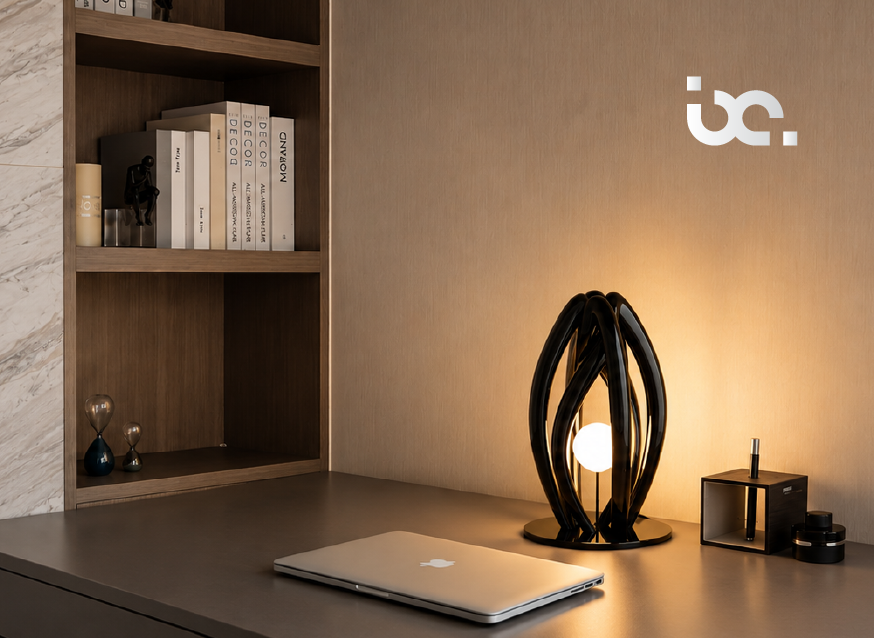
One of the most common mistakes in architectural illumination is starting with the light fixture rather than the architecture. A more refined approach begins by identifying what deserves attention.
Look at the space as a composition. Perhaps the most compelling feature is a dramatic stone wall. Perhaps it is a ceiling with delicate mouldings, an arched passage or a custom-built joinery detail.
Once these features are identified, lighting can be introduced to reveal their qualities. The question should not simply be, “Where can a light be placed?” It should be, “What deserves to be seen?” This subtle shift in thinking makes the lighting more restrained and purposeful.
Walls can become some of the most expressive elements of an interior when illuminated correctly. Stone, timber, plaster, marble and textured finishes all respond differently to light.
Wall lighting can be particularly effective when it creates gentle grazing or washing effects. Grazing light is positioned close enough to a textured surface to reveal its relief, while wall washing provides a broader and softer distribution. The choice depends on the material.
A rough stone surface may benefit from directional illumination that creates delicate shadows across its irregularities. A smooth plaster wall may look better with a wider, softer distribution. The objective is not maximum brightness. Too much intensity can flatten texture and make a sophisticated finish appear harsh. Soft, controlled wall lighting allows the material to remain the visual focus.
Ceilings are often overlooked when lighting schemes are developed, yet they can dramatically influence the atmosphere of an interior. Coffered ceilings, beams, recesses, arches and layered architectural forms can all benefit from discreet illumination.
Concealed LED lighting is particularly effective when the source itself remains hidden. Light can emerge from a recess or architectural edge, creating a subtle glow that defines the geometry without visually cluttering the ceiling.
Ceiling details can also be enhanced through carefully positioned downlights. However, spacing and beam direction should be considered carefully. Too many visible fixtures can interrupt an otherwise elegant architectural composition. A refined ceiling treatment often relies on fewer, better-positioned sources.
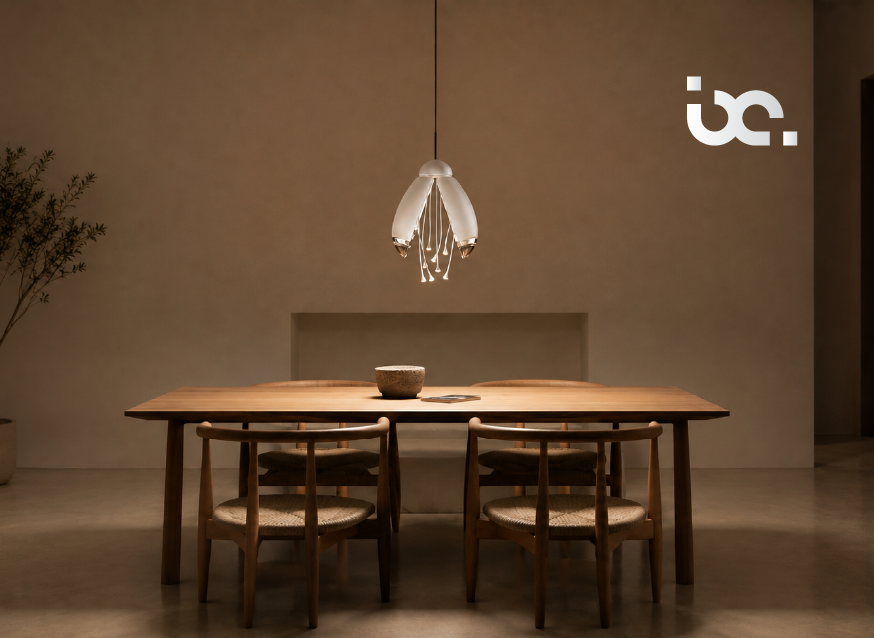
Accent illumination creates emphasis. It can draw the eye toward artwork, a sculptural object, an architectural niche or an unusual material. Its effectiveness comes from contrast.
If everything in a room receives the same level of illumination, nothing feels particularly important. A slightly brighter architectural element against a softer background can create visual hierarchy without requiring excessive brightness.
Accent illumination works particularly well when layered with ambient and task lighting. For example, a living room might have:
Each layer performs a different role while contributing to the same atmosphere.
Luxury interiors are not necessarily defined by brightness. Often, their sophistication comes from the way light and shadow coexist. Shadows reveal depth. They give surfaces dimension and prevent a space from appearing flat. When every corner is illuminated equally, architectural details can lose their sense of mystery.
Architectural feature lighting should therefore leave room for darkness. A recessed niche may be more striking when its edges are illuminated while its deeper surface remains relatively subdued. A textured wall may appear richer when directional light creates delicate variations across it.
This is where restraint becomes important. Light should reveal enough to invite attention without explaining every detail.
Colour temperature can dramatically affect how architectural materials appear. Warm white illumination generally creates an intimate and welcoming atmosphere, making it well suited to residential spaces, hospitality environments and areas where comfort is important.
Cooler light can feel crisp and contemporary, although it needs to be selected carefully around materials such as natural wood, stone and warm-toned finishes.
When designing architectural interiors, the colour temperature should complement the materials rather than simply follow a trend.
Consistency also matters. If adjoining areas use noticeably different colour temperatures without a clear reason, the space can feel visually fragmented.
The direction from which light reaches a surface influences how that surface is perceived. Front lighting tends to reveal colour while reducing shadows. Side lighting can reveal texture and depth. Light from above can emphasise vertical forms, while concealed illumination from below can create a floating or dramatic effect.
Consider a sculptural staircase. A light placed directly above it may provide sufficient visibility, but discreet illumination beneath steps or along a nearby wall can reveal its architectural form more elegantly. Similarly, a decorative arch may benefit from light positioned to follow its curve rather than simply flooding the entire area. Good feature highlighting is therefore as much about direction as intensity.
Architectural interiors often contain several competing elements. Flooring, furniture, artwork, wall finishes, ceilings and decorative objects all contribute to the visual identity of a room.
Lighting should help establish a hierarchy among these elements. If a dramatic architectural feature is already visually strong, excessive illumination can make the room feel busy. A more restrained treatment may allow the feature to stand out naturally. Balance can be created through:
The most successful scheme is rarely the one with the most lighting. It is the one in which every source has a reason to exist.
Overlighting is one of the easiest ways to diminish architectural elegance. When too many fixtures are installed, surfaces can become excessively bright and the original character of the architecture may disappear. Feature lighting should remain selective.
Instead of illuminating every wall, identify one or two surfaces that deserve emphasis. Instead of filling an intricate ceiling with visible fixtures, consider concealed sources that reveal its contours.
Dimmers are also valuable because they allow lighting levels to change according to the time of day, activity and mood.
A dining room, for instance, may require brighter illumination during preparation and softer lighting during an evening gathering.
The most luxurious lighting solutions often disappear into the architecture. Recessed fixtures, concealed linear lighting and carefully integrated profiles can provide illumination without competing visually with the surrounding design.
This is especially valuable in minimalist spaces, where visible hardware can interrupt clean architectural lines. Integration should be considered during the design stage rather than added as an afterthought. Electrical points, ceiling recesses, joinery details and wall construction can all influence the final result.
When lighting and architecture are planned together, the result feels intentional.
Different rooms require different approaches to architectural feature lighting. In living rooms, textured walls, fireplaces and shelving can become focal points.
In bedrooms, concealed lighting around headboards, ceiling recesses or wall panels can create a calm atmosphere. In dining spaces, architectural details can be highlighted while keeping the central table visually dominant.
In hospitality environments, feature lighting can reinforce the identity of the space by emphasising materials, entrances, columns and sculptural forms. The principle remains consistent: identify the feature, understand its material and illuminate it with enough restraint to preserve its character.
A sophisticated interior rarely relies on one type of illumination. Instead, different layers work together. Ambient lighting provides general visibility. Task lighting supports practical activities. Accent illumination creates emphasis. Architectural feature lighting can sit between these categories, shaping the visual identity of the room.
The layers should complement rather than compete. When ambient lighting is kept relatively soft, carefully selected architectural highlights can become more expressive. This creates depth and gives the interior a more curated appearance.
Exceptional lighting does not compete with architecture. It reveals it. Architectural feature lighting can transform ordinary visibility into a carefully composed visual experience, allowing textures, proportions, curves and crafted details to emerge naturally. Through considered wall lighting, discreet attention to ceiling details and precise accent illumination, designers can create interiors that feel layered, intimate and sophisticated.
The secret is restraint. Light should guide the eye without demanding it. Shadows should remain part of the composition. Fixtures should be integrated wherever possible, and every illuminated feature should have a clear purpose.
In refined architectural interiors, the most successful lighting is often the lighting that feels almost invisible. It quietly reveals the beauty that was already there.
Architectural feature lighting is a lighting approach used to emphasise specific architectural elements such as textured walls, ceilings, arches, staircases, niches and structural details.
Wall lighting can reveal texture, depth and material character. Directional lighting can create subtle shadows across stone or textured surfaces, while softer wall washing can provide a more even effect.
Ceiling details can be enhanced with concealed linear lighting, recessed fixtures or carefully positioned directional sources. The approach should reveal the ceiling’s geometry without creating unnecessary visual clutter.
Accent illumination is focused lighting used to draw attention to a particular feature, object or surface. It works by creating contrast between the highlighted element and its surroundings.
Yes. Excessive illumination can flatten textures, reduce shadows and make a space feel visually crowded. Selective lighting generally creates greater depth and sophistication.
Experience radiant guidance tailored to your unique vision.