No products in the cart.


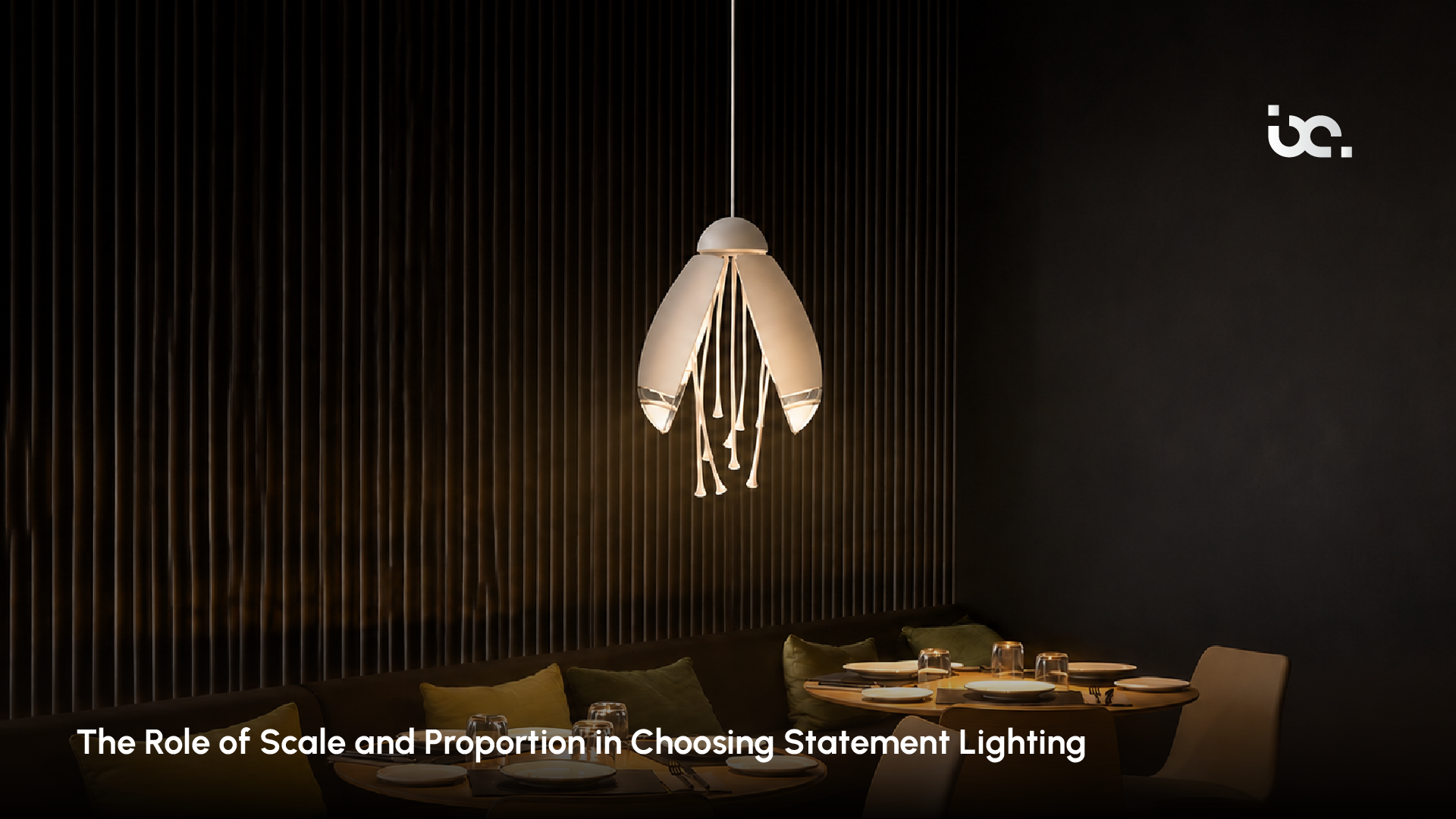
Lighting is one of the most influential elements in an interior, yet it is often chosen after the furniture, finishes, and accessories have already been decided.
A beautiful fixture can certainly attract attention, but its real impact depends on how naturally it belongs to the space around it. This is where lighting scale and proportion become essential.
A statement light should feel intentional rather than simply large or decorative. The right fixture can give a room presence, create an elegant focal point, and reinforce the architectural character of the interior. The wrong one, however, can make a carefully designed room feel cramped, unbalanced, or visually disconnected.
Understanding lighting scale and proportion allows homeowners, designers, and architects to select statement fixtures that complement the dimensions, furniture, ceiling height, and overall atmosphere of a room. It is less about following rigid measurements and more about creating a sense of visual harmony.
Scale refers to the relationship between the size of a lighting fixture and the surrounding space. Proportion considers how the different elements within that space relate to one another.
These two concepts work together. A large chandelier in a generous dining room may look magnificent, while the same chandelier could overwhelm a compact dining area. Similarly, a small pendant might look delicate and refined in a bedroom but disappear above a large kitchen island.
Lighting scale and proportion help determine whether a fixture feels naturally integrated into an interior.
When assessing a statement light, consider:
These details create the framework within which a statement fixture can truly shine.
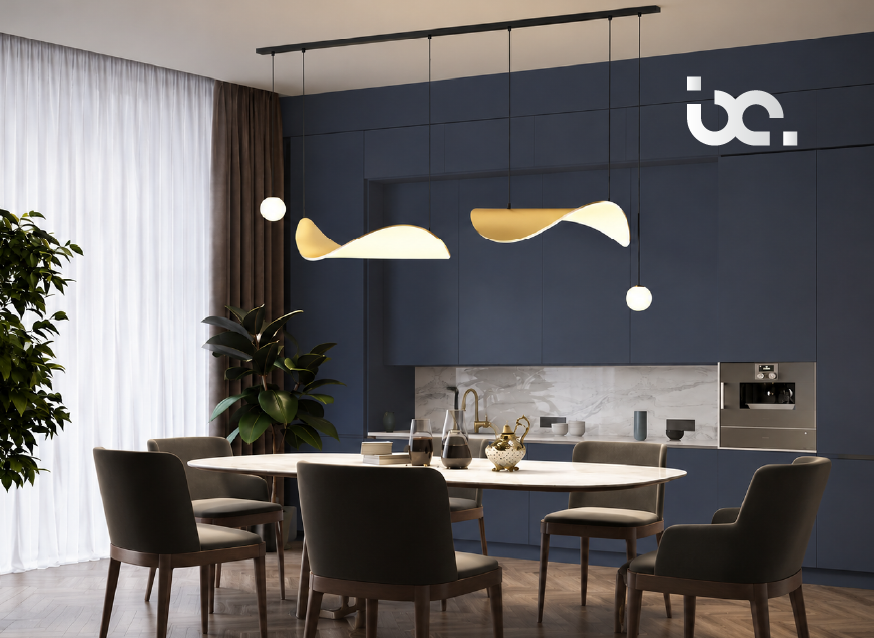
Every room has its own visual rhythm. A long dining table, a generous seating arrangement, or a dramatic architectural feature creates a different setting for lighting than a compact hallway or intimate bedroom. Room proportions should therefore be considered before choosing the fixture.
In a spacious room with high ceilings, a substantial pendant or chandelier can anchor the space without appearing excessive. In a smaller room, a fixture with a lighter silhouette may provide the same decorative impact without competing with the architecture.
The goal is not necessarily to match the size of the room exactly. Instead, the lighting should have enough presence to hold its own while leaving sufficient visual breathing space around it.
For example, a large open-plan living area may benefit from oversized lighting positioned above a central seating arrangement. The fixture can define the living zone while giving the expansive room a more intimate character.
Oversized lighting has become a defining feature of sophisticated interiors. When handled thoughtfully, an unusually large fixture can transform an ordinary room into a memorable space.
However, oversized lighting should never feel accidental. Its success depends on balance.
A dramatic chandelier can work beautifully in a room with restrained furniture and clean architectural lines. The contrast allows the lighting to become the centrepiece without creating visual competition.
Oversized lighting is particularly effective when:
The key is to make the size appear deliberate. A large fixture should feel like part of the design concept rather than an object that simply happens to be too big.
Statement fixtures are designed to attract attention, but attention does not mean dominance. A successful lighting design gives the eye a place to rest. This is why visual balance matters.
Imagine a dining room with a long marble table, sculptural chairs, and a dramatic chandelier. If the chandelier is too small, the room may feel unfinished. If it is excessively large, it can overpower the table and make the ceiling feel visually heavy. The ideal fixture establishes a relationship between the table, ceiling, and surrounding architecture.
For dining rooms, chandelier sizing often begins with the dimensions of the table and the available ceiling space. A fixture should generally relate to the table’s width without extending so far that it interferes with movement or overwhelms the seating arrangement.
The same principle applies to kitchen islands. Instead of selecting pendants based solely on their individual beauty, consider how many fixtures the island requires, the spacing between them, and their combined visual weight.
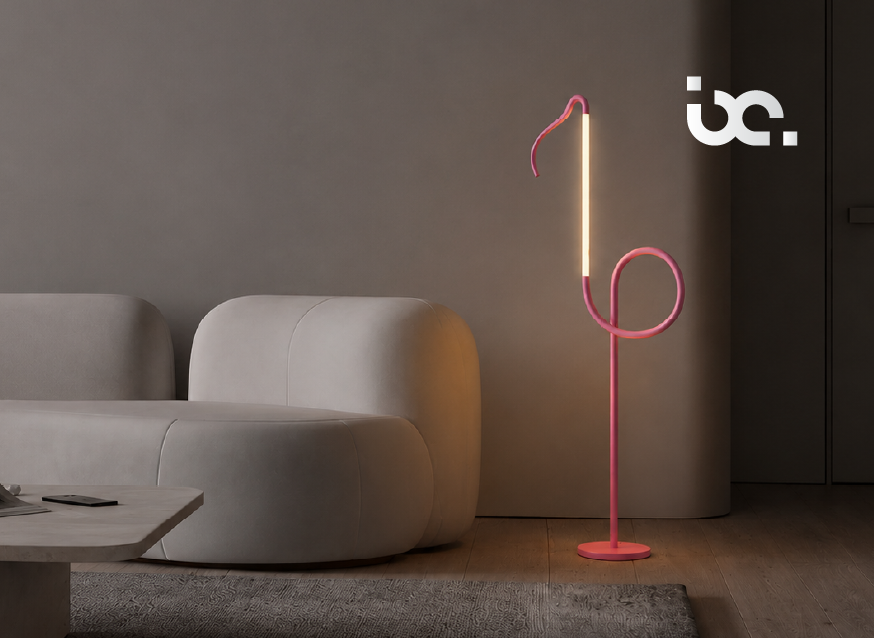
Chandeliers are among the most expressive forms of decorative lighting, which makes chandelier sizing particularly important.
A commonly used starting point is to add the length and width of a room in feet and use that number as an approximate diameter in inches for a central chandelier. For example, a 12-by-16-foot room could accommodate a chandelier around 28 inches in diameter as a starting point. This is a guideline rather than a strict rule.
The architecture, furniture, and desired mood should ultimately determine the final choice. In a grand room, a larger chandelier may be appropriate even when a basic calculation suggests a smaller fixture. Conversely, a visually delicate chandelier may need to be chosen for a compact interior.
Height deserves equal attention. A fixture suspended too low can interrupt the room’s flow, while one placed too high may lose its decorative presence.
In dining areas, the chandelier should sit comfortably above the table, allowing people to converse without the fixture becoming an obstruction. In rooms with particularly high ceilings, a longer drop or multi-tiered design can help visually connect the ceiling with the furniture below.
Lighting scale and proportion are closely connected to broader interior design principles such as balance, rhythm, contrast, hierarchy, and repetition. A statement fixture can reinforce these principles in subtle ways.
For example, a sculptural pendant can echo the curves of an occasional chair or rounded coffee table. A linear chandelier can complement a long dining table and reinforce the geometry of the room. A cluster of pendants can create rhythm above a kitchen island. Material also influences perceived scale.
A chandelier made from transparent glass may appear visually lighter than a solid metal fixture of the same dimensions. Brass, bronze, stone, and dark finishes can introduce greater visual weight, while delicate frames and open structures can make a larger fixture feel more refined.
This means dimensions alone do not tell the whole story. Two fixtures with identical measurements can have completely different effects on the same interior.
Furniture provides another important reference point when selecting statement lighting. A fixture should relate to the furniture beneath it rather than existing as an isolated decorative object. Above a dining table, the relationship is particularly direct. Above a coffee table, the light should correspond to the seating arrangement and maintain comfortable sightlines.
In a bedroom, the scale of a pendant or chandelier should complement the bed rather than compete with it. A dramatic fixture can create a luxurious focal point when paired with understated bedside furniture and elegant textiles.
In living rooms, statement lighting can also help define zones. A large pendant over a seating area can visually anchor the arrangement, while smaller decorative lights can provide layers of illumination around it.
This layered approach prevents one statement fixture from carrying the entire responsibility of lighting the room.
Good lighting scale and proportion are not simply mathematical exercises. They are also about perception. A fixture can be technically suitable in size but still feel wrong because its shape, material, or visual density conflicts with the interior.
Consider a room with ornate mouldings, rich wood, and traditional furniture. A highly industrial pendant may introduce an interesting contrast, but its scale and visual language must still relate to the surrounding elements. Likewise, a minimalist interior may welcome a bold sculptural chandelier precisely because the restrained surroundings give it room to breathe.
This is where personal taste and design instinct become important. Measurements establish boundaries, but proportion creates harmony.
Even an expensive lighting fixture can look underwhelming when its scale is poorly judged. A few common mistakes are worth avoiding:
It is also important to consider the view from different parts of the room. A fixture may look perfect from one angle but appear disproportionately large when viewed from the entrance or adjoining space.
The most elegant interiors rarely depend on a single source of illumination. Instead, they combine ambient, task, and accent lighting to create depth.
A statement chandelier might provide the visual centre, while wall lights, table lamps, recessed fixtures, or concealed illumination support the atmosphere.
This approach allows the statement piece to remain decorative without making it solely responsible for functional lighting.
The result is a room that feels layered and considered. During the day, the fixture can function almost like a piece of sculpture. In the evening, it becomes part of the room’s atmosphere, casting light and shadow across surrounding surfaces.
That dual role is what makes well-chosen statement fixtures so powerful.
Luxury in interior design is rarely about excess. It is about precision, restraint, and knowing exactly how much of something a space requires.
Lighting scale and proportion embody this philosophy. A fixture does not need to be enormous to be impressive, nor does a grand room always require an extravagant chandelier.
Sometimes, the most sophisticated choice is a beautifully proportioned fixture that quietly completes the architecture.
When the dimensions, materials, silhouette, and placement are right, lighting becomes more than illumination. It becomes part of the identity of the room.
Choosing statement lighting is an exercise in balance. From oversized lighting in expansive interiors to delicate pendants in intimate rooms, every fixture needs a meaningful relationship with its surroundings.
Understanding lighting scale and proportion makes it easier to create that relationship. By considering room proportions, furniture, ceiling height, material weight, and chandelier sizing, designers can choose statement fixtures that feel intentional and refined.
The most successful lighting does not simply fill a ceiling or brighten a room. It completes the composition. When proportion is carefully considered, even the most dramatic fixture can feel effortlessly elegant.
Lighting scale refers to how the size of a fixture relates to the room, while proportion considers how the fixture relates to furniture, architecture, and other elements. Together, they help create visual balance.
Yes, but it needs careful consideration. A sculptural oversized fixture can create a striking focal point in a smaller room when the surrounding furniture and décor are relatively restrained.
Use the room’s dimensions as a starting point, but also consider the dining table, ceiling height, furniture, and visual weight of the chandelier. Standard sizing formulas are useful guidelines rather than absolute rules.
It does not need to match exactly. Instead, the fixture should complement the furniture through proportion, material, shape, or visual weight.
Ceiling height affects both the physical placement and perceived scale of a fixture. Higher ceilings can accommodate larger or multi-tiered designs, while lower ceilings often benefit from shallower or more compact fixtures.
Experience radiant guidance tailored to your unique vision.