No products in the cart.

Lighting has the ability to change the character of a room without altering its architecture. A carefully chosen fixture can soften a space, draw attention to a sculptural detail, or become an object of fascination in its own right.
In refined interiors, however, lighting is rarely chosen simply for its ability to illuminate. It is selected for its form, material, proportion and the experience it creates.
This is where luxury lighting craftsmanship becomes especially significant. At the intersection of design and skilled making, lighting becomes more than a functional element. It becomes an expression of considered design.
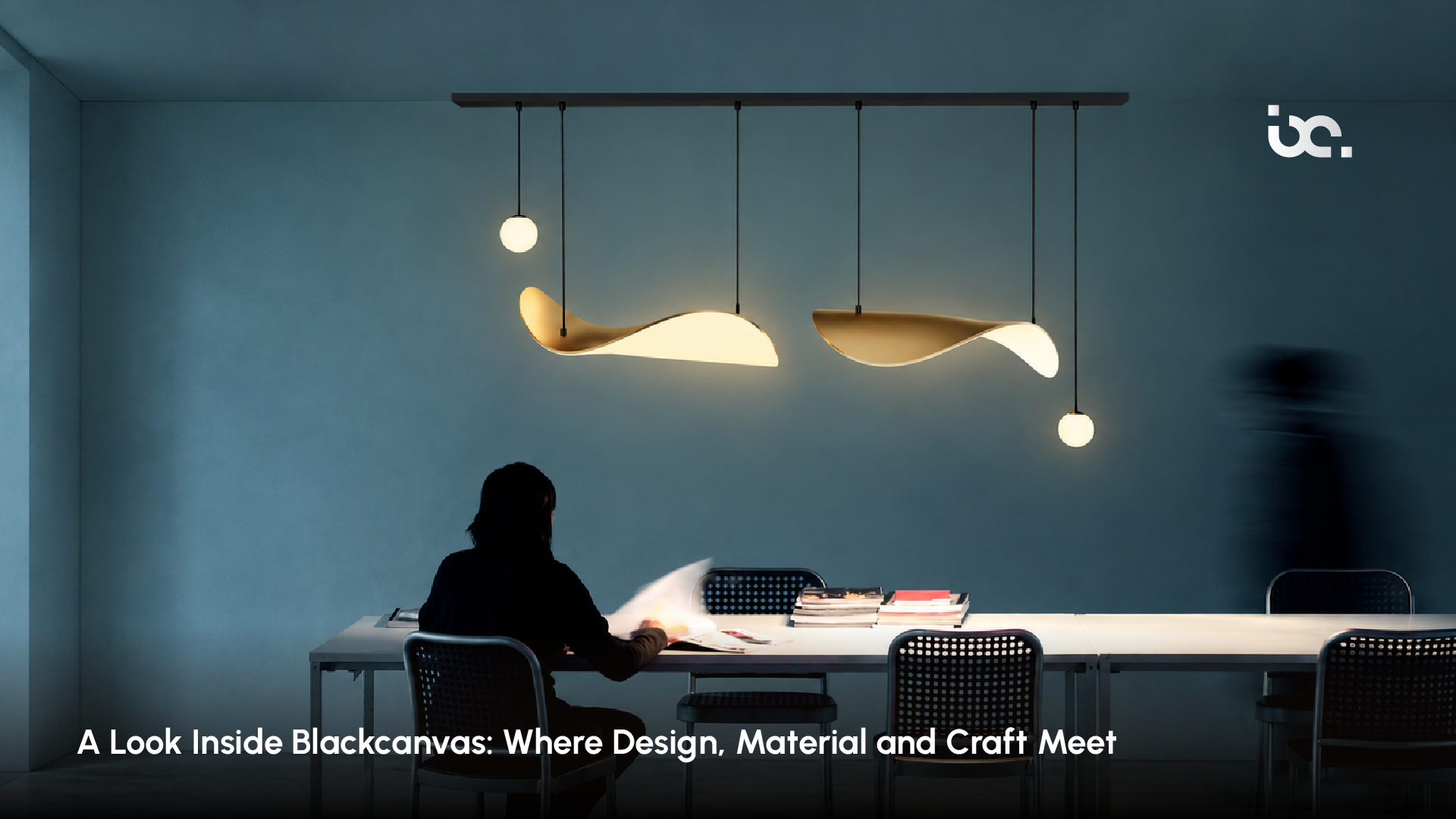
Blackcanvas approaches lighting from this perspective, bringing together thoughtful aesthetics, carefully selected materials and an appreciation for the craft behind every piece. The result is lighting designed not merely to occupy a room, but to contribute to its identity.
Every memorable lighting piece begins with a design concept. Before metal is shaped or glass is finished, there is an idea about how the fixture should look, feel and exist within its surroundings.
For a designer lighting studio, this creative process involves much more than following current trends. It requires an understanding of proportion, scale, texture and the relationship between a fixture and the architecture around it.
Blackcanvas places emphasis on designs that feel distinctive without becoming visually excessive. The intention is to create pieces that can hold attention while still allowing the wider interior to breathe.
This balance is particularly important in luxury interiors. A sophisticated space does not necessarily require more decoration. Instead, it benefits from carefully selected elements that have enough character to stand on their own.
A thoughtfully designed lighting fixture can provide exactly that kind of presence.
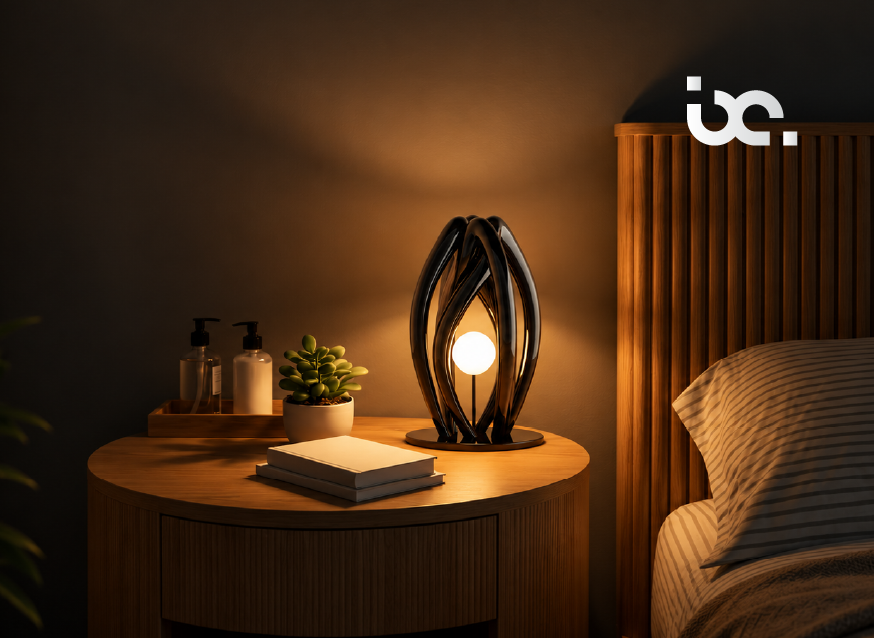
Design gives a lighting fixture its identity, but material gives it personality.
The surface of brushed metal catches light differently from polished metal. Textured glass introduces another layer of depth, while stone, wood or other carefully considered finishes can bring warmth and tactility to an otherwise architectural piece.
This is why material craftsmanship is central to creating exceptional lighting. The choice of material affects not only appearance, but also weight, texture, reflection and the way light moves through or across the fixture.
When materials are chosen with intention, even subtle details become noticeable.
Consider the difference between a perfectly smooth surface and one that reveals delicate variations created through finishing. Both may serve the same practical purpose, but they communicate very different levels of character.
In premium lighting, these distinctions matter.
There is an undeniable quality to objects that have been carefully made by skilled hands. Handcrafted lighting carries a sense of individuality because its creation involves expertise, patience and attention to detail.
Unlike mass-produced pieces that are designed primarily for consistency and efficiency, handcrafted lighting can allow greater attention to individual components and finishing.
This does not mean that every element must appear deliberately imperfect. Rather, it means that the making process itself receives importance.
Craftsmanship can be seen in details such as:
These details may not always announce themselves immediately. Yet they contribute significantly to the overall impression of quality.
That quiet attention is one of the defining characteristics of luxury lighting craftsmanship.
Traditional making and modern technology are not opposites. In contemporary lighting design, they often work together.
Advanced tools can help designers develop complex forms, test proportions and achieve precise measurements. Skilled craftspeople then bring these designs into physical form, refining materials and finishes along the way.
This combination creates possibilities that would be difficult to achieve through either approach alone.
Digital design can establish accuracy, while craftsmanship provides sensitivity and refinement. Technology can define the structure, while the human hand can respond to the nuances of a particular material.
The result is lighting that feels both contemporary and deeply considered.
For Blackcanvas, this relationship between innovation and craftsmanship allows design to remain expressive without losing precision.
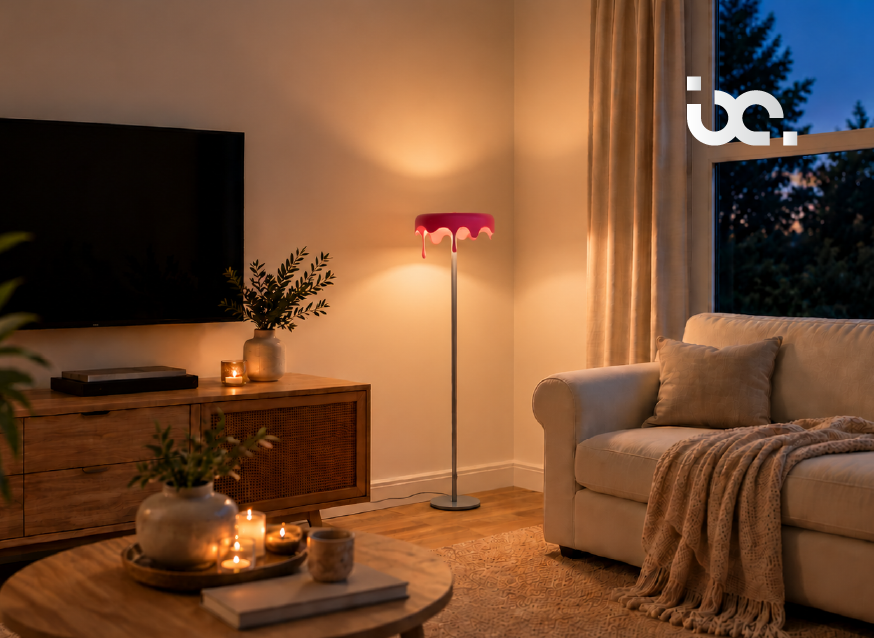
No two sophisticated interiors are exactly alike. A private residence may have a dramatic double-height entrance, while a boutique hospitality space may rely on intimate pools of light and carefully controlled ambience.
This is where bespoke fixtures become particularly valuable.
Rather than treating lighting as a standard addition to an already completed interior, bespoke design can respond directly to the character of the space. Dimensions, finishes, proportions and visual presence can be considered as part of the larger design language.
A bespoke fixture may be created to:
The appeal lies in the sense of integration. The fixture feels as though it belongs to the architecture rather than simply being placed within it.
Luxury interiors are often defined by restraint. Rich materials, carefully edited furniture and considered architectural details create an environment where every element has a purpose.
Lighting plays an important role within this composition.
A statement pendant over a dining table can establish intimacy. A sculptural chandelier can add drama to an entrance hall. Delicate wall lighting can highlight artwork or architectural surfaces without competing for attention.
The finest lighting does not simply brighten a room. It shapes how the room is perceived.
This is another reason luxury lighting craftsmanship matters. When a fixture has been carefully designed and made, its visual contribution can extend beyond illumination. Its proportions, materials and details become part of the interior itself.
The name Blackcanvas suggests an interesting philosophy: a blank surface waiting for an idea to take form.
Within this approach, lighting can become an artistic medium. Instead of beginning with the assumption that a fixture must look a certain way, the design process can explore how form, material and light interact.
This creates room for experimentation while retaining a strong sense of sophistication.
Blackcanvas represents the kind of design thinking in which lighting is not treated as an afterthought. The fixture is considered as an object with its own architectural presence, while still serving the practical requirements of the space.
That balance is essential.
A beautiful light that overwhelms its surroundings may lose its elegance. Conversely, a fixture that is too restrained may fail to contribute anything distinctive. The most successful designs understand exactly where they should sit between the two.
Trends change quickly. Finishes become fashionable, silhouettes evolve and interior preferences shift. Craftsmanship, however, has a longer life.
A well-made fixture can remain relevant because its appeal does not depend entirely on a particular moment in design. Quality materials, thoughtful proportions and careful construction have an enduring visual language.
This is especially relevant for clients investing in premium interiors. Lighting is often expected to remain part of a space for many years, making longevity an important consideration.
Good craftsmanship supports that longevity in several ways. Strong construction contributes to durability, while carefully considered design can prevent a piece from feeling dated too quickly.
More importantly, a well-crafted fixture can acquire emotional value over time. It becomes associated with a particular home, room or experience.
That is something mass production cannot easily replicate.
The most interesting lighting designs exist somewhere between architecture, furniture and art.
They illuminate, but they also frame. They define atmosphere, create rhythm and introduce texture. They can make a high ceiling feel more intimate or transform a quiet corner into a focal point.
This broader role explains why luxury lighting craftsmanship deserves attention when planning a sophisticated interior.
A lighting fixture should be considered in relation to the entire environment:
When these elements work together, lighting feels effortless.
Blackcanvas reflects a contemporary understanding of luxury lighting, where design and craftsmanship are inseparable. Its approach brings together form, material and skilled making to create fixtures with character and presence.
The value of luxury lighting craftsmanship lies in these details. It is found in the way a material is finished, the precision of an assembly, the balance of a silhouette and the thought behind how a fixture interacts with architecture.
From handcrafted lighting to bespoke fixtures, every decision can influence the atmosphere of a space. And when those decisions are made with restraint and intention, lighting becomes far more than a source of illumination.
It becomes part of the story an interior tells.
Luxury lighting craftsmanship refers to the careful design, material selection, construction and finishing involved in creating premium lighting. It places emphasis on quality, detail, individuality and long-term appeal.
Materials influence how a fixture looks, feels and interacts with light. High-quality materials and refined finishes can add depth, texture and character to an interior.
Handcrafted lighting receives greater attention during the making and finishing process. Skilled workmanship can create distinctive details and a level of refinement that supports the individuality of each piece.
Bespoke fixtures are lighting pieces designed or adapted for a particular space, project or client. Their dimensions, materials, finishes or overall design may be tailored to complement a specific interior.
Lighting influences atmosphere, visual hierarchy and architectural perception. A well-designed fixture can function as both illumination and a sophisticated decorative or sculptural element.
Experience radiant guidance tailored to your unique vision.