No products in the cart.

Lighting has always been one of the quietest ways to transform an interior. Furniture establishes function, materials create texture, and architecture defines the structure of a room. Lighting brings these elements together, influencing how they are perceived at different times of the day.
Among the many techniques used in sophisticated interior design, wall washing lighting stands out for its ability to create atmosphere without demanding attention.
Rather than focusing light on a single decorative object, it spreads illumination across an entire wall, allowing the architecture, colour and surface to become part of the visual experience.
The effect can be subtle, dramatic or almost ethereal, depending on the intensity, positioning and colour temperature of the light. In contemporary interiors, where restraint and clean architectural lines are often valued, this technique offers an elegant way to introduce depth and ambience.
Wall washing is a lighting technique in which a broad, even layer of light is directed across a vertical surface. The fixture is generally positioned at a suitable distance from the wall so that the illumination spreads smoothly rather than creating concentrated pools of brightness.
Unlike a spotlight, which draws attention to a specific point, wall washing lighting treats the wall as a continuous visual plane.
This makes it particularly effective when the wall itself is important to the design. A beautifully painted surface, stone installation, textured finish or architectural feature can become more prominent simply through carefully controlled illumination.
The technique is often achieved through recessed fixtures, concealed linear lighting, ceiling-mounted fittings or carefully positioned wall washer lights.
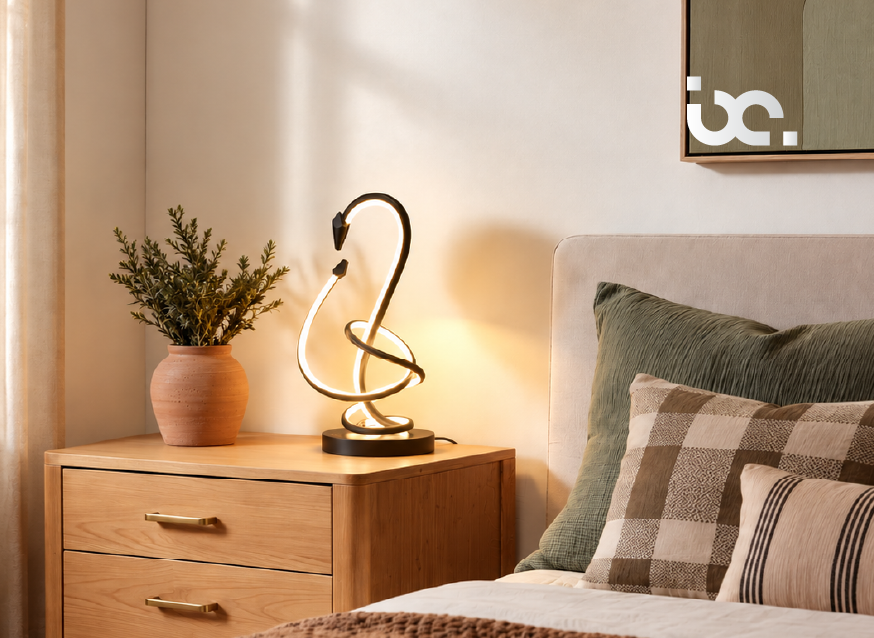
Contemporary design often relies on proportion, simplicity and material quality rather than excessive ornamentation. In such spaces, light becomes an important design element because it can introduce visual interest without adding another physical object.
Wall washing lighting works particularly well because it enhances what is already present.
Instead of adding decoration to a minimalist room, it can reveal:
This approach creates depth while preserving a sense of visual calm.
Flat surfaces can sometimes make an interior feel visually static, especially when a room has a restrained material palette. Wall washing introduces another layer of dimension by creating gradual changes in brightness across the vertical plane.
The human eye naturally responds to variations in light and shadow. A softly illuminated wall can make a room feel larger, taller or more layered without any structural alteration.
In a narrow corridor, for example, evenly illuminated walls can reduce the feeling of confinement. In a large living room, carefully positioned light can give a broad wall greater presence and prevent it from appearing empty.
This is one of the understated strengths of indirect lighting. It does not necessarily announce itself as a lighting feature. Instead, it changes the way the surrounding space feels.
The success of wall washing depends heavily on placement. Even a beautifully designed fixture can produce an undesirable result if it is positioned too close to the wall or installed without considering the surface and ceiling height.
Wall washer lights are designed to distribute illumination across a wider area, but the appropriate fixture depends on the scale and character of the room.
Designers typically consider several factors before installation:
The objective is not simply to make the wall brighter. It is to achieve a controlled and visually balanced distribution of light.
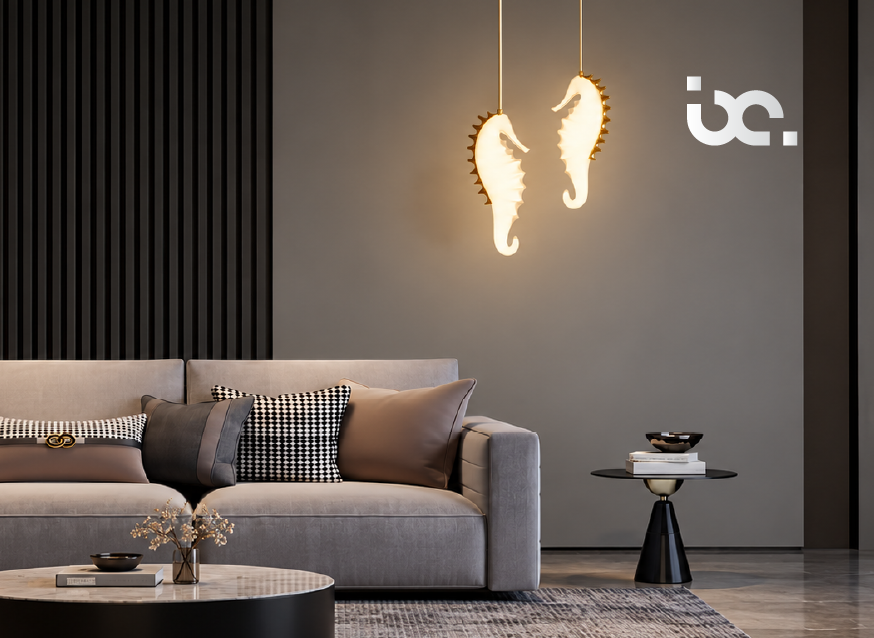
Few lighting techniques demonstrate the relationship between material and illumination as beautifully as wall washing.
Textured walls can look completely different depending on the direction and intensity of light falling across them. A surface that appears relatively understated during the day may reveal dramatic variations once illuminated in the evening.
Stone, textured plaster, fluted finishes and other dimensional surfaces can benefit from carefully considered lighting. The light catches subtle changes in the surface, creating gradients of brightness and shadow.
For this reason, wall washing lighting should ideally be planned alongside material selection rather than after the interior is finished.
A wall is not simply a background. With the right lighting, its texture can become a central part of the composition.
There is a particular sophistication in lighting that does not feel obvious.
Indirect lighting achieves this by allowing light to bounce off architectural surfaces before reaching the eye. The resulting illumination tends to feel softer and more atmospheric than direct light.
Wall washing can work as a form of indirect lighting when the illumination is carefully integrated into the architecture. Instead of seeing a harsh source, occupants experience the effect of the light itself.
This can be especially valuable in spaces intended for relaxation, conversation and entertaining.
In a contemporary living room, for instance, softly illuminated walls can complement low furniture, natural materials and restrained decorative elements. The lighting provides an atmosphere without competing with the interior.
Ambient illumination is often described as the general layer of light that makes a room comfortable and functional. Yet it does not have to be plain or uninspired.
Wall washing can give ambient illumination a more architectural quality.
Rather than relying entirely on ceiling fixtures, designers can use illuminated walls to distribute light throughout a space. This creates a more layered environment, particularly when combined with task lighting and accent lighting.
A sophisticated lighting scheme may include:
The combination creates a richer lighting experience than a single source could provide.
Light can influence our perception of proportion. Bright, evenly illuminated vertical surfaces tend to feel more open and visually connected, while poorly lit walls can make a space feel compressed.
This makes wall washing particularly useful in apartments, hallways and rooms where architectural changes are not practical.
A continuous wash of light can guide the eye across a wall, creating a stronger sense of visual continuity. When paired with a restrained colour palette and clean architectural lines, the result can feel spacious and refined.
In larger interiors, the same technique can help establish hierarchy. Not every wall needs to be equally illuminated. Selecting one or two important surfaces can create a deliberate focal point while allowing other areas to remain quieter.
Contemporary interiors often celebrate materials in their most authentic forms. Natural stone, timber, concrete, metal and plaster may become defining elements of the design.
Lighting determines how these materials are experienced.
A polished stone surface can reflect light dramatically, while a matte plaster finish can absorb it and create a softer appearance. Timber can gain warmth under carefully selected colour temperatures, while textured surfaces can become more dimensional.
Wall washing therefore becomes part of the material design rather than a separate consideration.
The most successful results occur when the light respects the natural qualities of the surface instead of trying to disguise them.
The versatility of wall washing allows it to work across residential and commercial environments.
In living spaces, illuminated walls can provide a gentle background glow while enhancing architectural features. They work particularly well behind sofas, media units or decorative installations.
A softly illuminated wall can create intimacy around a dining table. Warmer colour temperatures can make the setting feel particularly inviting during evening gatherings.
In bedrooms, restrained wall washing can replace stronger overhead illumination and create a calm atmosphere. Concealed fixtures are especially effective when the objective is to keep the lighting visually discreet.
Long corridors can benefit from continuous wall illumination. It gives the space rhythm while reducing the tunnel-like quality that can result from isolated ceiling fixtures.
Hotels, restaurants and lounges frequently rely on layered lighting to create a memorable environment. Wall washing can establish an atmosphere while drawing attention to architectural materials and carefully selected finishes.
Wall washing may appear simple, but achieving an elegant result requires precision.
One common mistake is excessive brightness. If every wall is illuminated too strongly, the room can lose contrast and visual hierarchy. The objective is to create an atmosphere, not eliminate every shadow.
Another issue is uneven distribution. Poorly positioned fixtures may create unwanted hotspots, scalloping or dark patches.
The choice of colour temperature also matters. Cool light may make certain materials appear stark, while warmer tones can enhance the richness of natural finishes.
Successful wall washing considers the entire room rather than treating the wall as an isolated surface.
One of the reasons wall washing feels particularly appropriate for contemporary interiors is its architectural quality. It works with planes, surfaces and proportions instead of simply adding decorative objects.
This makes it an excellent choice for interiors where simplicity is intentional.
When carefully integrated, the fixtures almost disappear, leaving behind an illuminated architectural surface. The effect is refined precisely because the technology does not have to dominate the visual field.
That restraint is often what gives luxury interiors their sense of confidence.
Wall washing is a powerful example of how sophisticated lighting can transform an interior without overwhelming it. By spreading illumination across vertical surfaces, it introduces depth, highlights materials and creates a softer sense of atmosphere.
From textured walls and natural stone to minimalist corridors and expansive living spaces, wall washing lighting can adapt to a wide range of architectural settings. Its strength lies in subtlety: rather than competing with the design, it allows the design to be seen differently.
When combined with wall washer lights, indirect lighting and carefully planned ambient illumination, the technique becomes more than a practical lighting solution. It becomes part of the architecture itself.
In contemporary interiors, where every material and proportion is considered, that quiet integration can make all the difference.
Wall washing lighting is a technique that distributes a broad and relatively even layer of illumination across a wall. It highlights the surface while creating depth and visual continuity within the room.
Wall washer lights are used to illuminate large vertical surfaces, architectural details, artwork or textured finishes. They can also contribute to ambient illumination when incorporated into a layered lighting plan.
Yes. Textured walls can benefit significantly from wall washing because controlled illumination reveals variations in depth, material and surface finish.
Spotlighting concentrates light on a specific object or area, whereas wall washing spreads illumination across a broader surface. Wall washing generally creates a more continuous and architectural effect.
It can influence the perception of space. Evenly illuminated walls can create greater visual continuity and make certain rooms feel more open and expansive.
Experience radiant guidance tailored to your unique vision.