No products in the cart.


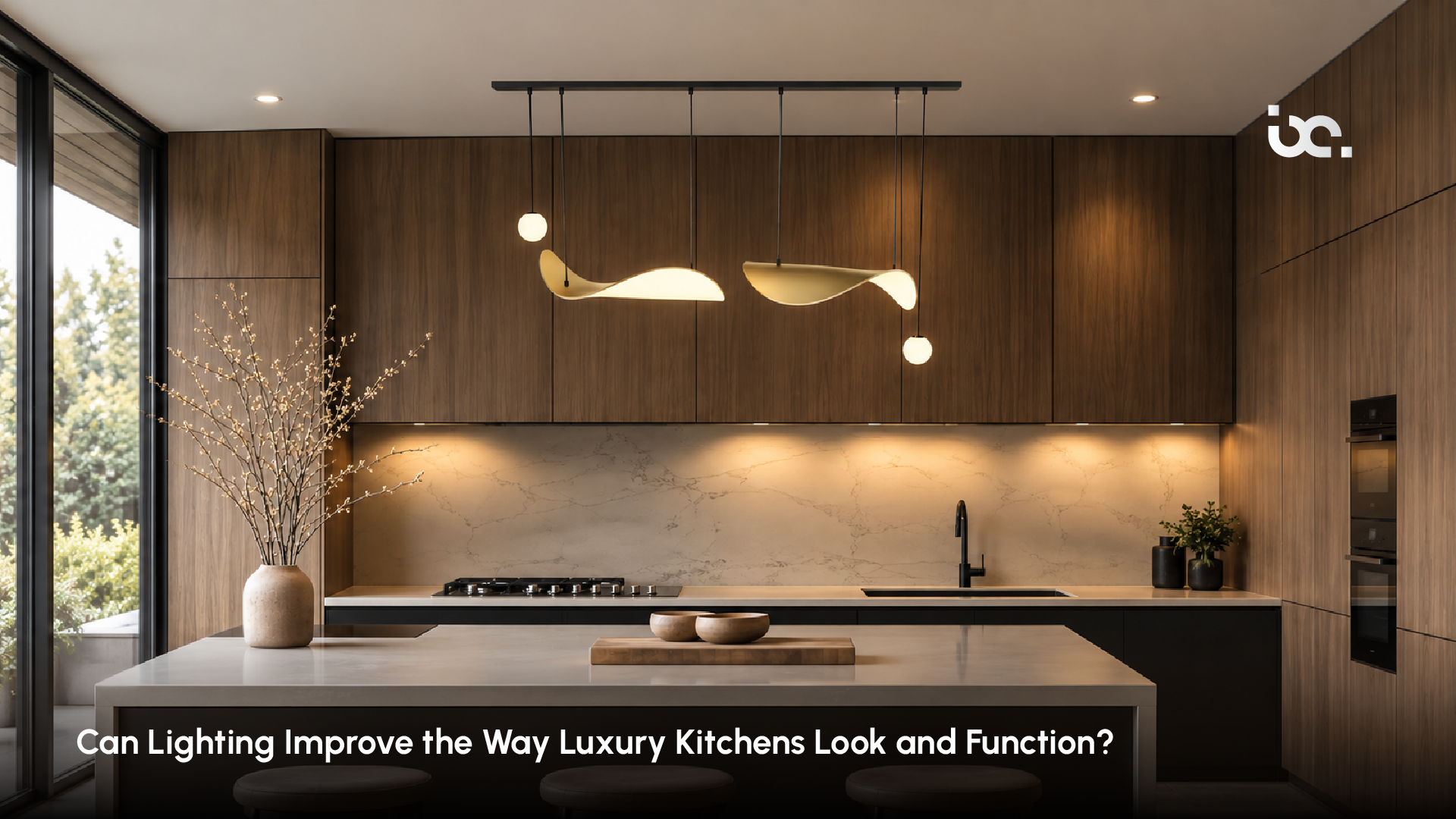
A luxury kitchen is more than a place to prepare meals. In a thoughtfully designed home, it can become a gathering point, a space for entertaining and an extension of the interior’s architectural character. Materials, cabinetry, appliances and finishes all contribute to its appearance, but lighting is what allows those elements to be experienced at their best.
Well-planned luxury kitchen lighting can transform the atmosphere of a kitchen while making everyday activities considerably more comfortable.
A carefully positioned pendant can introduce a sculptural focal point, while discreet illumination beneath cabinets can make preparation areas easier to use. Soft ambient sources can then bring warmth to the room once the practical tasks are finished.
The most successful schemes do not treat lighting as an afterthought. Instead, they consider illumination alongside the kitchen’s architecture, materials and daily functions. The result is a kitchen that feels elegant during an evening gathering and equally effortless during a busy morning.
Kitchens require a unique combination of practical and decorative lighting. Unlike many rooms, they accommodate several activities simultaneously, from chopping and cooking to dining, entertaining and casual conversation.
A single ceiling fixture rarely provides everything the space needs. It may illuminate the floor adequately while leaving work surfaces in shadow or creating unwanted reflections on polished materials.
Luxury kitchen lighting works best when different sources are assigned different roles. The lighting should support the way the kitchen functions while also enhancing its visual composition.
A considered scheme can:
This combination of practicality and atmosphere is what gives a luxury kitchen its sense of refinement.
One of the defining principles of sophisticated kitchen lighting is layering. Rather than expecting one fixture to perform every task, several types of illumination are brought together.
Ambient lighting establishes the general level of brightness. Task lighting focuses on areas where detailed work takes place, while accent lighting draws attention to selected architectural or decorative elements.
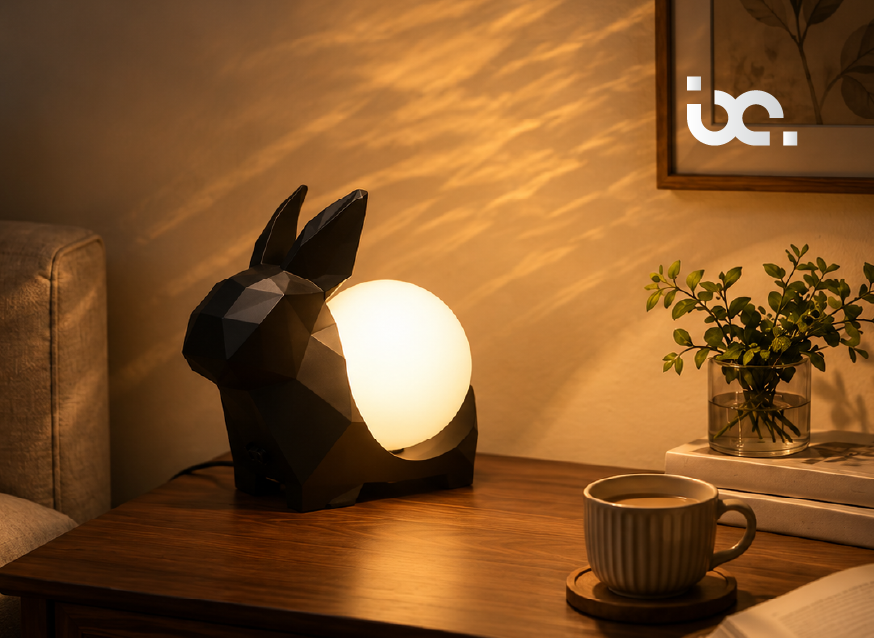
Decorative fixtures add another dimension. They may not be the primary source of illumination, but their form, finish and scale can contribute significantly to the character of the room.
A layered arrangement might include:
When these elements are carefully coordinated, the room feels illuminated rather than simply lit.
Practicality is essential in any kitchen, regardless of how luxurious the interior may be. Countertops, sinks and cooking areas need sufficient illumination so everyday tasks can be carried out comfortably.
Kitchen task lighting should be positioned to minimise shadows created by the person using the work surface. This is particularly important beneath wall cabinets, where overhead lighting may not reach the countertop effectively.
The quality and direction of the light matter as much as brightness. Harsh, poorly positioned sources can cause glare, while insufficient illumination can make food preparation unnecessarily difficult.
For a refined kitchen, task lighting should be discreet whenever possible. Integrated fixtures can provide excellent visibility without competing with the cabinetry or decorative elements.
Under cabinet lighting is one of the most effective ways to combine function with subtle elegance. Installed beneath wall cabinets, it provides direct illumination across countertops while adding a gentle layer of light to the lower part of the room.
This can be especially valuable in kitchens with dark cabinetry or deep countertops, where shadows can become more noticeable.
Under cabinet lighting can also contribute to the atmosphere after the main kitchen activities have finished. When brighter overhead sources are switched off, a softer glow beneath the cabinets can create a calm evening setting.
For the best result, the fixtures should ideally be integrated into the cabinetry rather than visibly attached beneath it. Concealed installation keeps the visual language clean and allows the light itself to remain the focus.
The kitchen island often acts as the architectural centre of a modern kitchen. It may function as a preparation surface, breakfast bar, entertaining area or informal dining zone.
Lighting above the island therefore needs to be both practical and visually considered.
Pendant fixtures are particularly effective because they provide focused illumination while introducing decorative character. A pair of refined pendants can complement a smaller island, while a longer island may call for several fixtures or a linear installation.
Proportion should always guide the selection. A fixture that is too small can appear insignificant against a large island, while an oversized design may overpower the surrounding cabinetry.
The height of the fixtures also deserves careful attention. They should provide useful illumination without interfering with sightlines across the kitchen.
Countertops are often among the most prominent surfaces in a luxury kitchen. Marble, quartzite, granite and other premium materials can have intricate veining or subtle variations that deserve to be seen.
Thoughtful countertop illumination can reveal these qualities without creating excessive reflections.
Glossy surfaces require particular care because poorly positioned fixtures can produce distracting glare. Diffused sources and carefully controlled angles can help preserve the visual character of the material.
For stone with dramatic veining, directional lighting can sometimes bring out depth and movement within the surface. In other settings, softer illumination may be preferable to maintain a calm appearance.
The key is to understand how light interacts with the chosen material before finalising the lighting arrangement.
A kitchen needs to transition naturally between practical activity and relaxation. This is where kitchen ambience becomes important.
During the day, natural daylight may provide much of the room’s illumination. As evening arrives, artificial lighting takes over and can completely alter the character of the space.
A sophisticated scheme should allow different sources to operate independently. Task lights may remain on while entertaining guests, while brighter overhead fixtures can be reduced or switched off.
Accent lighting inside display cabinets or along architectural features can then provide a softer background glow.
This creates a sense of visual hierarchy. Not every surface needs to be equally bright. Allowing certain areas to recede while others receive gentle emphasis can make the kitchen feel more intimate and sophisticated.
Open shelving has become a popular element in modern kitchen design, particularly in spaces that combine functional storage with curated displays.
Lighting can make these areas feel considerably more refined. Small integrated fixtures can illuminate ceramics, glassware, artwork or decorative objects without overwhelming them.
The placement should be subtle. Visible wires or bulky fixtures can undermine an otherwise carefully finished kitchen.
Warm, controlled illumination is often effective for display shelving because it adds depth without making the objects appear overly bright.
The same principle can be applied to glass-front cabinets. Internal illumination can turn carefully selected tableware into part of the kitchen’s visual composition.
Colour temperature has a strong influence on the appearance of both the kitchen and the materials within it.
Very cool illumination can make certain spaces feel clinical, while excessively warm light may alter the appearance of surfaces or food. The ideal choice depends on the kitchen’s finishes, natural light and overall design direction.
Consistency is particularly important. If pendant lights, under cabinet fixtures and recessed sources have noticeably different colour characteristics, the room can feel visually disjointed.
In luxury interiors, lighting should ideally appear cohesive even when several different fixture types are being used.
Modern kitchen design often relies on clean lines, carefully selected materials and controlled visual detail. Lighting should support those qualities rather than introduce unnecessary visual clutter.
Integrated illumination is especially effective in contemporary spaces. Recessed sources, concealed LED strips and built-in cabinet lighting can provide functionality while preserving architectural simplicity.
Decorative fixtures can then be used selectively to introduce personality.
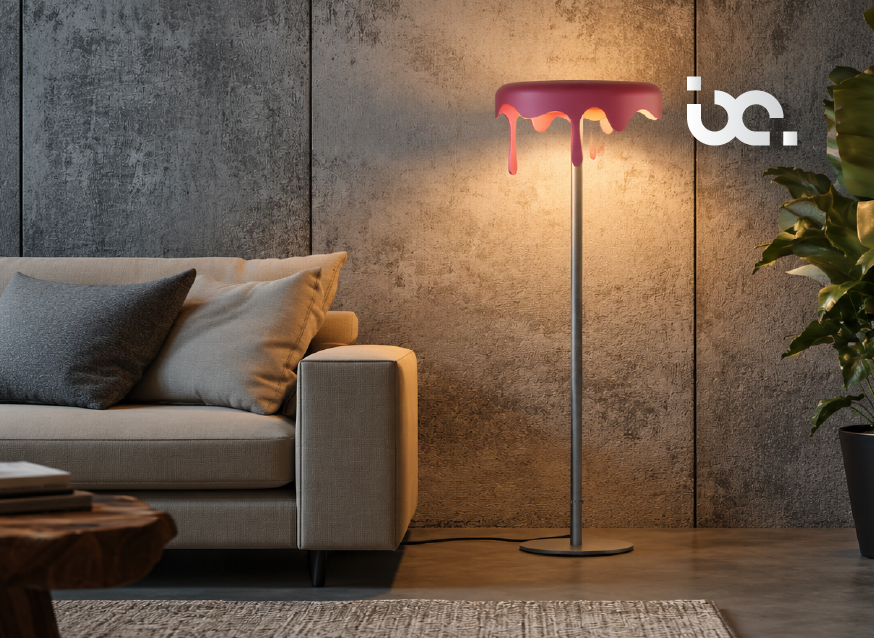
A sculptural pendant above an island, for example, can act almost like a piece of art. Its form becomes part of the interior even when the light is switched off.
This balance between concealed functionality and visible craftsmanship is particularly well suited to luxury interiors.
Even expensive fixtures cannot compensate for an unsuitable lighting plan. Several common mistakes can affect both appearance and usability.
A successful scheme considers the entire room rather than individual fixtures in isolation.
The most elegant kitchens rarely announce how carefully they have been illuminated. Instead, the lighting feels naturally integrated into the architecture.
That sense of effortlessness comes from thoughtful planning. Fixtures are selected according to scale, surfaces are illuminated according to their character, and different sources can be adjusted according to the time of day.
Luxury is often found in this level of detail. It is the ability to prepare food comfortably, entertain guests beautifully and create a relaxed evening atmosphere without changing the visual character of the room.
Lighting becomes almost invisible in the best possible sense. You notice the atmosphere, the materials and the architecture before you notice the individual sources creating them.
Luxury kitchen lighting has the ability to influence far more than the appearance of a room. It can improve visibility, reveal material details, define architectural zones and create a warmer atmosphere for everyday living.
From carefully integrated kitchen task lighting and discreet under cabinet lighting to sculptural pendants and considered countertop illumination, each element has a role to play. The strongest results come when these layers work together rather than compete for attention.
A well-designed lighting scheme also gives a kitchen greater flexibility. Bright, focused illumination can support preparation, while softer sources can transform the room into an inviting setting for dinner and conversation.
Ultimately, luxury kitchen lighting is about balance. It should respect the architecture, complement the materials and respond naturally to the way the space is used.
When those considerations come together, lighting does not simply make a kitchen brighter. It makes the entire room feel more sophisticated, functional and beautifully composed.
Lighting improves both the functionality and visual character of a luxury kitchen. It can provide focused illumination for practical tasks while highlighting cabinetry, countertops, architectural details and decorative features.
A combination of focused task lighting and under cabinet lighting can provide effective countertop illumination. Integrated fixtures are particularly useful because they reduce shadows without adding visual clutter.
It is not essential, but under cabinet lighting can significantly improve visibility and atmosphere. It provides direct light to work surfaces and can create a subtle evening glow when stronger fixtures are switched off.
Layered lighting allows different sources to be adjusted according to the occasion. Softer accent and cabinet illumination can create a more relaxed atmosphere, while brighter task lighting supports everyday kitchen activities.
Pendant fixtures, linear suspended lights and carefully positioned recessed sources can work well above an island. The choice should reflect the island’s size, ceiling height and overall interior style.
Experience radiant guidance tailored to your unique vision.