No products in the cart.

One philosophy perfectly reflects this shift: biomimicry interior design.
Luxury has always evolved with changing ideas of beauty. There was a time when opulence was measured by elaborate ornamentation, rare materials, and grand architectural gestures. Today, however, true luxury is increasingly defined by thoughtful craftsmanship, purposeful design, and spaces that create a lasting emotional connection.
The most sophisticated interiors no longer compete for attention. Instead, they achieve quiet elegance through balance, authenticity, and timeless inspiration.
One philosophy perfectly reflects this shift: biomimicry interior design.
Rather than simply decorating a room with plants or natural textures, biomimicry studies how nature solves complex challenges and translates those principles into architecture and interiors.
From the flowing geometry of a seashell to the structural efficiency of honeycombs and the graceful movement of leaves, nature provides design lessons refined over millions of years.
As luxury homeowners and designers seek interiors that are visually striking, environmentally conscious, and deeply comforting, biomimicry is becoming one of the most influential directions shaping modern living.
At its core, biomimicry interior design is the practice of learning from nature rather than simply imitating its appearance.
Nature has developed highly efficient systems that maximize strength, conserve resources, regulate temperature, and create harmony within complex environments.
Designers apply these observations to create interiors that feel intuitive, functional, and elegant.
This philosophy differs from adding decorative botanical elements alone.
Instead, it asks questions such as:
The resulting interiors often feel remarkably calm because they follow patterns people instinctively recognize.
Biomimicry is not a passing design trend.
It represents a thoughtful design philosophy that encourages long-term thinking.
Rather than focusing solely on visual appeal, it considers functionality, sustainability, human comfort, and environmental responsibility together.
This holistic approach aligns naturally with the evolving definition of luxury.
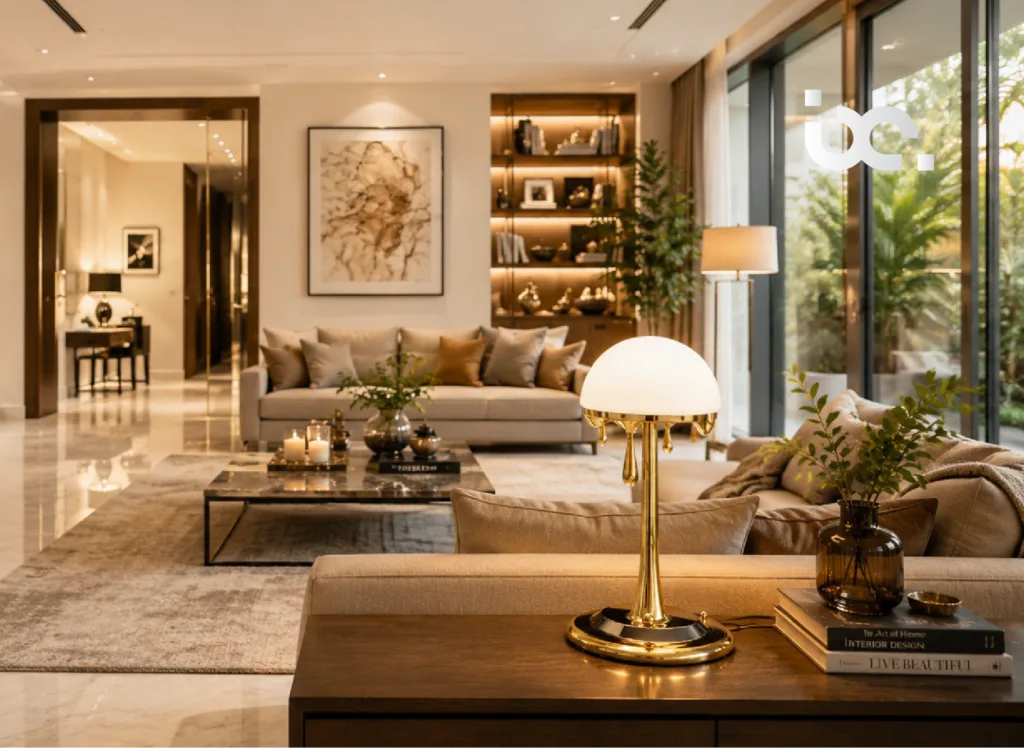
Nature demonstrates extraordinary design intelligence.
Trees distribute weight with remarkable efficiency.
Honeycombs maximize strength while minimizing material.
Shells combine delicate beauty with structural resilience.
River stones achieve smoothness through gradual transformation rather than force.
These observations inspire nature-inspired design that feels both refined and timeless.
Luxury interiors increasingly borrow these natural principles to create spaces that balance elegance with practicality.
The result is design that feels effortless because its inspiration has already been perfected.
People naturally respond to flowing curves, balanced proportions, and gentle transitions.
Sharp angles and rigid symmetry certainly have their place, but organic forms often create a stronger sense of relaxation.
Curved staircases.
Rounded furniture.
Soft architectural lines.
Layered natural textures.
Together, these elements introduce visual movement while maintaining a sophisticated atmosphere.
Among the defining characteristics of contemporary luxury interiors is the growing influence of organic design concepts.
Rather than forcing architecture into perfectly geometric compositions, designers increasingly embrace asymmetry, natural textures, and fluid spatial arrangements.
Furniture appears sculpted rather than manufactured.
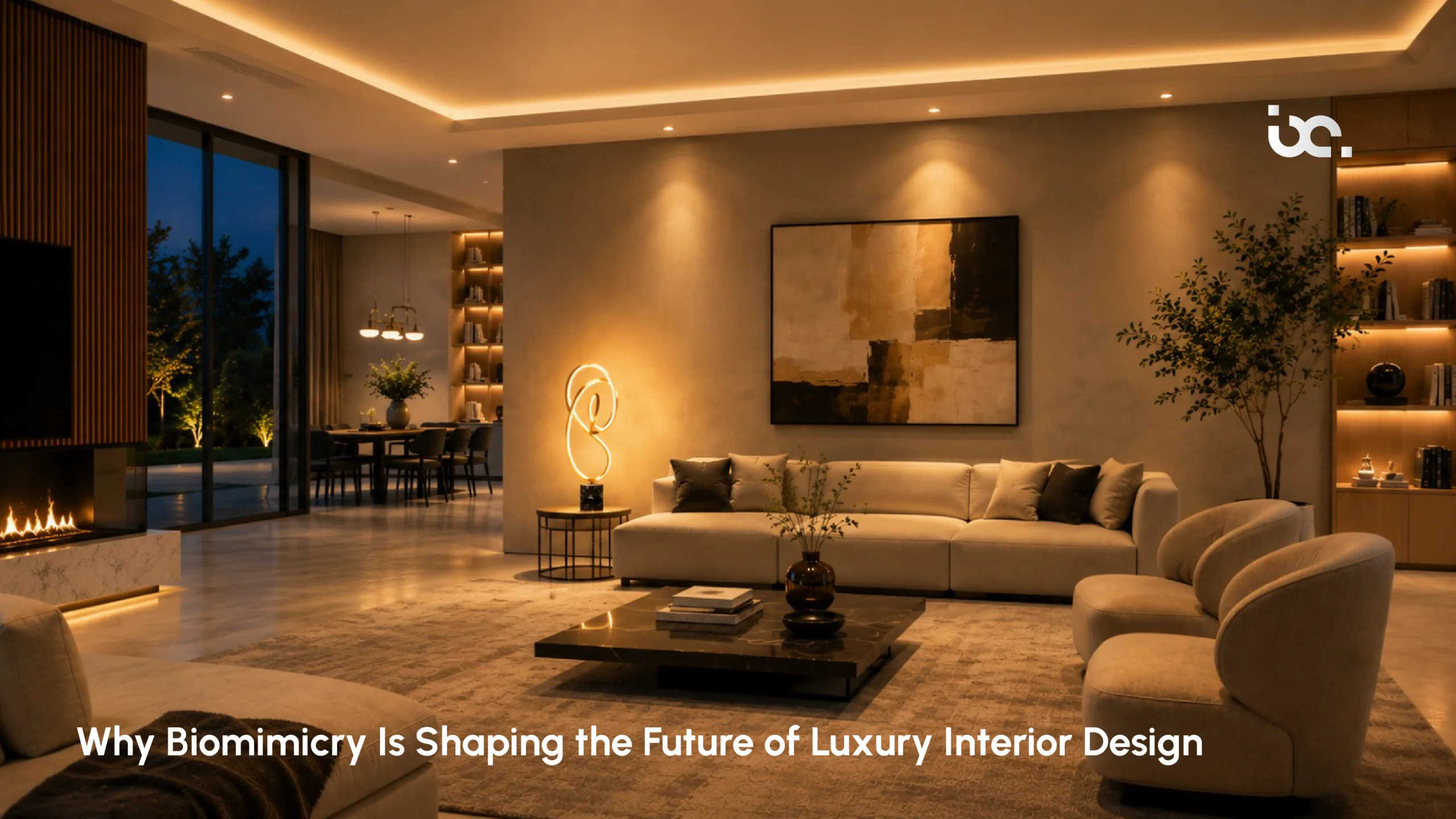
Lighting resembles floating leaves or flowing water.
Walls transition gently instead of ending abruptly.
Every element contributes to an environment that feels alive without appearing excessive.
Luxury becomes quieter, more refined, and ultimately more memorable.
Material selection plays an essential role in biomimicry.
Natural stone introduces timeless character.
Warm timber creates visual softness.
Handcrafted ceramics celebrate subtle imperfections.
Textiles such as linen, wool, and silk provide comfort while enhancing sensory richness.
Even engineered materials increasingly mimic natural textures through advanced manufacturing techniques.
The emphasis remains on authenticity rather than imitation.
Luxury and sustainability were once viewed as competing priorities.
Today, they increasingly complement one another.
The finest sustainable luxury interiors demonstrate that environmental responsibility can enhance elegance rather than limit it.
Biomimicry encourages efficient resource use by learning from natural ecosystems where waste is minimized and every element serves multiple purposes.
Designers apply similar thinking through:
Energy-efficient layouts
Durable materials
Passive climate strategies
Long-lasting craftsmanship
Adaptable living spaces
Rather than replacing interiors frequently, homeowners invest in timeless environments designed to remain beautiful for decades.
Disposable design rarely reflects genuine sophistication.
True luxury values permanence.
Carefully selected materials age gracefully.
Quality craftsmanship improves with time.
Thoughtful layouts continue serving changing lifestyles.
Biomimicry naturally supports this philosophy by encouraging designs that remain relevant instead of following temporary fashion.
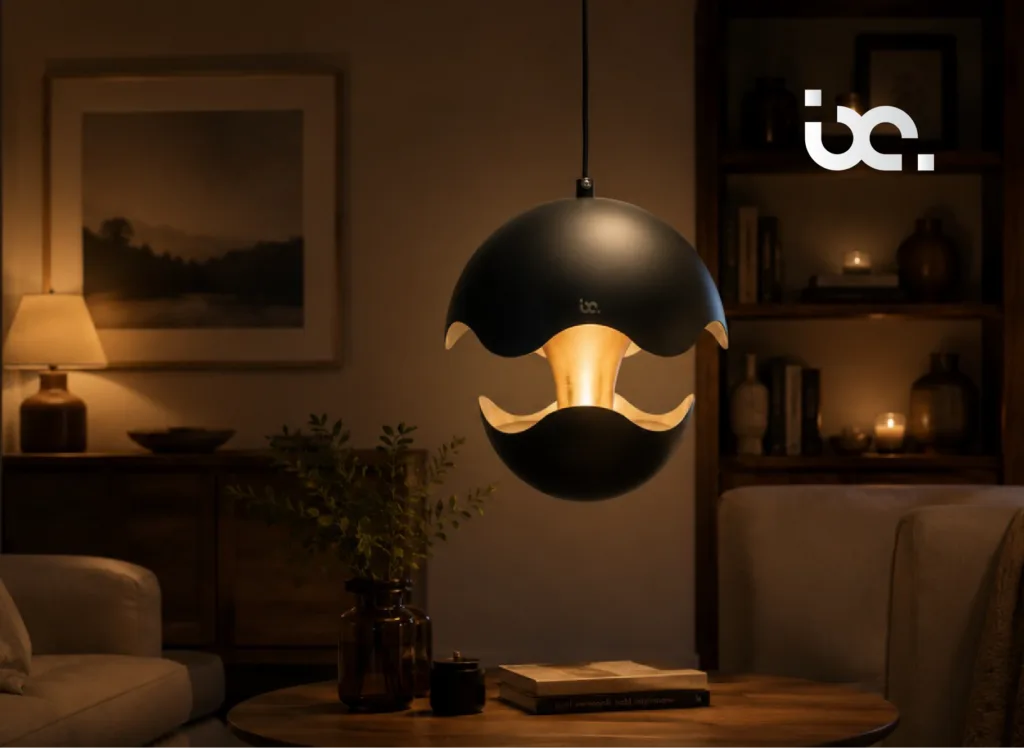
Although closely related, biophilic interiors and biomimicry are not identical.
Biophilic design focuses on strengthening the connection between people and nature through natural light, greenery, ventilation, water features, and outdoor views.
Biomimicry, meanwhile, studies nature’s underlying systems and applies them to design.
When combined, these approaches create interiors that feel restorative as well as visually sophisticated.
Natural daylight becomes part of the architecture.
Indoor gardens soften contemporary spaces.
Flowing layouts encourage comfortable movement.
The environment itself supports relaxation.
Luxury lighting increasingly follows natural rhythms. Large windows maximize daylight. Filtered lighting recreates the softness of sunlight through leaves. Warm evening illumination supports relaxation without overwhelming the senses. Instead of treating lighting purely as decoration, designers use it to shape mood throughout the day. Nature once again provides the blueprint.
Several leading modern design trends reflect biomimicry principles, even when they are not explicitly identified as such.
Minimalist interiors now incorporate warmer materials.
Furniture features sculptural curves instead of rigid geometry.
Architectural forms emphasize fluid movement.
Textured surfaces celebrate craftsmanship.
Open layouts encourage natural circulation.
These choices create interiors that feel simultaneously contemporary and timeless.
Rather than chasing novelty, designers increasingly pursue enduring beauty rooted in natural intelligence.
Modern technology plays an important supporting role.
Advanced manufacturing allows designers to create complex organic forms previously impossible to produce.
Smart climate systems improve comfort while reducing energy consumption.
Innovative materials combine environmental responsibility with exceptional durability.
Technology becomes most valuable when it quietly enhances nature-inspired living rather than dominating it.
Perhaps the greatest lesson nature teaches is balance.
Nothing exists in isolation.
Light complements shadow.
Texture contrasts with smoothness.
Open space enhances carefully chosen objects.
Luxury interiors inspired by biomimicry embrace this harmony, allowing every design element to contribute without competing for attention.
As environmental awareness grows and design priorities evolve, biomimicry is likely to become even more influential.
Clients increasingly seek homes that support well-being, reduce environmental impact, and maintain timeless appeal.
Designers, architects, and manufacturers continue discovering innovative ways to apply natural intelligence across every aspect of interior design.
This shift reflects more than changing aesthetics.
It represents a deeper understanding that nature remains one of humanity’s greatest sources of inspiration.
After millions of years refining elegant solutions, it seems only sensible to pay attention.
Trends inevitably change.
Natural principles endure.
By observing how nature balances strength, beauty, adaptability, and efficiency, designers create interiors capable of remaining meaningful long after temporary fashions have disappeared.
That enduring relevance defines genuine luxury.
The growing influence of biomimicry interior design reflects a broader transformation in how luxury is understood. Instead of relying on excess, contemporary interiors increasingly celebrate intelligence, craftsmanship, and harmony inspired by the natural world.
Through nature-inspired design, refined organic design concepts, and thoughtfully planned sustainable luxury interiors, designers create environments that are both visually captivating and deeply functional.
When combined with the restorative qualities of biophilic interiors and the elegance reflected in today’s modern design trends, biomimicry offers a timeless approach to luxury living.
It reminds us that the most remarkable innovations often begin not with invention, but with careful observation of the world that has always surrounded us.
Biomimicry interior design is a design approach that studies nature’s systems, structures, and processes to create interiors that are functional, sustainable, and visually harmonious.
Biomimicry focuses on learning from nature’s principles and applying them to design, while biophilic design emphasizes strengthening people’s connection with nature through elements such as plants, natural light, and outdoor views.
It combines timeless aesthetics, intelligent functionality, sustainability, and human well-being, making it well suited to the evolving definition of modern luxury.
Natural stone, wood, linen, wool, handcrafted ceramics, glass, and other durable materials with authentic textures are commonly incorporated into biomimicry-inspired spaces.
Experience radiant guidance tailored to your unique vision.