No products in the cart.

Today, thoughtful illumination has become an essential element of emotional design, helping spaces inspire comfort, confidence, creativity, and relaxation.
Light does far more than illuminate a room. It quietly shapes emotions, influences daily habits, and creates experiences that stay with us long after we leave a space.
Whether it is the soft glow of a luxurious living room, the welcoming warmth of a boutique hotel, or the bright energy of a productive workspace, every lighting choice has a psychological effect.
Understanding lighting psychology allows homeowners and designers to create interiors that feel as beautiful as they look. It is no longer enough for lighting to simply brighten a room.
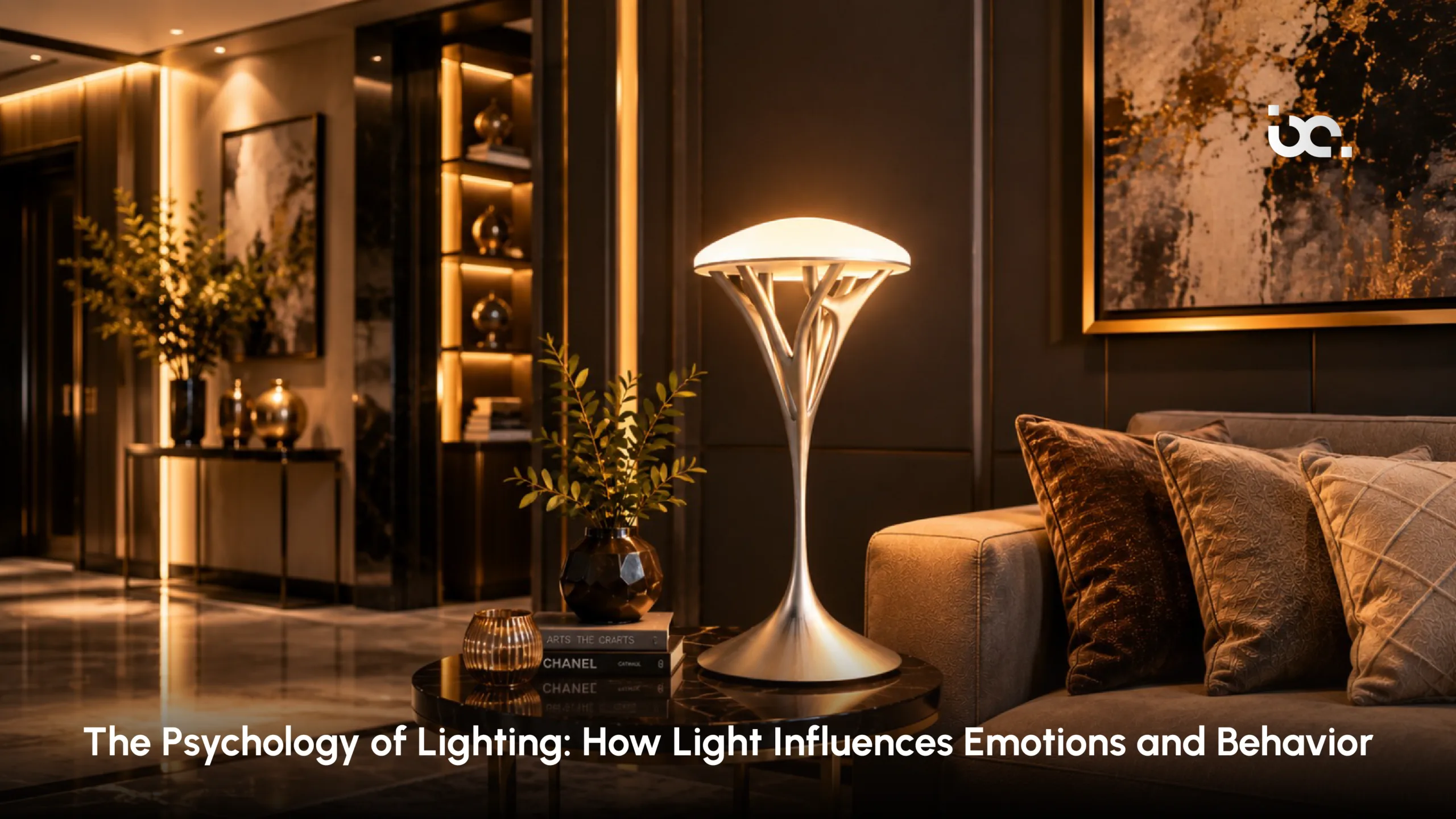
In luxury interiors especially, lighting is treated as an invisible layer of sophistication. It defines textures, highlights architectural details, and transforms ordinary rooms into environments that nurture wellbeing.
Natural daylight signals alertness and productivity, while softer, warmer light encourages the body to slow down and relax.
Lighting psychology is the study of how different qualities of light influence human emotions, behaviour, concentration, and overall wellbeing. Our brains naturally respond to changes in brightness, colour temperature, shadows, and contrast.
This biological response explains why a bright office encourages focus, while dim restaurant lighting creates intimacy.
Designers use these psychological principles to influence how people experience a space. Every carefully positioned fixture contributes to comfort, functionality, and emotional balance.
The human body operates according to circadian rhythms, an internal clock influenced largely by light exposure.
Bright illumination helps regulate alertness during the day, while warmer evening lighting supports the production of melatonin, preparing the body for restful sleep.
Beyond biology, light also affects our perception of safety, luxury, cleanliness, and warmth. Even identical rooms can evoke completely different feelings depending on how they are illuminated.
This connection between light and emotion makes lighting one of the most influential elements in modern interior lighting design.
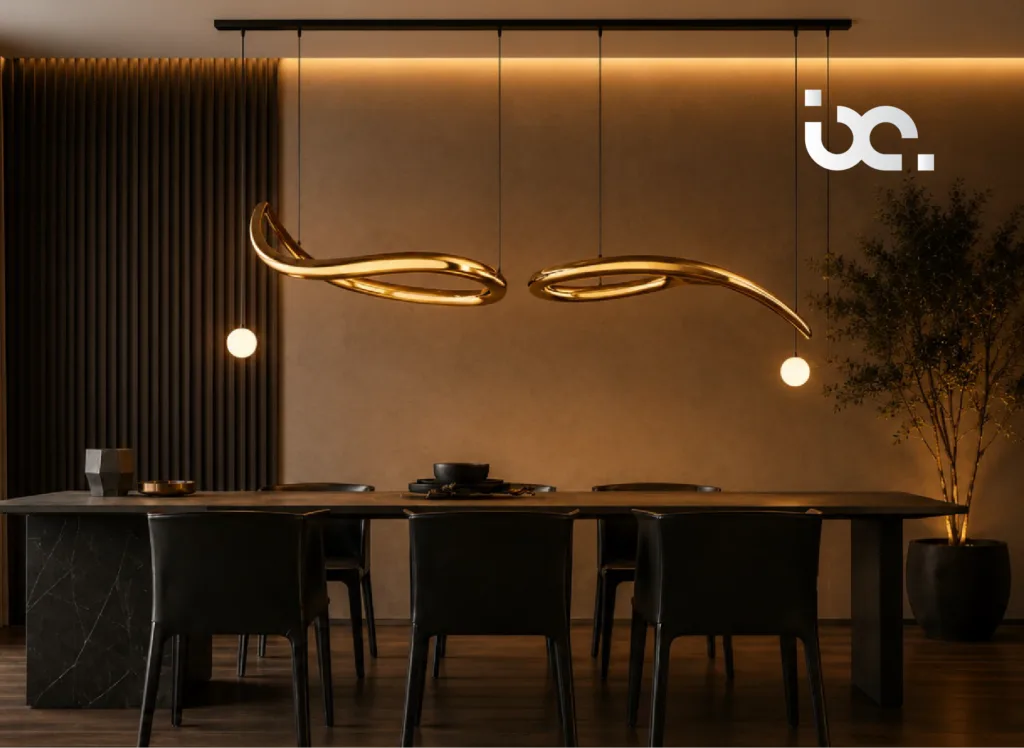
Every layer of lighting serves a distinct emotional purpose. Understanding these differences helps create interiors that feel intentional and balanced.
Warm white lighting, typically between 2700K and 3000K, produces a welcoming atmosphere. It encourages relaxation and emotional comfort while making furniture, wood finishes, and natural fabrics appear richer.
This makes warm lighting ideal for:
Its gentle glow naturally encourages conversation and helps people unwind after busy days.
Cool white lighting increases alertness and supports concentration. Frequently used in offices, kitchens, and study areas, it creates an energetic atmosphere that promotes productivity.
Excessive cool lighting throughout the home, however, can make interiors feel clinical or emotionally distant. Balance is essential.
Exceptional interiors rarely depend on a single source of illumination. Instead, designers combine several layers to create visual harmony. These layers include:
Ambient lighting forms the foundation of every room. It provides overall illumination while establishing the general mood.
Soft ambient lighting creates calm, openness, and elegance without overwhelming the senses. Hidden ceiling lights, recessed fixtures, and indirect illumination often achieve this effect beautifully.
Task lighting supports specific activities such as reading, cooking, working, or applying makeup. While highly functional, carefully selected task lighting also contributes to the room’s overall aesthetic.
Accent lighting draws attention to artwork, architectural details, sculptures, or textured walls. This selective illumination creates visual interest while adding sophistication and depth.
Luxury interiors often rely heavily on accent lighting because it directs attention exactly where designers want the eye to travel.
Research continues to demonstrate the relationship between light and mental health. Healthy lighting can help:
Poor lighting, on the other hand, may contribute to eye strain, irritability, fatigue, and reduced productivity.
For this reason, thoughtful lighting is increasingly recognised as an important investment in personal wellbeing rather than simply a decorative feature.
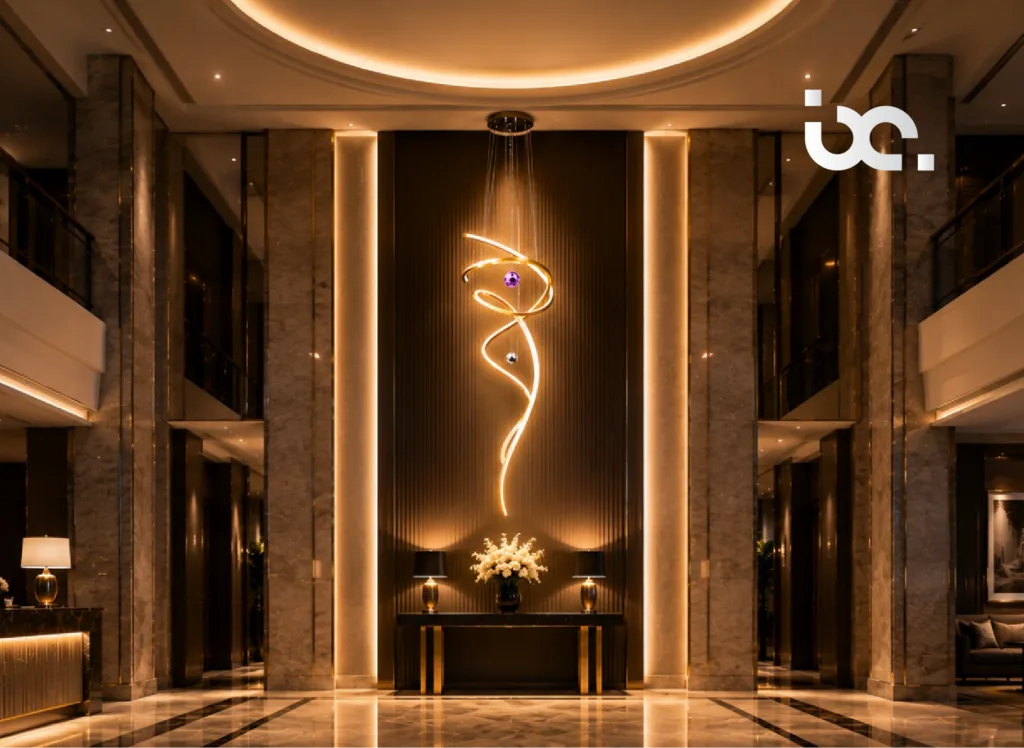
Exceptional interiors are designed around human experience rather than furniture alone. This philosophy is central to emotional design, where every element contributes to how people feel inside a space. Lighting becomes the invisible thread connecting architecture, colour, texture, and functionality. For example:
A softly illuminated hallway feels inviting rather than intimidating.
A carefully lit dining room encourages meaningful conversations.
A spa-inspired bathroom promotes relaxation before sleep. A reading corner with warm directional lighting becomes a peaceful retreat.
These emotional responses are intentional outcomes of skilled interior lighting design.
Luxury lighting is not about making every corner equally bright. Shadows add mystery, texture, and visual balance. Without contrast, interiors often appear flat and uninspiring. Professional designers carefully balance light and shadow to create depth, allowing architectural features and premium materials to stand out naturally.
True luxury is rarely defined by extravagance alone. It is defined by comfort, atmosphere, and thoughtful attention to detail.
Luxury home lighting embraces this philosophy by adapting to different lifestyles and moments throughout the day.
Imagine arriving home after a demanding schedule.
Instead of harsh ceiling lights, the entry welcomes you with a soft glow.
The living room offers layered illumination highlighting artwork and elegant furnishings.
The dining area feels intimate without being overly dim.
Bedrooms transition into peaceful sanctuaries with warm bedside lighting.
These carefully orchestrated experiences transform a house into an emotionally supportive home.
Modern lighting systems make emotional comfort even easier to achieve.
Homeowners can customise brightness, colour temperature, and lighting scenes according to different occasions. Popular settings may include:
These personalised settings ensure that lighting continuously adapts to both activities and emotional needs.
Even beautifully designed homes can lose their emotional warmth if lighting is overlooked. Some common mistakes include:
A single overhead fixture often creates harsh shadows and a flat appearance. Layered lighting always delivers a richer atmosphere.
Position the fixture centrally above the dining table to create warmth and balance.
Brighter does not always mean better. Overly intense lighting reduces comfort and creates unnecessary visual stress.
Dimmers allow one room to serve multiple emotional purposes throughout the day, making them an essential feature in elegant interiors.
Artificial lighting works best when it complements daylight rather than competing with it. Maximising natural light improves both aesthetics and wellbeing.
The finest interiors are remembered for how they make people feel.
Beautiful furniture, premium materials, and architectural excellence certainly matter, but lighting quietly brings them all to life.
Successful lighting psychology blends science with artistry. It considers human behaviour, emotional comfort, visual balance, and everyday functionality in equal measure.
Whether creating a luxurious residence, an elegant hotel, or a refined workspace, thoughtful lighting elevates every experience.
Lighting is one of the most powerful yet understated tools in interior design. It shapes emotions, supports wellbeing, enhances productivity, and creates lasting impressions without demanding attention.
By understanding the principles of lighting psychology, homeowners and designers can create spaces that feel warm, balanced, and deeply inviting.
From carefully layered ambient lighting to personalised mood lighting, every decision contributes to emotional comfort.
When paired with thoughtful interior lighting design, refined luxury home lighting, and purposeful emotional design, illumination becomes far more than decoration.
It becomes the silent architect of everyday experience, transforming interiors into places where beauty and wellbeing exist in perfect harmony.
Lighting psychology explores how different lighting conditions influence emotions, behaviour, focus, comfort, and overall wellbeing.
Mood lighting creates relaxing, welcoming environments that reduce stress and enhance emotional comfort.
Ambient lighting provides overall illumination while establishing the room’s atmosphere and visual balance.
Luxury home lighting combines layered illumination, premium fixtures, smart controls, and personalised lighting experiences to create elegant, comfortable spaces.
Yes. Appropriate lighting supports healthy sleep patterns, improves concentration, reduces visual fatigue, and contributes to a more positive emotional environment.
Experience radiant guidance tailored to your unique vision.