No products in the cart.


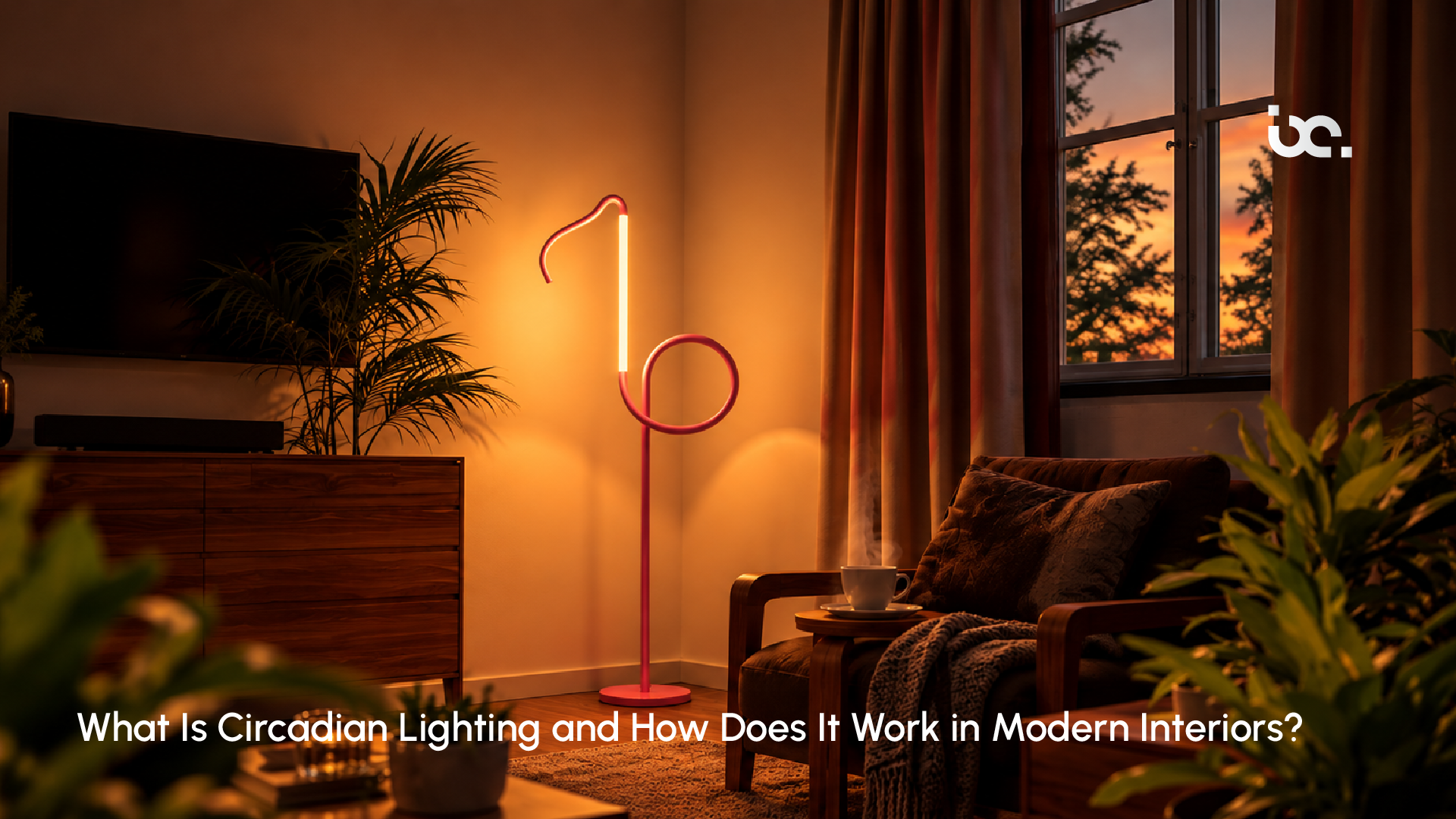
Lighting has always shaped the way an interior looks and feels. A well-placed pendant can become a sculptural focal point, while a softly illuminated wall can make an intimate room feel warmer and more inviting. Yet, contemporary lighting design is moving beyond aesthetics.
Today, designers are increasingly considering how light interacts with the natural rhythms of the human body.
This is where circadian lighting enters the conversation.
Designed around the body’s internal 24-hour clock, circadian lighting aims to create indoor illumination that changes throughout the day in ways that resemble natural daylight. Rather than keeping a room under the same colour and intensity of light from morning until night, it introduces subtle variations that support different activities and moods.
For modern luxury interiors, this approach offers an intriguing combination of technology, comfort and refined design. It allows lighting to become almost invisible in its sophistication, quietly shaping the atmosphere of a space while supporting the people who live in it.
Circadian lighting is a lighting approach that considers the body’s natural sleep-wake rhythm, commonly known as the circadian rhythm. This rhythm responds strongly to environmental cues, particularly light and darkness.
During the day, exposure to brighter, cooler light can signal that it is time to be alert and active. As evening approaches, warmer and softer illumination can create an environment more compatible with relaxation and preparation for sleep.
Instead of relying on a fixed colour temperature, circadian lighting systems can adjust brightness, colour temperature or both according to the time of day.
For example, a lighting system may provide:
The intention is not to reproduce sunlight perfectly, but to create an indoor environment that feels more naturally aligned with changing daylight.
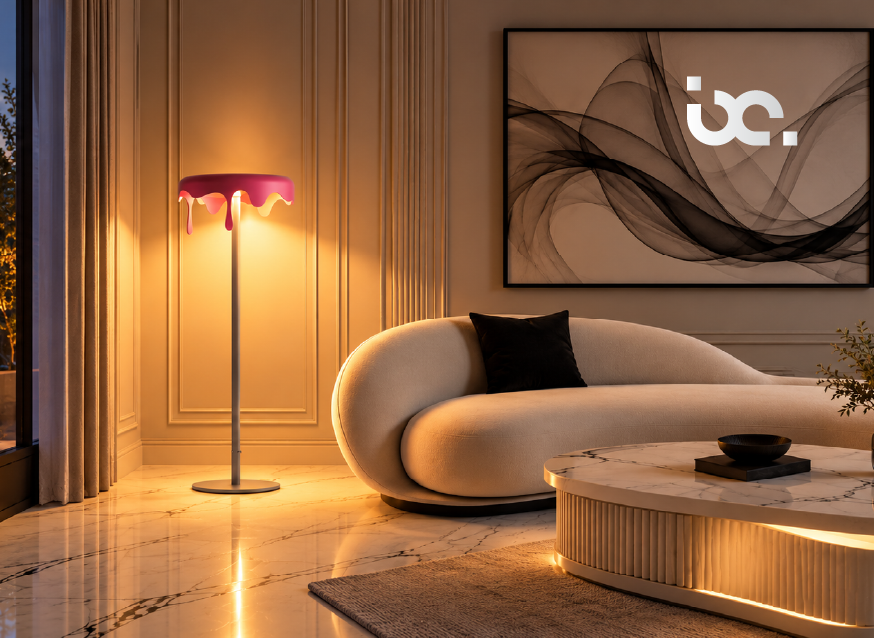
The principle behind circadian lighting is relatively simple, although the technology supporting it can be sophisticated.
Specialised LED fixtures and intelligent lighting controls allow colour temperature and brightness to be adjusted throughout the day. These changes can be programmed according to a predetermined schedule or controlled through smart-home systems.
A typical system may transition from cool white light in the morning to a warmer white in the evening. Some advanced systems can also respond to sensors, occupancy patterns and the amount of daylight already entering a room.
This creates a more dynamic lighting environment than conventional fixtures that remain at one colour temperature.
The most important elements include:
Colour temperature describes whether light appears warm and golden or cool and bluish. Lower colour temperatures generally create a warmer appearance, while higher temperatures produce cooler, daylight-like illumination.
Brightness also matters. Circadian lighting does not simply change colour; it can vary the amount of light throughout the day.
The timing of these changes is fundamental. The system should respond to the natural progression of morning, daytime, evening and night rather than providing identical illumination around the clock.
Together, these elements create an indoor lighting rhythm inspired by natural light cycles.
Circadian lighting is often discussed alongside human centric lighting, a broader design philosophy that considers how built environments affect human comfort, behaviour and wellbeing.
Human centric lighting looks beyond visual performance. It considers the experience of occupants and the relationship between illumination, mood, productivity and daily routines.
Circadian lighting forms an important part of this approach because it acknowledges that light has effects beyond simply helping us see.
In a residential setting, for instance, a living room may benefit from bright, energising illumination during the day but transition into a quieter, warmer atmosphere in the evening. In a luxury hospitality environment, similar principles can be used to create an experience that feels intuitive rather than technologically controlled.
The result is lighting that serves the person as much as the architecture.
Natural daylight is constantly changing. Morning light does not resemble the golden warmth of sunset, and midday illumination is very different from the subdued light of late afternoon.
Our interiors, however, often remain visually static.
A ceiling fixture switched on at 8 a.m. may still produce exactly the same light at 10 p.m. This disconnect can make indoor environments feel detached from the rhythms outside.
Circadian lighting attempts to bridge that gap by reflecting natural light cycles indoors.
This is particularly valuable in spaces where access to daylight is limited. Apartments with small windows, urban offices, underground environments and rooms positioned away from exterior walls can all benefit from a more dynamic approach to artificial illumination.
Rather than treating artificial light as a replacement for daylight, designers can use it to complement whatever natural light is available.
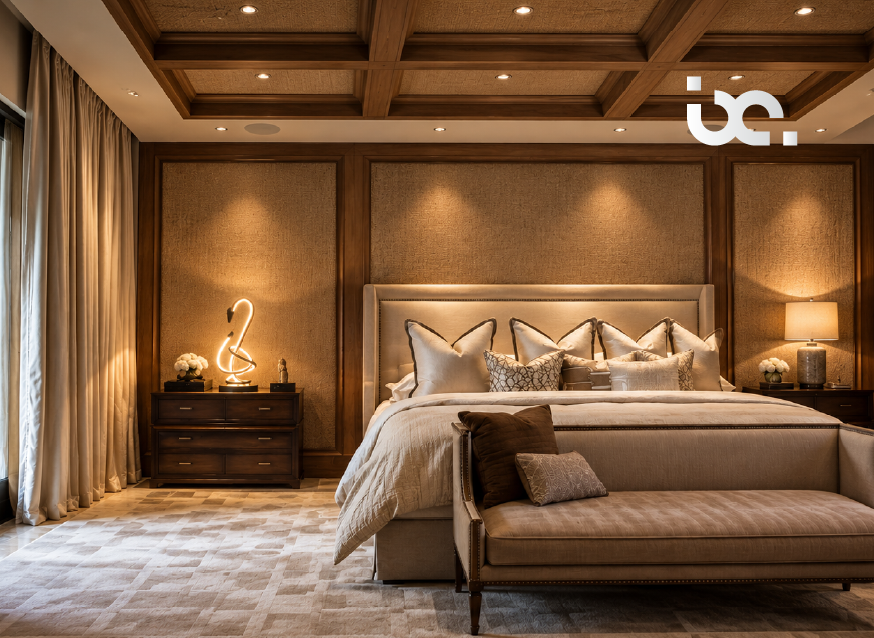
Although bedrooms are an obvious application, wellness lighting can influence almost every area of a contemporary interior.
Dynamic lighting can help a living room transition from an energetic daytime environment into a relaxed evening setting.
During working hours, brighter and cooler illumination can create a focused atmosphere. Later, warmer settings can visually separate work time from personal time.
Functional illumination can remain sufficiently clear for cooking and dining while gradually becoming warmer for evening gatherings.
A carefully controlled lighting sequence can make early mornings feel less harsh while providing adequate illumination for grooming and preparation.
Hotels, restaurants and private lounges can use dynamic lighting to create distinct experiences throughout the day without changing the physical design of the space.
Daylight simulation does not mean turning an interior into a laboratory. In fact, the most successful applications are often remarkably understated.
Lighting can be integrated into architectural coves, concealed linear fixtures, recessed details and carefully positioned decorative fittings. Instead of seeing the technology, occupants simply experience a room that feels naturally balanced.
This is especially important in luxury design, where visual clutter can undermine the sense of refinement.
A discreet control system can allow homeowners to select scenes or automate transitions. The fixtures themselves can remain minimal, allowing materials such as marble, timber, metal, glass and textured fabrics to retain centre stage.
The result is an interior where technology supports aesthetics rather than competing with them.
The concept of healthy interiors has expanded considerably. It now encompasses air quality, acoustics, materials, ventilation, thermal comfort and access to daylight.
Lighting is an important part of this conversation.
A well-designed interior should acknowledge that people do not experience architecture only through their eyes. Environmental conditions can influence how comfortable and connected a space feels over the course of a day.
Circadian lighting contributes to this philosophy by creating greater variation in indoor illumination rather than relying on a static lighting environment.
However, it should complement rather than replace genuine daylight. Whenever possible, designers should prioritise windows, skylights, appropriate shading and good spatial planning before relying entirely on artificial systems.
When thoughtfully specified, circadian lighting can offer several advantages:
Its greatest strength, however, may be its ability to make technology feel effortless.
Successful circadian lighting requires more than simply installing colour-changing LEDs.
Designers should consider the orientation of the building, window placement, room function, existing daylight, surface finishes and the routines of occupants. A lighting schedule that works beautifully in one home may feel inappropriate in another.
Controls should also be intuitive. If changing the lighting requires complicated programming every evening, the system becomes a burden rather than a luxury.
The best installations are usually those that operate quietly in the background while still allowing personal control when required.
As smart-home technology becomes increasingly sophisticated, circadian lighting is likely to become a more integrated part of interior architecture.
Future systems may combine daylight sensors, occupancy information, automated shading and personalised schedules to create lighting environments that respond dynamically to both the building and its occupants.
Yet technology alone will not define the future of luxury lighting. The real opportunity lies in combining intelligent systems with beautiful design.
The fixture may disappear into the architecture. The controls may become almost invisible. What remains is the atmosphere: a home that feels bright when it should, calm when it needs to be and naturally connected to the passing hours.
Circadian lighting represents a subtle shift in how interiors are illuminated. Instead of treating artificial light as a constant, it introduces movement, rhythm and variation inspired by the natural world.
For contemporary designers, it offers an opportunity to bring together technology, wellness and aesthetics without compromising elegance. Used alongside daylight, layered illumination and thoughtful architectural planning, it can make an interior feel more responsive and considered.
Ultimately, the most sophisticated lighting design is not necessarily the one that demands attention. It is the one that quietly changes the way a room feels as the day unfolds.
Circadian lighting is a lighting approach that changes brightness and colour temperature throughout the day to reflect natural daylight patterns and support a more rhythmically balanced indoor environment.
Not exactly. Human centric lighting is a broader concept focused on the relationship between lighting and human wellbeing, comfort and experience. Circadian lighting is one important component of this approach.
Yes. It can be incorporated into bedrooms, living rooms, home offices, kitchens, bathrooms and other residential spaces through programmable LED fixtures and smart lighting controls.
No. Natural daylight remains highly valuable. Circadian lighting is best viewed as a complement to daylight, particularly in areas where sufficient sunlight is unavailable.
Absolutely. Modern systems can be concealed within architectural elements and integrated with decorative lighting, allowing designers to create refined atmospheres without making the technology visually obvious.
Ordinary LED lighting can provide consistent illumination, whereas circadian lighting is designed to vary its intensity and colour characteristics over time, creating a more dynamic indoor environment inspired by natural light.
Experience radiant guidance tailored to your unique vision.