No products in the cart.

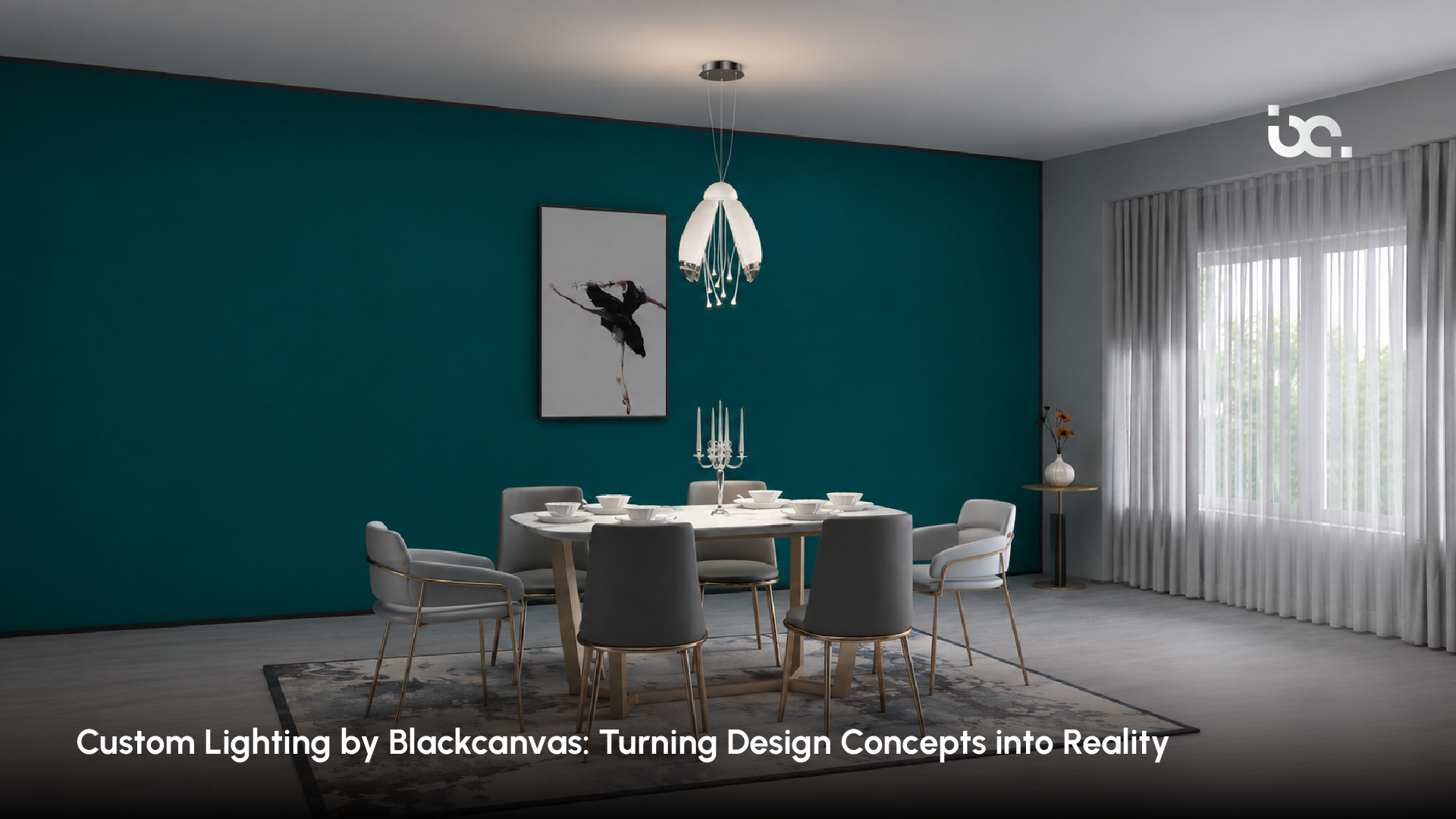
A truly remarkable interior is rarely created from pieces chosen simply because they are beautiful. The most memorable spaces have a sense of intention. Materials relate to one another, proportions feel considered, and every element appears to belong exactly where it has been placed.
Lighting can be one of the most powerful expressions of that intention. A carefully designed fixture can become more than a source of illumination. It can define a room, complement its architecture, introduce a sculptural element, or quietly reinforce the personality of an interior.
This is where custom lighting design becomes particularly compelling. Instead of selecting a fixture from a catalogue and adapting the room around it, custom lighting allows the design to begin with the space itself. Proportion, material, colour, scale, function, and atmosphere can all be considered before the final piece takes shape.
For clients seeking refined interiors, Blackcanvas approaches lighting as a design collaboration, transforming individual concepts into bespoke lighting solutions that feel considered rather than conventional.
Standard lighting offers convenience and consistency. Custom lighting offers possibilities. A ready-made fixture has predetermined dimensions, finishes, proportions, and technical specifications. While these can work beautifully, they may not always respond perfectly to an individual architectural environment.
Custom lighting changes the process. The design can be developed around:
This makes the fixture part of the overall design language rather than an element added after everything else has been decided.
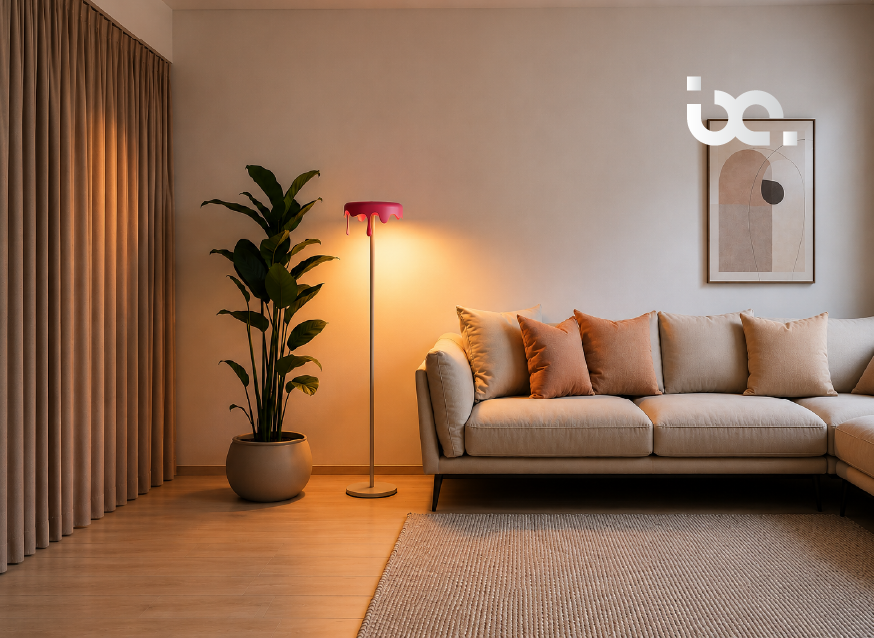
Every custom lighting project begins with an idea. It might be a sketch, a reference image, an architectural detail, a material combination, or simply a feeling the client wants the room to evoke. The challenge is transforming that initial thought into something physically achievable.
This is where the design process becomes important. A typical journey may involve:
Each stage gives the original idea greater clarity. The finished fixture may look effortless, but that simplicity is often the result of considerable refinement behind the scenes.
A luxury lighting studio is not merely a place where fixtures are manufactured. Ideally, it becomes a bridge between creative vision and technical execution.
For custom projects, this distinction matters. A beautiful concept still needs to function properly. The fixture must accommodate the correct light source, structural requirements, electrical connections, heat management, mounting conditions, and installation considerations.
Creative and technical thinking therefore need to work together. A strong studio understands that aesthetics and engineering are not competing priorities. They are two parts of the same design process.
No two interiors have exactly the same requirements. A dramatic residence with a double-height foyer may require a large sculptural installation, while an intimate dining room may benefit from a carefully proportioned pendant. Bespoke lighting solutions can be developed for spaces such as:
The objective is not to make every fixture extravagant. Sometimes the most sophisticated solution is remarkably restrained. A custom fixture can be subtle, almost architectural, allowing its form and material to reveal themselves gradually.
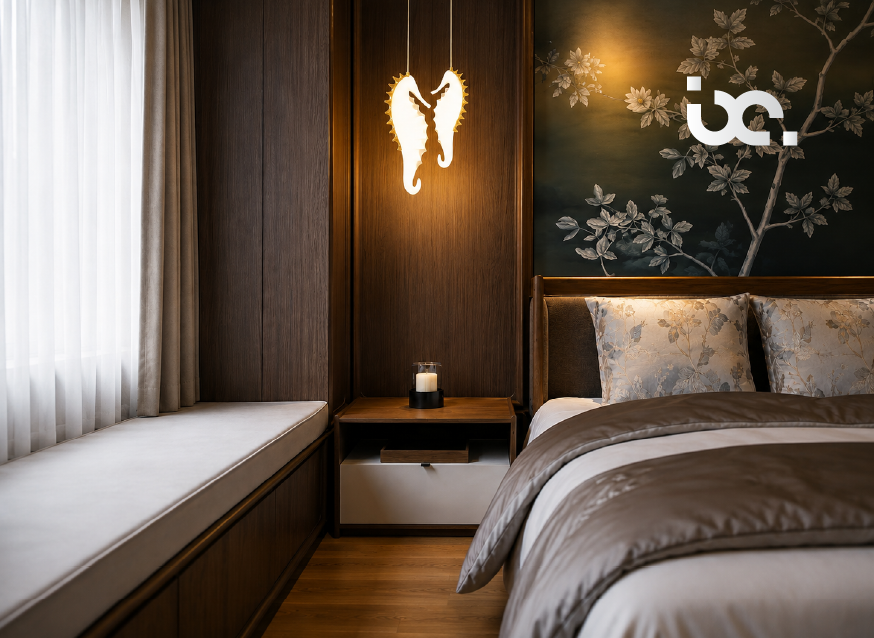
Material selection is one of the most expressive parts of custom lighting. Brass can introduce warmth and timeless refinement. Glass can create transparency and softness. Stone can provide sculptural weight, while wood can bring organic warmth.
Other finishes can be incorporated depending on the concept. The material should be selected not only for appearance but also for how it interacts with illumination. Consider:
In premium interiors, these details can make the difference between a fixture that simply looks expensive and one that genuinely feels considered.
There is a particular beauty in handcrafted fixtures because they carry evidence of the process behind them. Subtle variations in texture, finishing, shaping, and assembly can give a piece an individuality that mass-produced objects often struggle to reproduce.
Handcraft does not mean imperfection for its own sake. It means allowing skilled workmanship to become part of the character of the object. For an interior designed around natural stone, tailored furniture, fine textiles, and carefully selected accessories, that sense of craftsmanship can feel especially appropriate.
The strongest custom lighting projects often involve collaboration rather than a simple client-to-manufacturer transaction. Architects, interior designers, lighting specialists, artisans, and clients can each contribute something different.
A designer may establish the visual direction. An architect may provide structural context. The lighting studio can translate the concept into a technically viable fixture. This designer collaboration allows the lighting to become part of the architecture from the beginning.
Instead of asking, “Which light should we install here?”, the conversation becomes more interesting: “What should this space feel like, and how can light help create that experience?” That shift can completely change the outcome.
Premium interiors require attention to proportion. A beautifully crafted fixture can still feel wrong if it is too small for the room or overwhelms the surrounding architecture. Scale should be considered alongside:
In a large space, repetition can also become important. A series of related fixtures may create rhythm, while one distinctive piece can provide a dramatic focal point. The right solution depends on the architecture rather than a fixed formula.
Luxury does not mean sacrificing practicality. A custom fixture should provide the appropriate level and quality of illumination while contributing to the overall aesthetic.
Different spaces demand different lighting characteristics. A dining fixture may need focused illumination over the table. A living room may benefit from softer layered lighting. A staircase requires visibility as well as atmosphere.
The best handcrafted fixtures combine these functional requirements with visual expression. When the technical requirements disappear gracefully into the design, the result feels effortless.
Custom lighting can offer several advantages for clients seeking a highly individual interior. These include:
The greatest advantage, however, may be the relationship between the fixture and the space. A custom piece can feel as though it was always meant to be there.
Custom lighting begins with a simple idea: the best fixture for a space does not always already exist. Sometimes the architecture calls for a different proportion. Sometimes the material palette demands a particular finish. Sometimes the designer has imagined a form that cannot be found in a catalogue.
That is where custom lighting design becomes more than a decorative choice. Through thoughtful design development, material selection, technical refinement, craftsmanship, and designer collaboration, Blackcanvas can turn an initial concept into a physical lighting piece designed specifically for its surroundings.
The result is not merely illumination. It is an object with purpose, proportion, and personality. For premium interiors, that distinction matters. A beautiful room can be furnished with exceptional pieces, but a thoughtfully created lighting fixture can give the entire space a sense of identity. And perhaps that is the quietest luxury of all: having something made not simply to fit the room, but to belong to it.
Custom lighting design involves creating a lighting fixture specifically around a project’s architectural, aesthetic, material, dimensional, and functional requirements.
Ready-made fixtures have predetermined designs and dimensions. Custom fixtures can be adapted to specific spaces, finishes, proportions, and design concepts.
Bespoke lighting solutions are individually developed lighting concepts created to meet the specific requirements of a client, designer, or architectural project.
Depending on the design, materials can include brass, glass, stone, wood, metal, and various specialised finishes. The selection depends on aesthetics, functionality, and technical requirements.
Handcrafted fixtures can offer distinctive detailing, material character, and visible craftsmanship, giving the finished piece a more individual identity.
Experience radiant guidance tailored to your unique vision.