No products in the cart.


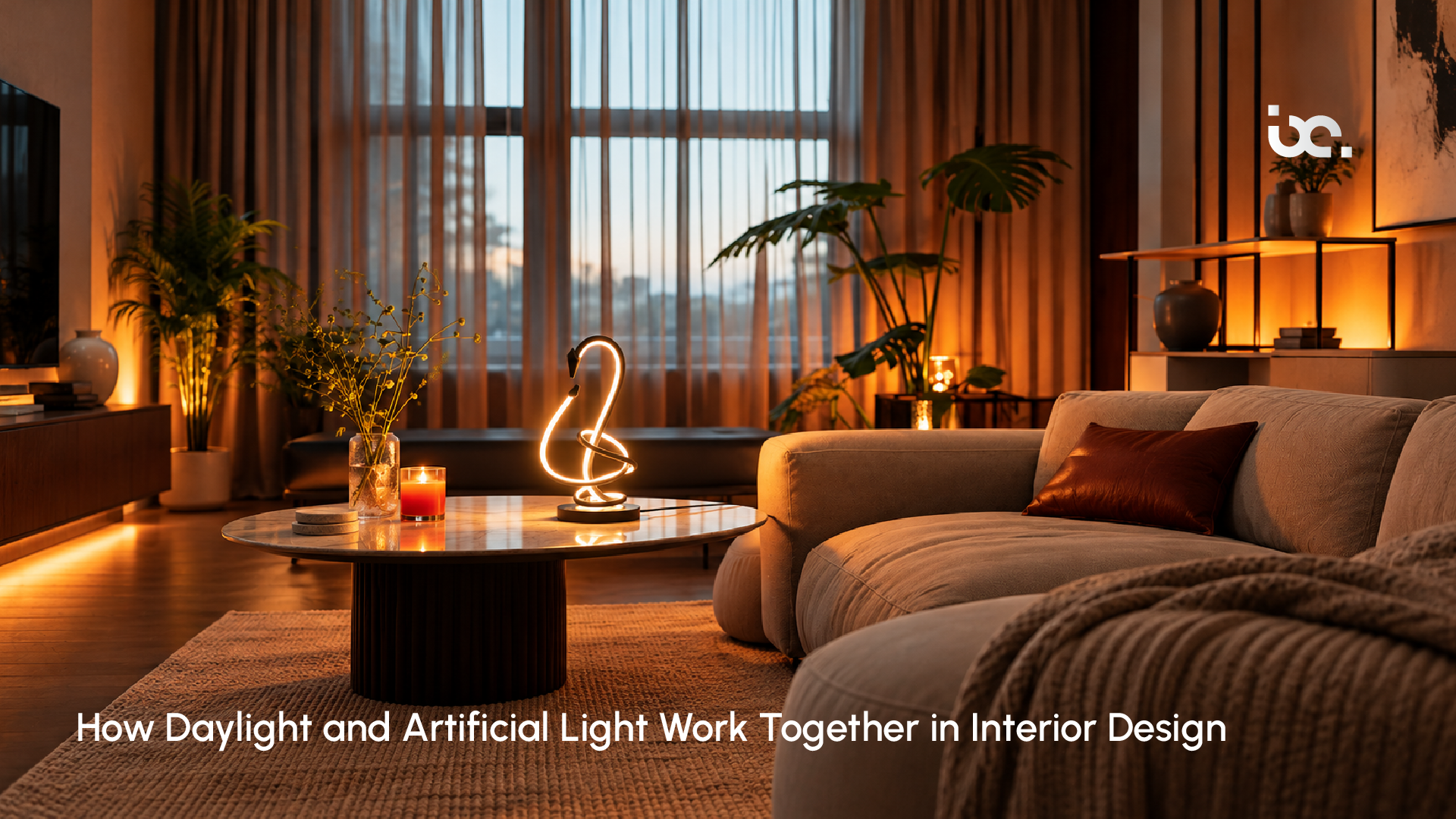
Exceptional interior design is rarely defined by furniture, finishes, or architectural details alone. Light is equally important. It reveals the character of materials, creates depth, influences the atmosphere of a room, and shapes how people experience a space throughout the day.
A beautifully designed interior can feel entirely different under soft morning sunlight, the golden warmth of late afternoon, or carefully positioned evening illumination.
The most successful interiors understand that daylight and artificial lighting are not competing elements. They are complementary layers that work together to create comfort, visual balance, and understated elegance.
Natural light brings movement and variation into a room, while artificial illumination provides consistency, precision, and control when daylight changes or disappears.
When thoughtfully combined, daylight and artificial lighting can enhance architectural features, create inviting transitions between spaces, and support a more considered approach to interior design. The objective is not simply to make a room brighter. It is to give every source of light a purpose.
Daylight is constantly changing. Its intensity, direction, and colour vary according to the time of day, the season, weather conditions, and the orientation of a building. This variation gives interiors a natural sense of rhythm, allowing surfaces and architectural features to appear different as the day progresses.
Artificial lighting, by contrast, offers a greater degree of control. Designers can determine where light falls, how intensely it illuminates a surface, and whether it creates a warm, intimate atmosphere or a brighter environment for detailed tasks.
The relationship between these two sources forms the foundation of a successful lighting scheme.
A room with generous windows may receive beautiful daylight during the morning but become noticeably darker by late afternoon. Similarly, a space with limited windows may depend on carefully layered artificial lighting to maintain a comfortable atmosphere throughout the day.
Rather than treating artificial lighting as an afterthought, designers should consider both sources from the beginning. This makes it easier to create interiors that remain visually balanced as natural conditions change.
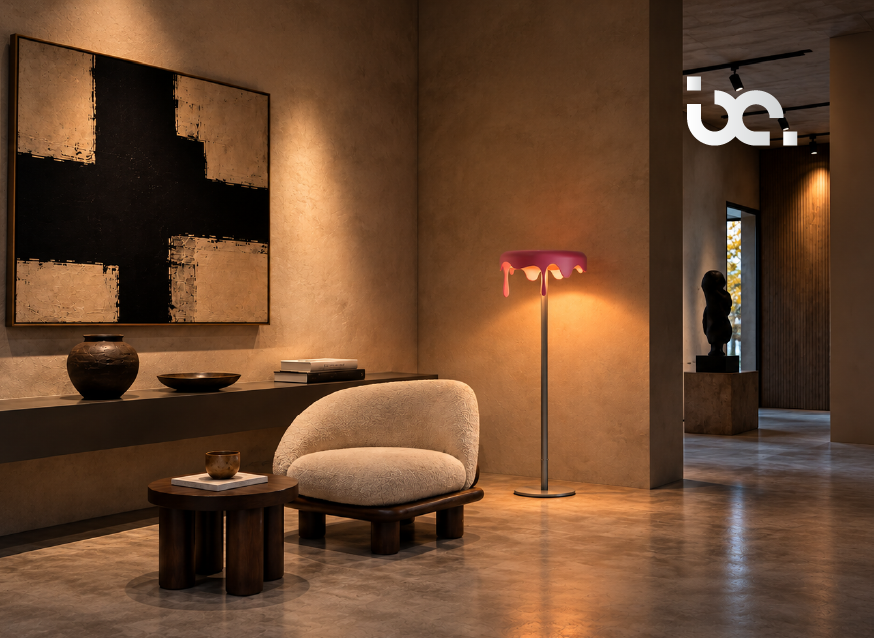
Natural light design begins with understanding how sunlight enters a building and interacts with its interior. Window placement, room orientation, ceiling height, wall finishes, and surrounding structures all influence the quality of daylight within a space.
Large windows can introduce generous amounts of natural light, but size alone does not guarantee a comfortable result. Direct sunlight may create glare, uneven brightness, or unwanted heat, particularly when it falls across reflective surfaces or work areas.
A considered design approach balances the benefits of daylight with the need for comfort and privacy.
Windows influence more than the view outside. They determine how daylight travels through a room, which surfaces receive the most illumination, and how evenly light is distributed.
For example, a living room with well-positioned windows may benefit from soft, indirect daylight that highlights textured walls and natural materials. In a bedroom, carefully controlled morning sunlight can create a gentle atmosphere without making the room uncomfortably bright.
Designers should consider the following factors:
These considerations help determine whether a space needs additional artificial illumination during particular hours.
Light-coloured walls, pale ceilings, and selected reflective finishes can help distribute daylight across an interior. Mirrors may also redirect light when positioned carefully in relation to windows.
However, reflection should be controlled rather than excessive. Highly polished surfaces can create distracting glare, while too many reflective finishes may weaken the warmth and depth of a room.
Matte stone, natural timber, textured plaster, and soft fabrics offer a different response to daylight. They diffuse illumination across their surfaces, revealing subtle variations in colour and texture.
This balance between reflection and absorption gives an interior a more sophisticated visual character.
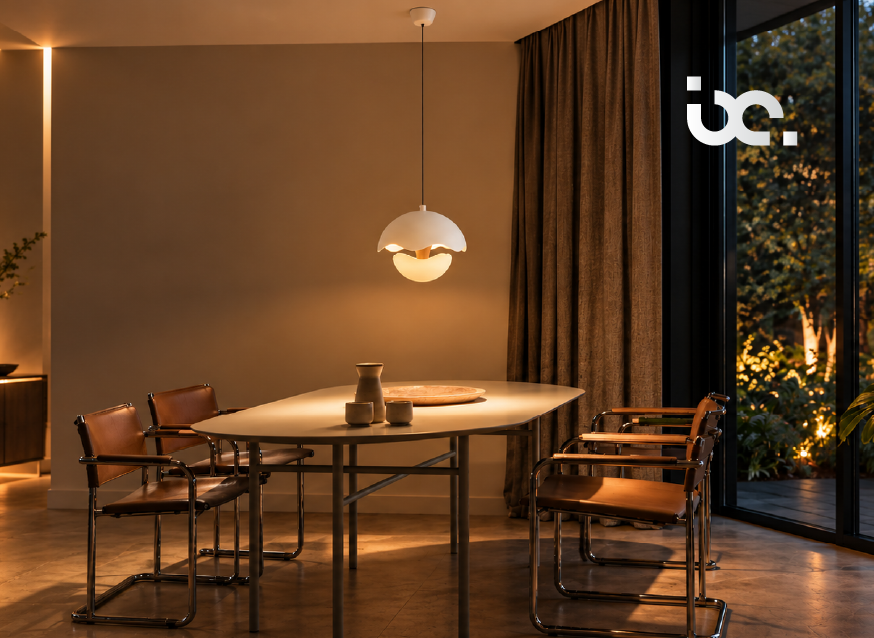
Effective daylight integration requires an understanding of how each room is used. The ideal lighting conditions for a kitchen differ from those needed in a bedroom, reading area, or formal living room.
In a living room, daylight can establish a relaxed atmosphere and draw attention to architectural details. Seating arrangements should take advantage of natural views while avoiding uncomfortable glare on television screens.
In kitchens, natural light is valuable for everyday tasks, but work surfaces may still need dedicated artificial lighting. Shadows created by overhead cabinets or the position of the user can make even a bright kitchen difficult to work in without additional illumination.
Bedrooms benefit from a softer approach. Window treatments can regulate morning light, while bedside lamps and concealed lighting provide comfort after sunset.
Home offices require particular attention to screen reflections and visual fatigue. Placing a desk so that daylight arrives from the side rather than directly behind or in front of a screen can help reduce glare.
Across all these spaces, the principle remains consistent: daylight should enhance the room’s function, while artificial lighting should address the limitations of natural conditions.
Natural light establishes a connection with the outdoors, but it cannot provide consistent illumination at every hour. Artificial illumination allows designers to maintain visual comfort, highlight selected features, and establish the desired mood after sunset.
A refined lighting scheme rarely relies on a single central ceiling fixture. Instead, it combines different layers, each serving a distinct purpose.
Ambient lighting provides the general illumination needed to move comfortably through a room. It may come from recessed ceiling fixtures, elegant pendants, concealed cove lighting, or wall-mounted luminaires.
The aim is to create an even foundation without making the space feel flat or overly bright.
Task lighting supports specific activities, such as reading, cooking, dressing, or working. Desk lamps, under-cabinet fixtures, and adjustable reading lights are common examples.
Well-positioned task lighting improves functionality without requiring the entire room to be illuminated at a high intensity.
Accent lighting draws attention to selected features, including artwork, textured walls, sculptures, shelving, or architectural details.
A carefully aimed spotlight can reveal the depth of a stone surface, while a concealed linear fixture can emphasise the geometry of a wall or ceiling.
When ambient, task, and accent lighting are combined, the room gains visual depth. The result feels more deliberate than a space illuminated uniformly from above.
One of the most important considerations when combining daylight and artificial lighting is colour temperature.
Daylight changes in appearance throughout the day. Morning and evening light can feel warmer, while midday daylight may appear cooler and more neutral. Artificial lighting introduces another variable, as different lamps produce different colour appearances.
If these sources are poorly coordinated, a room can feel visually inconsistent. Warm-toned artificial lighting may make a pale surface appear creamy beside a window, while cooler lighting elsewhere can make the same material look stark.
For residential interiors, warm or warm-neutral lighting is often suitable for creating a welcoming atmosphere. Kitchens, workspaces, and utility areas may benefit from more neutral light, depending on their finishes and intended use.
Consistency is particularly important where several light sources are visible at once.
Designers should also consider colour rendering, which affects how accurately a light source reveals the colours of materials and furnishings. High-quality lighting can help preserve the richness of timber, the subtle undertones of stone, and the true appearance of fabrics.
The goal is not to make every source identical. It is to ensure that their differences contribute to the design rather than distract from it.
Window lighting can be one of an interior’s most attractive features, but uncontrolled daylight may create glare, overheating, or uncomfortable contrasts between bright windows and darker areas.
Window treatments provide a practical way to regulate incoming light while contributing to the overall aesthetic.
Sheer curtains soften direct sunlight and preserve a sense of openness. Roman blinds offer a tailored appearance with adjustable coverage, while layered curtains provide flexibility between filtered daylight and privacy.
External shading, such as overhangs or suitable blinds, can also help control solar exposure before sunlight reaches the glass.
The choice should reflect the architecture, climate, orientation, and intended use of the room.
A south-facing or west-facing window, for example, may require more careful management of direct sunlight during certain seasons or times of day. A north-facing window may offer more consistent, diffuse daylight but still leave deeper parts of a room dependent on artificial lighting.
Good window design therefore considers both the beauty of daylight and the practical conditions required for everyday comfort.
A well-designed interior should not lose its character when the sun sets. Instead, artificial lighting should gradually take over the role of daylight while preserving the room’s atmosphere.
During the day, designers may rely on natural illumination supported by discreet task lighting in darker areas. As daylight fades, ambient lighting can establish a comfortable overall level, while accent fixtures introduce warmth and depth.
Dimmable lighting is especially useful because it allows brightness to respond to changing conditions and different activities.
For example, a dining room may require brighter illumination during preparation and serving, followed by a softer setting during an evening meal. In a living room, a combination of concealed ceiling lighting, wall lights, and table lamps can create a relaxed atmosphere without illuminating every surface equally.
Smart lighting controls can make these transitions easier through scheduled scenes, dimming, and, where appropriate, automatic adjustments based on daylight levels.
The most successful result feels natural rather than theatrical. Light changes with the needs of the space, while the interior retains its sense of balance.
Lighting decisions also influence a building’s energy consumption and environmental performance.
Sustainable interiors make considered use of daylight while selecting efficient artificial lighting that meets functional requirements without unnecessary energy use.
Maximising useful daylight may reduce the need for electric lighting during certain hours. However, excessive solar gain can increase cooling requirements, so window design and shading must be considered alongside lighting efficiency.
LED technology offers an efficient option for many interior applications. Compared with traditional incandescent lamps, LEDs generally use less electricity and have longer service lives, although actual performance depends on product quality and operating conditions.
Other useful strategies include:
Sustainability is not simply about reducing the number of fixtures. It is about ensuring that each fitting performs its intended function efficiently and contributes to a coherent design.
Even a carefully furnished interior can feel uncomfortable when daylight and artificial lighting are poorly coordinated.
Several common mistakes are worth avoiding:
Addressing these issues during the design stage is usually easier than correcting them after installation.
The relationship between daylight and artificial lighting is central to creating interiors that feel elegant, comfortable, and thoughtfully composed. Daylight introduces natural variation, reveals the character of materials, and connects interior spaces with the outdoors.
Artificial illumination provides the control and consistency needed to support everyday activities and maintain the desired atmosphere after sunset.
When natural light design, carefully considered window treatments, and layered artificial lighting work together, a room becomes more than visually attractive. It becomes adaptable to changing conditions and more responsive to the people who use it.
A successful lighting scheme does not compete with architecture or overwhelm the interior with brightness. Instead, it allows every surface, object, and space to be experienced at its best, from the first light of morning to the quiet warmth of evening.
They complement one another. Daylight provides natural variation, while artificial lighting maintains visibility and atmosphere when sunlight is insufficient. Planning both together helps create a consistent and comfortable interior.
Natural light can make spaces feel more open, reveal material textures, and create a visual connection with the outdoors. Its effectiveness depends on window placement, room orientation, shading, and the distribution of light.
A combination of ambient, task, and accent lighting usually provides the greatest flexibility. Dimmable fixtures and carefully selected colour temperatures help artificial illumination complement changing daylight conditions.
Effective daylight use, efficient LED fixtures, suitable shading, and lighting controls can reduce unnecessary electricity consumption. Good design must also account for solar heat gain and the building’s overall energy performance.
Sheer curtains, adjustable blinds, external shading, and thoughtful furniture placement can help manage glare while preserving daylight. Matte finishes and carefully positioned workstations can also improve visual comfort.
Experience radiant guidance tailored to your unique vision.