No products in the cart.


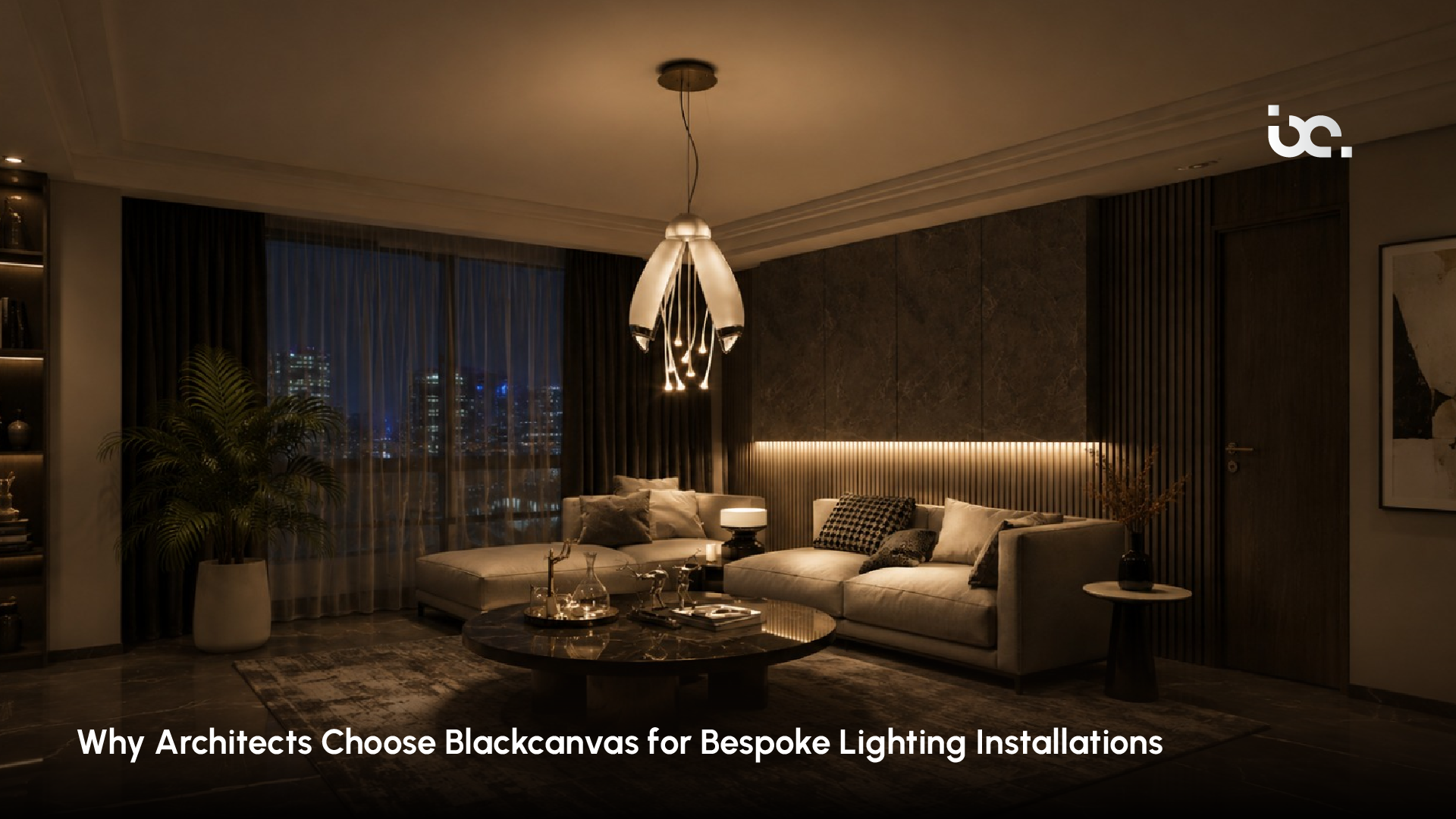
Lighting has the rare ability to change a room without altering its architecture. It can soften a stone wall, draw attention to a sculptural staircase, create intimacy around a dining table, or make a carefully proportioned interior feel dramatically different after sunset.
Yet not every light serves the same purpose.
In refined interiors, understanding decorative vs architectural lighting is essential for creating a balanced atmosphere. Decorative fixtures can provide personality and visual interest, while architectural illumination can quietly shape the way a space is experienced.
The distinction is not about deciding which approach is better. The most sophisticated interiors often use both, allowing illumination and design to work together rather than compete.
Decorative lighting refers to fixtures that are designed to be visually noticeable as well as functional. Their form, material, scale, and finish become part of the interior.
A pendant suspended above a dining table, an elegant chandelier in an entrance hall, or a sculptural wall sconce can all act as decorative elements.
Decorative light fixtures can introduce:
In many interiors, the fixture itself becomes part of the design narrative.
A beautifully crafted pendant can remain visually compelling even when it is switched off. Once illuminated, however, it adds another dimension through light, shadow, reflection, and atmosphere.
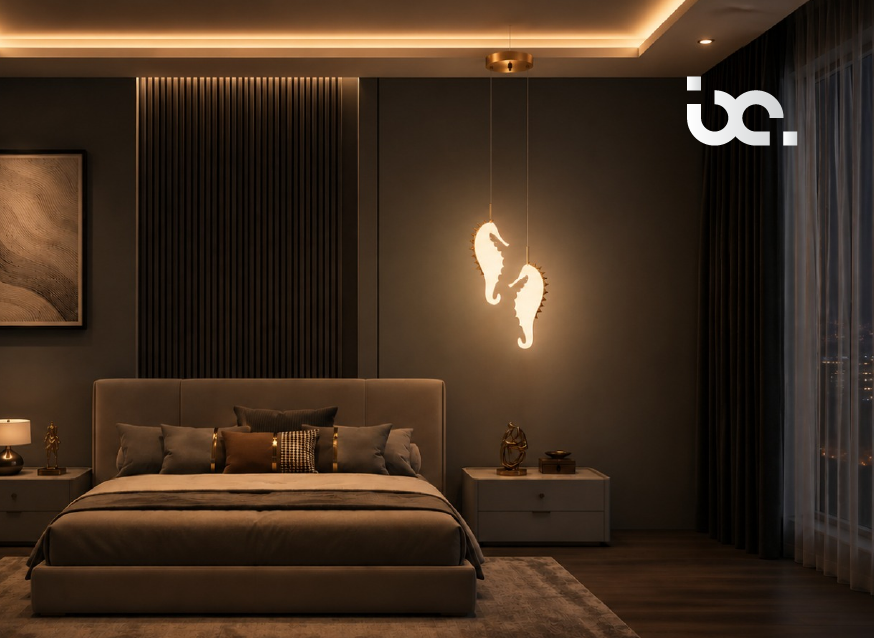
Architectural lighting takes a different approach. Rather than making the fixture the centre of attention, it focuses on integrating illumination with the architecture of the space.
The source may be concealed, recessed, built into a wall, positioned within a ceiling, or carefully directed towards a particular surface.
Architectural illumination can be used to:
In a minimalist interior, for example, discreet recessed lighting can illuminate a wall without introducing another visible object into the room.
The architecture remains the protagonist. The lighting simply helps reveal it.
The simplest distinction is this: decorative lighting places greater emphasis on the fixture as an object, while architectural lighting places greater emphasis on the effect of light within the space.
However, the distinction is not always absolute.
A decorative fixture can provide functional lighting, and an architectural fixture can become a significant design feature. Modern interior lighting design increasingly blurs these boundaries.
The real question is not whether a fixture belongs exclusively to one category. It is what role the lighting needs to play within the overall composition.
One of the greatest strengths of decorative lighting is its ability to establish identity.
Imagine entering a sophisticated dining room. A sculptural chandelier positioned above the table immediately creates a focal point. Its proportions relate to the table, its finish complements surrounding materials, and its silhouette adds character to the room.
The light is useful, but the object itself also contributes to the interior.
Decorative lighting can therefore be particularly effective in spaces where designers want to introduce a memorable element.
Common applications include:
The right fixture can provide a sense of occasion without making the space feel excessively decorated.
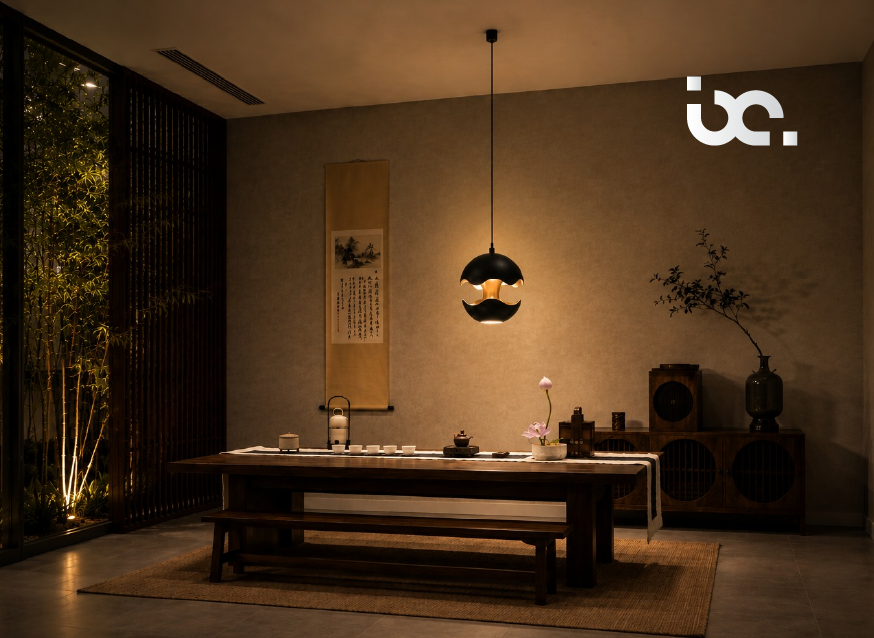
Architectural lighting is often more subtle.
Instead of asking, “What fixture should people notice?”, the designer asks, “What should people notice because of the light?”
A textured stone wall may become more expressive under carefully positioned illumination. A ceiling detail can appear more sculptural when softly grazed. A corridor can feel longer when light is arranged to create a sequence of illuminated surfaces.
This is the quiet strength of architectural illumination.
It does not necessarily demand attention. It directs attention.
Functional lighting refers to illumination designed primarily to support a particular activity.
Reading lights, kitchen task lights, vanity illumination, and workspace lighting are familiar examples.
Architectural lighting can be functional, but its purpose can extend beyond basic visibility.
For instance, recessed lighting over a kitchen counter provides useful illumination while also contributing to the overall visual composition. Similarly, concealed lighting beneath architectural details can provide practical guidance while creating depth.
The distinction is therefore based on intention rather than simply the type of fixture used.
The most successful interiors rarely depend on a single lighting category.
Instead, designers combine different layers to create flexibility and depth.
A considered lighting scheme may include:
This layered approach allows a room to change throughout the day.
Bright architectural illumination may be appropriate for everyday activities, while decorative fixtures and softer accent lighting can create a more intimate evening setting.
The result feels richer because the room is not dependent on one source of brightness.
The decision should begin with the character of the space.
Ask a few simple questions:
What is the architectural feature worth highlighting?
Does the room need a strong visual focal point?
Should the lighting fixture become part of the furniture and décor?
Are there functional areas that require concentrated illumination?
Would visible fixtures enhance or interrupt the architectural language?
The answers can help determine where each lighting approach belongs.
For example, a dramatic chandelier may suit a double-height entrance, while concealed wall washing could be more appropriate for a minimalist corridor.
Lighting interacts constantly with materials.
Glass reflects and refracts light. Stone can reveal texture under grazing illumination. Polished metal creates reflections, while timber absorbs and softens brightness.
This relationship should be considered during the interior lighting design process.
Decorative fixtures can echo these material qualities through their own construction. Architectural lighting can reveal them through carefully controlled illumination.
The two approaches can therefore work together beautifully.
A sculptural pendant might introduce brushed metal into a room, while concealed lighting highlights the texture of a stone wall behind it.
Neither element needs to overpower the other.
Luxury interiors depend heavily on proportion.
A decorative fixture that is too small can look insignificant, while one that is too large may dominate the architecture. Architectural lighting has its own proportional considerations, particularly when multiple fixtures are used across ceilings and walls.
The size and spacing of lighting should relate to:
Good design often feels effortless precisely because these relationships have been carefully considered.
Decorative light fixtures can be especially valuable when a room needs a focal point or a strong expression of personality.
Consider decorative lighting when:
A decorative fixture can provide the finishing touch that makes an interior feel complete.
Architectural illumination is often preferable when the design relies on clean lines, subtle material transitions, or strong architectural features.
It works particularly well when:
In such settings, visible fixtures may be intentionally restrained so that the architecture remains dominant.
There is no requirement to choose only one.
In fact, decorative vs architectural lighting is often less a competition and more a conversation.
A luxury residence might use concealed ceiling lighting for general illumination, wall washing to reveal artwork, and a sculptural pendant above the dining table.
A hospitality space could combine architectural illumination along corridors with decorative chandeliers in reception areas.
The architectural elements create structure. The decorative elements create emotion.
Together, they create a complete lighting composition.
Decorative lighting emphasises the fixture as a visual design element, while architectural lighting focuses primarily on integrating illumination with the structure, surfaces, and spatial experience of a room.
Yes. Decorative fixtures can provide useful illumination while also contributing to the interior’s visual character. Their decorative role does not prevent them from being functional.
No. Architectural lighting can include recessed, concealed, surface-mounted, or directional fixtures. What defines it is primarily its relationship with the architecture and the intended lighting effect.
Absolutely. Combining architectural illumination with decorative fixtures creates layers of light, allowing designers to balance functionality, atmosphere, focal points, and architectural character.
Neither is universally better. The strongest luxury interiors typically use a considered combination based on the architecture, materials, function, scale, and desired atmosphere.
Experience radiant guidance tailored to your unique vision.