No products in the cart.

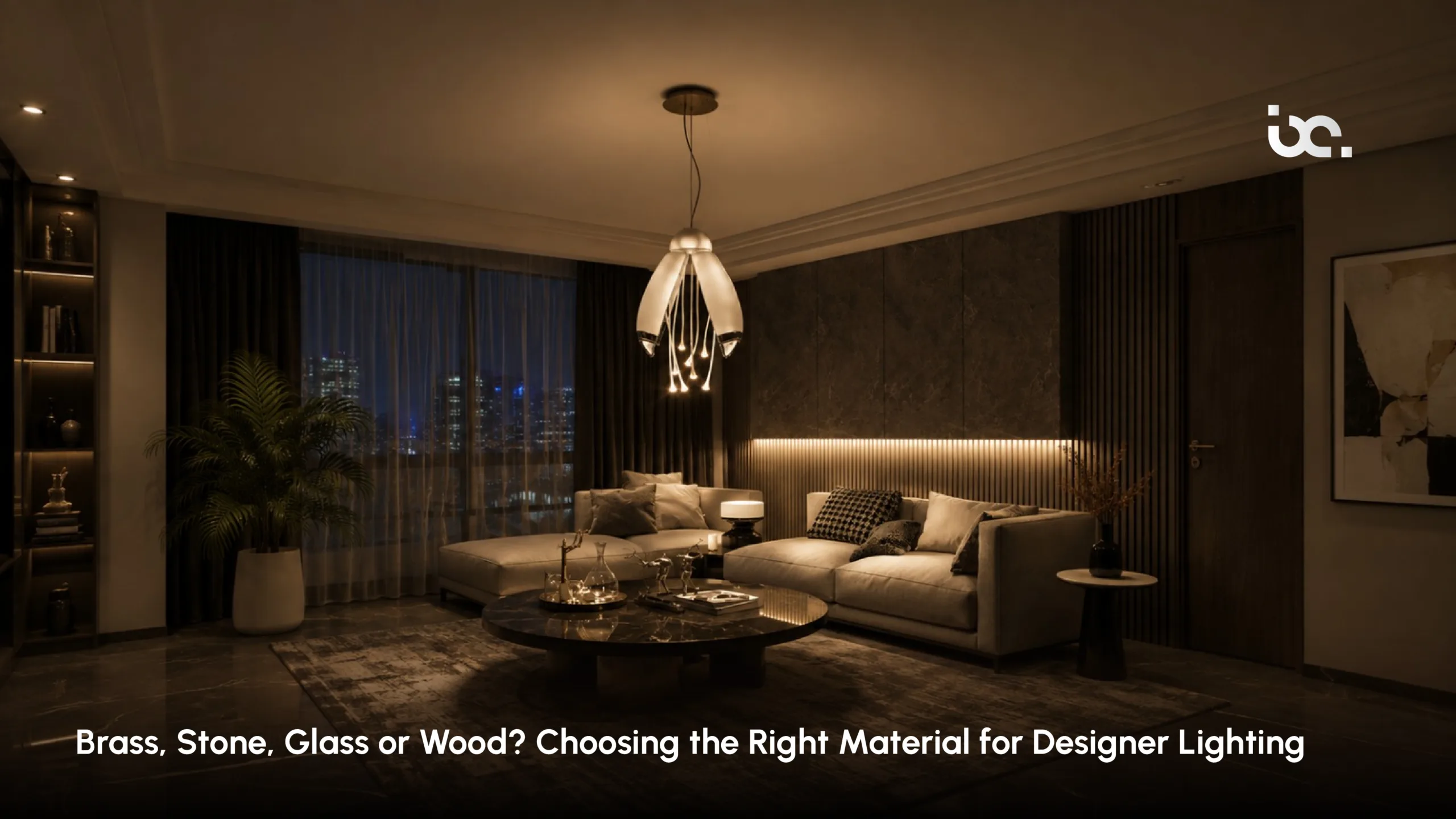
Luxury interiors are rarely defined by one spectacular element. More often, their character comes from the quiet relationship between materials, proportions, textures, and light.
Lighting plays an especially important role because it is both functional and visual. A beautifully designed fixture can illuminate a room while also introducing texture, warmth, contrast, and personality.
This makes the choice of material more important than it may initially appear.
Brass can add warmth and timeless sophistication. Stone introduces weight and natural character. Glass creates luminosity and delicacy, while wood brings an organic softness that can make contemporary spaces feel more inviting.
When selecting designer lighting materials, the decision should therefore go beyond appearance. The material influences how a fixture interacts with its surroundings, how light is diffused, and how the piece ages over time.
For homeowners and designers seeking luxury lighting, understanding these differences can make it easier to select fixtures that complement the architecture rather than simply occupy the ceiling or wall.
The material of a lighting fixture contributes to much more than its appearance.
It affects:
A polished material may create a crisp, contemporary impression, while a textured or naturally finished material can make a space feel warmer and more intimate.
This is why two fixtures with almost identical shapes can create completely different impressions when made from different materials.
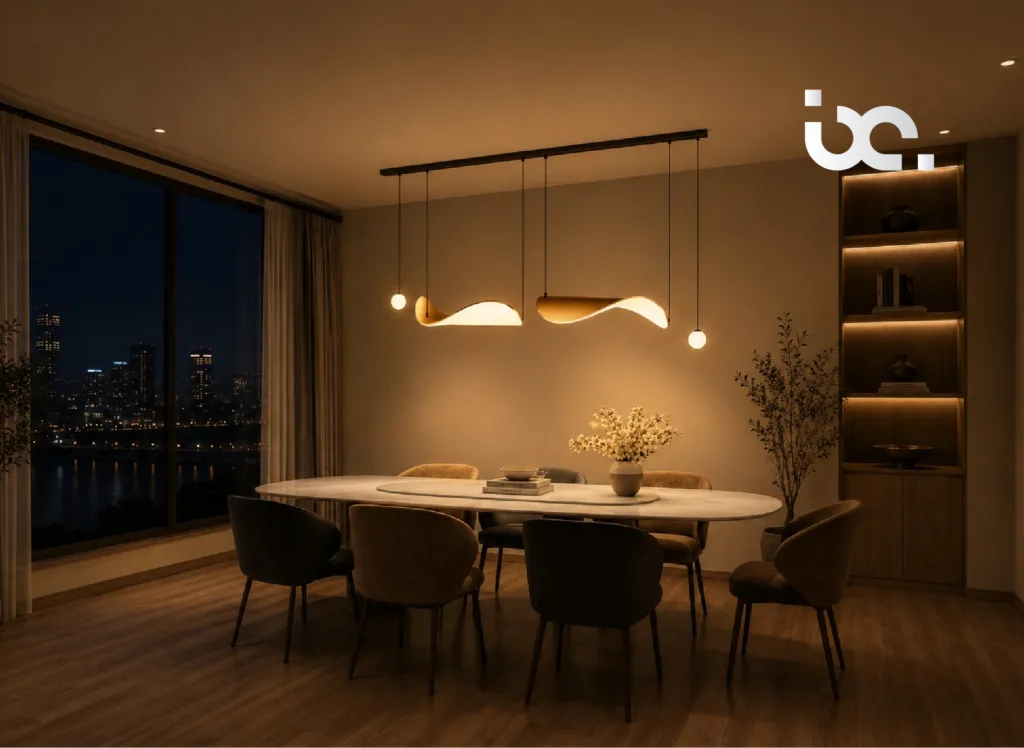
Brass has long been associated with refined interiors, but contemporary designers have given it new relevance.
Its warm metallic character can introduce depth without appearing excessively dramatic, particularly when used with restraint.
Brass works beautifully with:
Different surface treatments can dramatically alter its personality.
Polished brass feels brighter and more decorative, while brushed or aged brass can appear quieter and more sophisticated.
For luxury lighting, brass is particularly effective when the fixture is intended to become a subtle focal point.
It catches light naturally, creating highlights that change as the room’s illumination changes.
Stone brings an entirely different quality to lighting.
Unlike metal, which can feel precise and refined, stone introduces natural variation. Veining, texture, colour, and density make every piece visually distinctive.
Stone lighting works especially well when designers want a fixture to feel architectural.
It can be used for:
Marble is particularly appealing for sophisticated interiors because its natural veining creates visual movement.
The beauty of stone is that it does not need to compete with the surrounding décor. Its natural irregularities often provide enough character on their own.
Glass has an almost effortless relationship with illumination.
It can make a fixture feel lighter, more transparent, and more atmospheric. Depending on its finish, glass can either reveal the light source or soften it.
Clear glass creates a clean and contemporary effect, while frosted or textured glass produces a gentler glow.
Glass works particularly well in:
Handcrafted glass can add another layer of individuality. Small variations in shape, texture, or thickness can make the fixture feel more like an artistic object than a standard lighting product.
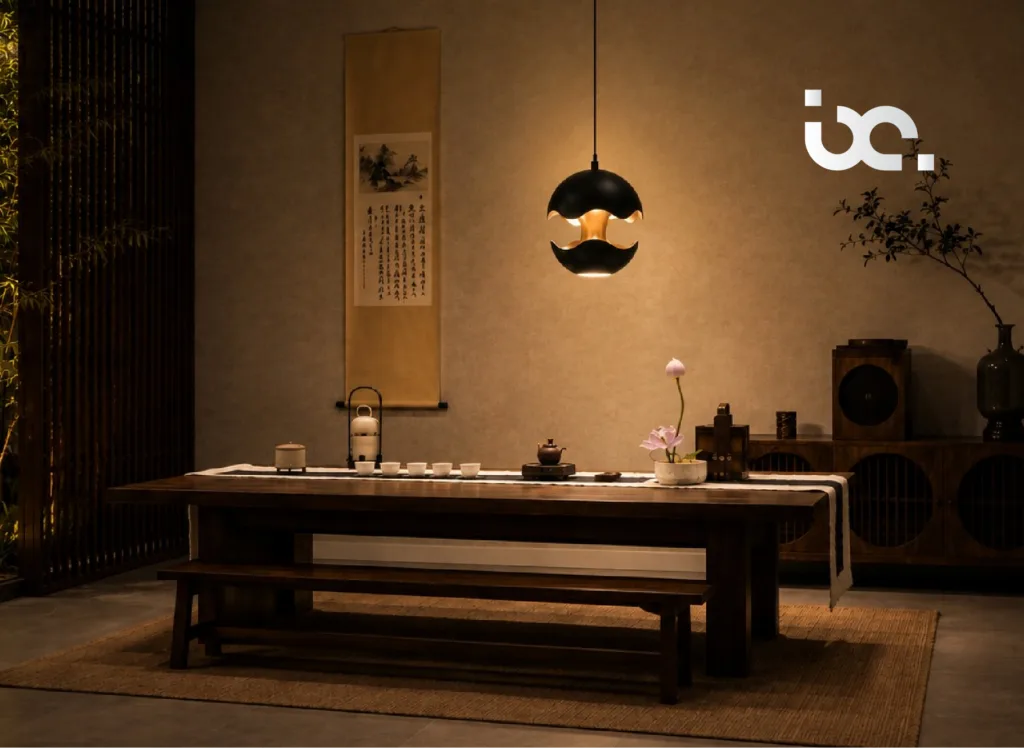
Wood introduces warmth that few other materials can replicate.
Its grain, tone, and tactile quality can soften minimalist spaces while adding an organic connection to the interior.
Wooden lighting can complement:
Light-toned woods can create an airy, Scandinavian-inspired character, while darker woods can introduce richness and intimacy.
For contemporary lighting, wood is particularly effective when paired with metal or glass. The contrast between organic and refined materials can create a sophisticated visual balance.
Choosing only one material is not always necessary. Some of the most distinctive fixtures combine two or more materials to create contrast.
Consider combinations such as:
A classic pairing that balances warmth with transparency.
Ideal for interiors where architectural solidity meets refined detailing.
A softer combination that works beautifully in relaxed contemporary spaces.
Warm, elegant, and particularly suitable for dining and living areas. Material combinations can help a lighting fixture connect different elements within a room.
For example, brass detailing can echo furniture hardware while a stone base complements marble surfaces elsewhere.
The right material should also reflect the overall design language of the room.
Glass, brushed brass, stone, and refined combinations often work well.
Simple brass, pale wood, or clean glass fixtures can provide warmth without visual clutter.
Aged brass, decorative glass, and richly finished materials can reinforce traditional elegance.
Natural wood, stone, textured glass, and understated metals complement earthy palettes.
The goal is not to match every material perfectly. In fact, excessive matching can make a space feel overly coordinated.
A more sophisticated approach is to create relationships between materials.
Material selection is only part of the equation.
The finish determines how that material behaves visually within the room.
Premium finishes can highlight texture, control reflections, and give a fixture a more refined appearance.
For example, the same brass can feel dramatically different depending on whether it is polished, brushed, aged, or satin-finished.
Similarly, glass can range from crystal-clear to softly diffused or richly textured.
When evaluating designer lighting materials, look closely at the quality of the finish rather than judging the material name alone.
Handcrafted lighting offers another advantage: individuality.
When artisans work with natural materials or carefully finished metals and glass, subtle variations can become part of the design.
A handcrafted fixture may have:
These characteristics can give a fixture a sense of permanence and personality.
In a luxury interior, that individuality can be more valuable than absolute uniformity.
Brass adds warmth, sophistication, and timeless character.
Selecting lighting is ultimately an exercise in balance.
Brass offers warmth and polished sophistication. Stone brings architectural presence. Glass creates an elegant sense of lightness, while wood introduces natural warmth and character.
There is no universally perfect material. The right choice depends on the architecture, furniture, colour palette, desired ambience, and role the fixture is expected to play.
For luxury lighting, material should never be treated as an afterthought. It is part of the design language.
The most successful fixtures do more than illuminate a room. They connect with the materials around them, respond beautifully to changing light, and remain visually compelling long after the first impression.
That is the quiet luxury of thoughtfully chosen lighting: nothing feels excessive, yet everything feels considered.
Brass, glass, stone, and wood are widely used because each offers a distinct combination of appearance, texture, durability, and interaction with light.
Yes. Brass offers warmth and sophistication and is available in finishes ranging from polished to brushed and aged.
Glass allows light to pass through or diffuse softly, creating an elegant and visually lighter fixture.
Yes. Wood can soften contemporary spaces and introduce natural texture, especially when combined with glass or metal.
Stone adds natural variation, weight, and sculptural character, making it particularly suitable for statement pieces.
Experience radiant guidance tailored to your unique vision.