No products in the cart.

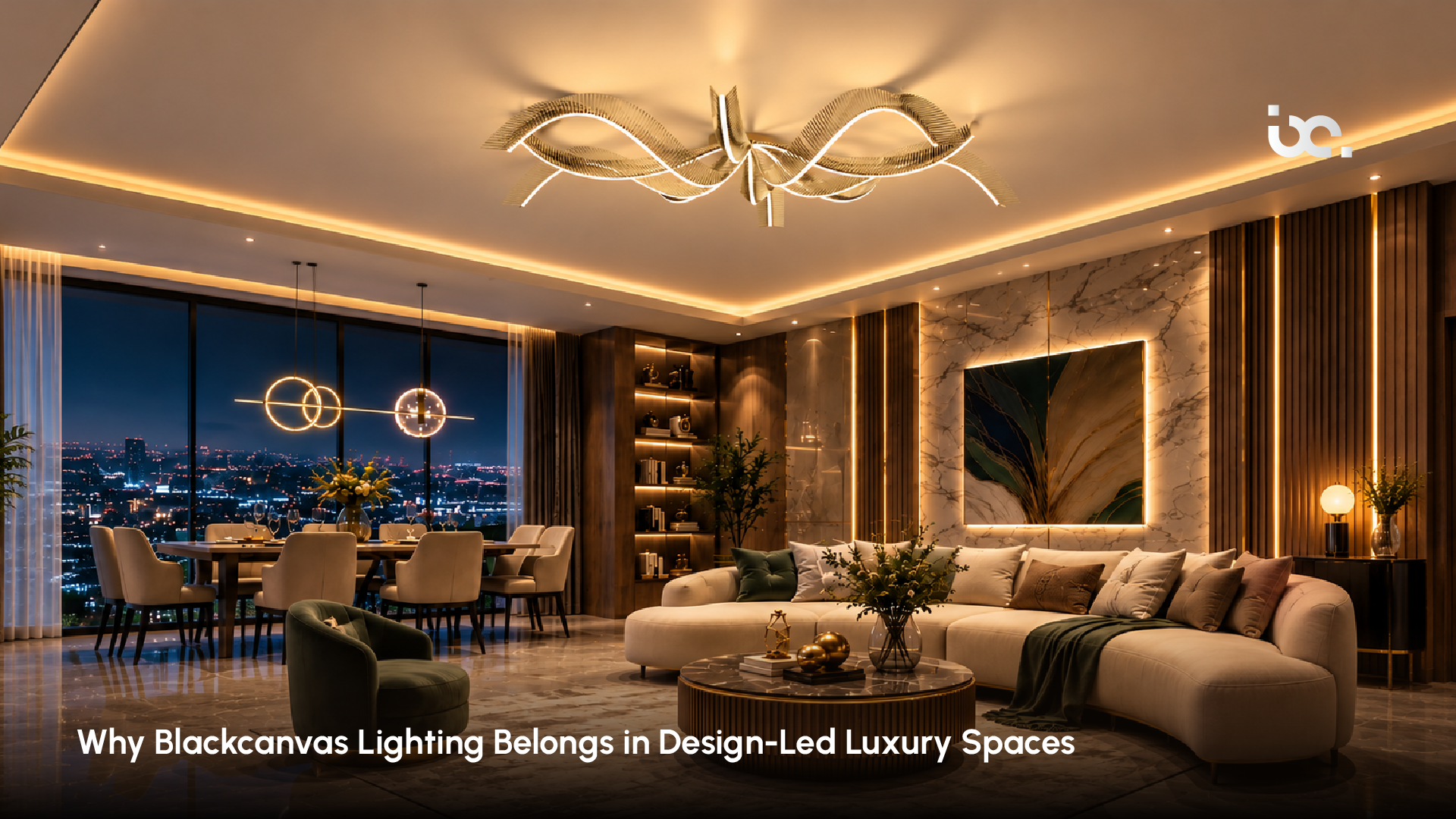
Luxury interiors are defined by the details that make a space feel considered, distinctive and effortlessly refined. From the texture of natural stone to the proportions of bespoke furniture, every element contributes to the atmosphere of a room. Lighting, however, holds a particularly important place in this composition.
It influences how materials appear, directs attention towards architectural features and creates an emotional connection between a space and the people who experience it.
This is where designer luxury lighting becomes more than a practical necessity. The right fixture can become an architectural feature, a sculptural centrepiece or a subtle finishing detail that brings an entire interior together.
Blackcanvas belongs in this design conversation, where illumination is considered alongside form, materiality and the overall vision of a space.
For homeowners, architects and interior designers who appreciate thoughtful aesthetics, Blackcanvas offers an opportunity to explore lighting as an integral part of premium design rather than an accessory selected at the end of a project.
The most compelling luxury spaces are rarely created through decoration alone. Their appeal comes from the relationship between architectural structure, carefully selected materials and the objects placed within them. Lighting connects these elements, helping each one contribute to a coherent visual experience.
A pendant can draw attention to a double-height ceiling, while wall lights can reveal the texture of natural stone or decorative plaster. Recessed lighting can provide discreet illumination without interrupting clean architectural lines. When planned carefully, these different sources create depth and dimension without making a room feel crowded.
Blackcanvas lighting can be considered within this approach, particularly when a project requires fixtures that complement the architecture rather than compete with it.
In a contemporary residence, this might mean selecting a statement fixture for the entrance and softer, layered illumination for the living areas. In a boutique hotel, lighting can establish a recognisable atmosphere that carries through reception areas, corridors and guest suites.
The objective is to make the architecture feel complete. Lighting should reveal the qualities of a space, allowing its proportions, finishes and design features to speak for themselves.
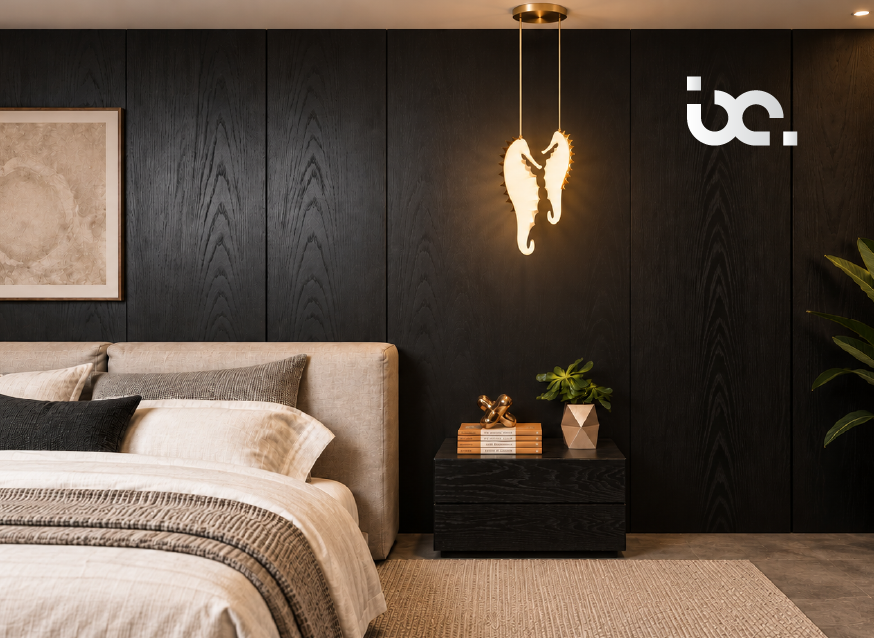
Personalisation has become an important consideration in luxury interior design. Homeowners increasingly seek spaces that reflect their preferences rather than follow a standard decorative formula. Lighting can contribute significantly to this individuality.
Working with a bespoke lighting brand allows designers to think carefully about the relationship between a fixture and its intended setting. Scale, finish, placement and visual character all influence whether a piece feels naturally integrated into a room.
Blackcanvas can be explored as part of a design-led selection process in which lighting is chosen according to the project’s architectural language and aesthetic requirements. Rather than selecting fixtures in isolation, designers can consider how they relate to furniture, wall finishes, flooring and decorative details.
This approach is particularly useful in spaces with unusual proportions, distinctive ceiling features or a carefully curated material palette.
When choosing designer luxury lighting, consider the following:
These details help create a result that feels personal and intentional. True refinement often comes from making the right choices rather than adding more elements.
Some lighting fixtures contribute to a room even when they are switched off. Their silhouettes, proportions and materials give them an independent visual presence, allowing them to function as decorative objects as well as sources of illumination.
Sculptural fixtures are especially effective in interiors where simplicity provides the foundation for more expressive design choices. A distinctive pendant above a dining table can become the room’s focal point, while a carefully positioned chandelier can introduce visual drama into a generous entrance hall.
The appeal lies in the balance between artistry and purpose. Unlike purely decorative objects, lighting fixtures must also perform a practical function. Their success depends on how effectively these two roles work together.
Blackcanvas lighting can be considered for interiors where fixtures are expected to contribute to the overall design narrative. A sculptural piece can introduce contrast into a restrained setting, add character to a neutral palette or create a point of interest within an open-plan layout.
Proportion remains essential. A large fixture may suit a spacious foyer but overwhelm a smaller room. Similarly, a delicate design can disappear in an expansive setting if it lacks sufficient visual presence.
The most successful statement pieces feel as though they belong precisely where they have been placed.
A beautifully furnished room can still feel incomplete when its lighting is poorly planned. Harsh illumination, excessive brightness or badly positioned fixtures can undermine even the most carefully selected finishes.
In luxury interiors, lighting should respond to the way a space is used throughout the day. A living room may require comfortable illumination for reading, brighter light for everyday activities and a softer setting for evening entertaining. A dining area may benefit from a more intimate atmosphere, while a kitchen requires practical illumination for preparation and cooking.
A layered lighting scheme typically combines three elements:
Designer luxury lighting helps establish a consistent visual language across these layers when fixtures are selected with their surroundings and intended purpose in mind.
Dimmers provide additional flexibility, allowing illumination levels to change with the time of day or occasion. The colour temperature of the light also matters. Warm lighting can create a relaxed, inviting atmosphere, while neutral lighting may be more suitable for areas where visual clarity is important.
The aim is to create an environment that feels natural and comfortable, with every source of light contributing to the experience.
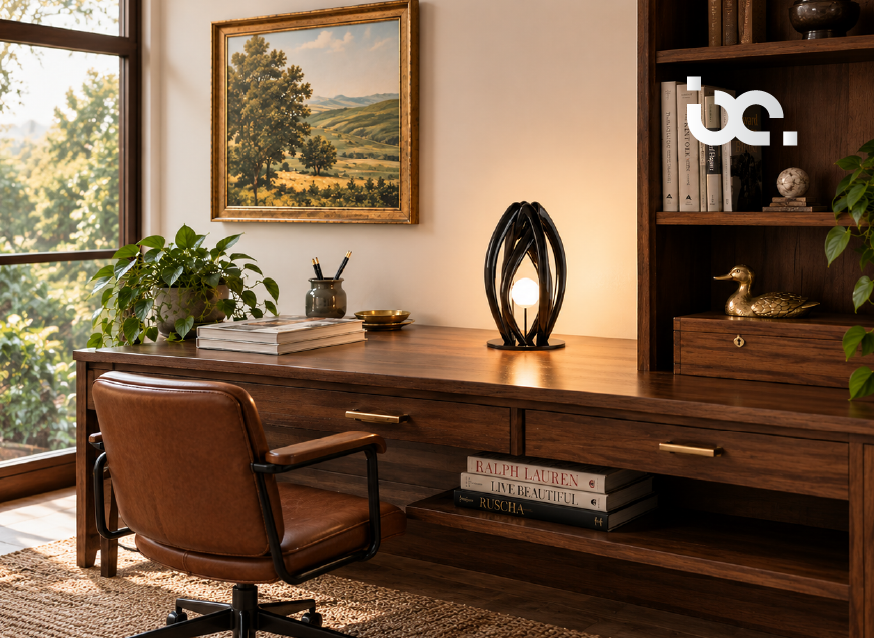
Luxury design is often distinguished by the quality of its details. The finish of a metal fitting, the texture of a lampshade or the way illumination falls across a stone surface can influence the entire character of a room.
Lighting interacts continuously with surrounding materials. Brass and other warm metallic finishes can complement timber and natural stone, while understated finishes may work beautifully alongside concrete, glass and neutral textiles. Reflective surfaces introduce a different quality from matte materials, affecting how light travels through the room.
This relationship is especially important in minimalist interiors, where fewer decorative elements leave individual details more exposed. A carefully selected fixture can introduce warmth or contrast without disturbing the simplicity of the space.
Blackcanvas lighting can be incorporated into material-led interiors where the selection of each fixture supports a wider design scheme.
Premium design is not simply about choosing expensive finishes. It involves understanding how materials interact, how proportions influence visual balance and how every component contributes to the final impression.
When these details are considered together, the result feels cohesive rather than overly decorated.
Circular design considers a product’s entire life, from material selection and manufacturing to maintenance, repair, reuse, and eventual recovery.
In a traditional linear model, resources are extracted, products are manufactured, and discarded items become waste. Circular design aims to keep materials and products useful for longer, preserving their value wherever possible.
In lighting, this philosophy can influence both construction and appearance. Manufacturers can design fixtures with replaceable components, accessible electrical systems, and materials that are easier to separate for recycling.
Useful features include:
These features can extend a fixture’s useful life and reduce unnecessary disposal.
Refurbishment offers another opportunity. Older fixtures may be rewired, refinished, or adapted to compatible modern lighting technology, provided the work is carried out safely by a qualified professional.
Circular design encourages manufacturers to consider repairability before production begins, rather than treating disposal as an unavoidable outcome. By designing for longevity from the beginning, the lighting industry can create products that offer lasting aesthetic value while making more responsible use of resources.
Every room has its own requirements. A successful lighting plan responds to these differences while maintaining a consistent aesthetic throughout the property.
Living rooms benefit from a combination of ambient lighting, decorative pendants and accent sources. A statement fixture can establish a focal point, while additional lighting creates flexibility for reading, entertaining and relaxing.
A pendant or chandelier above the dining table helps define the space, particularly in open-plan interiors. Its dimensions should complement the table and surrounding furniture without obstructing sightlines.
Bedrooms call for a softer approach. Bedside lighting, discreet ceiling fixtures and subtle accent illumination can create a comfortable atmosphere while supporting practical needs.
An entrance establishes the first impression of a property. A sculptural pendant or carefully arranged wall lights can introduce character and set the tone for the spaces beyond.
Hotels, restaurants, showrooms and private clubs use lighting to establish an atmosphere and reinforce their identity. A considered combination of decorative and functional illumination can make these environments more inviting while supporting their intended use.
Across all these settings, architectural lighting is most effective when it responds to the purpose, scale and character of the space.
Luxury interiors are often created with longevity in mind. Natural materials, thoughtful proportions and well-crafted furniture can remain relevant as tastes evolve. Lighting deserves the same consideration.
Selecting designer luxury lighting involves looking beyond immediate visual appeal. A fixture should suit the architecture, perform its intended function and continue to complement the interior over time.
Timelessness does not necessarily mean choosing something plain. A distinctive sculptural fixture can become a lasting feature when its proportions, materials and character are appropriate for the space.
Practical considerations also deserve attention. Before making a purchase, review the construction quality, maintenance requirements, availability of replacement components and compatibility with suitable light sources. Electrical specifications and installation requirements should be confirmed in advance.
These considerations help ensure that a lighting choice remains satisfying long after the initial installation.
For homeowners and designers, Blackcanvas can be considered within this longer-term approach to premium design, where the emphasis is on creating a cohesive interior rather than following a passing trend.
Design-led interiors are built on intention. Every object, material and finish contributes to a wider vision, and lighting has the ability to bring these individual elements together.
Blackcanvas belongs in this conversation because lighting can serve as both a functional necessity and an expressive design element. A thoughtfully chosen fixture can highlight architectural features, introduce visual interest and strengthen the identity of an interior.
For architects and interior designers, this perspective encourages lighting to be considered early in the planning process. For homeowners, it offers an opportunity to select fixtures that reflect personal taste while supporting the practical demands of everyday living.
A restrained approach often produces the most convincing results. One carefully selected statement piece, supported by discreet ambient and accent lighting, can create greater visual harmony than several competing focal points.
Ultimately, designer luxury lighting should feel connected to the space it illuminates. When fixtures are chosen with attention to proportion, material and atmosphere, they become part of the architecture’s character rather than an afterthought.
The appeal of a luxury interior lies in the relationship between its architecture, materials, furnishings and finer details. Lighting brings these elements into focus, influencing how a room looks, feels and functions.
Blackcanvas lighting can be part of this considered approach, where illumination is treated as an essential element of the design rather than a finishing touch. From sculptural statement pieces to carefully integrated architectural lighting, the right fixtures can introduce depth, establish atmosphere and create a stronger sense of visual continuity.
For anyone creating a refined residential, hospitality or commercial space, designer luxury lighting deserves attention from the earliest stages of planning. When light, form and architecture work together, the result feels personal, balanced and enduring.
Designer luxury lighting combines practical illumination with considered aesthetics, distinctive forms and carefully selected finishes. It contributes to the identity of an interior rather than serving only a functional purpose.
Blackcanvas can be explored when selecting lighting for a design-led environment. The right choice should complement the architecture, material palette and intended atmosphere. Reviewing the current collection and product specifications will help identify suitable fixtures.
Sculptural fixtures are lighting pieces with a strong visual form. They function as sources of illumination while contributing to the room’s composition, often becoming focal points in dining areas, entrance halls and living spaces.
Consider the room’s proportions, ceiling height, furniture arrangement, materials and practical requirements. Combining ambient, task and accent lighting creates a flexible scheme that supports both everyday activities and the desired atmosphere.
Yes. Architectural lighting can complement minimalist interiors by highlighting structure, creating depth and providing functional illumination without introducing unnecessary visual clutter.
Experience radiant guidance tailored to your unique vision.