No products in the cart.


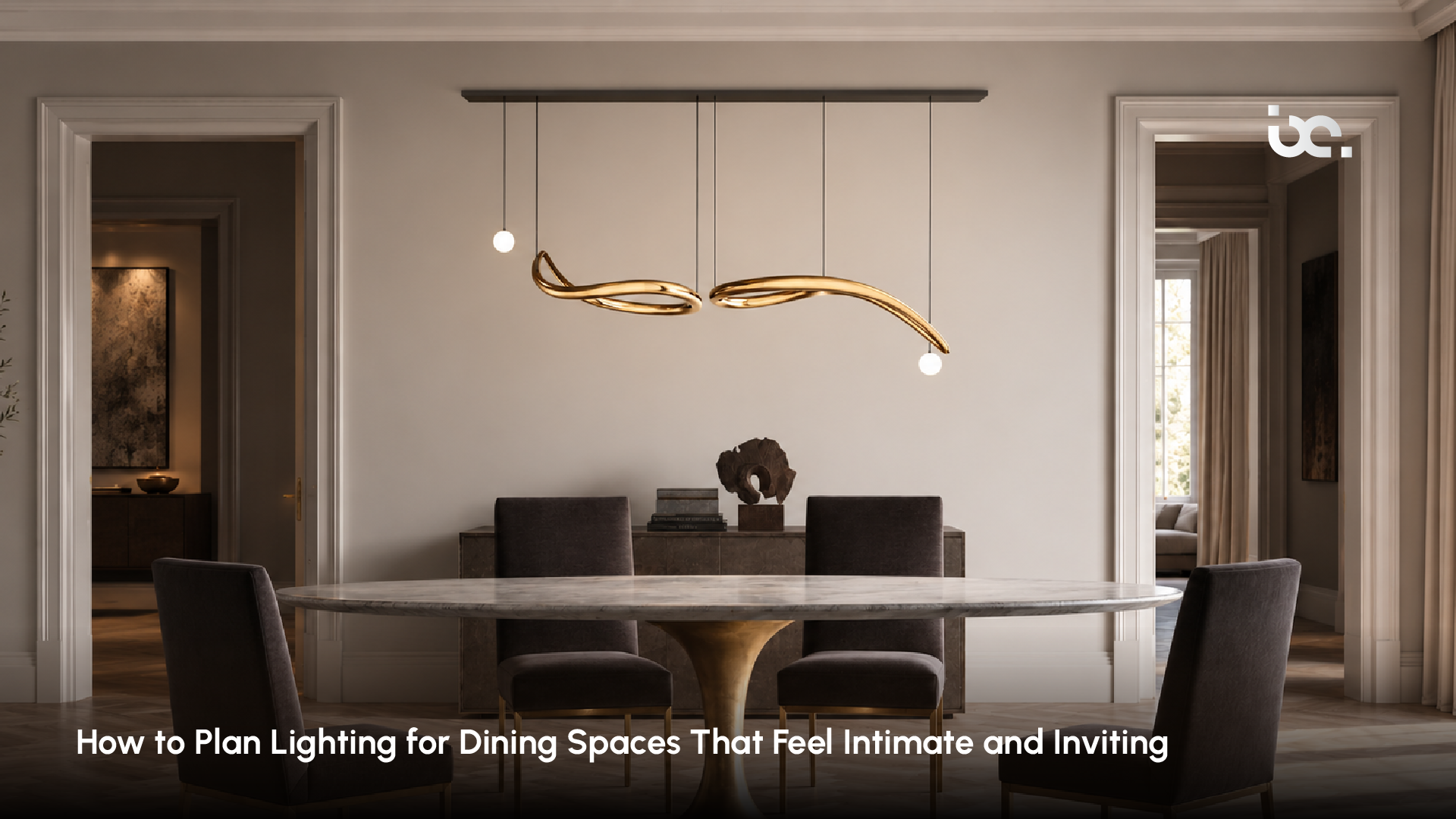
A dining room is rarely defined by the table alone. The atmosphere surrounding it plays an equally important role, shaping how a meal feels, how conversations unfold and how guests experience the space. This is where thoughtful dining room lighting design can make an extraordinary difference.
The right lighting can turn an ordinary dining area into an intimate setting that feels considered, elegant and welcoming. It can draw attention to the table without overwhelming the room, highlight architectural details and create a gentle sense of warmth after sunset.
Luxury dining spaces often achieve this effect through layers rather than a single dramatic fixture. Ambient illumination, focused dining table lighting and subtle accent sources can work together to create depth. The result is not simply a well-lit room, but an environment where light supports the mood.
Dining areas have a naturally social character. They need enough illumination for people to see one another comfortably, appreciate food and move around safely, but excessive brightness can make the atmosphere feel clinical.
Effective dining room lighting design considers both function and emotion. The lighting should respond to the way the room is used while maintaining a visual relationship with the furniture, architecture and finishes.
A well-planned scheme can:
This balance is particularly important in open-plan homes, where the dining area often shares space with a kitchen or living room.
The dining table should usually be the visual centre of the lighting arrangement. Instead of attempting to illuminate every corner equally, begin by considering the table’s proportions, shape and position.
Long rectangular tables can accommodate linear fixtures, multiple pendants or a carefully proportioned chandelier. Round tables often work beautifully with a central pendant or sculptural ceiling fixture.
The scale of the fixture matters just as much as its appearance. A piece that is too small can disappear above a substantial table, while an oversized fixture can dominate the room.
When planning dining table lighting, consider:
The objective is to create a strong visual relationship between the table and the light above it.
Intimate lighting rarely comes from a single source. It is created through layers that overlap gently, allowing different areas of the room to have varying degrees of brightness.
Ambient lighting provides the general foundation. It could come from discreet ceiling fixtures, architectural illumination or concealed sources. Focused lighting then draws attention towards the dining table, while accent lighting can highlight artwork, shelving or architectural features.
This layered approach creates a more sophisticated atmosphere because the eye is not confronted with one uniform level of brightness.
For an elegant dining room, consider combining:
Together, these layers create visual depth while allowing the mood to change throughout the evening.
Pendant placement has a considerable influence on both comfort and aesthetics. A beautifully designed pendant can lose its impact if it is positioned too high, too low or slightly off-centre.
As a general design principle, the fixture should hang low enough to visually connect with the dining table but high enough to preserve clear sightlines across it. The precise height depends on ceiling proportions, fixture design and the height of the people using the room.
For multiple pendants, spacing becomes equally important. They should feel intentionally arranged rather than scattered across the ceiling.
Before finalising pendant placement, consider:
A carefully positioned pendant becomes part of the architecture rather than appearing as an object simply attached to the ceiling.
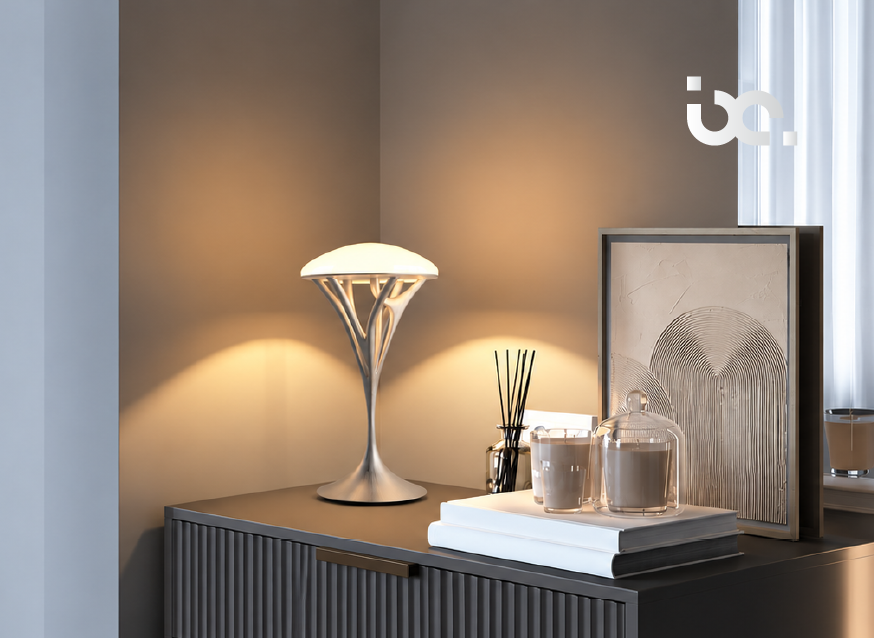
The colour temperature of a light source can completely alter the character of a dining room. Cooler light tends to feel crisp and energetic, while warmer illumination generally creates a softer and more intimate atmosphere.
For dining areas, warm light is often particularly appealing because it complements natural materials and encourages a relaxed mood. It can also enhance the appearance of wood, stone, metallic finishes and textiles.
Colour temperature should, however, be considered alongside the room’s existing lighting. If the dining area connects directly to another living space, dramatic differences in colour temperature can make the overall interior feel disconnected.
Consistency is especially important in restaurant-inspired interiors, where lighting is often carefully calibrated to create a cohesive experience throughout the space.
A dining room rarely needs the same lighting level throughout the day. Bright illumination may be useful during preparation or everyday activities, while a dinner party calls for something considerably softer.
Dimming gives the lighting scheme flexibility without requiring multiple visual changes to the room.
During the day, the lights may remain subtle while natural daylight takes the lead. As evening approaches, the central fixture can become more prominent, while surrounding sources are lowered to create a quieter atmosphere.
This ability to adjust brightness is one of the simplest ways to make dining room lighting design feel more luxurious.
A dimmable system can help create different settings for:
The fixture remains the same, but its relationship with the room changes.
Some of the most memorable dining environments borrow principles from sophisticated restaurants. The aim is not to reproduce a commercial setting, but to capture the sense of intimacy and intention that makes a beautifully designed restaurant memorable.
Restaurant-inspired interiors often use concentrated pools of light rather than flooding the entire room with brightness. The dining table becomes a visual island, while the surrounding areas remain slightly quieter.
This principle can translate beautifully into residential spaces.
Instead of illuminating every surface equally, allow selected features to receive attention. A piece of artwork, a textured wall or a carefully styled console can be softly illuminated without competing with the dining table.
The resulting contrast gives the room a sense of depth and occasion.
Lighting should respond to the materials already present in the dining room. A marble tabletop, textured plaster wall or timber ceiling can look dramatically different depending on how light reaches its surface.
Directional accent sources can reveal texture, while grazing light can emphasise architectural surfaces. Pendant fixtures can introduce sculptural forms and reflections.
This is particularly valuable in interiors where the materials themselves are part of the design statement.
Rather than adding more decorative elements, thoughtful illumination can make existing details feel richer.
The best dining room lighting design therefore considers what the room already offers before deciding what needs to be added.
Even beautiful fixtures can feel unsuccessful when the surrounding lighting strategy has not been considered.
One common mistake is relying entirely on a central ceiling fixture. While this may provide adequate brightness, it often leaves the room visually flat.
Another is choosing a fixture purely because it looks attractive in isolation. The design should complement the scale and character of the dining space.
It is also important to avoid excessive brightness. A dining room should feel inviting rather than resemble a brightly illuminated workspace.
Other details worth considering include:
These details may appear subtle, but together they determine whether the final atmosphere feels effortless.
Luxury is not necessarily about choosing the most elaborate fixture. It is often about creating an environment that feels perfectly suited to the people who use it.
Someone who frequently hosts formal dinners may prefer a sculptural chandelier that becomes a defining feature. Another household may favour understated pendants and softer ambient sources for relaxed evening meals.
The best approach is to consider the rituals of the room.
Ask how the dining space is used, when it is most active and what kind of atmosphere feels natural. Lighting should support those habits rather than impose a particular style.
Personalisation can also come through materials. Brushed metal, glass, stone, fabric and hand-finished surfaces each interact with illumination differently, allowing the lighting fixture itself to become part of the room’s character.
Exceptional dining room lighting design is ultimately about creating an atmosphere with restraint. The most inviting dining spaces rarely depend on brightness alone. Instead, they combine proportion, placement, colour temperature, texture and controllable layers of illumination.
A thoughtfully selected central fixture can establish the room’s identity, while surrounding sources add softness and depth.
Carefully considered pendant placement keeps the dining table visually connected to the architecture, and dimming allows the atmosphere to evolve from afternoon gatherings to intimate evening dinners.
Whether the inspiration comes from a refined private residence or restaurant-inspired interiors, the principle remains the same: light should enhance the experience without demanding attention.
When planned with care, dining room lighting design does more than illuminate a table. It creates the setting in which conversations linger, meals become occasions and everyday moments feel quietly special.
The relationship between the light fixture and the dining table is one of the most important considerations. Scale, placement, brightness and proportion should work together so the table feels visually anchored without making the fixture overpowering.
The ideal height depends on the fixture, ceiling height and sightlines. It should be low enough to connect visually with the table while remaining high enough to avoid obstructing conversation or creating glare.
Warm lighting is often well suited to dining spaces because it can create a softer and more relaxed atmosphere. It can also complement materials such as timber, stone, brass and textured fabrics.
Dimmable lighting is highly useful because dining spaces serve different purposes throughout the day. Adjustable brightness allows the room to shift from practical illumination to a more intimate evening setting.
Use layered illumination rather than relying on one bright source. Focused dining table lighting, soft ambient illumination and subtle accent sources can create depth while keeping the atmosphere comfortable.
Experience radiant guidance tailored to your unique vision.