No products in the cart.


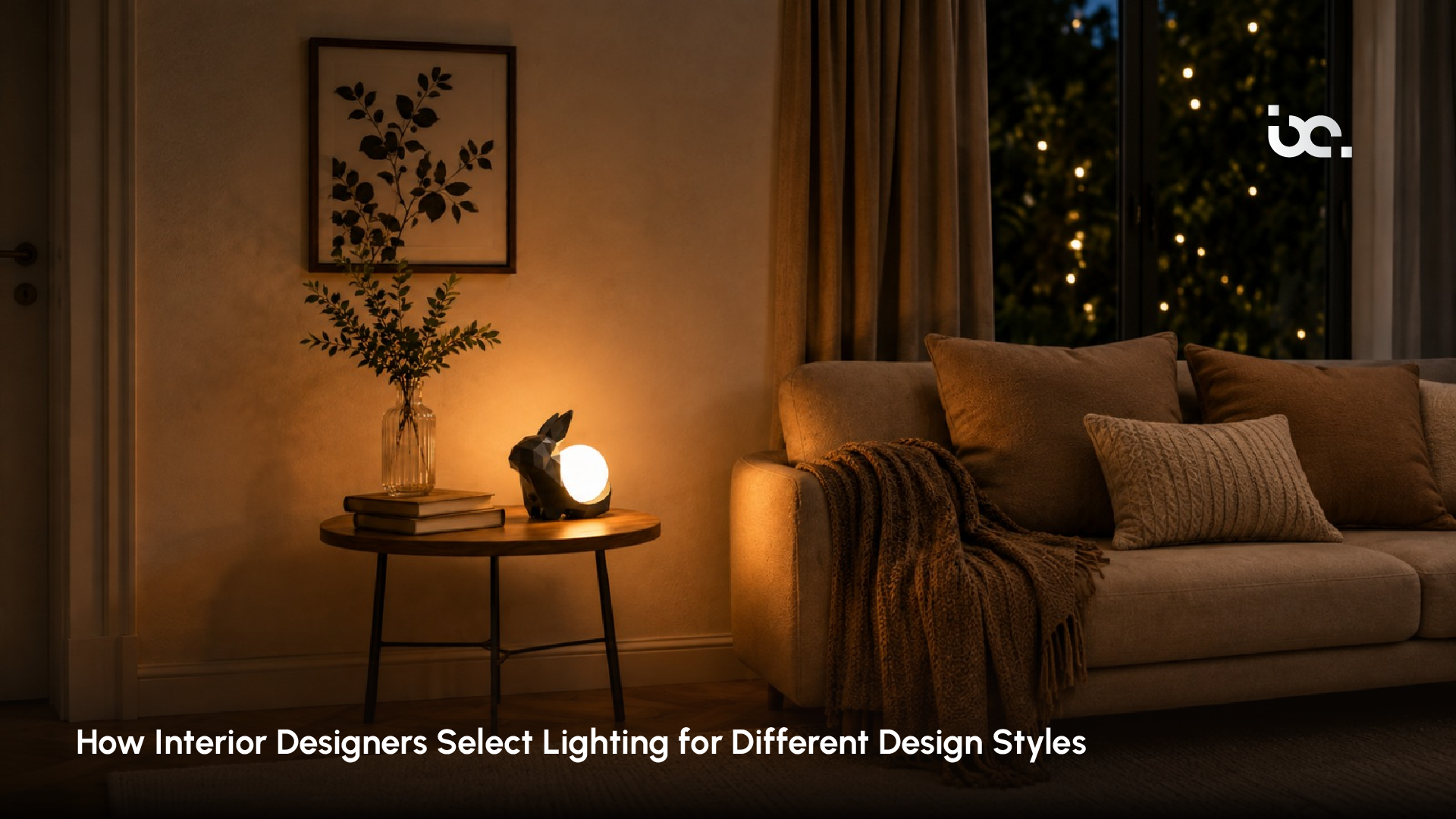
Lighting is rarely an afterthought in a beautifully designed interior. It is one of the quietest elements in a room, yet one of the most influential. The right fixture can emphasise architectural details, soften a space, create intimacy, or become an exquisite focal point in its own right.
For interior designers, selecting lighting is therefore about far more than choosing an attractive pendant or chandelier. Every decision considers the character of the room, the materials, proportions, natural light, functionality, and the atmosphere the space is intended to create.
Understanding different interior lighting styles reveals why the same fixture may look magnificent in one setting and completely out of place in another. From understated minimalist interiors to sophisticated modern luxury spaces, lighting is carefully selected to complement the visual language of the entire room.
A successful interior feels cohesive because its elements appear to belong together. Furniture, flooring, wall finishes, textiles, artwork, and lighting should communicate a similar aesthetic.
Interior designers often begin by considering the overall design direction before selecting individual fixtures. A room inspired by minimalism may benefit from discreet recessed lighting and sculptural pendants, while a traditional setting may call for warm wall sconces or an ornate chandelier.
The purpose is not to make every element identical. Instead, lighting should reinforce the atmosphere already established within the space.
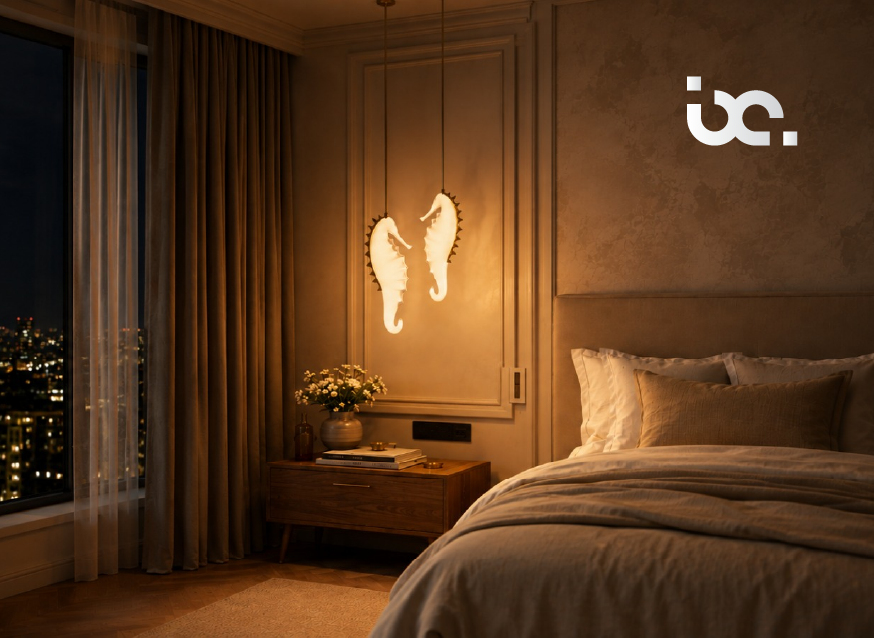
Before selecting a fixture, designers assess the room itself. Its size, ceiling height, natural light, furniture arrangement, and architectural features all influence the lighting plan.
A designer may consider:
This process prevents lighting from becoming an isolated decorative decision. Instead, every fixture contributes to the larger composition.
Minimalist interiors depend on restraint. Their beauty often comes from clean lines, uncluttered surfaces, subtle textures, and carefully controlled proportions. Lighting should respect this simplicity rather than compete with it.
Recessed downlights, linear fixtures, slim wall lights, and understated pendants can work particularly well. Fixtures with clean silhouettes allow the architecture and materials to remain the focus.
However, minimalism does not have to mean cold or stark. Warm colour temperatures, indirect illumination, and carefully positioned accent lights can introduce softness and depth.
A simple fixture can also become a statement piece when its shape is distinctive enough to attract attention without overwhelming the room.
Contemporary homes often offer greater freedom with form, material, and scale. Designers may combine architectural lighting with decorative fixtures to create a layered effect.
Linear pendants above dining tables, sculptural floor lamps, geometric ceiling fixtures, and recessed lighting can work together without making the room feel visually crowded.
The key is balance. If the furniture already contains strong shapes or dramatic finishes, a quieter lighting solution may provide harmony. Conversely, a restrained room may benefit from an expressive fixture that introduces visual interest.
Contemporary lighting is often successful because it feels intentional rather than overly coordinated.
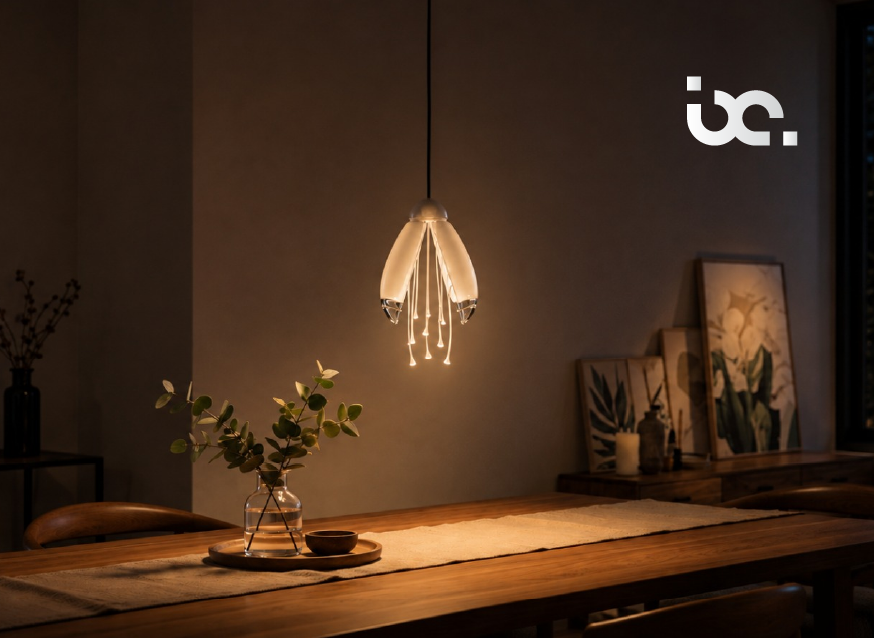
Modern luxury has its own visual vocabulary. It tends to favour refined materials, generous proportions, rich textures, and carefully controlled details. Lighting becomes an opportunity to enhance these qualities.
Glass, brushed metal, stone, crystal, and sculptural forms can all contribute to an elegant lighting scheme. Large chandeliers or artistic pendants may serve as centrepieces, while concealed lighting adds a subtle glow around architectural elements.
The most luxurious lighting schemes are rarely dependent on brightness alone. They create atmosphere through layering.
A room might combine:
This layered approach gives the room flexibility while preserving its sense of sophistication.
Classic interiors often benefit from lighting that respects traditional proportions and materials. Chandeliers, shaded wall sconces, lantern-style fixtures, and elegant table lamps can complement detailed mouldings, rich wood, and refined furniture.
Transitional interiors provide more flexibility by blending traditional and contemporary elements. A classic chandelier with a simplified silhouette, for example, can sit comfortably alongside modern furniture.
In these spaces, designers often look for common qualities rather than exact stylistic matches. Finish, scale, shape, and colour temperature can create continuity between apparently different pieces.
A sophisticated lighting concept usually involves several layers rather than a single source of illumination.
Ambient lighting provides the general illumination required for comfortable movement. Task lighting focuses on activities such as reading, cooking, or working. Accent lighting draws attention to artwork, textures, architectural details, or decorative objects. Decorative lighting performs a dual role. It illuminates the room while contributing to its visual identity.
When these layers are combined thoughtfully, the room can transition effortlessly between different moods. Bright, functional illumination may be appropriate during the day, while softer accent lighting can create a more intimate atmosphere in the evening.
One of the most common mistakes in lighting selection is choosing fixtures based solely on appearance. A beautiful chandelier can still feel wrong if it is too small for a large dining room. Conversely, an oversized pendant may dominate a compact space.
Designers consider proportions carefully. Ceiling height, table dimensions, room volume, furniture scale, and visual weight all contribute to the decision. Large spaces can often accommodate dramatic fixtures, while smaller interiors may benefit from elegant pieces with lighter visual profiles. The objective is not simply to fill an empty ceiling. It is to create proportion.
Lighting interacts constantly with surrounding materials. A warm metallic fixture may enhance natural wood and creamy textiles, while a black architectural light can provide definition against pale walls.
Glass can introduce transparency and reflection, while fabric shades soften illumination. Polished surfaces may amplify light, whereas textured finishes absorb and diffuse it.
This is why lighting selection forms an important part of décor planning. Designers consider how a fixture will look when switched off as well as the quality of light it produces when illuminated.
A single overhead light rarely creates the most sophisticated interior. Layering allows designers to control both function and mood. For example, a living room might include recessed ceiling lights for general illumination, a floor lamp beside a reading chair, wall lighting to highlight artwork, and a decorative pendant to establish a focal point.
Each source serves a different purpose. Together, they create depth. Layering is especially valuable in modern luxury interiors, where subtle variations in light can emphasise stone surfaces, textured walls, artwork, and architectural features without making the space feel excessively bright.
Artificial lighting should not compete unnecessarily with daylight. Designers consider how sunlight enters a room throughout the day and position fixtures accordingly.
Large windows may reduce the need for strong daytime illumination, while darker corners may require discreet supplementary lighting. Window orientation, curtains, reflective surfaces, and surrounding buildings can all affect the amount of available daylight.
A well-planned lighting scheme should therefore respond to the changing conditions of the room rather than assuming that one brightness level will work at every hour.
Even within a recognised design style, lighting should reflect the personality of the people using the space. Two contemporary homes may share similar architecture but require completely different atmospheres.
One might call for understated elegance, while another could benefit from dramatic sculptural fixtures.
This is where professional design judgement becomes important. Designers balance aesthetics with lifestyle, ensuring that the lighting feels beautiful without becoming impractical.
The finest lighting schemes rarely announce themselves immediately. Instead, they make everything around them look better. Artwork becomes more expressive, materials appear richer, architectural lines become clearer, and furniture feels more thoughtfully positioned.
That is the real value of understanding interior lighting styles. Lighting is not simply an accessory added after the furniture has been selected. It is part of the architecture of the experience.
Whether the setting is a serene minimalist interior, an inviting contemporary home, or a sophisticated expression of modern luxury, the right lighting can transform how the entire space is perceived.
Ultimately, successful lighting selection comes down to proportion, purpose, atmosphere, and restraint. When these elements are considered together, illumination becomes more than functional. It becomes an elegant finishing language that gives the interior its final sense of character.
Designers consider the room’s size, ceiling height, natural light, furniture arrangement, materials, purpose, and overall aesthetic before selecting fixtures and their placement.
Minimalist interiors often suit recessed lights, linear fixtures, discreet wall lights, and simple pendants. Warm illumination and indirect lighting can prevent the space from feeling overly stark.
Luxury can be enhanced through layered lighting, refined materials, sculptural fixtures, warm illumination, and carefully positioned accent lights that highlight architecture and decorative details.
Lighting affects how colours, textures, furniture, artwork, and architectural features are perceived. Including it early in décor planning helps create a more cohesive and balanced interior.
Not necessarily. A home should feel cohesive, but each room has different functions and proportions. Designers can vary fixtures while maintaining consistency through finishes, colour temperature, scale, or overall visual character.
Experience radiant guidance tailored to your unique vision.