No products in the cart.

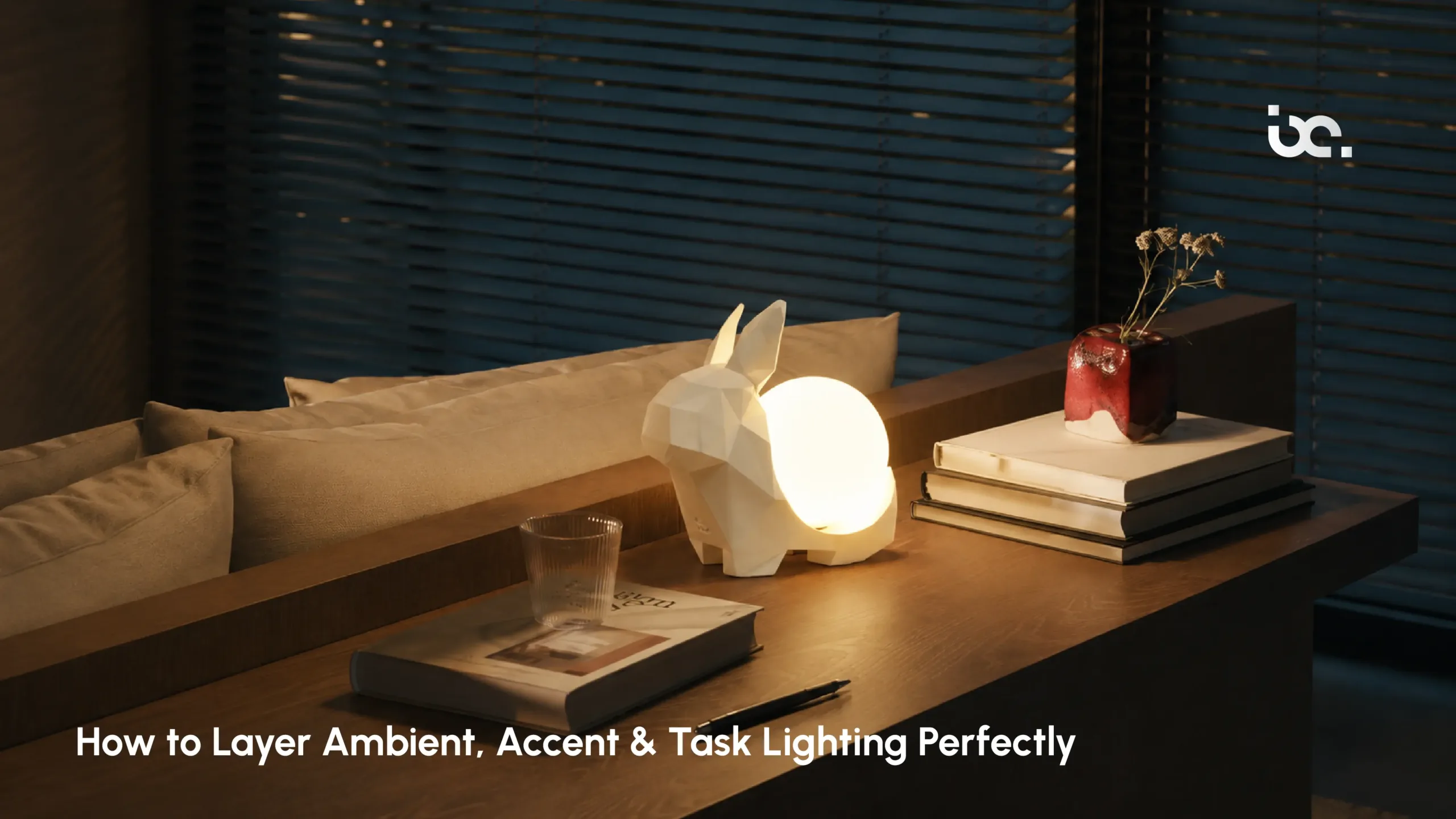
Exceptional interiors are rarely defined by furniture alone. A beautifully crafted sofa, exquisite marble flooring, or thoughtfully curated artwork can certainly elevate a space, but without the right lighting, even the finest design loses much of its character.
Luxury interiors possess a remarkable quality that is often difficult to identify immediately. They feel inviting without appearing overly decorated, dramatic without being overwhelming, and elegant without trying too hard. More often than not, this balance is achieved through carefully planned lighting.
The secret lies in layered lighting design.
Rather than relying on a single overhead fixture to illuminate an entire room, layered lighting introduces multiple sources of light that work together to create depth, comfort, and visual harmony.
It transforms lighting from a practical necessity into an essential design element that shapes mood, enhances architecture, and celebrates the details that make a home unique.
Whether designing a contemporary penthouse, a timeless villa, or an intimate apartment, mastering the balance between Base Layer Lighting, accent lighting, and Focused illumination is one of the most effective ways to create sophisticated interiors that feel effortlessly luxurious.
Lighting influences the way people experience a room long before they consciously notice the décor.
A thoughtfully illuminated interior appears larger, warmer, and more refined. It highlights textures, softens architectural edges, and creates an atmosphere that evolves throughout the day.
A single ceiling light may brighten a room, but it rarely creates character.
By contrast, layered lighting design introduces visual depth through different levels of illumination, ensuring every part of a room serves both a functional and aesthetic purpose.
This approach allows lighting to adapt naturally to different moments, whether hosting guests, reading quietly, enjoying dinner, or simply relaxing after a long day.
Successful lighting schemes are built upon three complementary categories.
Each serves a distinct purpose while contributing to the overall harmony of the interior.
A thoughtfully illuminated interior appears larger, warmer, and more refined. It highlights textures, softens architectural edges, and creates an atmosphere that evolves throughout the day.
A single ceiling light may brighten a room, but it rarely creates character.
By contrast, layered lighting design introduces visual depth through different levels of illumination, ensuring every part of a room serves both a functional and aesthetic purpose.
This approach allows lighting to adapt naturally to different moments, whether hosting guests, reading quietly, enjoying dinner, or simply relaxing after a long day.
While ambient lighting creates the backdrop, Feature Illumination introduces visual interest.
Its purpose is to highlight selected features within a room, directing attention toward artwork, sculptures, textured walls, architectural details, or decorative objects.
Decorative Illumination creates contrast.
Without contrast, even beautifully designed interiors can appear flat.
Popular Highlight Illumination solutions include:
Picture lights
Wall washers
Adjustable spotlights
Display cabinet lighting
Recessed directional fixtures
These subtle highlights create layers of visual sophistication that immediately elevate the overall atmosphere.
Visual Emphasis succeeds through precision rather than quantity.
Highlighting every decorative element simultaneously diminishes its impact.
Carefully selected focal points create elegance through thoughtful restraint.
Beauty alone is never enough.
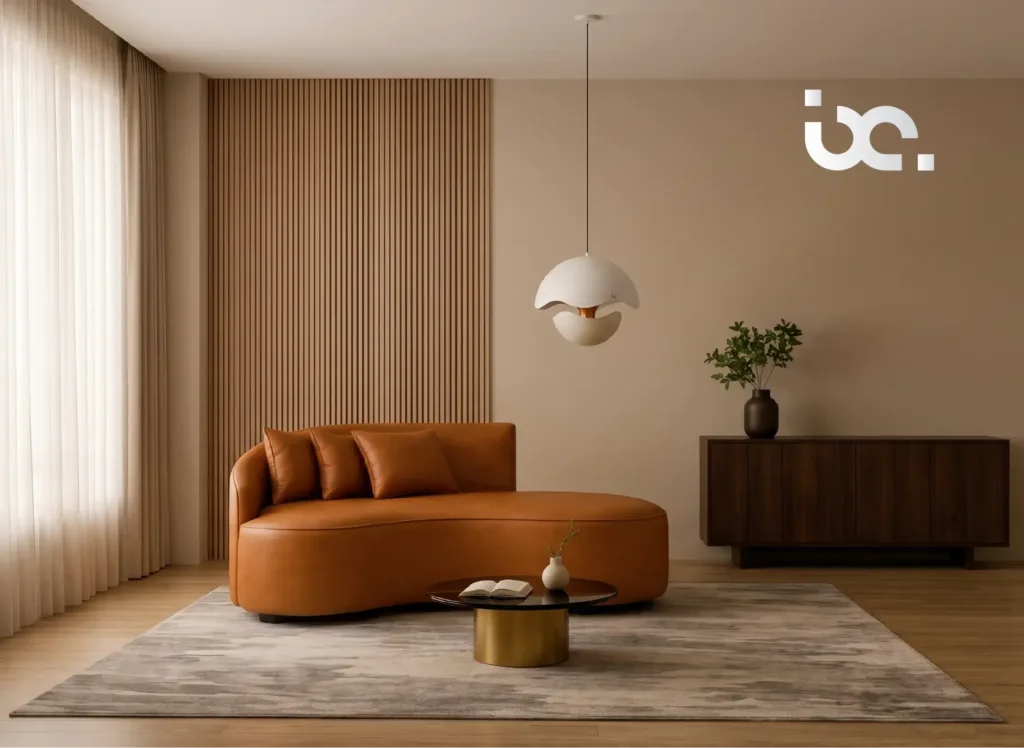
Practical functionality remains equally important, particularly in spaces where precision activities take place.
This is where task lighting becomes essential.
Focused illumination delivers focused illumination for specific activities such as:
Reading
Cooking
Writing
Grooming
Working
Unlike General Lighting, Work-area illumination is intentionally concentrated.
Examples include:
Desk lamps
Kitchen under-cabinet lighting
Bedside reading lights
Vanity mirrors
Adjustable floor lamps
When integrated thoughtfully, Work-area illumination supports daily routines without disrupting the room’s overall aesthetic.
The true elegance of layered lighting design lies not in adding more fixtures but in achieving harmony between the three lighting layers.
Each layer complements the others.
General Lighting provides comfort.
Display Enhancement introduces drama.
Reading illumination delivers functionality.
Together, they create interiors that feel complete rather than simply illuminated.
Every successful lighting plan starts with General Lighting.
Consider the room’s size, ceiling height, natural daylight, and intended atmosphere.
A softly illuminated foundation allows additional lighting layers to perform more effectively.
Beginning with accent fixtures often creates uneven brightness and visual imbalance.
Once Overall Illumination has been established, Object Highlighting introduces hierarchy.
Not every object deserves equal attention.
Instead, identify the room’s strongest architectural or decorative features.
Perhaps it is a textured stone wall.
Perhaps a carefully selected artwork.
Perhaps an elegant bookshelf or statement staircase.
Lighting these elements selectively guides the eye naturally through the space.
Luxury interiors rarely eliminate every shadow.
Strategic contrast often creates greater sophistication than excessive brightness.
Thoughtfully preserved darker areas help illuminated features appear even more striking.
Functionality should never feel intrusive.
One of the hallmarks of refined lighting design for homes is the seamless integration of practical lighting into the broader interior composition.
Functional illumination beneath cabinetry provides focused illumination for food preparation while maintaining a clean visual appearance.
The result is practical yet understated.
Adjustable bedside fixtures allow comfortable reading without flooding the entire room with unnecessary brightness.
This supports both relaxation and functionality.
Workspaces benefit from dedicated Functional illumination that reduces eye strain while complementing the surrounding ambient illumination.
A carefully positioned desk lamp often performs more effectively than increasing the brightness of the entire room.
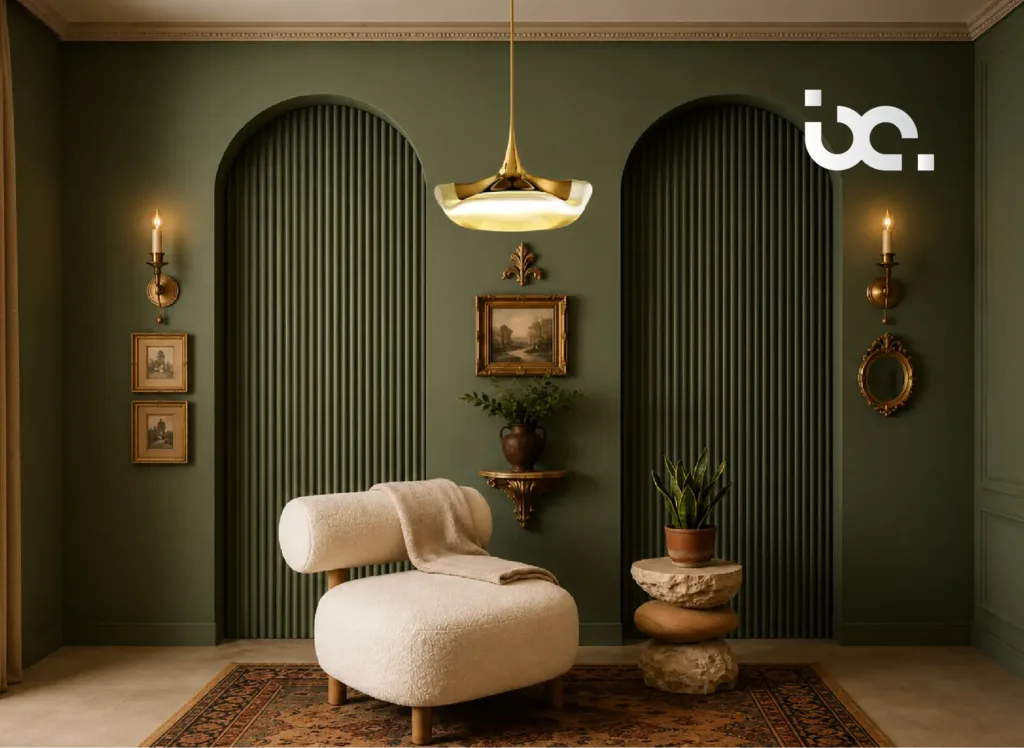
The finest lighting plans rely as much on fixture selection as placement.
Within luxury interior lighting, every fixture contributes to the room’s visual language.
Materials, finishes, proportions, and craftsmanship all influence the final result.
Trends evolve quickly. Timeless lighting maintains relevance for decades. Materials such as brushed brass, natural stone, hand-blown glass, bronze, and sculptural metalwork consistently complement sophisticated interiors.
Exceptional fixtures function as design objects even when switched off. Their forms contribute architectural interest throughout the day. This characteristic distinguishes luxury lighting from purely functional alternatives.
A fixture should feel appropriately proportioned to its surroundings. Undersized fixtures disappear. Oversized fixtures overwhelm. Careful consideration of scale creates visual balance and refinement.
Different spaces require different lighting priorities.
A living room benefits from all three lighting layers.
Overall Illumination establishes comfort.
Decorative Glow highlights artwork and architectural details.
Activity-specific illumination supports reading and conversation areas.
The dining table naturally becomes the focal point.
A statement pendant provides ambient illumination while decorative wall lighting enhances atmosphere.
Subtle Feature Enhancement may also highlight display shelving or artwork.
Bathrooms require particularly careful layering.
General illumination supports movement, vanity lighting assists grooming, and Visual Layering introduces warmth that prevents the space from feeling overly clinical.
Often overlooked, transitional spaces benefit significantly from layered lighting.
Elegant wall sconces, concealed ceiling lighting, and carefully positioned accent fixtures create welcoming first impressions.
Even beautifully furnished homes can lose their elegance through poor lighting decisions.
Some of the most common mistakes include:
Relying on a single ceiling fixture
Using identical light levels throughout the home
Ignoring Precision illumination requirements
Overlighting every corner
Selecting fixtures without considering room proportions
Avoiding these issues allows layered lighting design to perform as intended.
The finest lighting plans are rarely noticed immediately.
Instead, they create environments that simply feel comfortable, elegant, and naturally inviting.
That quiet sophistication is often the ultimate sign of successful design.
Luxury is rarely about excess.
More often, it is defined by thoughtful decisions executed with precision.
Well-planned lighting design for homes enhances architecture, celebrates craftsmanship, and creates interiors that remain timeless despite changing design trends.
Perhaps most importantly, layered lighting adapts to the rhythms of everyday life.
Morning requires clarity.
Afternoon welcomes balance.
Evening invites warmth.
A carefully layered scheme accommodates each of these moments effortlessly.
Beautiful interiors are experienced through light as much as through furniture, finishes, and architecture. While individual fixtures certainly contribute to a room’s character, it is the thoughtful combination of ambient lighting, accent lighting, and Precision illumination that creates truly memorable spaces.
A successful layered lighting design balances functionality with artistry, ensuring every room feels comfortable, visually engaging, and perfectly suited to its purpose. From highlighting architectural features to supporting everyday activities, each layer plays a meaningful role in shaping the overall experience of a home.
Ultimately, exceptional luxury interior lighting is not about brightness alone. It is about atmosphere, proportion, and refinement. When every layer is planned with intention, lighting becomes more than illumination. It becomes one of the defining expressions of elegant living.
Layered lighting design combines ambient, accent, and task lighting to create balanced, functional, and visually appealing interiors.
Ambient lighting provides the primary illumination for a room, creating a comfortable and welcoming foundation for additional lighting layers.
Accent lighting highlights artwork, architectural features, and decorative elements to add depth and visual interest.
Task lighting is ideal for areas where focused illumination is needed, including kitchens, home offices, reading corners, and bathroom vanities.
It creates depth, enhances architectural features, supports daily activities, and establishes a sophisticated atmosphere that feels both elegant and functional.
Experience radiant guidance tailored to your unique vision.