
No products in the cart.
Lighting Mistakes That Make Luxury Homes Look Ordinary

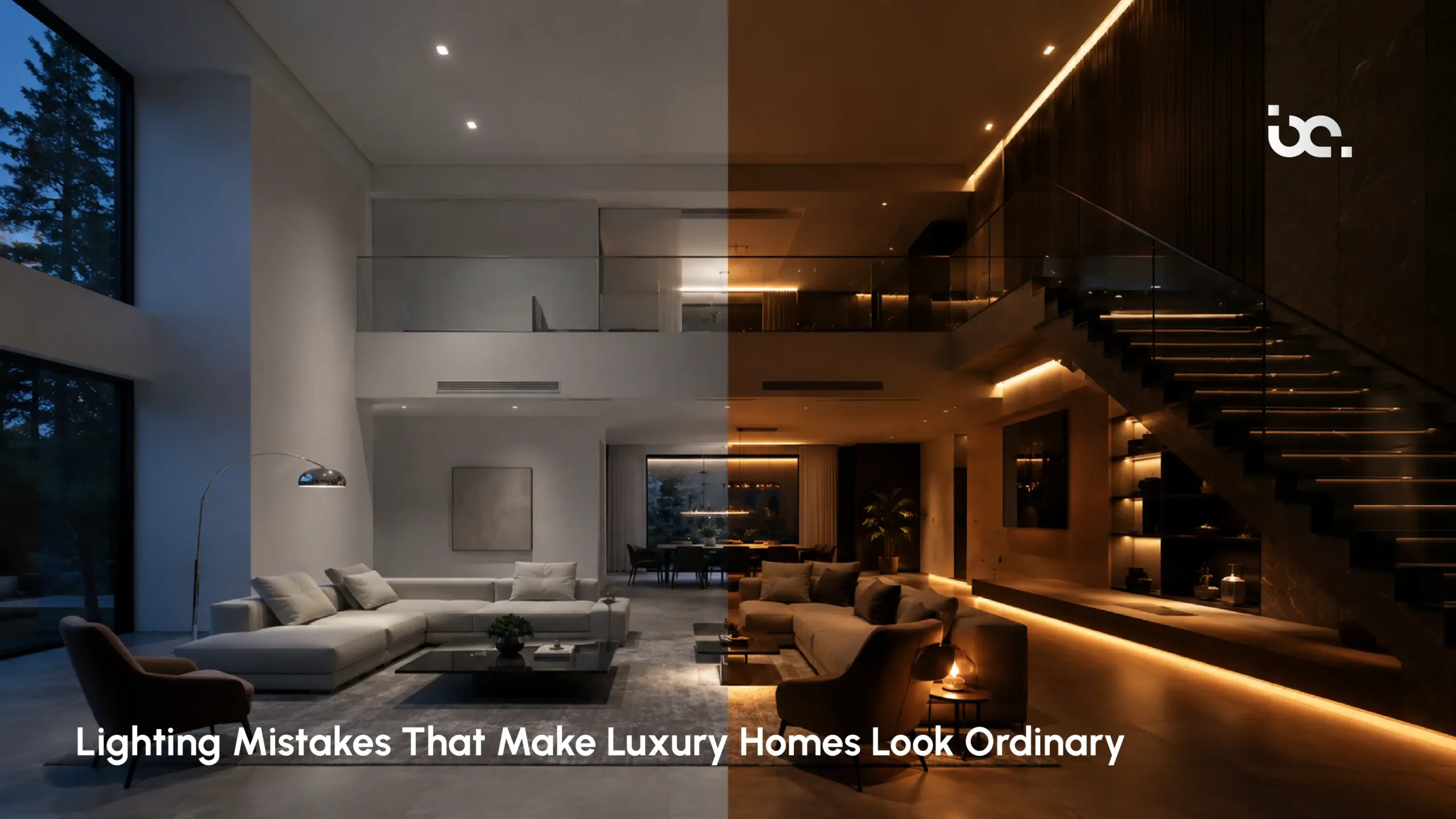
Luxury is rarely defined by square footage, designer furniture, or expensive finishes alone. The true essence of a sophisticated home lies in how it feels. Among all design elements, lighting has the remarkable ability to shape atmosphere, elevate architectural details, and create a sense of refined living.
Yet even the most beautifully designed residences can lose their impact when lighting is treated as an afterthought. A home adorned with premium materials and exquisite craftsmanship can appear surprisingly ordinary due to poor illumination choices. The difference between a home that feels exclusive and one that feels average often comes down to thoughtful lighting design.
Understanding the most common luxury home lighting mistakes can help homeowners create interiors that feel timeless, elegant, and effortlessly refined.
1. Relying on a Single Light Source
One of the most common mistakes in luxury interior lighting is depending on a single overhead fixture to illuminate an entire room.
While a statement chandelier or pendant light can serve as a beautiful focal point, it should never be the sole source of illumination. A single fixture often creates harsh shadows, uneven brightness, and a flat visual experience.
Luxury spaces achieve depth through layers of light. Every room should combine ambient, task, and accent lighting to create a balanced and inviting environment.
For example, a living room may feature:
A statement chandelier for visual impact
Wall sconces for warmth
Table lamps for intimacy
Accent lighting to highlight artwork or architectural details
This layered approach creates a rich and sophisticated atmosphere that instantly feels more luxurious.
2. Ignoring Layered Lighting Concepts
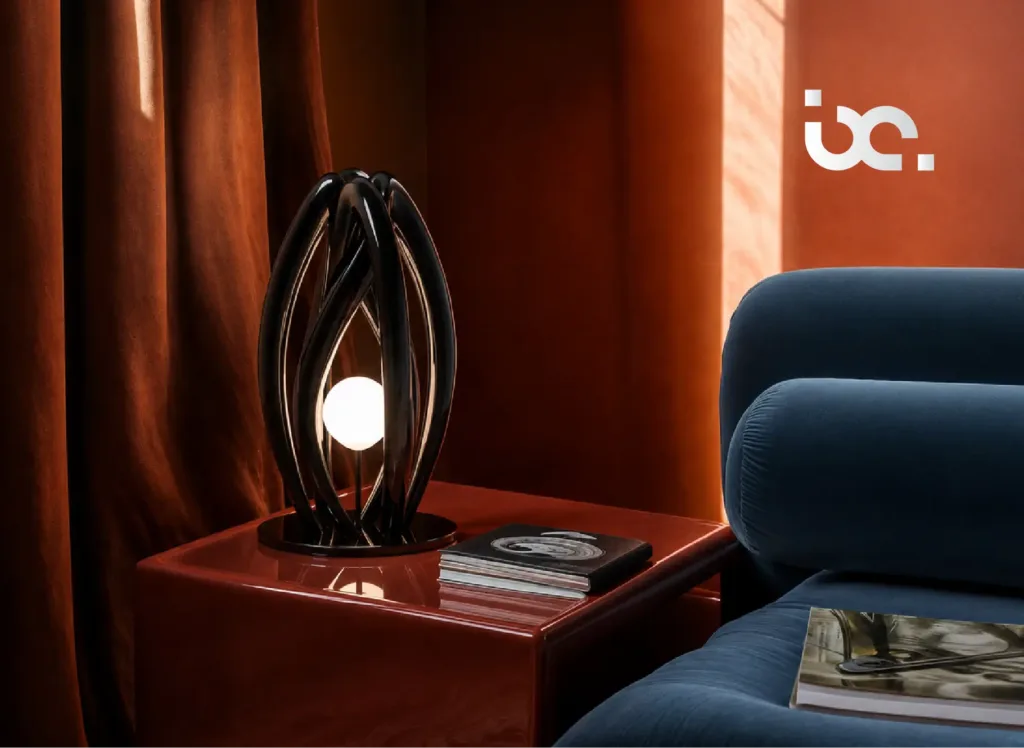
True elegance comes from visual depth, and that is exactly what layered lighting concepts provide.
Many homeowners invest heavily in premium furnishings while overlooking the importance of lighting layers. The result is an interior that lacks character and dimension.
A carefully designed lighting scheme includes three essential layers:
Ambient Lighting
The foundation of illumination that provides overall brightness throughout the room.
Task Lighting
Focused lighting designed for specific activities such as reading, cooking, or working.
Accent Lighting
Decorative illumination that highlights artwork, textures, architectural features, or statement pieces.
When these layers work together, the room feels balanced, intentional, and visually captivating. Without them, even expensive interiors can appear flat and uninspired.
3. Choosing the Wrong Color Temperature
Lighting color significantly influences how a space is perceived.Many modern homes make the mistake of installing cool white lighting throughout the interior. While bright white lights may seem practical, they often create a sterile and commercial appearance.Luxury interiors generally benefit from warmer color temperatures that create comfort and sophistication.
A warm glow enhances:
Luxury interior lighting generally benefits from warmer color temperatures that create comfort, sophistication, and visual harmony throughout a space.
A warm glow enhances:
• Natural wood finishes
• Marble surfaces
• Rich fabrics
• Metallic accents
• Decorative details
The goal is not simply brightness but atmosphere. In luxury interior lighting, the right color temperature creates a welcoming environment that encourages relaxation while showcasing the home’s finest architectural and design features.
4. Overlooking Ambient Lighting Design
An exceptional home should never rely solely on decorative fixtures for illumination.
One of the most overlooked aspects of luxury interior lighting is ambient lighting design. Ambient lighting serves as the foundation upon which all other lighting elements are built.
Without proper ambient illumination, rooms often feel uneven, dark in certain areas, and visually disconnected.
Some elegant ambient lighting solutions include:
Recessed ceiling lighting
Cove lighting
Indirect LED installations
Architectural lighting details
These subtle sources create a soft, consistent glow that enhances the entire space without drawing attention to themselves.
The most luxurious lighting often goes unnoticed because it feels natural and effortless.
5. Installing Fixtures That Are Too Small
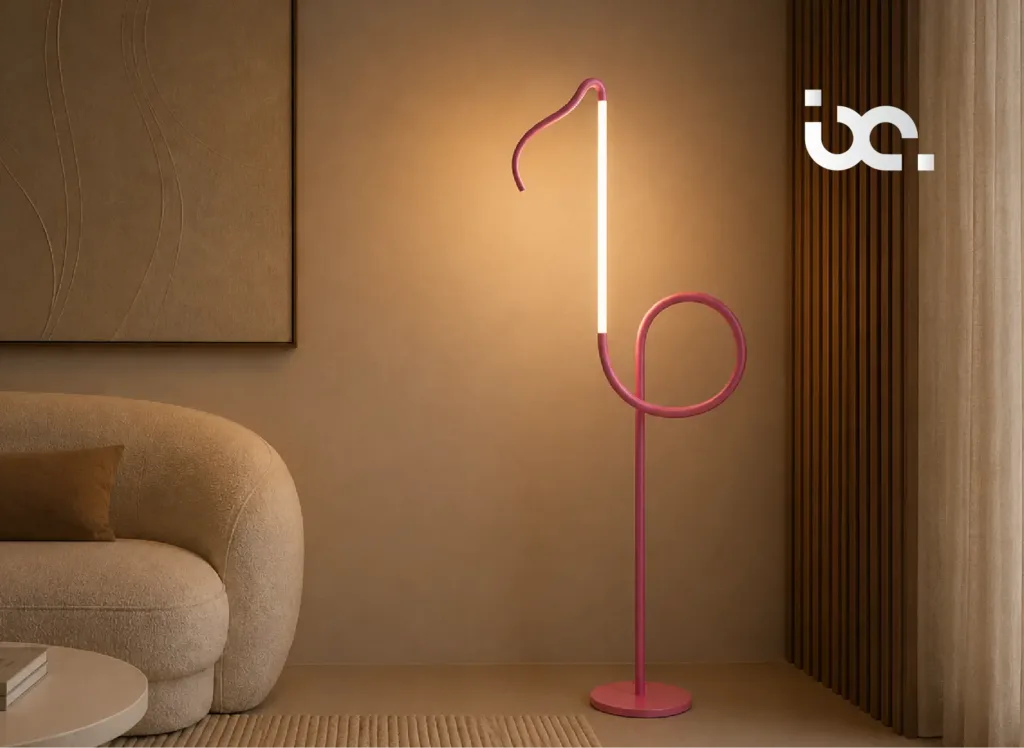
Scale matters in luxury design.
A common mistake is selecting lighting fixtures that are disproportionately small for the room. Undersized chandeliers, pendants, and ceiling fixtures can make even grand spaces feel incomplete.
Large rooms require lighting that complements their proportions.
Whether in a double-height foyer, formal dining room, or expansive living area, fixtures should command presence while maintaining visual balance.
A properly scaled fixture serves as both illumination and sculpture, contributing to the room’s overall elegance.
When lighting lacks appropriate scale, the space can lose its sense of grandeur.
6. Neglecting Architectural Features
Luxury homes often feature beautiful architectural details such as coffered ceilings, textured walls, stone finishes, custom millwork, and unique design elements.
Unfortunately, many homeowners fail to illuminate these features properly.
One of the most common lighting design mistakes in luxury homes and modern home lighting schemes is allowing architectural craftsmanship to disappear into the background instead of highlighting it as a focal point.
Strategic lighting can highlight:
Ceiling details
Decorative wall textures
Built-in shelving
Staircases
7. Using Excessively Bright Lighting Everywhere
Brightness should never be confused with luxury.
Many homeowners assume that more light automatically creates a better interior. In reality, excessive brightness often diminishes comfort and sophistication.
Luxury environments embrace contrast, using thoughtful ambient lighting design and layered lighting concepts to create depth, balance, and visual interest.
Some areas should feel brighter for functionality, while others should remain softer and more intimate.
A perfectly illuminated room includes moments of shadow, depth, and visual variation.
Overly bright spaces can feel clinical and uncomfortable, making even expensive interiors appear less refined.
The objective is to create atmosphere, not simply eliminate darkness. Effective ambient lighting design and layered lighting concepts help create a more refined, welcoming, and luxurious living environment.
8. Forgetting Dimmers
Dimmers are among the simplest yet most transformative additions to a lighting system.
Without dimmers, homeowners lose the ability to adapt a room’s mood throughout the day.
Morning gatherings, afternoon productivity, evening relaxation, and formal entertaining all require different lighting levels.
A luxury home should offer flexibility and control.
Dimmers allow lighting to evolve with the occasion, creating a personalized experience that enhances both comfort and elegance.
Despite their impact, they are frequently overlooked during the design process.
9. Treating Every Room the Same
Each room serves a unique purpose and deserves a customized lighting approach.
One of the most common luxury home lighting mistakes is applying identical lighting solutions throughout the house.
A dining room requires a different atmosphere than a kitchen.
A bedroom demands a softer mood than a home office.
A spa-inspired bathroom benefits from different lighting strategies than an entertainment space.
Luxury lighting design recognizes the individuality of every environment.
Tailoring illumination to each room’s function creates a more cohesive and elevated living experience.
10. Ignoring Natural Light Integration
Artificial lighting should complement natural light, not compete with it.
Luxury homes often feature expansive windows, skylights, and open layouts designed to maximize daylight. However, many lighting plans fail to account for changing natural light conditions.
The most successful designs create a seamless transition between day and night.
During daylight hours, lighting should enhance the natural brightness of the space.
In the evening, artificial illumination should recreate a similarly inviting atmosphere.
This balance preserves the home’s visual harmony throughout the day.
11. Poor Placement of Accent Lighting
Accent lighting is often what separates ordinary interiors from exceptional ones.
However, poor placement can significantly reduce its effectiveness.
Lighting aimed incorrectly may create glare, unwanted shadows, or visual distractions.
Well-positioned accent lighting should subtly direct attention toward important design features such as:
Artwork
Sculptures
Decorative niches
Statement furniture
Architectural textures
The goal is to guide the eye naturally while maintaining a sophisticated atmosphere.
Thoughtful placement transforms accent lighting from a decorative addition into a powerful design tool.
12. Following Trends Instead of Timeless Design
Trends come and go, but luxury is enduring.
Many homeowners choose lighting fixtures based solely on current popularity without considering long-term appeal. This is one of the most common lighting design mistakes in both luxury residences and modern home lighting projects.
A fixture that feels fashionable today may appear dated within a few years, reducing the timeless appeal of the space.
Timeless luxury interior lighting prioritizes elegance, quality craftsmanship, thoughtful ambient lighting design, and layered lighting concepts that create depth, balance, and lasting visual impact.
Classic materials such as glass, brass, crystal, stone, and carefully selected metals continue to feel relevant across changing design styles.
By avoiding short-lived trends and focusing on enduring design principles, homeowners can create modern home lighting schemes that remain sophisticated for years to come.
Investing in timeless luxury interior lighting ensures that a home maintains its beauty, functionality, and sophistication for years to come.
The Hallmark of a Truly Luxurious Home
Luxury is not about excess. It is about intentionality.
The most remarkable homes create experiences that feel effortless, comfortable, and beautifully curated. Lighting plays a central role in achieving this effect.
By avoiding these common luxury home lighting mistakes, homeowners can transform ordinary spaces into extraordinary environments. Thoughtful ambient lighting design, carefully executed layered lighting concepts, and a balanced approach to luxury interior lighting can elevate every room within the home.
A well-lit residence does more than illuminate. It enhances architecture, enriches textures, creates atmosphere, and brings a sense of timeless elegance to daily living.
When lighting is designed with care and sophistication, a luxury home does not simply look beautiful. It feels unforgettable.
FAQs
What are the most common luxury home lighting mistakes?
Relying on a single light source, ignoring layered lighting, choosing the wrong color temperature, and poor fixture placement are among the most common mistakes.
Why is layered lighting important in luxury interiors?
Layered lighting combines ambient, task, and accent lighting to create depth, balance, and a more sophisticated atmosphere.
What is the best lighting color temperature for luxury homes?
Warm white lighting between 2700K and 3000K is typically preferred for a cozy and elegant feel.
How does ambient lighting design improve a space?
Ambient lighting provides overall illumination, creating a comfortable and visually balanced environment.
Are dimmers necessary in luxury home lighting?
Yes. Dimmers allow you to adjust brightness levels and create the perfect mood for different occasions.