No products in the cart.

Luxury design has always drawn inspiration from the world around us. Throughout history, architects, artisans, and designers have looked to nature for guidance, finding beauty in its effortless balance, graceful forms, and timeless sophistication. Today, this connection is more relevant than ever. As contemporary interiors evolve toward spaces that feel both refined and restorative, nature inspired furniture and lighting have become defining elements of modern luxury.
From sculptural seating that echoes the curves of rolling landscapes to luminous fixtures inspired by delicate petals and flowing water, nature continues to influence the language of design in remarkable ways. The modern luxury interior is no longer simply about opulence. It is about creating environments that evoke emotion, encourage wellbeing, and establish a deeper connection between people and their surroundings.
At the heart of this movement lies a growing appreciation for organic beauty, thoughtful craftsmanship, and the principles that nature has perfected over millions of years. These influences are shaping some of the most elegant furniture and lighting designs of our time.
Nature has long served as one of humanity’s greatest creative influences. The symmetry of leaves, the fluid movement of rivers, the intricate structures of shells, and the organic patterns found in forests all offer endless inspiration.
What makes natural forms so appealing is their inherent harmony. Unlike rigid geometric structures, nature embraces variation, softness, and movement. These qualities create visual comfort and emotional warmth, making them especially desirable within luxury interiors.
Modern designers increasingly recognize that people are naturally drawn to environments that reflect the patterns and rhythms of the natural world. As a result, furniture and lighting collections are becoming more fluid, tactile, and expressive.
This shift represents a departure from overly formal aesthetics and a move toward spaces that feel sophisticated yet inviting.
One of the most noticeable trends in contemporary luxury interiors is the growing popularity of organic furniture design.
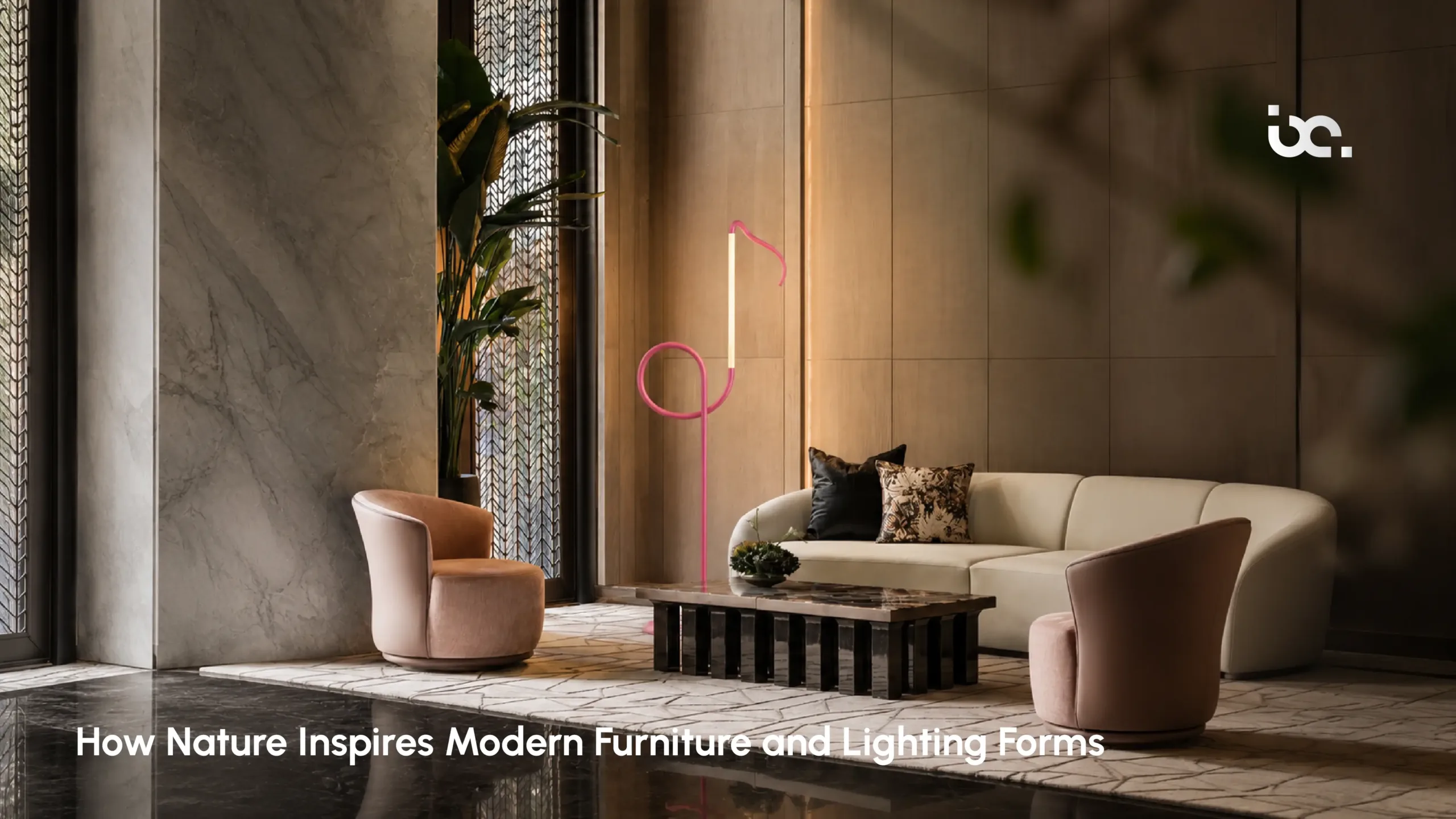
Rather than relying on sharp angles and strict symmetry, designers are embracing curved silhouettes, sculptural forms, and flowing lines inspired by natural landscapes. Sofas resemble smooth river stones, tables mimic the contours of tree trunks, and seating collections evoke the gentle curves of petals and dunes.
These pieces often feel more like functional works of art than conventional furniture.
In luxury residences, these designs contribute to a carefully curated atmosphere where elegance and comfort exist in perfect balance.
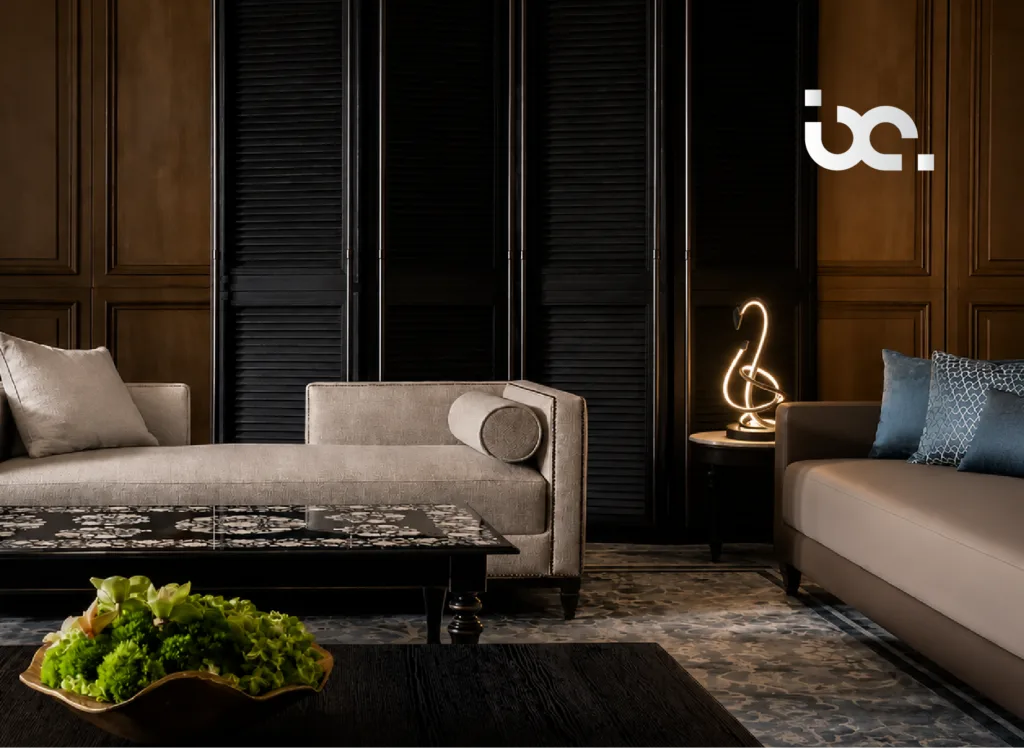
While nature often inspires visual beauty, its influence extends much deeper.
Biomimicry in design involves studying natural systems and applying their principles to solve design challenges. Rather than simply replicating natural appearances, designers examine how nature functions and adapt those insights into innovative products.
For example, furniture structures may be inspired by the strength of honeycomb formations, while lighting systems may draw inspiration from the efficiency of natural ecosystems.
This approach combines artistry with intelligence.
As technological capabilities continue to advance, this relationship between science and design is expected to become even more influential in the future of luxury interiors.
Lighting has evolved far beyond its traditional role of illumination.
In today’s most sophisticated interiors, nature inspired lighting often serves as a sculptural focal point that shapes the character of an entire room.
Designers frequently draw inspiration from flowers, branches, clouds, waterfalls, and celestial forms. Pendant lights may resemble floating blossoms, while chandeliers mimic cascading leaves or organic crystal formations.
These designs create a sense of movement and visual poetry that traditional fixtures rarely achieve.
What distinguishes luxury lighting is not merely its appearance but the atmosphere it creates. Natural forms tend to diffuse light in softer, more dynamic ways, producing environments that feel warm, inviting, and emotionally engaging.
This combination of artistry and functionality continues to make nature-inspired lighting one of the most desirable elements in contemporary interior design.
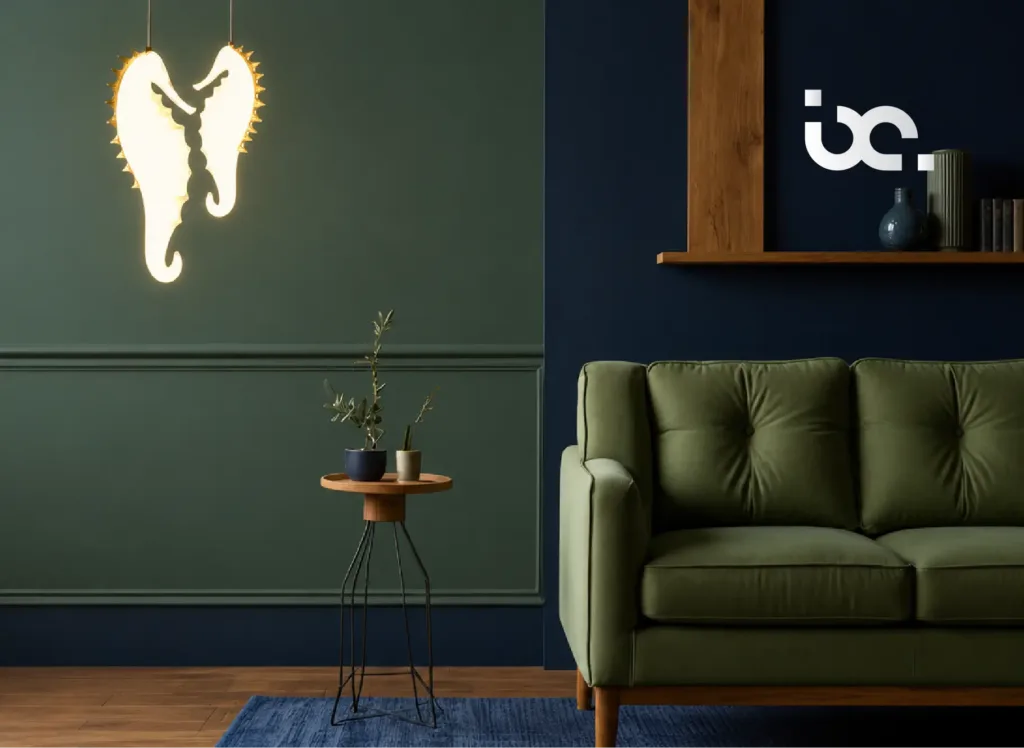
The growing popularity of biophilic interior design has significantly contributed to the demand for nature-inspired furnishings and lighting.
Biophilic design is based on the understanding that humans possess an innate connection to nature. Incorporating natural elements into interior spaces can enhance wellbeing, reduce stress, and improve overall comfort.
While plants and natural materials often receive the most attention, furniture and lighting play an equally important role in achieving this connection.
In luxury settings, biophilic interior design is frequently expressed through subtle sophistication rather than overt thematic references. The goal is not to recreate nature indoors but to capture its essence through carefully considered design choices.
The result is an environment that feels elegant, timeless, and emotionally enriching.
The influence of nature extends beyond form and shape into the materials themselves.
Luxury furniture and lighting designers increasingly favor materials that highlight natural character and craftsmanship. Wood, stone, marble, linen, leather, and hand-finished metals all contribute to interiors that feel authentic and refined.
Rather than concealing natural imperfections, many contemporary designs celebrate them.
Wood grains, mineral veining, and organic textures introduce depth and individuality that cannot be replicated through mass production. Each piece becomes unique, much like the natural elements that inspired it.
This appreciation for material authenticity reflects a broader movement toward understated luxury, where quality and craftsmanship take precedence over excessive ornamentation.
The concept of modern organic interiors has emerged as one of the most influential directions in contemporary luxury design.
These spaces combine the clean sophistication of modern aesthetics with the warmth and softness of natural influences. Furniture features sculptural curves, lighting introduces gentle visual movement, and materials create tactile richness throughout the environment.
In an increasingly fast-paced world, homeowners are seeking spaces that provide a sense of refuge. Organic design elements contribute to this experience by creating environments that feel balanced, harmonious, and deeply connected to nature.
The result is a refined form of luxury that prioritizes comfort, wellbeing, and timeless beauty.
Nature-inspired design also aligns with growing interest in sustainability within the luxury market.
Today’s consumers increasingly value products that demonstrate environmental responsibility without compromising quality or elegance.
Nature itself serves as a model for sustainable systems. Through biomimicry and thoughtful material selection, luxury brands are creating products that reflect both environmental awareness and exceptional craftsmanship.
This evolution represents a new vision of luxury, one defined not only by exclusivity but also by responsibility and long-term value.
Perhaps the most remarkable quality of nature inspired furniture and lighting is its ability to influence how people feel.
Design is not solely a visual experience. It shapes mood, perception, and emotional wellbeing.
Organic forms tend to evoke feelings of calmness and comfort. Soft curves create visual relaxation, while natural materials foster a sense of authenticity and warmth. Thoughtfully designed lighting enhances these effects by creating atmosphere and emotional depth.
In luxury interiors, these qualities contribute to spaces that feel personal, inviting, and memorable.
Rather than overwhelming occupants with excessive grandeur, nature-inspired designs create emotional resonance through elegance, balance, and subtle sophistication.
Looking ahead, the relationship between nature and design is likely to become even more profound.
Advances in technology will allow designers to create increasingly sophisticated interpretations of natural forms. Artificial intelligence, advanced manufacturing techniques, and sustainable materials will expand creative possibilities while maintaining a strong connection to the natural world.
At the same time, consumer preferences continue to evolve toward environments that prioritize wellbeing, authenticity, and meaningful experiences.
Nature offers an enduring source of inspiration because its beauty is timeless. As luxury design continues to evolve, the principles found in nature will remain central to creating spaces that feel both innovative and deeply human.
Nature has always influenced great design, but its role within contemporary luxury interiors has become particularly significant. Through organic furniture design, sculptural lighting, biomimicry in design, and the principles of biophilic interior design, today’s designers are creating spaces that celebrate both beauty and wellbeing.
Nature inspired furniture and lighting represent far more than a passing trend. They reflect a deeper understanding of how people experience their surroundings and how thoughtful design can enrich everyday life.
As modern organic interiors continue to gain prominence, the most exceptional luxury spaces will be those that balance innovation with authenticity, sophistication with comfort, and craftsmanship with the timeless elegance of the natural world.
It refers to furniture and lighting designs influenced by natural forms, materials, patterns, and ecosystems.
Biomimicry in design involves studying nature’s structures and processes to inspire innovative and efficient design solutions.
It creates stronger connections to nature, promoting comfort, wellbeing, and a more relaxing living environment.
Organic furniture design features flowing shapes, soft curves, natural materials, and forms inspired by landscapes and living organisms.
They combine contemporary sophistication with natural warmth, creating elegant spaces that feel both luxurious and welcoming.
Experience radiant guidance tailored to your unique vision.