No products in the cart.


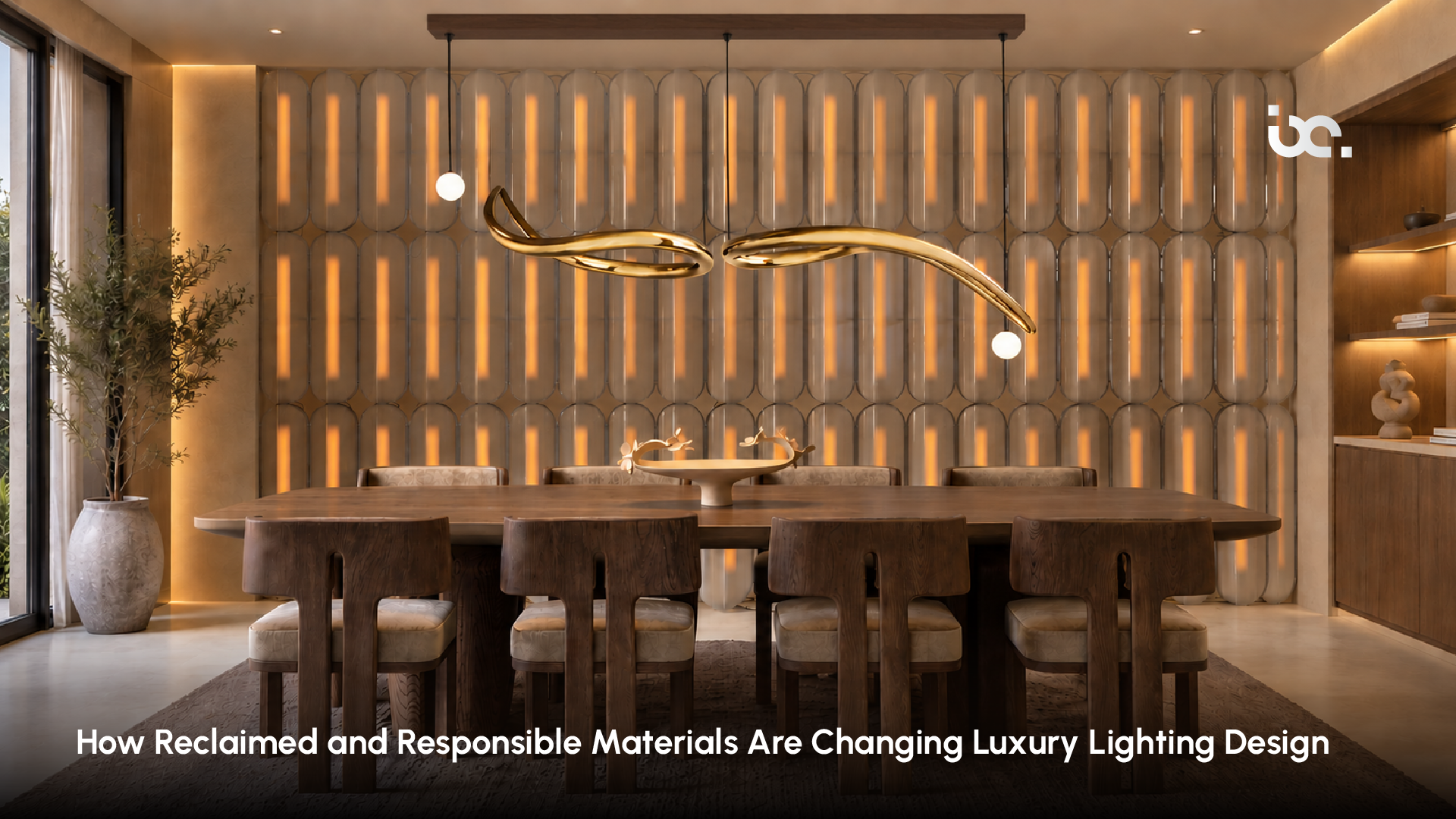
Luxury lighting has always been associated with exceptional craftsmanship, distinctive materials, and a refined sense of detail. Today, however, the meaning of luxury is evolving. Alongside aesthetics and technical excellence, designers are paying closer attention to where materials originate, how fixtures are manufactured, and how long they can remain useful.
This shift is creating a new approach to lighting that values environmental responsibility as much as visual appeal.
Sustainable lighting materials are becoming increasingly relevant to contemporary interiors. Reclaimed timber, recycled brass, repurposed glass, and responsibly sourced natural materials are finding their place in sophisticated lighting collections. These materials introduce individuality and texture while encouraging a more considered use of resources.
For homeowners and designers, sustainability no longer needs to mean compromising on elegance. A pendant made from reclaimed wood or a sculptural fixture crafted from recycled metal can feel every bit as refined as a conventional design.
The difference lies in the quality of its construction, the thought behind its materials, and its ability to remain relevant over time.
By combining traditional craftsmanship with modern technology and responsible sourcing, the lighting industry is redefining what enduring luxury can look like.
Sustainable lighting materials are selected with consideration for their environmental impact, durability, sourcing, and potential for reuse or recycling. Their value extends beyond appearance to include the resources required for extraction, processing, transportation, maintenance, and disposal.
Common examples include recycled metals, reclaimed timber, recycled glass, and wood sourced from responsibly managed forests. Each offers distinctive aesthetic possibilities and practical considerations.
Reclaimed timber may retain natural grain patterns, weathered textures, and subtle imperfections that give a fixture a unique identity. Recycled brass and aluminium can provide durability and attractive finishes while reducing demand for virgin resources. Recycled glass can introduce delicate variations that interact beautifully with light.
However, a material is not automatically sustainable simply because it is recycled or natural. Manufacturing energy, transportation distances, chemical treatments, durability, and end-of-life options also influence its overall environmental impact.
A responsible approach begins with understanding the complete material story rather than relying on appealing marketing claims. When chosen carefully, sustainable lighting materials demonstrate that environmental awareness and sophisticated design can work together without compromising quality.
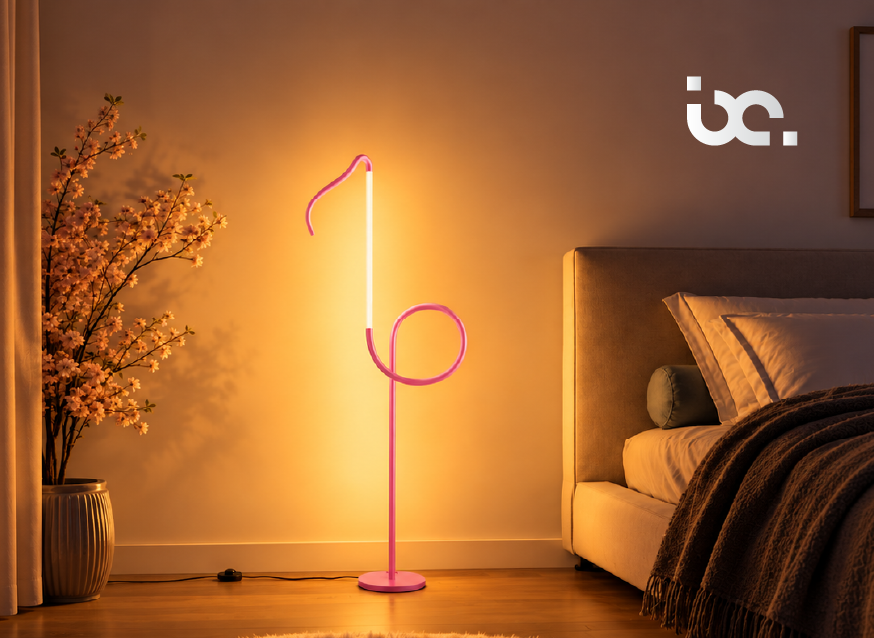
Reclaimed materials offer something particularly valuable in luxury interiors: individuality. Unlike newly manufactured materials, they often carry traces of their previous lives, creating subtle variations that make each finished piece distinctive.
Timber recovered from old buildings, salvaged metal, repurposed glass, and recovered architectural elements can all find new purpose in lighting design.
Imagine a pendant crafted from reclaimed timber above a dining table. Its natural grain and gently weathered surface introduce warmth against polished stone, contemporary furniture, and neutral walls. A fixture incorporating salvaged brass can create a similar contrast, combining historical character with a clean, modern silhouette.
These details are especially appealing in interiors where authenticity matters more than perfect uniformity.
The benefits of reclaimed materials include:
Reclaimed materials nevertheless require careful assessment. Timber must be inspected for structural integrity, pests, and previous chemical treatments. Metals and glass must be checked for safety and suitability before being incorporated into electrical fixtures.
When properly prepared, reclaimed materials can transform lighting into a personal design statement, connecting contemporary living with the craftsmanship and resources of the past.
Metals and glass have long been central to premium lighting because of their durability, versatility, and ability to shape the movement of light. Recycled versions of these materials are creating further possibilities for eco-conscious lighting.
Recycled aluminium and steel can be used in structural components, while recycled brass may feature in decorative fittings, lamp bodies, and carefully finished details. Recycling can reduce the need for virgin raw materials, although the environmental benefits depend on the production method and energy source.
Glass offers equally interesting possibilities. Recycled glass can be moulded into shades, diffusers, and decorative elements that soften illumination or create subtle reflections. Its transparency and texture make it particularly suitable for chandeliers, pendants, and wall lights.
From an aesthetic perspective, these materials offer considerable flexibility. A recycled metal fixture can appear architectural and understated, while a carefully crafted glass pendant can introduce delicacy without overwhelming a room.
The most successful designs incorporate recycled content without sacrificing precision, durability, or visual refinement. Sustainability does not need to become the dominant visual feature of a fixture. It can remain an essential part of the manufacturing process while the finished piece retains the elegance expected of luxury lighting.
The environmental value of a lighting fixture begins long before it reaches a showroom. Responsible sourcing involves understanding where materials originate, how they are obtained, and whether their production respects environmental and social considerations.
For timber, this may involve reclaimed stock or wood from responsibly managed forests. For metals, manufacturers can provide information about recycled content and production methods. Natural materials require attention to harvesting practices, resource availability, and supply-chain transparency.
These considerations form an important part of responsible design.
Transparency also helps buyers distinguish meaningful sustainability measures from vague promotional language. Manufacturers that provide specific information about material composition, sourcing, and repair options make it easier to assess a product’s actual qualities.
Before purchasing a lighting fixture, consider asking:
Responsible sourcing also extends to working conditions and manufacturing practices. Safe workplaces, fair treatment, and respect for skilled craftspeople contribute to a broader understanding of ethical production.
For discerning homeowners, transparency adds substance to luxury. The appeal of a fixture becomes more meaningful when its craftsmanship is supported by a credible account of how it was made.
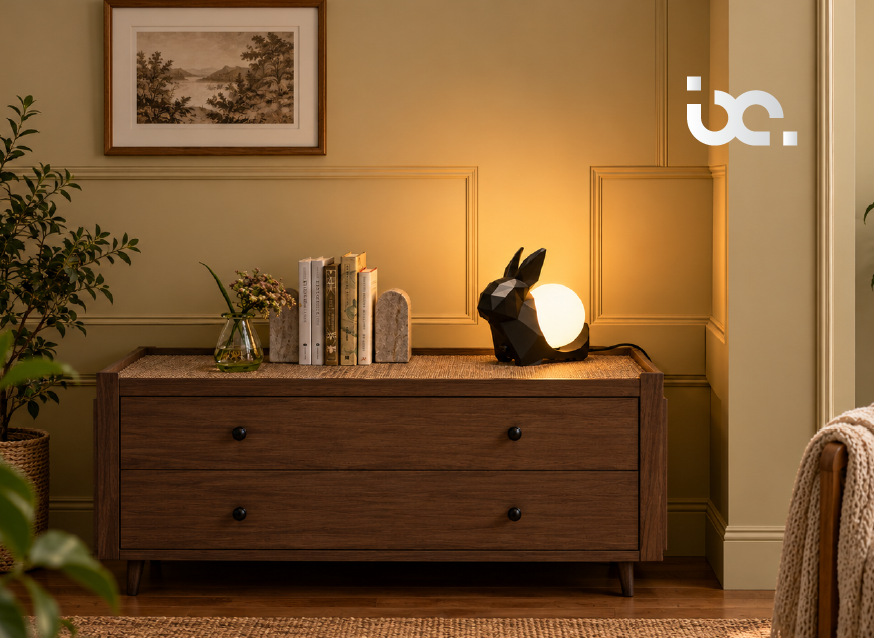
Luxury has traditionally been associated with rarity, refinement, and exceptional workmanship. Sustainable luxury builds on these qualities while placing greater emphasis on durability, responsible production, and thoughtful material choices.
A lighting fixture does not need excessive ornamentation to feel special. Its appeal may come from a beautifully balanced silhouette, the texture of reclaimed timber, or the precision of a hand-finished metal surface.
Craftsmanship becomes particularly important when working with reclaimed materials. Previously used timber may require careful preparation, while recycled metals and glass can demand specialised techniques to achieve consistent finishes and reliable performance.
Skilled makers understand how to preserve a material’s character while adapting it for a new purpose. This balance ensures that the finished fixture feels intentional rather than improvised.
Durability matters just as much. A well-constructed fixture that remains functional for many years can reduce the need for frequent replacement. Its overall environmental performance, however, also depends on material sourcing, energy consumption, maintenance, and end-of-life management.
This approach challenges the idea that luxury must constantly be replaced by something newer. Instead, it celebrates objects worth maintaining, appreciating, and keeping for years.
Circular design considers a product’s entire life, from material selection and manufacturing to maintenance, repair, reuse, and eventual recovery.
In a traditional linear model, resources are extracted, products are manufactured, and discarded items become waste. Circular design aims to keep materials and products useful for longer, preserving their value wherever possible.
In lighting, this philosophy can influence both construction and appearance. Manufacturers can design fixtures with replaceable components, accessible electrical systems, and materials that are easier to separate for recycling.
Useful features include:
These features can extend a fixture’s useful life and reduce unnecessary disposal.
Refurbishment offers another opportunity. Older fixtures may be rewired, refinished, or adapted to compatible modern lighting technology, provided the work is carried out safely by a qualified professional.
Circular design encourages manufacturers to consider repairability before production begins, rather than treating disposal as an unavoidable outcome. By designing for longevity from the beginning, the lighting industry can create products that offer lasting aesthetic value while making more responsible use of resources.
Sustainable materials work best when they complement the architecture and existing design scheme. Their purpose is not simply to announce an environmental choice but to contribute naturally to the room’s atmosphere.
Reclaimed timber can bring warmth to minimalist interiors, especially when paired with linen, stone, and understated metal finishes. Recycled glass can soften a dining room’s visual character, while recycled brass can complement cabinetry, furniture details, and architectural fittings.
Lighting placement is equally important. A carefully positioned pendant can establish a focal point, while wall sconces can highlight textured surfaces or artwork. Combining ambient, task, and accent lighting creates depth and flexibility.
For a balanced approach, consider these practical choices:
A sophisticated interior does not need to look overtly rustic or industrial to incorporate reclaimed materials. With thoughtful design, recycled and responsibly sourced components can sit comfortably alongside polished stone, luxurious fabrics, and contemporary furnishings.
The result is an interior where sustainability supports the overall aesthetic rather than competing with it.
The future of luxury lighting will increasingly depend on innovation in material recovery, manufacturing, energy efficiency, and product longevity.
Manufacturers are exploring ways to incorporate recycled content, improve component replacement, and create fixtures that can be dismantled more easily. Advances in LED technology offer opportunities for efficient illumination, while modular construction can make repairs more practical.
Greater attention to traceability is also encouraging more transparent relationships between manufacturers, designers, and customers.
Reclaimed materials will continue to offer distinctive aesthetic possibilities, but their successful use depends on responsible sourcing, appropriate processing, and careful construction. Similarly, recycled content must be evaluated alongside manufacturing energy and the finished product’s expected lifespan.
The objective is not simply to substitute one material for another. It is to rethink how lighting is designed, produced, maintained, and valued.
When environmental awareness meets contemporary craftsmanship, luxury lighting can become both an expression of personal style and a considered investment in long-term use.
Reclaimed and responsibly sourced materials are changing luxury lighting by creating a closer relationship between beauty, craftsmanship, and resource responsibility. Recycled metals, repurposed glass, reclaimed timber, and carefully selected natural materials offer distinctive visual qualities while creating opportunities to reduce waste and demand for virgin resources.
Through responsible sourcing, durable construction, and circular design, manufacturers can create fixtures that remain functional and desirable for longer. Homeowners and designers can incorporate these innovations without sacrificing elegance, comfort, or individuality.
Sustainable lighting materials demonstrate that luxury does not have to depend on excess. Sometimes, the most meaningful form of refinement lies in preserving valuable resources, respecting skilled craftsmanship, and choosing objects designed to be appreciated for years to come.
Sustainable lighting materials are selected with consideration for sourcing, environmental impact, durability, and reuse or recycling potential. Examples include reclaimed timber, recycled glass, recycled metals, and responsibly sourced natural materials.
Yes. Reclaimed materials can introduce distinctive textures, natural variations, and historical character. When properly inspected, prepared, and crafted, they can meet the aesthetic and functional requirements of luxury interiors.
Recycled metals can reduce demand for virgin resources and, depending on the material and production process, lower environmental impacts. They also provide durability and versatility for structural and decorative components.
Circular design aims to extend a product’s useful life through maintenance, repair, component replacement, reuse, and material recovery. It helps preserve resources and reduce unnecessary waste.
Some fixtures cost more because of specialised craftsmanship, material recovery, or responsible sourcing. Prices vary, so buyers should consider durability, repairability, energy consumption, and expected lifespan alongside the initial cost.
Experience radiant guidance tailored to your unique vision.