No products in the cart.

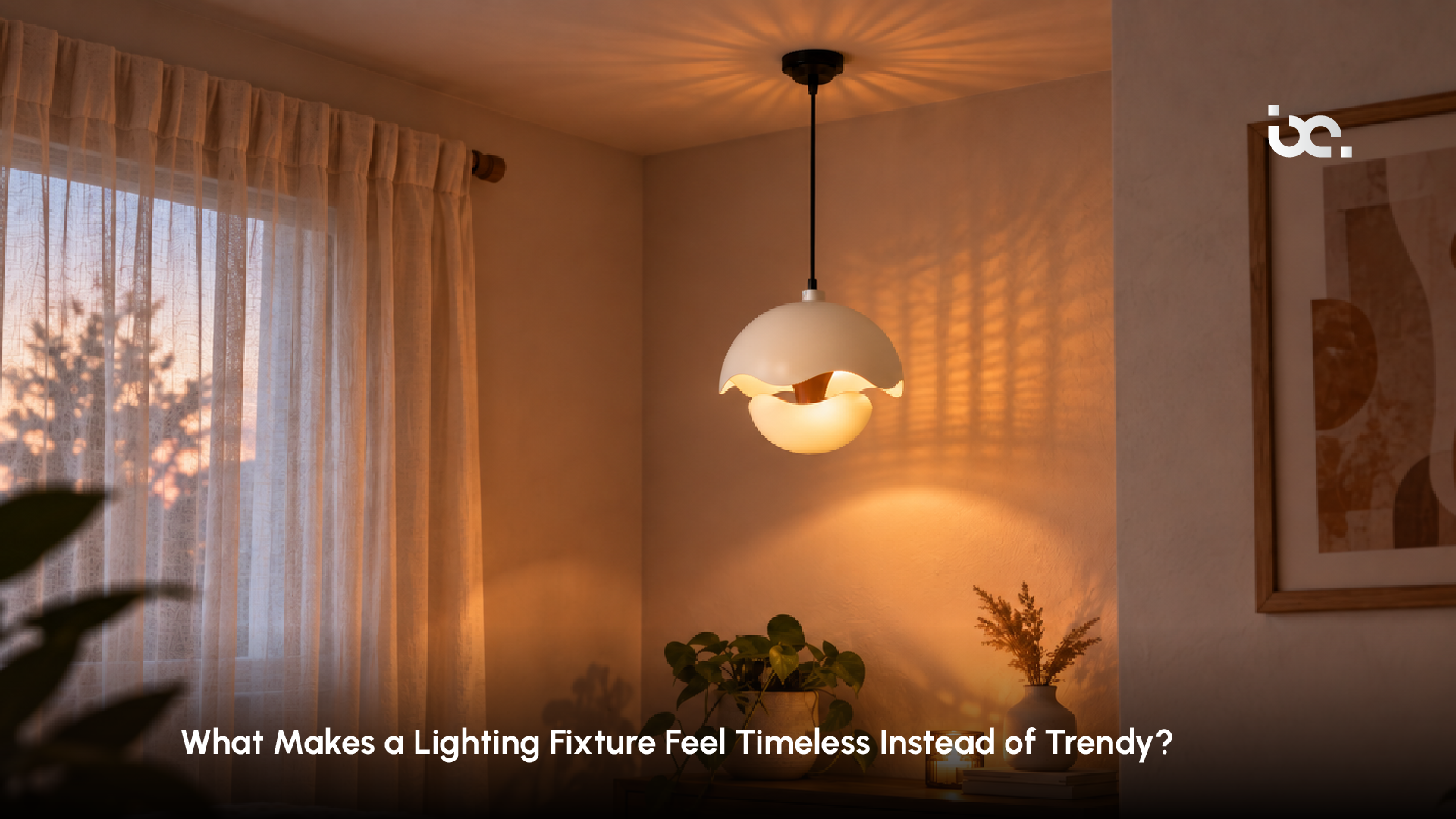
Lighting has a remarkable ability to transform an interior. Beyond illuminating a room, it defines its atmosphere, highlights architectural details, and influences how furniture, colours, and textures are experienced. Yet, while some lighting fixtures lose their appeal as trends change, others continue to feel sophisticated for decades.
The difference often lies in thoughtful design, material quality, craftsmanship, and an understanding of how beauty and functionality work together.
Timeless lighting design is not about rejecting modern aesthetics or choosing traditional fixtures exclusively. It is about selecting pieces that feel relevant beyond a particular season or design movement. A beautifully proportioned pendant, an elegant chandelier, or a carefully crafted wall sconce can complement an interior today while adapting effortlessly to changing tastes.
For homeowners, architects, and interior designers, understanding the principles behind enduring lighting is essential to creating spaces with lasting character. From the choice of materials to the quality of illumination, every detail contributes to a fixture’s ability to remain desirable long after temporary trends have passed.
One of the defining characteristics of timeless lighting design is a strong sense of proportion. Fixtures that feature balanced shapes and considered details tend to remain appealing longer than those designed primarily to attract immediate attention.
Simplicity plays an important role, although timelessness does not necessarily mean minimalism. An ornate chandelier can be just as enduring as a clean-lined pendant when its decorative elements are thoughtfully arranged. What matters is that the design feels intentional rather than dependent on exaggerated details.
Proportion determines how naturally a fixture fits into its surroundings. A generous chandelier can bring presence to a dining room with high ceilings, while a slender pendant may suit a smaller kitchen island. Even the most beautiful fixture can appear out of place when its scale does not relate to the architecture or furniture.
When choosing lighting, consider these principles:
This approach creates enduring design by allowing lighting to remain visually balanced even when the surrounding décor changes.
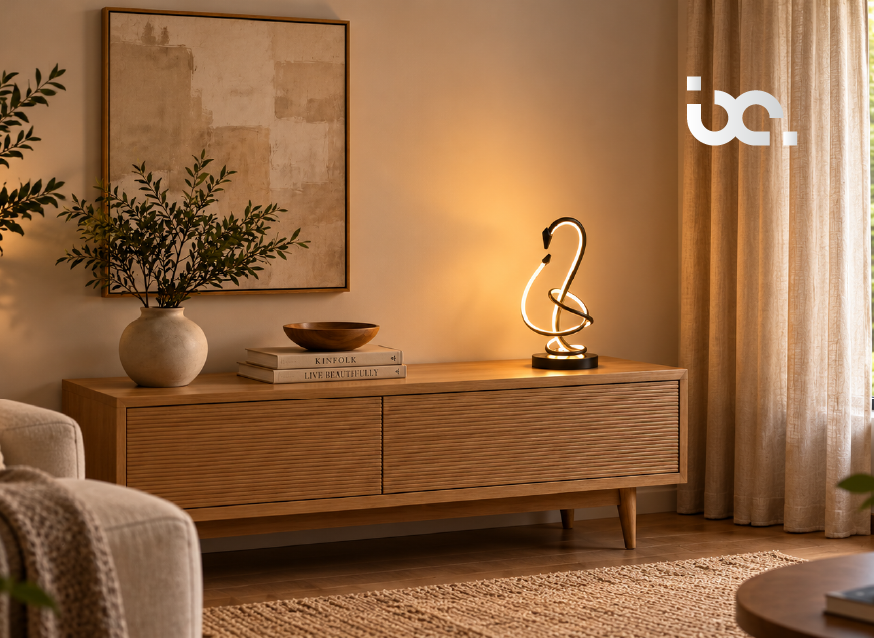
The materials used in a lighting fixture have a significant influence on its appearance and longevity. Natural textures, carefully finished metals, and quality glass often retain their appeal because they possess depth that goes beyond surface decoration.
Brass and bronze are particularly valued in sophisticated interiors. Depending on their finish, they can introduce warmth, richness, or a subtle architectural presence. Unlacquered brass may gradually develop a patina, giving the fixture a distinctive character that reflects its age and use.
Glass offers a different kind of versatility. Clear glass creates an airy appearance, while opal glass diffuses illumination into a softer, more comfortable glow. Textured glass introduces visual interest without necessarily overwhelming the room.
In luxury interiors, material quality is noticeable even in the smallest details. The precision of a metal joint, the clarity of a glass shade, and the consistency of a finish can influence how refined a fixture feels.
However, choosing an expensive material is not enough. Its durability, maintenance requirements, and suitability for the intended environment must also be considered.
Prioritise materials that offer:
When materials are selected thoughtfully, lighting becomes more than a decorative purchase. It becomes a lasting element of the home’s character.
A lighting fixture’s beauty depends on more than its silhouette. The quality of its construction determines how well it performs, how it ages, and whether its details continue to feel refined after years of use.
Contemporary craftsmanship combines traditional expertise with modern manufacturing techniques. Skilled workmanship can be seen in precise proportions, secure connections, carefully finished surfaces, and components that fit together seamlessly.
Hand-finished fixtures often possess subtle variations that give them individuality. Modern production methods, meanwhile, can offer consistency and precision. Both approaches have their place, provided the final product meets high standards of quality.
Consider a sculptural pendant with a beautifully finished brass body and a carefully balanced glass shade. Its appeal comes not only from the design itself but also from the way each component contributes to the whole. Poorly finished edges or unreliable fittings would diminish that impression, regardless of how attractive the fixture appeared initially.
Contemporary craftsmanship also includes practical considerations. A fixture should be easy to install correctly, provide dependable illumination, and allow reasonable access for cleaning and maintenance.
Investing in quality construction supports design longevity because a well-made piece is less likely to require premature replacement. The result is a fixture that retains both its visual appeal and everyday usefulness.
Finishes can dramatically influence the personality of a lighting fixture. A particular colour or surface treatment may become fashionable, but its popularity does not necessarily guarantee lasting appeal.
Brushed brass, aged bronze, matte black, polished nickel, and understated chrome offer considerable versatility. Each creates a different effect, allowing the fixture to complement a range of interior styles.
For example, brushed brass introduces warmth into neutral spaces, while matte black creates definition against pale walls. Bronze can add depth to traditional settings, and polished nickel offers a crisp, refined appearance.
Glass finishes deserve equal consideration. Clear glass feels light and architectural, while opal glass introduces softness. Both can work across contemporary and traditional settings when their proportions are appropriate.
Timeless design does not mean avoiding distinctive colours. A coloured glass pendant or an unusual finish can become an enduring feature when it reflects the homeowner’s taste and complements the wider interior.
The key is to consider how the finish relates to other materials in the room. Coordinate it thoughtfully with cabinet hardware, door handles, furniture details, and architectural fittings without insisting that every metal must match exactly.
A harmonious combination creates a considered interior rather than one that feels assembled around a passing trend.
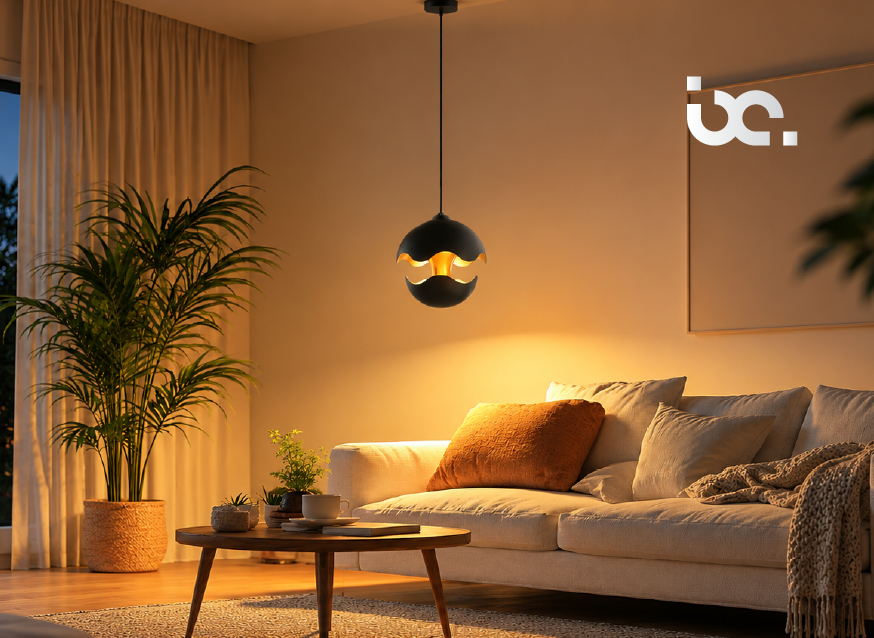
A fixture may look exceptional, but its real value becomes apparent when the light is switched on. The quality, direction, and intensity of illumination determine whether a space feels inviting, comfortable, and functional.
Timeless lighting design considers the atmosphere created by light as carefully as the appearance of the fixture itself. In a living room, a warm, gentle glow can create a relaxed setting. In a kitchen, more focused illumination supports food preparation and everyday tasks.
Layering different light sources is an effective way to achieve balance. Instead of relying exclusively on a central ceiling fixture, combine ambient, task, and accent lighting.
Colour temperature also influences the mood. Warm white light often suits bedrooms, dining rooms, and living areas, while neutral white light can be useful in kitchens and workspaces. The appropriate choice depends on the room’s purpose and the desired atmosphere.
Dimmable lighting adds flexibility, allowing the same space to transition from bright and practical during the day to intimate and relaxed in the evening.
Ultimately, a fixture that provides comfortable, adaptable illumination is more likely to remain useful as household needs change.
One of the strongest qualities of classic lighting fixtures is their ability to complement different interiors. A well-designed piece does not need to be replaced whenever furniture, wall colours, or decorative preferences change.
A simple brass pendant, for instance, can work beautifully in a contemporary kitchen, a transitional dining room, or a traditional home. A glass chandelier may introduce elegance into a minimalist setting without making the room feel overly formal.
This adaptability makes lighting particularly valuable during renovations. Homeowners can update furniture, artwork, and finishes while retaining fixtures that continue to complement the space.
Versatility does not require every fixture to be neutral or understated. A distinctive sculptural light can become a signature feature when its shape, materials, and proportions are carefully considered.
Before purchasing a fixture, imagine it in different settings. Consider whether it would still work with a different wall colour, a new dining table, or a change in furniture style.
If its appeal depends entirely on the current décor, it may have limited flexibility. If it maintains its character across different arrangements, it is more likely to offer lasting value.
A fixture’s long-term appeal also depends on how easily it can be maintained and whether it continues to meet practical needs.
Energy efficiency, repairability, and the availability of replacement components deserve attention before making a purchase. LED lighting can reduce energy consumption and lamp replacement frequency, but buyers should distinguish between replaceable LED bulbs and integrated LED modules.
For integrated systems, check whether replacement drivers or modules are available and whether the manufacturer provides ongoing support. A fixture that cannot be repaired economically may need to be replaced even when its exterior remains beautiful.
Other considerations include:
Bathrooms and outdoor areas require particular care because moisture and weather exposure can affect safety and durability. Always select fixtures with ratings appropriate for their installation environment.
Choosing repairable, energy-efficient lighting supports responsible consumption while protecting the value of the original purchase. These practical qualities are an essential part of design longevity.
Timelessness should never be mistaken for a lack of imagination. Some of the most compelling lighting designs combine familiar forms with contemporary materials, innovative technology, or unexpected sculptural details.
A traditional silhouette can feel fresh through refined proportions and a modern finish. A contemporary pendant can achieve lasting appeal through restrained detailing, excellent materials, and practical construction.
The difference between an enduring piece and a short-lived trend lies in the strength of its underlying design. A fixture created mainly to attract attention may lose its relevance when the surrounding fashion changes. One grounded in functionality, craftsmanship, and visual balance has a stronger foundation for lasting appeal.
For luxury interiors, this balance creates opportunities for personal expression without sacrificing sophistication. The aim is not to make every room look identical or overly restrained. It is to choose pieces that reflect individual taste while maintaining a meaningful relationship with the architecture.
When contemporary expression is supported by quality and thoughtful design, lighting can feel both distinctive and enduring.
A lighting fixture feels timeless when its beauty is supported by proportion, quality materials, careful craftsmanship, and dependable performance. These qualities allow it to remain relevant even as interior styles and decorative preferences evolve.
Timeless lighting design is not governed by a single aesthetic formula. A sculptural pendant, a classic chandelier, or a contemporary wall light can all become enduring features when chosen for their character, suitability, and construction.
By prioritising versatility, comfortable illumination, and thoughtful detailing, homeowners and designers can create spaces that feel sophisticated without appearing tied to a particular era.
The result is lighting that does more than brighten a room. It becomes an integral part of the interior, offering lasting beauty, practical value, and an atmosphere of understated elegance.
Timeless lighting design refers to fixtures that maintain their visual appeal and practical value over many years. It emphasises balanced proportions, quality materials, considered craftsmanship, and functional illumination rather than temporary trends.
Brass, bronze, glass, stone, and well-finished metals are popular choices because of their durability and versatility. The ideal material depends on the interior, installation environment, maintenance requirements, and desired appearance.
Yes. Contemporary lighting can remain relevant when it combines thoughtful proportions, quality construction, practical functionality, and carefully selected materials. Modern design does not automatically mean trend-dependent design.
Consider the room’s dimensions, architectural features, furniture, and material palette. Select fixtures that complement these elements while providing suitable illumination, reliable performance, and a finish that works with the wider design scheme.
A well-made fixture may offer better long-term value through durability, repairability, energy efficiency, and continued visual relevance. However, value depends on the product’s construction, maintenance requirements, and expected lifespan, not simply its price.
Experience radiant guidance tailored to your unique vision.