
No products in the cart.

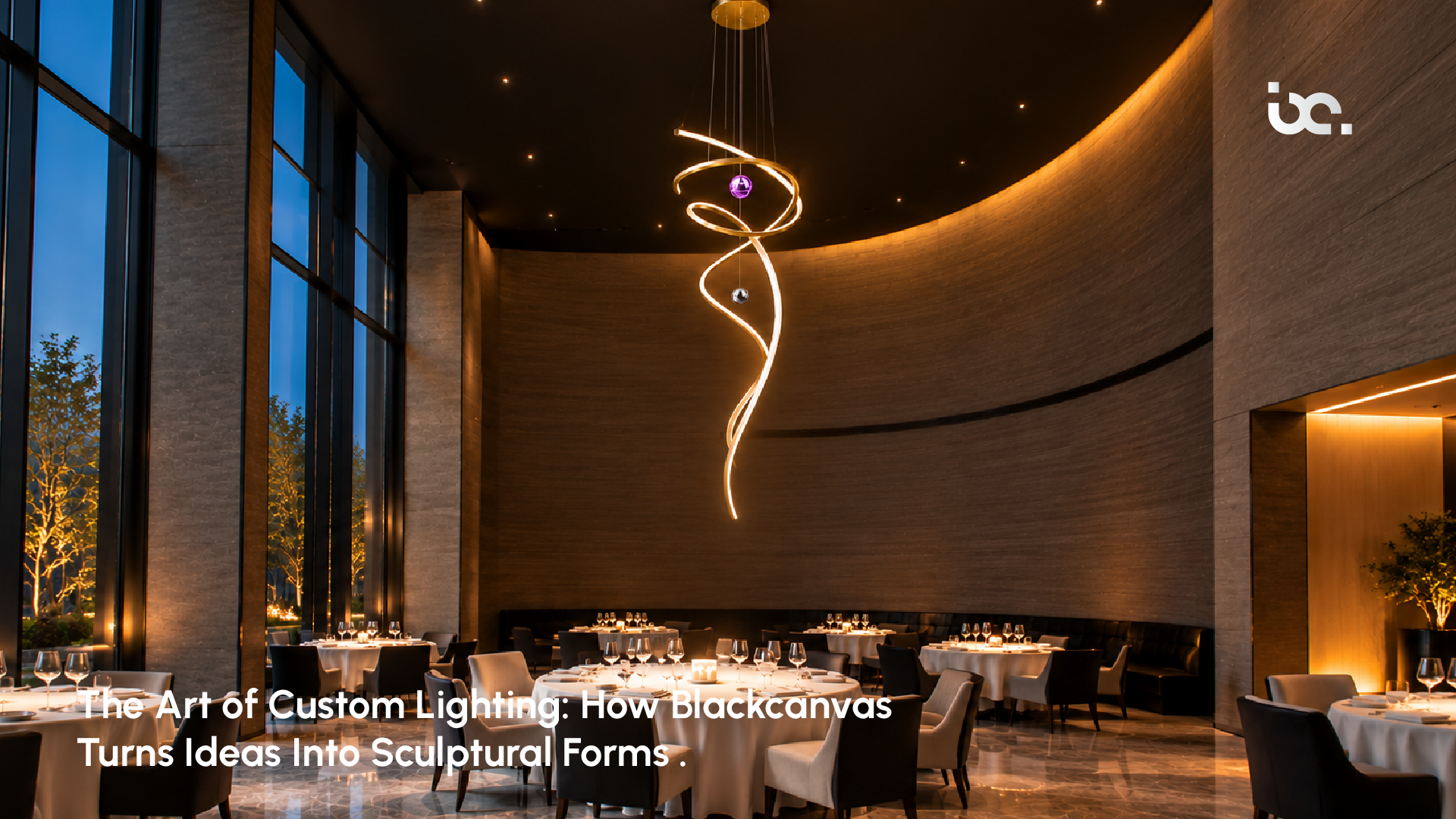
Lighting has the power to transform a space in ways that extend far beyond illumination. It can establish an atmosphere, highlight architectural details, introduce visual rhythm, and become the defining feature of an interior. When approached as an art form, lighting moves beyond conventional fixtures and becomes an expression of creativity, material, and individual taste.
This is the essence of custom sculptural lighting. Rather than treating a light as a purely functional object, this approach considers its shape, proportions, texture, and relationship with the surrounding environment. Every curve, surface, and source of illumination contributes to a carefully composed visual experience.
At Blackcanvas, this philosophy places creative vision at the centre of the design process. Ideas are explored through materials, refined through thoughtful craftsmanship, and transformed into distinctive lighting pieces that complement the character of a space. The result is lighting that feels intentional, expressive, and deeply connected to its architectural setting.
Traditional lighting often begins with a practical requirement: illuminating a room, creating sufficient brightness, or highlighting a particular area. Custom sculptural lighting begins with a broader question: what can light contribute to the experience of a space?
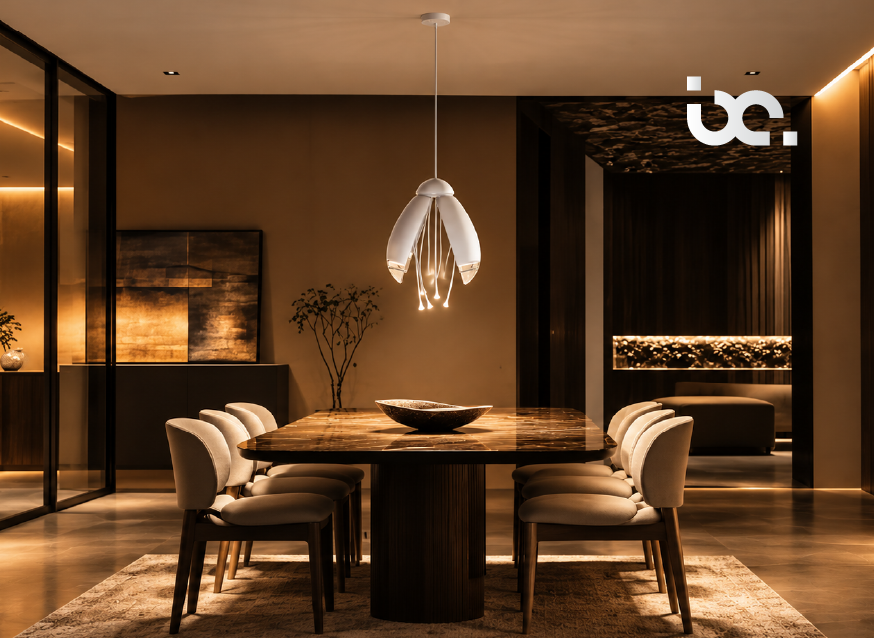
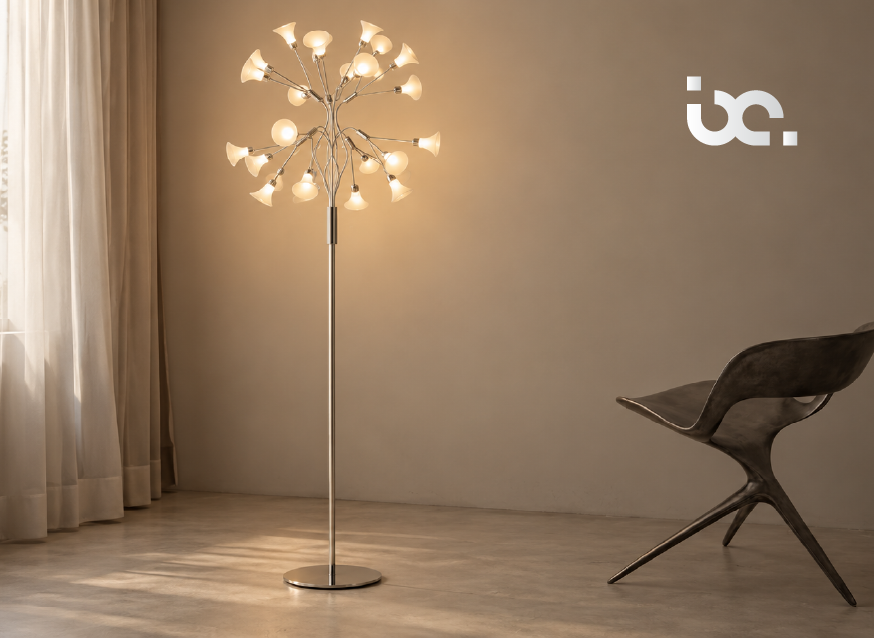
The answer lies in the relationship between form and function. A carefully designed pendant can introduce movement above a dining table, while a sculptural wall light can create a striking interplay of shadows across a textured surface. A floor lamp may become an independent artistic statement, even when switched off.
These artistic lighting pieces offer a different perspective on interior design. They invite attention without necessarily overwhelming the surroundings. Their presence can be subtle or dramatic, depending on the scale, material, and intended atmosphere.
The most successful designs balance visual interest with practical performance. Light must still serve the people who use the space, but its delivery can become part of the creative expression. Soft diffusion, directional illumination, and carefully positioned light sources help establish a sense of depth and comfort.
For Blackcanvas, the artistic potential of lighting lies in this balance. A fixture is not simply an object added to a room; it is an element that can influence how the entire environment is perceived.
Every bespoke lighting project begins with an idea. It may be inspired by a natural form, an architectural feature, a particular material, or a feeling that a designer wants to create within a space.
Turning that idea into a finished fixture requires a considered process. Inspiration provides the starting point, but proportion, structure, material selection, and illumination determine how successfully the concept translates into reality.
The first stage involves defining the purpose and character of the proposed design. A lighting piece intended for an intimate residential setting may require a different approach from one created for a spacious hospitality interior or a statement-making commercial environment.
Important considerations include:
Understanding these elements allows the design to respond to its environment rather than exist independently of it.
Once the initial direction is established, designers can explore shapes, silhouettes, and structural possibilities. Curved profiles, asymmetrical arrangements, layered elements, and geometric compositions can all influence the character of a fixture.
Scale is particularly important. An oversized pendant may bring presence to a double-height room, while a more delicate design can introduce refinement into a smaller interior. The objective is to establish a relationship between the fixture and its surroundings that feels deliberate and balanced.
This is where custom sculptural lighting offers considerable creative freedom. Instead of selecting an existing product and adapting the room around it, designers can develop a lighting concept that responds directly to the space.
Materials influence how a lighting fixture looks, feels, and interacts with light. Their colour, texture, transparency, and finish can change the visual character of a design, even when its basic form remains the same.
Metal can introduce precision and definition, while glass can create transparency, reflection, and a sense of lightness. Stone-inspired surfaces may bring an organic quality, whereas textured finishes can produce depth and visual complexity.
The choice of material should reflect both the creative intention and the practical demands of the fixture. Weight, durability, heat management, maintenance, and the method of fabrication all influence the final result.
For instance, a design featuring intricate curves may require a material that can be shaped accurately without compromising structural stability. A fixture intended to produce a soft glow may benefit from carefully selected diffusing elements that reduce harsh brightness and create a more comfortable atmosphere.
At Blackcanvas, material exploration forms an important part of translating ideas into physical objects. The finish is not merely a decorative layer applied at the end. It contributes to the identity of the design, influencing how the fixture responds to natural daylight, artificial illumination, and the changing perspectives of the observer.
A compelling concept becomes meaningful when it can be executed with care. Design craftsmanship bridges the distance between an imagined form and a finished lighting fixture.
Sculptural designs can involve unusual proportions, complex joins, delicate transitions, or surfaces that require particular attention. Even a seemingly simple silhouette may demand careful decisions about construction, balance, and the placement of electrical components.
Craftsmanship ensures that these details work together. It considers not only the visible exterior but also the structural integrity and technical requirements that allow the fixture to function reliably.
Several elements contribute to the quality of a bespoke lighting piece:
These details are especially important when a design depends on simplicity. In a restrained form, every edge, junction, and surface becomes more noticeable. There is little room for imprecision to disappear behind unnecessary ornamentation.
The value of craftsmanship is therefore not limited to visual perfection. It allows creative ambition to coexist with usability, durability, and technical performance.
The form of a lighting fixture determines how it occupies space and how people respond to it. Some designs introduce movement through flowing curves, while others rely on repetition, symmetry, or strong geometric lines.
Organic forms can soften interiors dominated by hard architectural surfaces. Angular compositions may reinforce a contemporary setting, creating a sense of structure and visual clarity. Layered forms can produce depth, particularly when their elements interact with light and shadow.
The surrounding environment remains equally important. A sculptural pendant above a dining table can create an intimate focal point, while a statement installation in a reception area can establish the identity of the interior from the moment someone enters.
Placement, viewing angles, ceiling height, and the distribution of surrounding light all affect the experience. A fixture that looks impressive in isolation may lose its impact if it is poorly scaled or positioned without considering the architecture.
This is why bespoke fixtures benefit from a space-conscious design process. Their proportions and visual presence should respond to the room, allowing the lighting to feel integrated rather than simply installed.
For Blackcanvas, sculptural design offers an opportunity to make lighting an active part of the interior composition. The fixture becomes a meeting point between architecture, artistic expression, and everyday experience.
A sculptural fixture is experienced through more than its physical outline. The light it produces, the shadows it casts, and the way its surfaces reflect illumination all contribute to its overall character.
Directional lighting can emphasise architectural features or reveal the texture of a wall. Diffused illumination can create a gentler atmosphere, making a room feel inviting and composed. Indirect lighting can introduce depth without drawing excessive attention to the source itself.
Shadows also play a valuable role. Depending on the form and position of a fixture, they may create subtle patterns, emphasise contours, or add movement to otherwise static surfaces. These effects change with the surrounding environment and the observer’s position.
Texture further enriches the experience. A brushed metal finish responds differently to light than a polished surface, while translucent materials can soften the boundary between the fixture and its illumination.
Thoughtful lighting design considers these interactions from the beginning. Rather than treating the light source as a technical component added after the form has been developed, it integrates illumination into the creative process.
The result can be a fixture that feels expressive during the day and reveals a different character after dusk.
Luxury décor is not defined exclusively by expensive materials or elaborate ornamentation. It often emerges from proportion, restraint, thoughtful detailing, and the sense that each element has been selected for a reason.
Custom sculptural lighting fits naturally within this approach because it allows a fixture to respond to the individual character of an interior. Its scale, finish, shape, and illumination can be considered in relation to furniture, architectural features, artwork, and the intended mood of the room.
In residential interiors, a distinctive pendant may anchor a dining area, while a sculptural bedside light can introduce character without occupying excessive visual space. In hospitality environments, carefully designed lighting can support a memorable atmosphere and reinforce the identity of a property.
Bespoke lighting can also help create continuity across a larger project. Related forms, complementary finishes, and consistent lighting qualities can connect different areas while allowing each space to retain its individuality.
However, personalisation does not require visual excess. A refined design may achieve its greatest impact through a single unusual curve, a carefully considered proportion, or a finish that reveals its character gradually.
When integrated thoughtfully, lighting becomes part of the broader design language rather than an isolated decorative feature.
Choosing a custom lighting solution offers greater freedom than selecting a standard fixture, but it also requires careful coordination. The design must satisfy aesthetic expectations while meeting practical, spatial, and technical requirements.
A considered process helps establish these priorities early. It gives designers and clients an opportunity to discuss dimensions, installation conditions, illumination requirements, material preferences, and the intended visual effect before the final piece is produced.
It is also important to consider maintenance and long-term use. Access to electrical components, the availability of suitable replacement parts, and the durability of finishes can influence the lasting value of a fixture.
Useful questions to address during a custom lighting project include:
Addressing these questions creates a stronger foundation for the finished design. It also helps ensure that the final piece reflects the original intention without compromising practical performance.
The art of custom sculptural lighting lies in transforming an idea into an object that brings together form, material, illumination, and craftsmanship. It requires imagination, but also the precision to ensure that every design decision contributes to a coherent and functional result.
Through thoughtful exploration and attention to detail, Blackcanvas approaches lighting as an opportunity to shape the experience of an interior. Distinctive forms, considered finishes, and carefully integrated illumination allow a fixture to become more than a source of brightness. It can establish a focal point, enrich architectural details, and express the character of a space.
Ultimately, exceptional lighting is not simply about being noticed. It is about creating a lasting relationship between an object and its surroundings. When artistic intention and practical design work together, lighting becomes an enduring expression of individual taste and refined living.
Custom sculptural lighting refers to lighting fixtures designed around a distinctive artistic form, often developed to suit a specific interior, architectural feature, or creative vision. These fixtures combine illumination with visual expression.
Standard lighting typically involves selecting from existing designs and available finishes. Bespoke lighting allows greater control over proportions, materials, finishes, and design details, helping the fixture respond more closely to the requirements of a particular space.
Metal, glass, and other carefully selected materials can be used, depending on the design concept, desired finish, structural requirements, and lighting effect. The appropriate choice balances appearance with durability and technical performance.
Yes. A sculptural fixture can introduce character into a minimalist interior without creating visual clutter. A distinctive silhouette, restrained finish, or carefully balanced proportion can provide interest while preserving the simplicity of the space.
Important considerations include the fixture’s purpose, dimensions, material selection, illumination requirements, installation conditions, maintenance needs, and compatibility with the surrounding architecture. Addressing these factors early helps achieve a cohesive and practical result.
Experience radiant guidance tailored to your unique vision.