
No products in the cart.

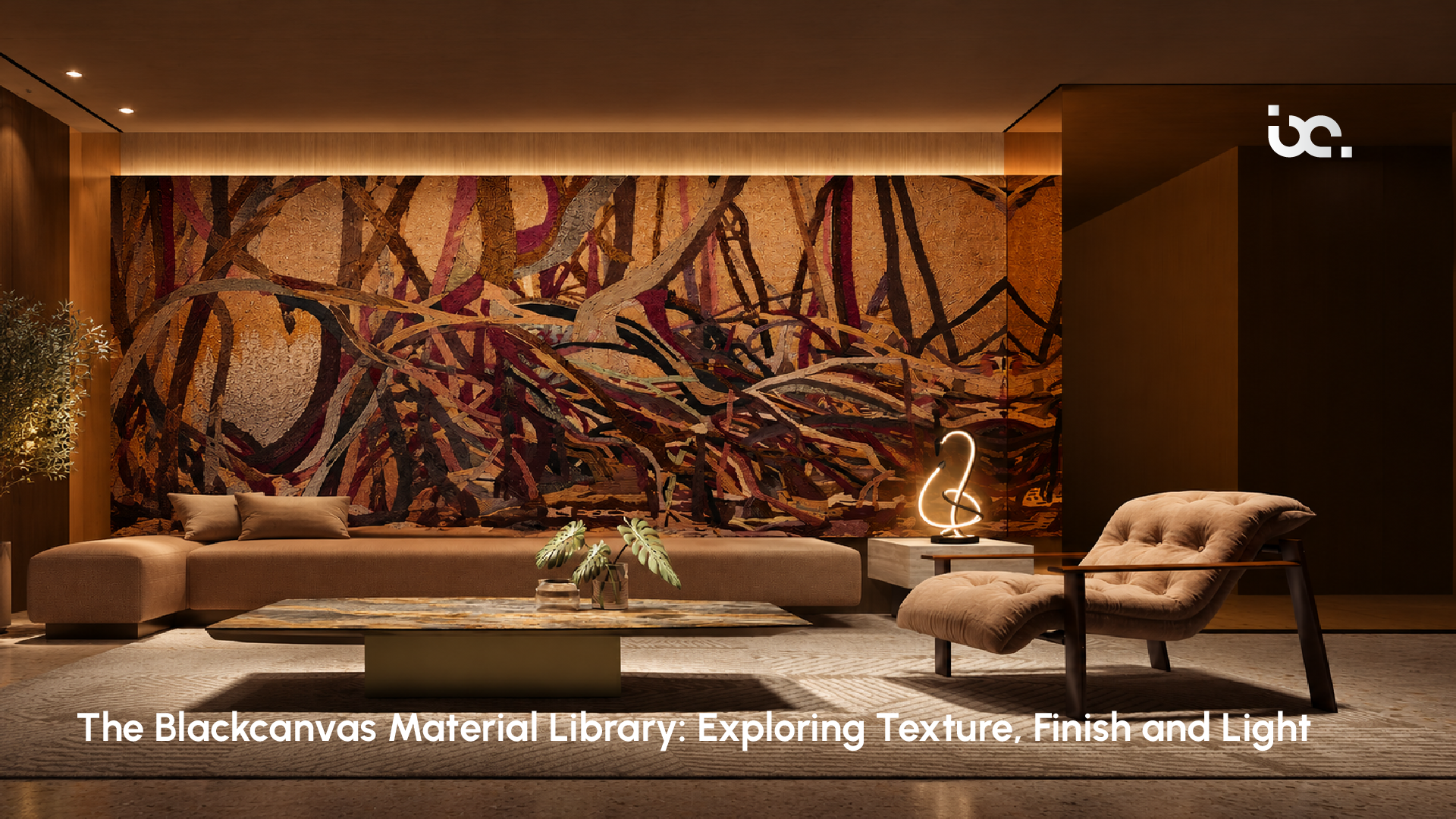
In exceptional lighting design, beauty is rarely defined by illumination alone. The material surrounding a light source, the finish that catches its glow, and the texture revealed across its surface all contribute to the character of a space.
A softly brushed metal pendant can feel understated and contemporary, while hand-finished glass can introduce delicacy, depth, and a captivating play of reflections. These details transform lighting from a functional necessity into an integral part of interior architecture.
The Blackcanvas Material Library reflects this relationship between material and illumination, offering a perspective on how thoughtful selection and experimentation can shape distinctive lighting experiences. Through considered lighting material design, designers can explore the relationship between surface, form, and light to create fixtures that feel purposeful, expressive, and enduring.
From tactile finishes to handcrafted details, every material offers a different opportunity to influence the atmosphere. Understanding these possibilities allows designers to create lighting that complements architectural surroundings while bringing a distinctive sense of refinement to residential, hospitality, and commercial interiors.
Lighting material design involves selecting and developing materials according to how they interact with light, complement a fixture’s form, and contribute to its overall visual identity. It considers more than appearance. Transparency, reflectivity, surface texture, durability, and the way a material ages can all influence the finished design.
A material that appears beautiful under natural daylight may produce an entirely different effect when illuminated artificially. Polished metal can create sharp reflections, whereas a matte surface offers a softer, more restrained appearance. Translucent glass can diffuse illumination, while textured stone may introduce subtle shadows and variations in brightness.
The relationship between material and light is particularly important in luxury interiors, where visual details are often appreciated at close range. A fixture should feel considered from every angle, whether switched on or off.
At Blackcanvas, a material-led approach encourages designers to look beyond conventional choices and examine how surfaces, finishes, and construction techniques influence the experience of light. The result is a more thoughtful design process in which material selection becomes central to the identity of the fixture.
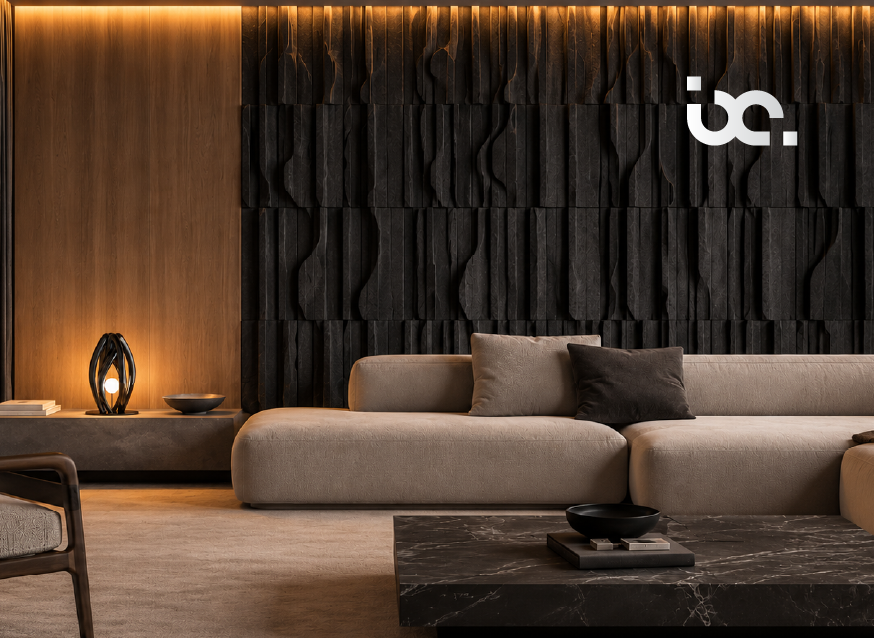
Texture brings depth and individuality to a lighting fixture. It influences how a surface catches illumination, how shadows develop across its contours, and how the object feels within its architectural setting.
Smooth surfaces tend to create a clean, controlled appearance. Textured materials introduce variation, allowing light to reveal small imperfections, patterns, and changes in form. Neither approach is inherently superior; the choice depends on the intended atmosphere and the character of the interior.
Several lighting textures offer distinctive design possibilities:
The most successful designs use texture with intention. A heavily textured pendant may become the defining feature of a restrained dining room, while a smoother fixture may better complement an interior already rich in pattern and material detail.
By exploring these contrasts, designers can create lighting that contributes to the overall composition without overwhelming it.
A finish can transform the appearance of a lighting fixture, influencing whether it feels contemporary, traditional, sculptural, or quietly luxurious. It also determines how the material responds to surrounding colours, natural daylight, and artificial illumination.
Premium finishes are valued not simply for their visual appeal but for the precision and consistency they bring to a finished object. The quality of surface preparation, application, and detailing can make a noticeable difference to the final result.
Consider the following finishes and their potential applications:
The surrounding environment should guide the selection. A reflective finish may work beautifully in a spacious interior with controlled lighting, while a matte surface may feel more appropriate in a calm, understated setting.
Consistency also matters. Coordinating finishes across lighting, furniture hardware, and architectural details can create visual harmony without requiring every element to match exactly.
Distinctive lighting often emerges when designers question familiar combinations and explore new ways of working with materials. Material experimentation allows them to investigate how different surfaces, structures, and manufacturing processes can influence the appearance and performance of a fixture.
This exploration may involve combining contrasting materials, testing alternative surface treatments, or refining the relationship between a light source and a translucent component.
For example, pairing metal with textured glass can create a balance between structure and delicacy. Combining a dark exterior with a softly illuminated interior can produce a subtle contrast between the fixture’s silhouette and its light output. Stone and metal may offer a different expression, bringing together natural variation and architectural precision.
Successful experimentation requires technical understanding as well as creative ambition. Designers must consider heat management, structural stability, electrical safety, maintenance, and the suitability of each material for its intended environment.
The process may also involve repeated sampling. A finish that looks attractive on a small sample may behave differently across a larger surface. Similarly, a textured diffuser may produce unexpected shadows or uneven illumination once integrated into the complete fixture.
Testing these details before production helps ensure that visual ambition is supported by reliable performance.
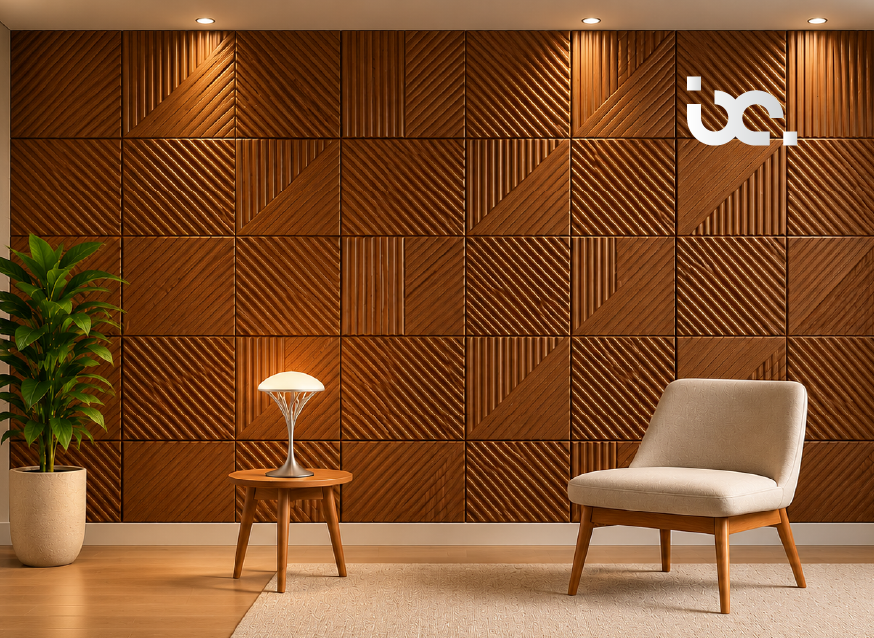
Handcrafted fixtures bring a distinctive human dimension to lighting design. They can reveal the marks of skilled workmanship through carefully shaped components, individually finished surfaces, and subtle variations that distinguish one object from another.
These qualities are particularly appealing in interiors where authenticity and material character matter as much as visual impact.
Handcrafted production may involve glass shaping, metalworking, ceramic forming, surface finishing, or the precise assembly of multiple components. Each technique requires its own expertise, and the quality of the final fixture depends on how effectively these processes are managed.
Small details often make the greatest difference. A carefully finished edge, a well-concealed joint, or a balanced transition between materials can give a fixture a sense of completeness. These details may not immediately attract attention, but they contribute to the impression of quality when the object is viewed closely.
Handcrafted production does not necessarily mean that every variation is desirable. Consistent dimensions, dependable electrical components, and appropriate quality checks remain essential.
When craftsmanship and technical precision work together, the result can feel both individual and enduring. Such fixtures become more than decorative additions; they contribute to the identity of the space in which they are placed.
Materials do not exist independently of their lighting conditions. Their colour, texture, and visual weight can change considerably according to the direction, intensity, and temperature of the light falling upon them.
Directional illumination can reveal surface relief by creating highlights and shadows. Diffused light softens contrasts and produces a more even appearance. Grazing light, positioned close to a surface, can emphasise the texture of stone, plaster, or patterned metal.
Translucent materials introduce another dimension. Frosted glass, for example, can soften the appearance of a light source, while layered or ribbed glass creates variations in brightness and transparency. The effect depends on the material’s thickness, structure, and relationship to the light source.
Colour temperature also influences perception. Warm illumination can bring out the richness of timber, bronze, and warmer stone tones. Neutral illumination may preserve a more balanced appearance in certain contemporary interiors.
For designers, these relationships make sampling and mock-ups especially valuable. Viewing a material under different lighting conditions helps reveal how it will perform throughout the day and evening.
The objective is not simply to make a material look attractive. It is to understand how light can express its natural qualities and support the atmosphere of the surrounding space.
A considered material palette gives a lighting scheme its visual consistency. Rather than selecting each fixture independently, designers can establish a relationship between materials, finishes, furniture, and architectural surfaces.
This does not mean using identical finishes throughout an interior. In fact, a carefully controlled mixture of contrasting materials can create a richer and more sophisticated composition.
A palette might combine brushed brass with warm timber, textured glass with pale stone, or matte black with softly coloured plaster. The relationship between these materials creates continuity while allowing individual fixtures to retain their character.
When developing a palette, consider:
Scale is equally important. A highly expressive material may work best on a statement pendant, while more restrained finishes can support secondary lighting throughout the space.
A cohesive palette allows lighting to feel integrated with the architecture rather than added as an afterthought.
Luxury design is not defined by appearance alone. Materials should also perform reliably over time, particularly when fixtures are installed in frequently used residential, hospitality, or commercial environments.
Durability depends on the material itself, the quality of manufacturing, the surrounding conditions, and the way the fixture is maintained. Metal finishes may require different cleaning methods from glass or ceramic, while natural materials can vary in their sensitivity to moisture, heat, and surface treatments.
Responsible selection also involves understanding the origins and processing of materials. Designers may consider recycled metals, responsibly sourced components, repairable construction, and finishes that can be maintained without frequent replacement.
These decisions should be based on verified product information rather than broad sustainability claims. A material’s environmental impact depends on factors such as extraction, processing, transportation, lifespan, and end-of-life options.
Well-designed fixtures should also allow practical maintenance where possible. Accessible components and suitable replacement parts can extend useful service life and reduce unnecessary waste.
By considering longevity alongside aesthetics, designers can create lighting that retains its relevance beyond short-lived trends.
The Blackcanvas Material Library offers a valuable perspective on the relationship between material, craftsmanship, and illumination.
Through thoughtful lighting material design, textures and finishes become more than decorative choices; they shape how a fixture interacts with its surroundings and how a space is experienced.
From refined metals and tactile surfaces to translucent glass and handcrafted details, every material presents distinct possibilities. The challenge lies in selecting and combining these elements with precision, ensuring that visual expression remains balanced with performance, durability, and architectural context.
Ultimately, exceptional lighting emerges when material and light are considered together from the earliest stages of design. With careful experimentation, a cohesive material palette, and a respect for craftsmanship, designers can create fixtures that feel distinctive, enduring, and quietly luxurious.
Lighting material design involves selecting and developing materials according to their appearance, texture, durability, and interaction with light. It helps determine the visual identity and practical performance of a lighting fixture.
Textures influence reflections, shadows, and the way a fixture appears under different lighting conditions. They can introduce depth, visual interest, and a tactile quality that complements the surrounding interior.
Popular choices include brushed brass, aged bronze, satin nickel, matte black, and polished metal. The most suitable finish depends on the fixture’s design, the surrounding materials, and the intended atmosphere.
Material experimentation allows designers to test combinations, finishes, and construction methods before finalising a fixture. It helps refine appearance, light distribution, durability, and technical performance.
Craftsmanship affects surface quality, component alignment, finishing details, and overall construction. Skilled workmanship can give fixtures a distinctive character while maintaining the consistency and reliability required for everyday use.
Experience radiant guidance tailored to your unique vision.