
No products in the cart.

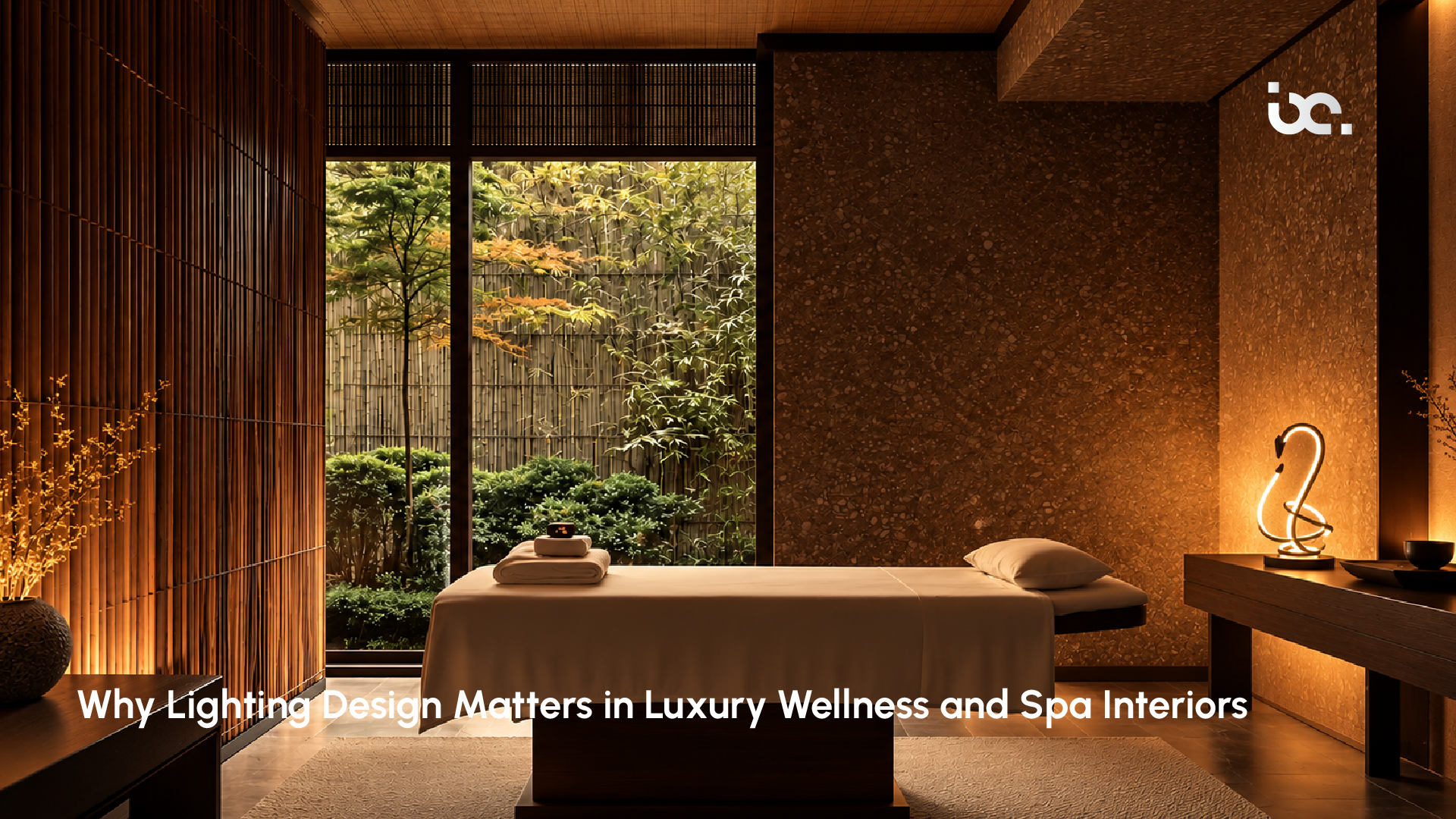
A luxury wellness space is defined by more than beautiful materials, carefully selected furnishings, or an impressive architectural layout. Its true character lies in how it makes people feel.
From the moment a guest enters a spa, the surroundings should encourage a gradual transition away from everyday distractions towards comfort, calm, and personal well-being. Lighting plays a central role in creating this experience.
Wellness lighting design considers how illumination influences the atmosphere, visual comfort, and overall perception of an interior. It brings together natural light, carefully positioned fixtures, gentle contrasts, and thoughtfully controlled brightness to create spaces that feel inviting rather than overwhelming.
In luxury spas, wellness retreats, and premium hospitality settings, lighting is an essential part of the design language. It can soften architectural lines, highlight natural textures, and establish a sense of privacy without relying on excessive decoration.
When approached with sensitivity, lighting becomes an understated expression of luxury, shaping an environment where every detail contributes to a more restorative experience.
Wellness interiors are designed to support relaxation, comfort, and a sense of balance. Unlike conventional commercial environments, where bright and uniform illumination may be appropriate, spas and wellness facilities require a more nuanced approach.
Different areas serve different purposes. A reception space needs sufficient visibility and a welcoming atmosphere, while a treatment room benefits from controlled illumination that supports both the therapist and the guest. Relaxation lounges may call for softer light, allowing visitors to settle into the environment without feeling visually stimulated.
Wellness lighting design brings these requirements together through a considered combination of function and atmosphere. It recognises that brightness, colour temperature, light distribution, and fixture placement influence how a space is experienced.
A well-planned lighting scheme can help achieve several objectives:
The intention is not to make every area dim. Rather, it is to provide the right quality of light for each activity while maintaining a coherent and refined environment.
The atmosphere of a spa depends on subtle details. The sound of flowing water, the texture of natural stone, the fragrance of essential oils, and the softness of towels all contribute to the guest experience. Lighting brings these elements together, allowing the interior to feel composed and immersive.
Effective spa lighting avoids harsh glare and unnecessary visual contrast. Instead, it uses controlled illumination to create a gentle transition between brighter circulation areas and more intimate treatment spaces.
Indirect lighting is particularly useful in this context. Concealed fixtures can illuminate walls, ceilings, or architectural recesses without making the light source the main focus. This approach creates visual depth while preserving a clean and understated aesthetic.
Wall lights, recessed fixtures, and carefully positioned pendants can introduce additional layers of illumination. Their selection should reflect the room’s proportions, material palette, and practical requirements.
In a treatment room, for example, soft ambient lighting may establish a relaxed atmosphere, while adjustable task lighting provides the precision required for professional treatments. The two functions can coexist without compromising the room’s overall character.
The most successful spa lighting feels natural to the environment. Guests may not consciously notice where the light originates, yet they can appreciate the comfort and tranquillity it creates.
The colour temperature of a light source influences how warm or cool an interior appears. Warmer light generally creates an intimate, welcoming atmosphere, while cooler light can feel more crisp and functional.
In luxury wellness settings, warmer illumination is often suitable for relaxation lounges, treatment rooms, and private bathing areas. It can complement materials such as timber, textured plaster, stone, and natural fabrics, helping the space feel softer and more inviting.
However, colour temperature should be selected according to the purpose of each area rather than applied uniformly throughout the property. Reception desks, consultation rooms, grooming areas, and treatment spaces may have different requirements for visibility and colour accuracy.
Light quality matters just as much. High-quality lighting with good colour rendering helps materials and skin tones appear natural. This is especially important in wellness environments where treatments may involve skincare, massage, and other personal services.
Designers should also consider glare, flicker, and the consistency of illumination. A visually beautiful fixture will not contribute to a luxurious experience if it creates uncomfortable brightness or distracting reflections.
By balancing these technical considerations with the desired atmosphere, wellness lighting design can deliver both elegance and everyday usability.
Luxury wellness interiors are often conceived as multisensory environments. Their success depends on how different elements work together to influence the guest’s experience.
Sensory design considers the relationship between visual surroundings, sound, touch, scent, and spatial perception. Lighting contributes to this relationship by influencing what guests notice, how they interpret the environment, and where their attention naturally rests.
Soft illumination can emphasise the texture of a stone wall, reveal the movement of water, or create a gentle reflection across a polished surface. Carefully controlled shadows can introduce depth, while concealed lighting can make architectural features appear lighter and more delicate.
These effects should be used with restraint. Too many dramatic contrasts or decorative lighting features can compete with the restorative purpose of the space.
A thoughtful sensory approach may include:
Lighting should complement the other sensory elements rather than dominate them. When each component works in harmony, the interior feels considered, immersive, and quietly sophisticated.
A sophisticated lighting scheme rarely depends on a single source. Instead, it combines several layers to create flexibility, depth, and visual balance.
Ambient lighting provides the general level of illumination needed to navigate and use a room. Task lighting supports specific activities, while accent lighting draws attention to selected architectural or decorative features.
In wellness interiors, these layers should be carefully coordinated. A relaxation lounge may use concealed ceiling illumination for general visibility, low-level wall lighting for atmosphere, and discreet accent lighting to highlight a sculptural object or textured surface.
Treatment rooms require a more adaptable arrangement. General illumination should remain comfortable, while task lighting must provide sufficient visibility when required. Dimming controls allow the environment to change according to the treatment and the preferences of the practitioner.
Layered lighting also prevents a space from feeling flat. By introducing controlled variations in brightness, designers can create a sense of dimension without relying on excessive ornamentation.
The key is balance. Each layer should serve a clear purpose, and no single source should overwhelm the overall composition.
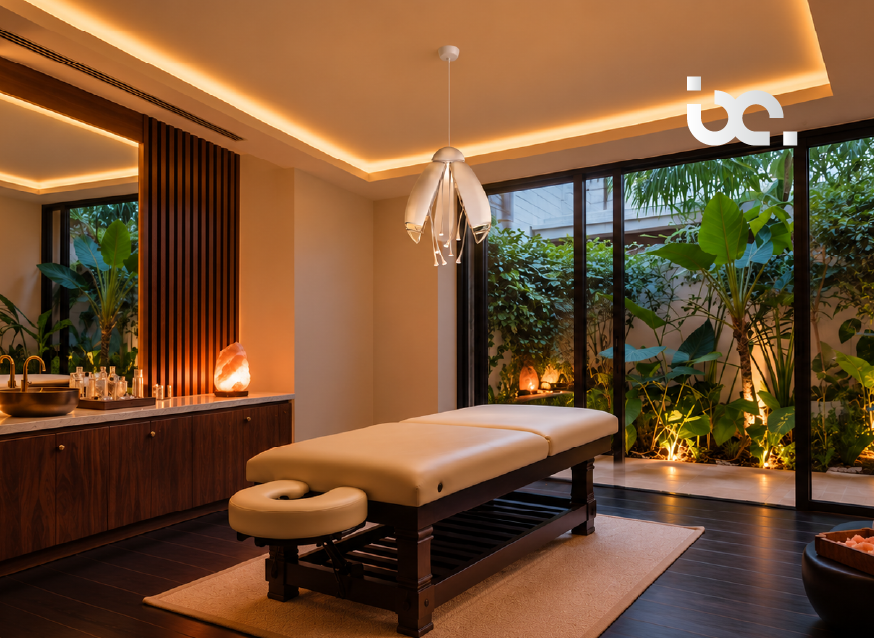
Natural light can strengthen the connection between a wellness space and its surroundings. Daylight introduces changing patterns, reveals material details, and helps interiors feel connected to the rhythm of the day.
Where the architecture allows, windows, skylights, and carefully positioned openings can bring daylight into reception areas, relaxation lounges, and selected treatment spaces. Views of gardens, courtyards, or landscaped surroundings may further enhance the sense of retreat.
However, daylight requires careful management. Direct sunlight can create glare, unwanted heat, and uncomfortable brightness, particularly around reflective surfaces or water features.
Design solutions may include sheer curtains, adjustable blinds, architectural screens, and thoughtfully positioned shading. These elements allow designers to preserve the benefits of daylight while maintaining privacy and visual comfort.
The relationship between daylight and artificial lighting should also be considered. As natural illumination changes throughout the day, artificial sources can maintain a consistent level of comfort without making the space feel artificially bright.
A carefully managed balance between the two creates interiors that feel responsive to their surroundings while remaining comfortable across different conditions.
Wellness facilities often form part of hotels, destination resorts, private clubs, and high-end residential developments. In these settings, lighting must contribute to the wider hospitality experience while meeting the specific requirements of wellness spaces.
The guest journey may begin in a reception area, continue through changing rooms and treatment suites, and conclude in a relaxation lounge or refreshment space. Each transition should feel natural, with lighting helping establish the character of every area.
Reception spaces may benefit from a more expressive approach, using decorative fixtures or architectural illumination to communicate the identity of the property. Treatment rooms typically require greater restraint, while relaxation areas may use softer, layered light to encourage guests to remain comfortable.
Consistency is important, but every room does not need identical lighting. A coherent design language can be maintained through related finishes, complementary colour temperatures, consistent control systems, and carefully coordinated fixture styles.
For hospitality operators, lighting also has practical implications. Energy efficiency, ease of maintenance, durability, and compatibility with building controls should be considered alongside visual quality.
The strongest designs bring these requirements together, allowing luxury to emerge through both the guest experience and the quality of the environment.
Lighting fixtures contribute to the visual identity of a wellness interior, even when they are intended to remain discreet. Their proportions, finishes, and placement should complement the architectural concept rather than compete with it.
Materials such as brushed metal, textured glass, timber details, and refined matte finishes can introduce subtle character. In spaces with stone, plaster, and natural fabrics, carefully selected fixtures can reinforce the overall material palette.
Decorative lighting may be appropriate in a reception area or private relaxation suite, where a distinctive piece can establish a focal point. In treatment rooms, concealed or understated fixtures may be more suitable because they preserve a quieter visual environment.
Practical requirements must guide material selection as well. Spa environments can involve humidity, temperature changes, water exposure, and frequent cleaning. Fixtures should be suitable for their intended location, with appropriate protection ratings and installation methods.
Designers should also consider maintenance access and the availability of replacement components. A lighting scheme should remain beautiful and dependable long after the initial installation.
Attention to these details ensures that aesthetic decisions support the long-term quality of the interior.
Sustainability is increasingly important in luxury wellness projects. Energy-efficient light sources, effective lighting controls, and considered fixture placement can reduce unnecessary electricity consumption without compromising the atmosphere.
LED lighting offers flexibility in colour temperature, brightness, and form. When selected carefully, it can support a wide range of applications, from discreet architectural lighting to decorative statement fixtures.
Dimming systems allow staff to adjust illumination according to the time of day, the type of treatment, and the requirements of individual spaces. Occupancy sensors can help reduce energy use in suitable back-of-house areas, while daylight-responsive controls may be useful in spaces with substantial natural light.
These systems should remain intuitive. Complicated controls can create unnecessary work for staff and make it difficult to maintain a consistent guest experience.
Sustainability also involves choosing durable fixtures, planning for maintenance, and avoiding unnecessary replacement. A well-designed lighting scheme considers performance over time rather than focusing only on its initial appearance.
When technology is integrated discreetly, it supports operational efficiency while allowing the atmosphere of the wellness environment to remain the primary focus.
Lighting is one of the most influential elements in luxury wellness and spa interiors. It shapes first impressions, supports visual comfort, highlights material beauty, and helps establish the sense of calm that guests expect from a restorative environment.
Wellness lighting design brings these considerations together through a thoughtful balance of illumination, architecture, materials, and sensory experience. From softly lit treatment rooms to welcoming hospitality spaces, every lighting decision should reflect the purpose of the environment and the people who use it.
The most refined approach is rarely the most complicated. It is one in which natural and artificial light work together, fixtures complement their surroundings, and technical performance remains discreetly integrated into the design.
Ultimately, exceptional lighting allows luxury wellness interiors to feel more than visually impressive. It creates an atmosphere of comfort, privacy, and quiet sophistication that stays with guests long after their visit.
Wellness lighting design is the considered use of natural and artificial illumination to support visual comfort, relaxation, functionality, and atmosphere in spas, wellness centres, and related interiors.
A combination of warm ambient lighting, indirect illumination, adjustable task lighting, and carefully positioned accent lights is often effective. The final arrangement depends on the function, architecture, and technical requirements of each space.
Colour temperature affects how warm or cool a room appears. Choosing suitable light sources helps establish the intended atmosphere while maintaining appropriate visibility for treatments and daily activities.
Lighting can make spaces feel welcoming, support comfortable movement, highlight architectural details, and create a more cohesive atmosphere throughout the guest journey.
Yes. Efficient light sources, suitable fixtures, dimming systems, and intelligent controls can reduce unnecessary energy use while preserving visual quality and the intended ambience.
Experience radiant guidance tailored to your unique vision.